Gas chromatography (GC) is a powerful analytical technique used in the field of chemistry to separate and analyze compounds that can be vaporized without decomposition. Whether you are a student, a professional chemist, or someone with a keen interest in analytical chemistry, understanding GC chromatography can open doors to a myriad of applications in various industries. In this article, we will explore the principles, applications, and workings of GC chromatography in simple terms.
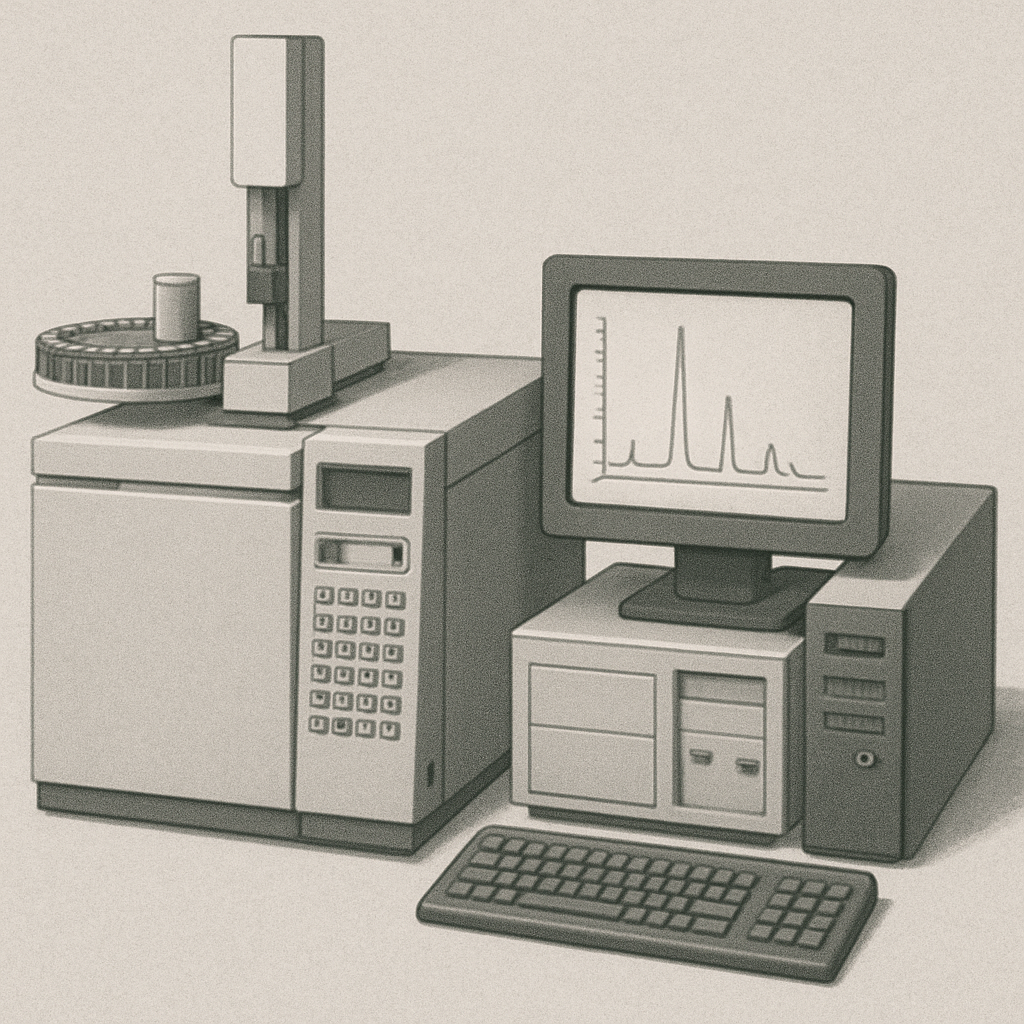
GC chromatography is a method used to separate volatile substances from a mixture. The technique involves using a gas as the mobile phase and a liquid or solid stationary phase. As the sample is vaporized and introduced into the chromatograph, its components are separated based on their volatility and interaction with the stationary phase.
Understanding the Mobile Phase
The mobile phase in gas chromatography is typically an inert gas such as helium or nitrogen. This gas is responsible for carrying the vaporized sample through the column. The choice of gas can affect the efficiency of the separation process, with helium often preferred for its optimal flow characteristics. It’s important to maintain a consistent flow rate to ensure reliable results.
Exploring the Stationary Phase
The stationary phase is the heart of the GC column. It can be either a liquid or solid material coated on the column’s interior. This phase is crucial as it interacts with different components of the mixture at varying degrees, influencing the separation process. The composition of the stationary phase is selected based on the nature of the compounds being analyzed, allowing for tailored separations.
Interaction and Separation Dynamics
As the sample travels through the column, components that interact more strongly with the stationary phase will take longer to exit the column compared to those that interact weakly. This differential migration leads to the separation of the mixture components. Understanding these interactions can help in optimizing the GC method for specific analyses, enhancing resolution and accuracy.
How Does Gas Chromatography Work?
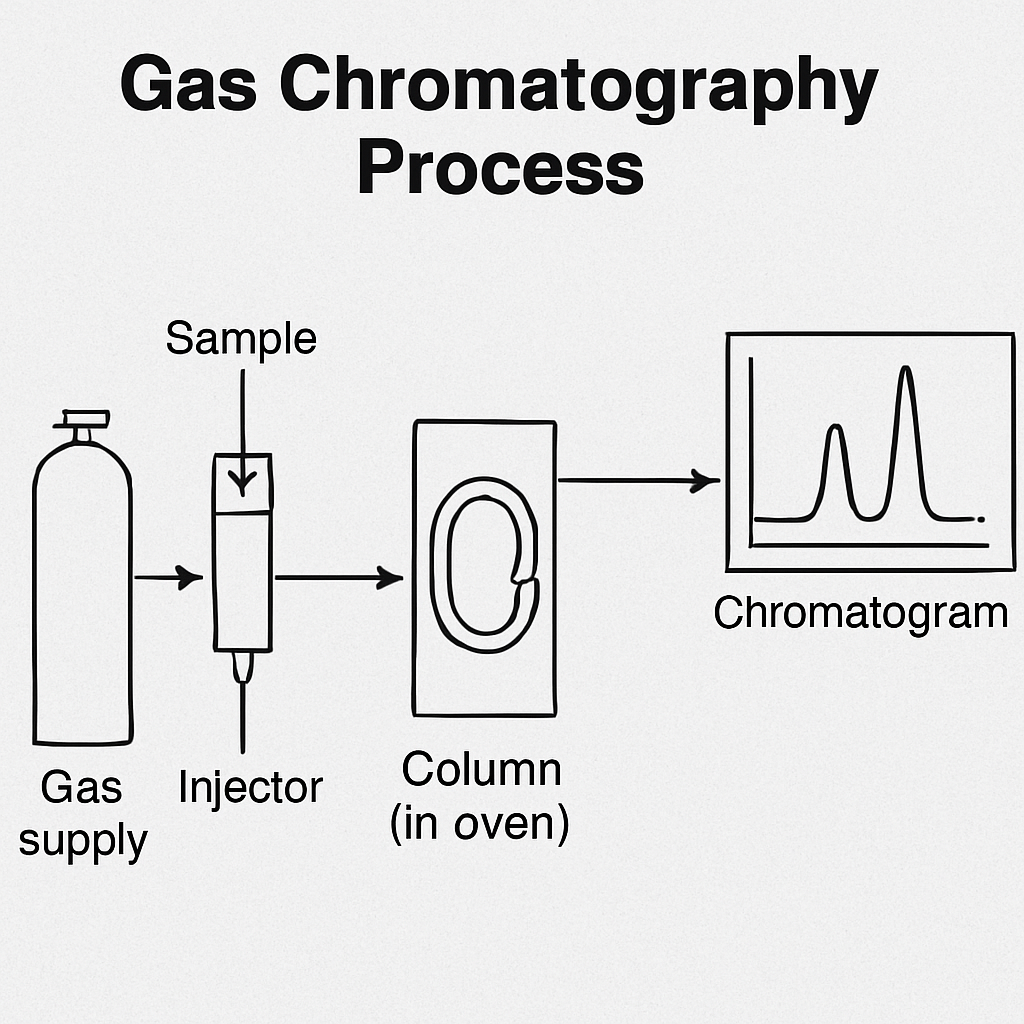
The process of gas chromatography can be broken down into a few key steps:
Sample Introduction and Vaporization
The first step in gas chromatography is the introduction of the sample into the chromatograph through an injector port. It’s crucial that the sample is in a gaseous state, so it’s often vaporized before entry. The vaporization step must be controlled to prevent decomposition, ensuring that the sample integrity is maintained for accurate analysis.
Column Separation and Flow Dynamics
Once inside, the sample is carried by the mobile phase through the column. The column is where the magic of separation occurs, with the interaction between the sample and the stationary phase dictating the separation efficiency. The temperature of the column is often controlled to optimize these interactions, allowing for better separation of complex mixtures.
Detection Mechanisms
As different components exit the column, they are detected by a detector. The choice of detector can impact the sensitivity and specificity of the analysis. Detectors like Flame Ionization Detector (FID) and Mass Spectrometer (MS) provide different benefits, from detecting ions formed during combustion to detailed molecular analysis, catering to a variety of analytical needs.
Data Analysis and Interpretation
The detector is usually connected to a computer that generates a chromatogram—a visual representation of the separated components. The chromatogram displays peaks corresponding to different compounds in the mixture. By analyzing these peaks, chemists can determine the identity and quantity of the compounds, allowing for both qualitative and quantitative analysis.
Types of Detectors Used in GC
Gas chromatography uses various detectors to identify and quantify compounds. Some common detectors include:
Flame Ionization Detector (FID)
FID is one of the most widely used detectors in GC. It detects ions formed during the combustion of organic compounds. Its high sensitivity makes it ideal for detecting hydrocarbons, offering a linear response over a wide concentration range. This detector is particularly useful for routine analysis where robustness and reliability are key.
Mass Spectrometer (MS)
The MS detector provides detailed molecular information and is often used for complex mixtures. By ionizing the sample and measuring the mass-to-charge ratio of the ions, it allows for precise identification of compounds. This makes MS invaluable in applications requiring high specificity and the identification of unknown compounds.
Thermal Conductivity Detector (TCD)
TCD measures changes in the thermal conductivity of the gas stream. It is a universal detector capable of detecting both organic and inorganic compounds. While not as sensitive as FID or MS, TCD is valued for its simplicity and ability to analyze permanent gases, making it a versatile choice in various applications.
Applications of GC Chromatography
 by Vadim Bogulov (https://unsplash.com/@franku84)
Gas chromatography is a versatile tool with applications spanning multiple industries:
Environmental Monitoring and Pollution Control
GC is widely used in environmental studies to monitor pollutants and contaminants in air, water, and soil. It helps in detecting volatile organic compounds (VOCs) and other hazardous substances. This capability is crucial for regulatory compliance and assessing the impact of industrial activities on the environment.
Pharmaceutical Quality Assurance
In the pharmaceutical industry, GC is crucial for the analysis of drug compounds. It ensures the purity and quality of drugs by separating and identifying potential impurities. This is vital for meeting regulatory standards and ensuring patient safety, as even trace impurities can affect drug efficacy and safety.
Food and Beverage Safety Testing
Gas chromatography is essential in ensuring food safety and quality. It’s used to analyze flavors, fragrances, and any potential contaminants in food products. This application helps in maintaining consumer trust and adhering to food safety regulations, safeguarding public health.
Petrochemical and Hydrocarbon Analysis
GC is used to analyze complex mixtures of hydrocarbons, aiding in the quality control of petroleum products and the exploration of new resources. This application is critical for optimizing refining processes and ensuring fuel quality, directly impacting energy production efficiency.
Forensic and Criminal Investigations
In forensic labs, GC helps in the analysis of substances like drugs, explosives, and toxins in biological samples, aiding in criminal investigations. The ability to accurately identify and quantify these substances is crucial for legal proceedings and the administration of justice.
Advantages and Limitations
While gas chromatography offers numerous advantages, it also has some limitations. Here’s a quick look:
Advantages of Gas Chromatography
- High Sensitivity: GC can detect even minute quantities of a compound, making it ideal for trace analysis.
- Resolution: It provides excellent separation of complex mixtures, essential for accurate identification of components.
- Speed and Efficiency: GC processes samples relatively quickly compared to other chromatographic techniques, enhancing laboratory throughput.
Limitations of Gas Chromatography
- Non-Volatile Compounds: GC is not suitable for substances that cannot be vaporized, limiting its use to volatile and semi-volatile compounds.
- Sample Preparation Requirements: Some samples require extensive preparation before analysis, which can be time-consuming and may introduce errors.
- Cost and Maintenance: The equipment and maintenance can be expensive, requiring significant investment in both capital and operational costs.
Conclusion
Gas chromatography is a cornerstone in analytical chemistry, offering precise and efficient separation of volatile compounds. Its applications across various industries underscore its importance in modern science and technology. Whether you’re analyzing environmental samples, ensuring pharmaceutical purity, or delving into forensic investigations, understanding the principles and workings of GC chromatography is invaluable.
By mastering this technique, chemists can continue to push the boundaries of research and innovation, contributing to safer products, cleaner environments, and a deeper understanding of the molecular world around us. The ongoing advancements in GC technology promise to further enhance its capabilities, making it an indispensable tool in the analytical arsenal.
Founded in 2013 and 2014, Shenzhen Yuhan Electronic Technology Co., Ltd. and Suzhou Hongjinli Gas Equipment Co., Ltd. specialize in PSA nitrogen generators, oxygen generators, nitrogen purification systems, and gas equipment solutions. Our expertise spans industries including SMT manufacturing, semiconductor packaging, optoelectronics, and food and pharmaceutical storage.