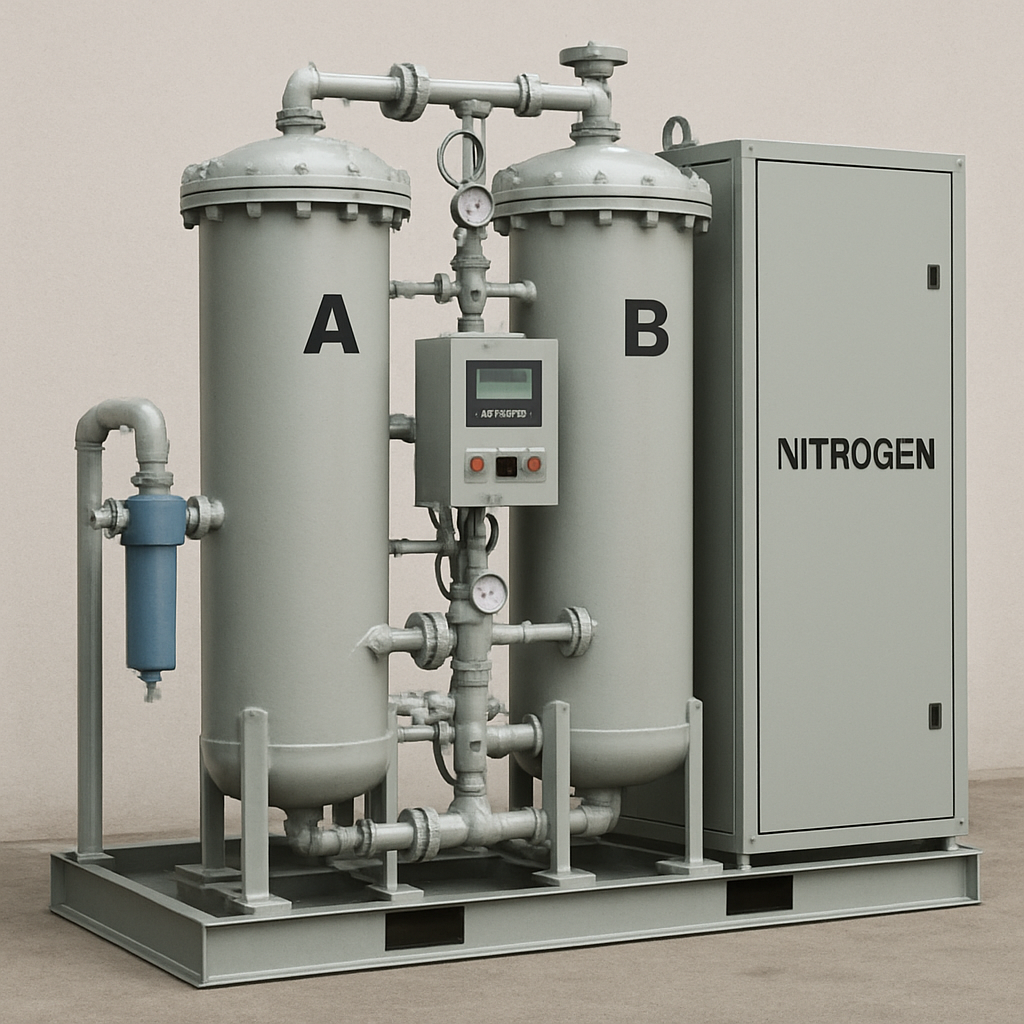
nitrogen generator

Nitrogen 400
nitrogen generator

Why the Nitrogen 400 Generator Is Ideal for Laser Cutting Food Packaging More

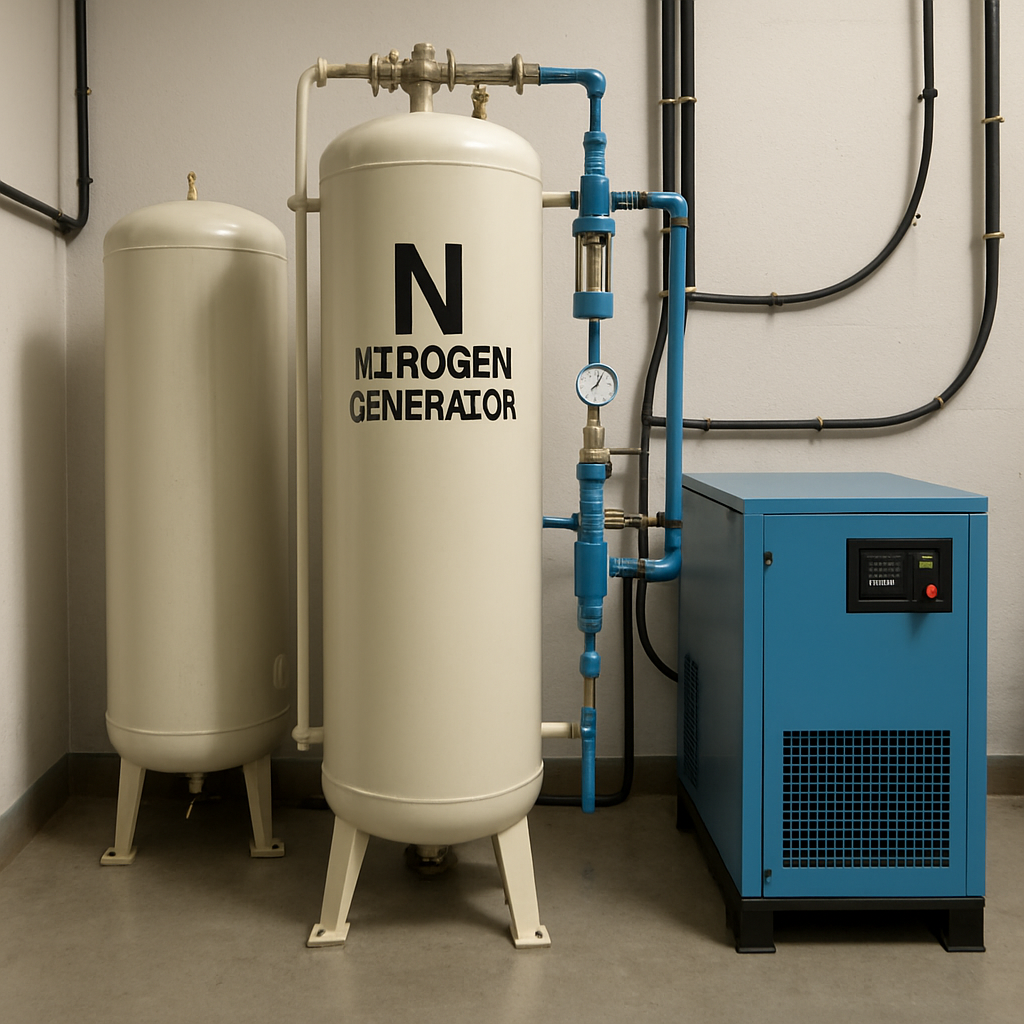
In the world of industrial manufacturing, precision and efficiency are paramount. This is especially true in industries involving delicate processes such as laser cutting. Whether you’re in the business of food packaging or other manufacturing sectors, utilizing the right equipment can significantly impact the quality of your outcomes. Among the various tools available, the Nitrogen 400 generator stands out as an ideal choice for laser cutting. In this article, we’ll delve into the reasons why the Nitrogen 400 generator is a game-changer for laser cutting, particularly in food packaging and beyond. Before diving into the specifics of the Nitrogen 400 generator, it’s crucial to understand why nitrogen is essential in laser cutting. Nitrogen acts as a shielding gas that prevents oxidation during the cutting process. This is particularly important in food packaging, where maintaining the integrity and safety of the material is crucial. Nitrogen ensures a cleaner cut, minimizes the risk of contamination, and enhances the overall quality of the finished product. Benefits of Using Nitrogen in Laser Cutting Introducing the Nitrogen 400 Generator The Nitrogen 400 generator is specifically designed to meet the demands of laser cutting applications. This industrial nitrogen generator is engineered to deliver high-purity nitrogen consistently, ensuring that your cutting processes are efficient and reliable. Key Features of the Nitrogen 400 Generator Advantages of the Nitrogen 400 for Food Packaging In the food packaging industry, maintaining the quality and safety of packaging materials is paramount. The Nitrogen 400 generator offers several advantages that make it an ideal choice for this application. Ensuring Material Integrity When cutting packaging materials, maintaining their integrity is crucial to prevent contamination. The Nitrogen 400 generator provides high-purity nitrogen, ensuring that the cutting process does not compromise the material’s safety or quality. Precision in Cutting Packaging often requires intricate designs and precise dimensions. The Nitrogen 400 generator enables laser cutting machines to achieve fine details without compromising the material’s structural integrity. Reducing Operational Costs By producing nitrogen on-site, companies can eliminate the expenses associated with purchasing and transporting gas cylinders. This not only cuts costs but also reduces the environmental impact of transporting gases. Broader Applications Beyond Food Packaging While the Nitrogen 400 generator is ideal for food packaging, its applications extend to various other industries that rely on laser cutting. Automotive Industry In the automotive sector, precision is crucial for cutting metal and other materials used in vehicle manufacturing. The Nitrogen 400 ensures high-quality cuts that meet industry standards. Electronics Manufacturing Electronics require intricate designs and precise cuts, which the Nitrogen 400 can deliver. Its ability to provide clean cuts without oxidation is essential in this industry. […]
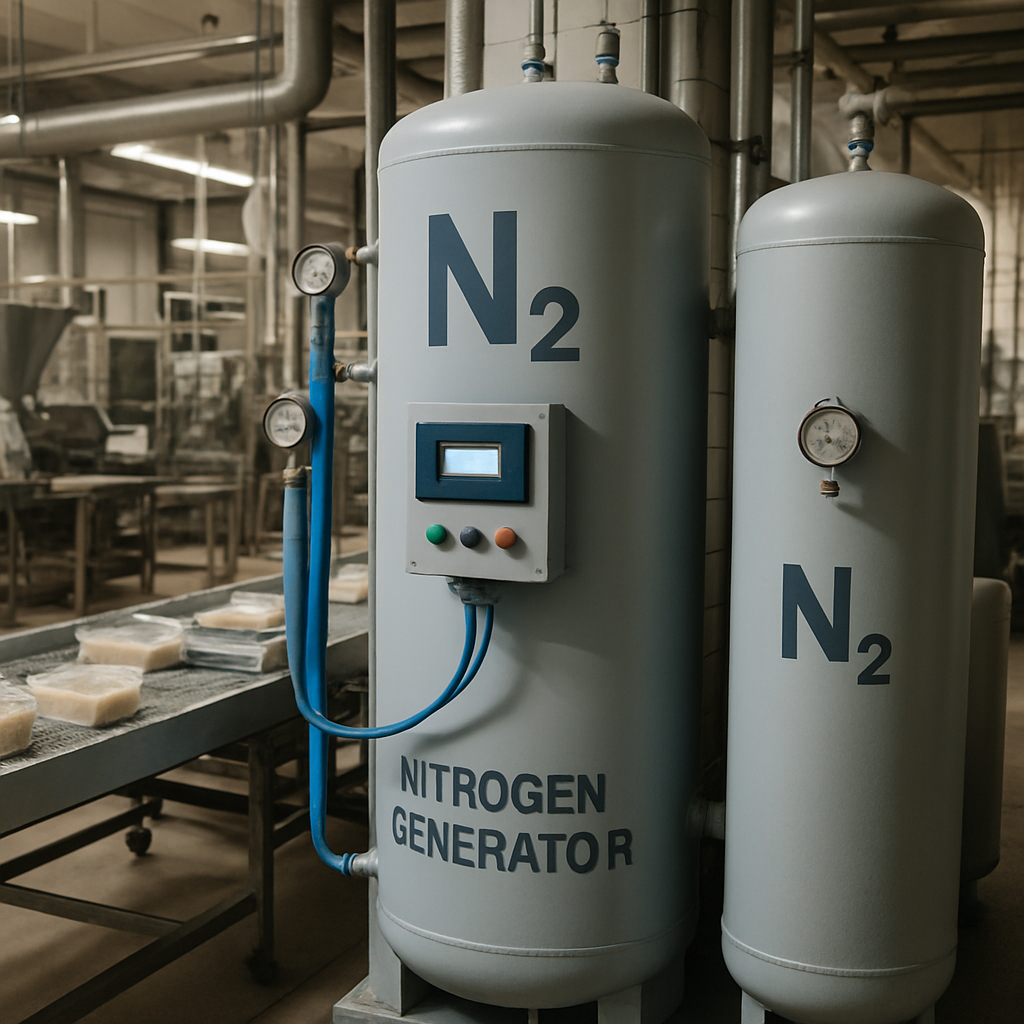
nitrogen generator for food production factory
nitrogen generator

Nitrogen Generator for Food Production Factory

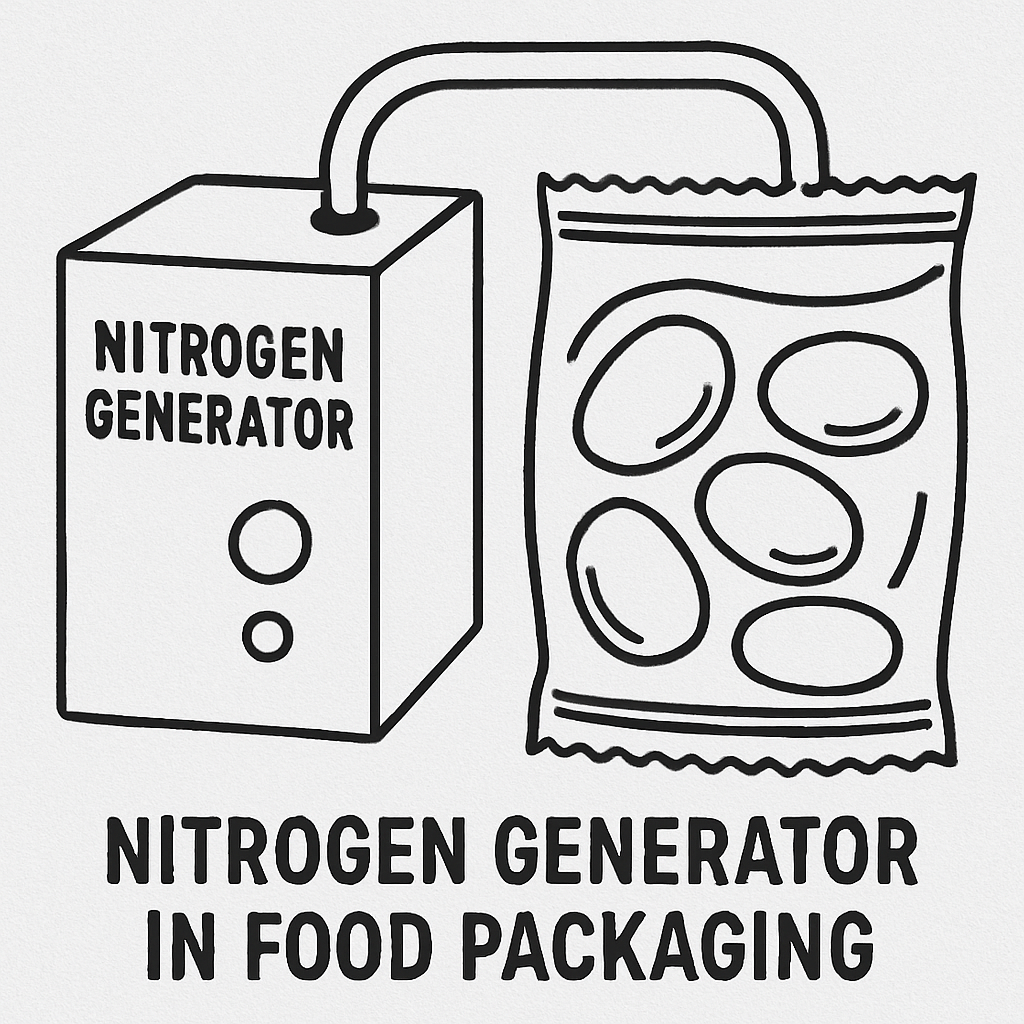
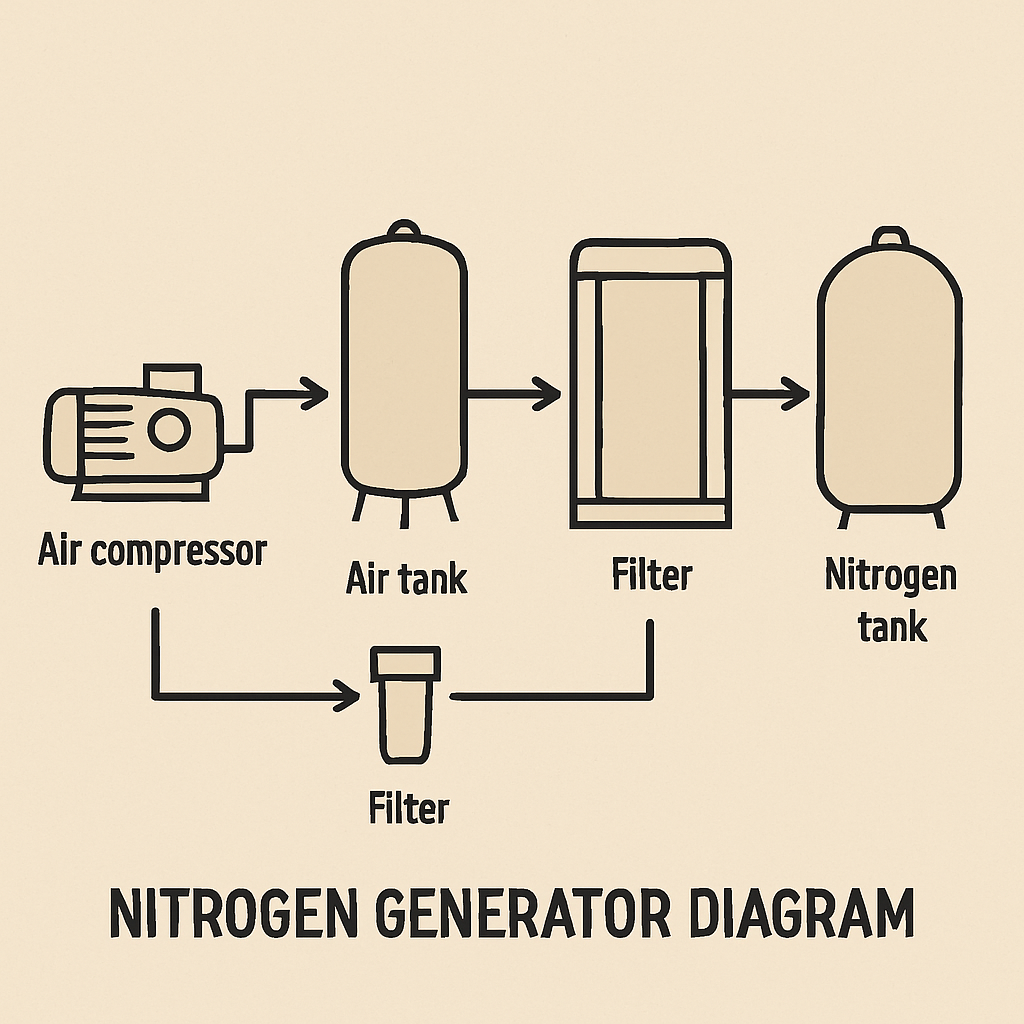
In the world of food production, maintaining the freshness and quality of food products is paramount. To achieve this, many factories are turning to nitrogen generators. These devices have revolutionized the way food production facilities operate, offering a range of benefits that help ensure products remain in optimal condition from production to consumption. What is a Nitrogen Generator? A nitrogen generator is a device that produces nitrogen gas from the air. It extracts nitrogen by removing oxygen and other gases, resulting in a high-purity nitrogen output. This process is crucial for various industrial applications, including food production, because nitrogen is an inert gas that can significantly extend the shelf life of food products. Types of Nitrogen Generators There are several types of nitrogen generators available, each catering to different needs: Why Use a Nitrogen Generator in Food Production? Utilizing a nitrogen generator in a food production factory presents numerous advantages. Here are some key reasons why it’s beneficial: Prolongs Shelf Life Nitrogen is used to displace oxygen in food packaging. Oxygen is notorious for spoiling food by promoting the growth of bacteria and oxidation processes. By using nitrogen, the shelf life of packaged food products is significantly extended. Preserves Quality and Freshness Nitrogen helps maintain the color, flavor, and texture of food products. This preservation is crucial for consumer satisfaction and brand reputation. For instance, snacks like chips remain crisp and fresh when packaged in a nitrogen-rich environment. Cost-Effective Solution While the initial investment in a nitrogen generator might seem significant, it results in long-term savings. The ongoing costs are much lower compared to purchasing bottled nitrogen. Furthermore, on-site nitrogen generation eliminates the logistical challenges and expenses associated with transporting gas cylinders. Environmentally Friendly Producing nitrogen on-site reduces the carbon footprint associated with transporting bottled nitrogen. It also minimizes waste since there are no empty cylinders to dispose of. Applications in Food Production Nitrogen generators are versatile and can be applied in various stages of food production: Modified Atmosphere Packaging (MAP) MAP is a popular packaging method where the air inside a package is replaced with a specific gas mixture, often nitrogen, to extend shelf life. This technique is widely used for meats, vegetables, and baked goods. Dry Sprinkler Systems

nitrogen generator for sale
nitrogen generator

Before You Buy 7 Hidden Costs of Nitrogen Generators for Sale And How to Avoid Them

When it comes to purchasing a nitrogen generator, whether for industrial use, food and beverage production, or even fire protection systems, understanding the full cost is crucial. Many buyers focus solely on the initial purchase price, but hidden costs can significantly impact your budget in the long run. In this article, we will explore seven hidden costs of nitrogen generators for sale and provide practical tips on how to avoid them. The first cost to consider is installation. Nitrogen generators, especially larger industrial models, may require professional installation. This could include modifications to existing infrastructure, additional piping, or specialized electrical work. It’s essential to include these potential costs in your budget. How to Avoid Unforeseen Installation Costs 2. Maintenance and Servicing Regular maintenance is critical to ensure the longevity and efficiency of your nitrogen generator. However, maintenance costs can quickly add up, especially if you overlook them during the purchasing process. Minimizing Maintenance Expenses 3. Energy Consumption Nitrogen generators require energy to operate, and this can be a significant ongoing cost. The efficiency of your generator will directly impact your energy bills. Ways to Reduce Energy Costs 4. Replacement Parts Over time, parts of the nitrogen generator may need replacing due to wear and tear. Filters, membranes, and valves are some components that might need periodic replacement. Strategies to Manage Replacement Part Costs 5. Downtime Costs Unexpected downtime can lead to significant losses, particularly if the nitrogen generator is crucial to your operations. Downtime may result from technical failures or necessary maintenance. Reducing Downtime Risks 6. Environmental Compliance Depending on your locati0n, there may be environmental regulations governing the use of nitrogen generators, especially in industries like food production and fire protection. Avoiding Compliance-Related Costs 7. Depreciation and Resale Value by Joanna Stołowicz (https://unsplash.com/@joanna_stolowicz)

industrial nitrogen generators
nitrogen generator

Why Industrial Nitrogen Generators Are Replacing Traditional Gas Cylinders in Manufacturing

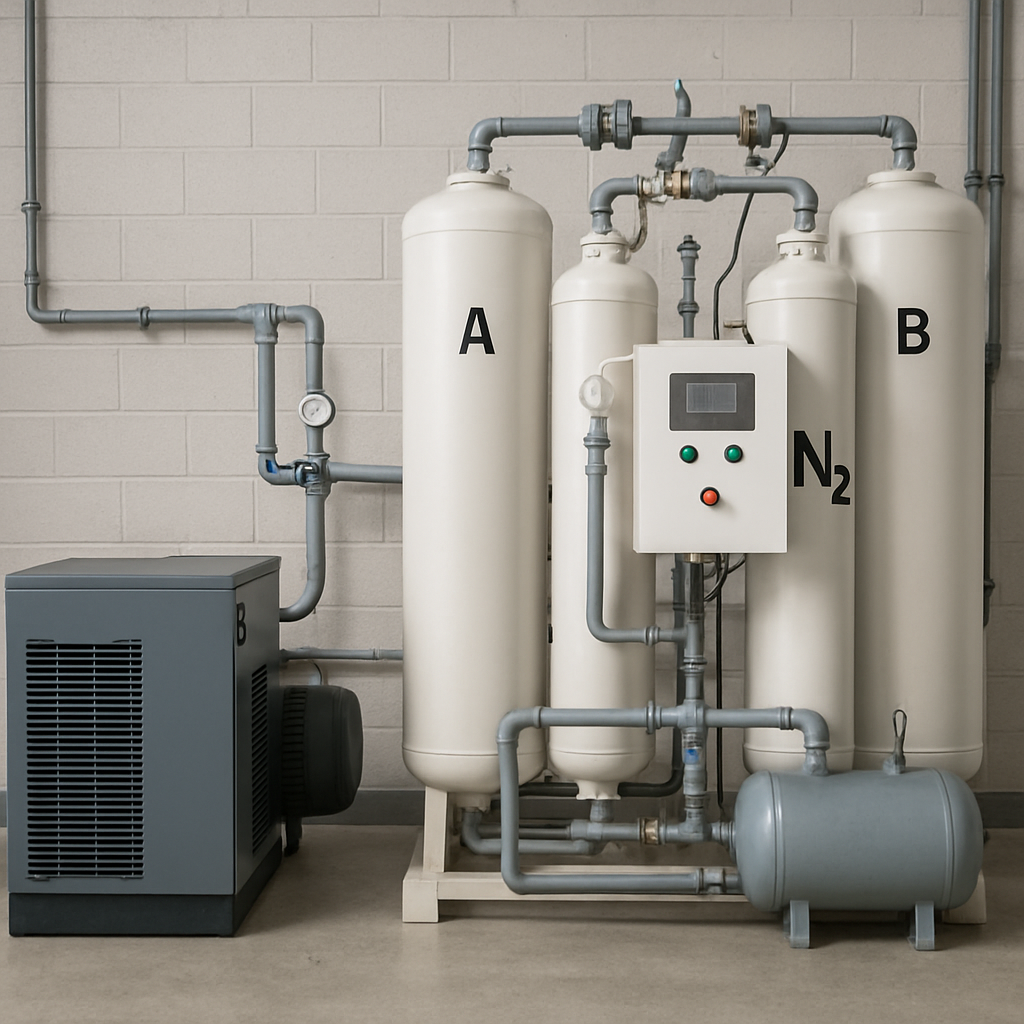
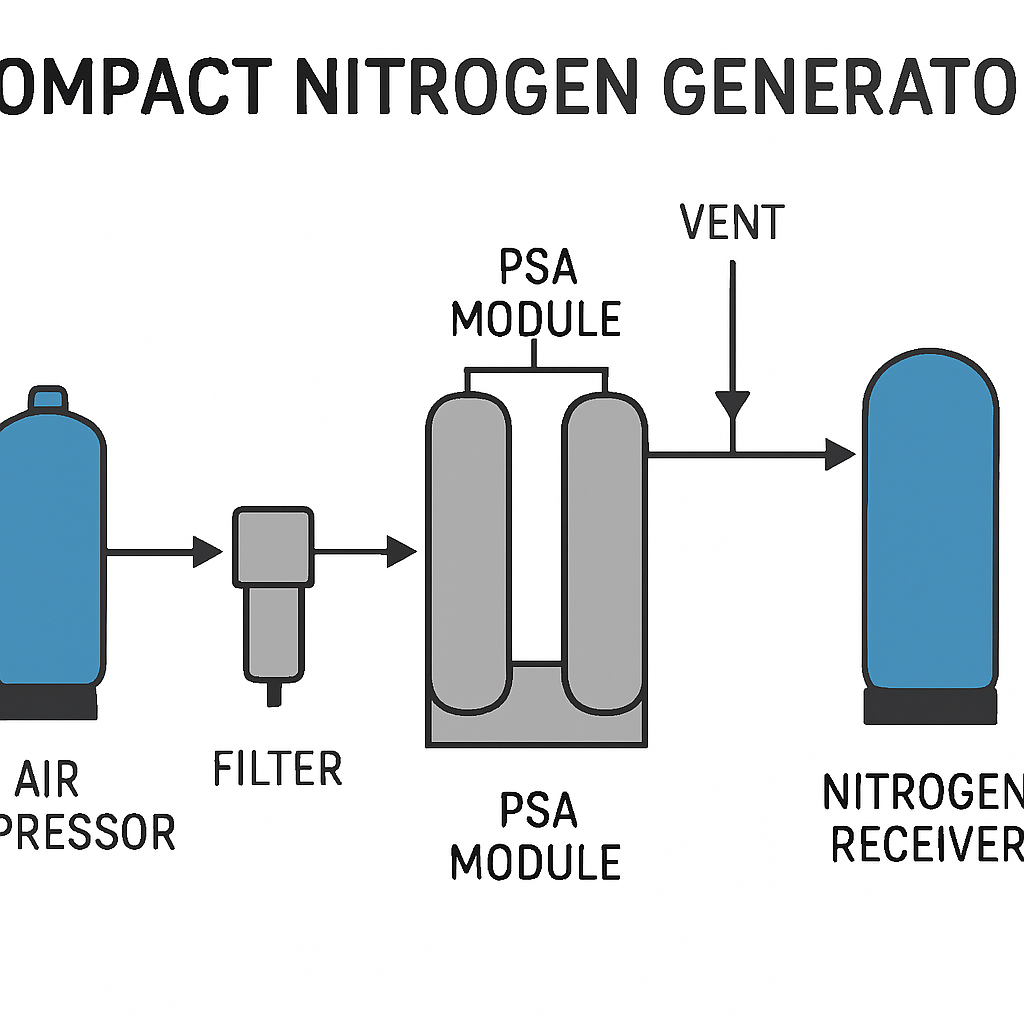
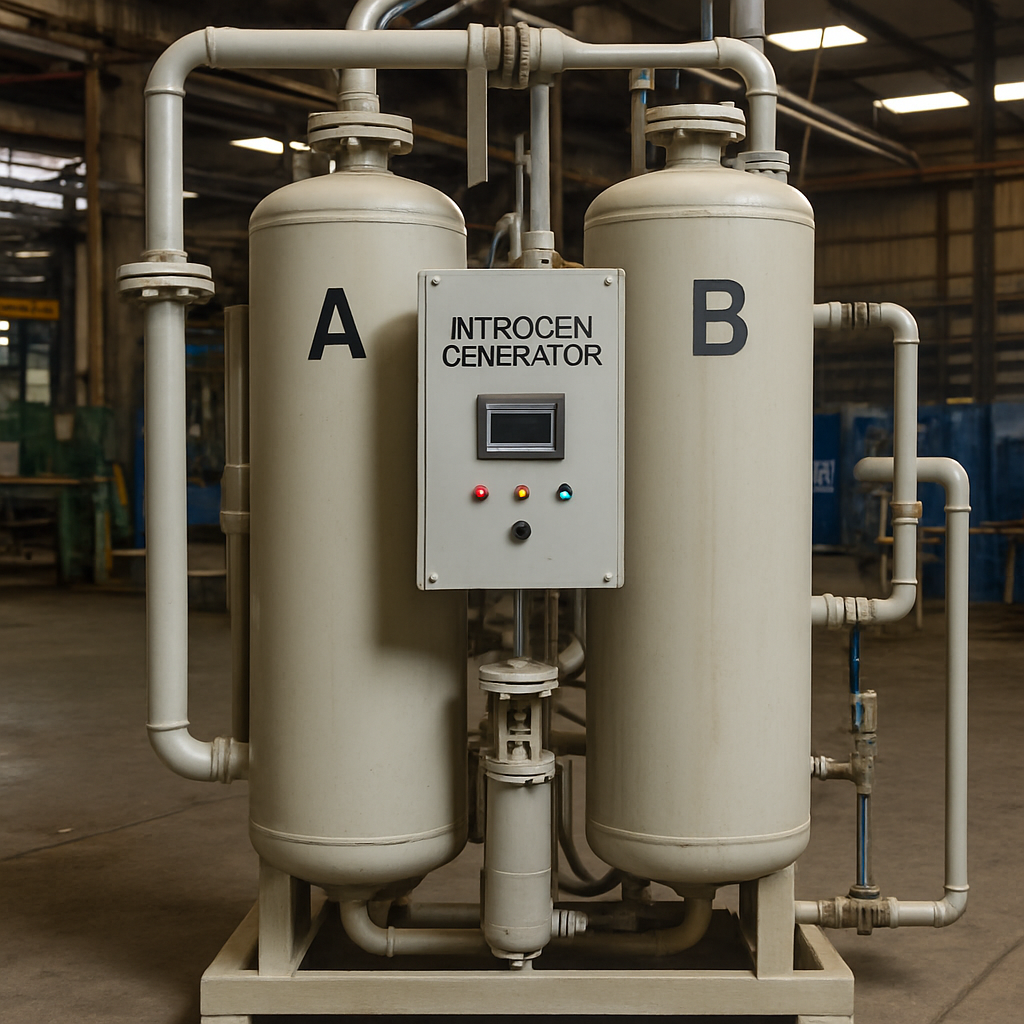
In the ever-evolving world of manufacturing, efficiency and reliability are key components that drive success. One significant shift in recent years has been the move from traditional gas cylinders to industrial nitrogen generators. This transformation is reshaping industries such as food and beverage, chemicals, and more, offering manufacturers a more cost-effective and sustainable solution for their nitrogen needs. Before diving into why these generators are gaining popularity, it’s crucial to understand what they are and how they work. Essentially, a nitrogen generator is a system designed to produce nitrogen gas on-site. There are two primary technologies used in these systems: membrane separation and pressure swing adsorption (PSA). Membrane Separation Nitrogen Generator Membrane separation is a method where air is passed through a membrane that selectively allows nitrogen to pass while oxygen and other gases are vented away. This method is favored for its simplicity and ease of maintenance. Membrane separation systems are compact and are ideal for applications where moderate purity levels of nitrogen are sufficient. Pressure Swing Adsorption (PSA) Technology for Nitrogen Generation PSA technology involves passing compressed air through a vessel filled with adsorbent material. This material selectively adsorbs oxygen, allowing nitrogen to pass through as a gas. PSA systems are known for producing high-purity nitrogen, which is essential for certain manufacturing processes, such as in the chemical industry. Why Manufacturers Prefer Nitrogen Generators Over Gas Cylinders The shift from traditional gas cylinders to nitrogen generators is driven by several compelling reasons: Cost-Effectiveness One of the most significant advantages of nitrogen generators is cost savings. With traditional gas cylinders, manufacturers incur costs related to purchasing, transporting, and storing the cylinders. Additionally, there are rental fees and the potential for costly downtime if gas supplies run out unexpectedly. Nitrogen generators eliminate these expenses by producing nitrogen on-demand, directly on-site. Consistent Supply Reliability in gas supply is another critical factor. Gas cylinders can lead to inconsistencies in supply, especially if deliveries are delayed or demand suddenly increases. In contrast, nitrogen generators provide a continuous, steady supply of nitrogen, ensuring that production processes are never interrupted. Safety and Environmental Benefits Handling and storing high-pressure gas cylinders pose significant safety risks in any manufacturing environment. Nitrogen generators reduce these risks by eliminating the need for cylinder handling and storage. Additionally, producing nitrogen on-site minimizes the carbon footprint associated with transporting gas cylinders, making it a more environmentally friendly option. Customization and Flexibility Nitrogen generators offer manufacturers the flexibility to adjust the nitrogen purity and flow rates according to their specific needs. This customization ensures that each production process receives the exact nitrogen specifications required, enhancing overall efficiency. Applications of Nitrogen Generators in Various Industries by Willis Stout (https://unsplash.com/@willis_stout) Industrial nitrogen generators have found applications across a multitude of industries, each benefiting from their unique advantages: Food and Beverage Industry

compact nitrogen generators
nitrogen generator

Top 5 Industries That Benefit from Compact Nitrogen Generators

In today’s fast-paced industrial world, efficiency and cost-effectiveness are key to staying competitive. One innovation that has made significant strides in various sectors is the compact nitrogen generator. From enhancing safety to improving product quality, these versatile machines are transforming how industries operate. In this article, we delve into the top five industries that benefit the most from compact nitrogen generators and explore the reasons behind their growing popularity. Compact nitrogen generators are machines designed to produce nitrogen gas on-site, eliminating the need for high-pressure cylinder deliveries. They use different technologies, such as membrane separation and pressure swing adsorption (PSA), to extract nitrogen from the air, providing a continuous supply of high-purity nitrogen gas. This not only reduces costs associated with purchasing and transporting gas but also ensures a consistent and reliable supply. Industry 1: Manufacturing and Laser Cutting Enhancing Precision and Efficiency Manufacturing industries, particularly those involved in laser cutting, have greatly benefited from the use of compact nitrogen generators. In laser cutting applications, nitrogen gas acts as an assist gas, preventing oxidation and ensuring clean cuts. This is especially crucial when working with metals and other materials that require a high degree of precision. Compact nitrogen generators provide a steady flow of nitrogen, which enhances the efficiency of laser cutting machines and improves the overall quality of the cuts. By using nitrogen generator for laser cutting, companies can maintain consistent performance without the downtime associated with changing gas cylinders. Cost-Effective Solutions Implementing a nitrogen generator for laser cutting reduces the dependency on third-party gas suppliers, resulting in significant cost savings. The initial investment in a nitrogen generator is quickly offset by the reduced expenses on gas procurement and logistics. Industry 2: Automotive and Tire Inflation Improving Fuel Efficiency and Tire Lifespan In the automotive industry, nitrogen gas generators play a pivotal role in tire inflation. Using nitrogen for tires is becoming increasingly popular due to its ability to maintain stable tire pressure over time. This leads to improved fuel efficiency and extends the lifespan of tires. Compact nitrogen generators make it feasible for automotive service centers and tire shops to offer nitrogen inflation services conveniently. This not only enhances customer satisfaction but also opens up new revenue streams for these businesses. Industry 3: Food and Beverage Processing Preserving Freshness and Quality by Max Whitehead (https://unsplash.com/@maxwhtd) The food and beverage industry relies on nitrogen gas to preserve the freshness and quality of products. Nitrogen is used to displace oxygen in packaging, which slows down the oxidation process and extends shelf life. This is especially important for perishable items such as snacks, coffee, and processed foods. High purity nitrogen generators provide a consistent supply of nitrogen gas, ensuring that food and beverage manufacturers can maintain optimal packaging conditions. This reduces spoilage and waste, ultimately leading to cost savings and improved product quality. Industry 4: Chemical Manufacturing Ensuring Safety and Efficiency Chemical manufacturing processes often involve reactions that are sensitive to oxygen and moisture. Nitrogen generators for chemical manufacturing provide an inert atmosphere that prevents unwanted reactions and ensures the safety of operations. By using compact nitrogen generators, chemical plants can maintain a controlled environment, enhancing both safety and efficiency.

nitrogen generator for food packaging
nitrogen generator

How Nitrogen Generators Extend Shelf Life in Food Packaging

# How Nitrogen Generators Extend Shelf Life in Food Packaging In today’s fast-paced world, ensuring the longevity and quality of food products is a major concern for manufacturers and consumers alike. One of the most effective methods to preserve food is through modified atmosphere packaging (MAP), which often relies on nitrogen generators to maintain product freshness. What is Modified Atmosphere Packaging? Modified atmosphere packaging is a technology used to extend the shelf life of perishable food products. By altering the atmosphere surrounding the product, MAP slows down the spoilage process and maintains the food’s taste, texture, and nutritional value. This method is widely used in packaging fresh meats, fruits, vegetables, and bakery products. What is Modified Atmosphere Packaging? The Role of Nitrogen in MAP Nitrogen plays a crucial role in MAP by replacing the oxygen within the packaging. Oxygen is a key contributor to food spoilage as it promotes the growth of bacteria and mold. By reducing oxygen levels and increasing nitrogen concentration, the spoilage process is significantly slowed down, thereby extending the shelf life of the food. How Do Nitrogen Generators Work? Nitrogen generators are devices that produce nitrogen gas from ambient air. They are essential tools in various industries, including food packaging, cable production, and laboratory operations. Let’s dive into how they function and their applications in food packaging. The Science Behind Nitrogen Generation Nitrogen generators utilize membrane or pressure swing adsorption (PSA) technology to separate nitrogen from the air. Ambient air contains approximately 78% nitrogen, and these generators capitalize on this abundance to provide a continuous supply of pure nitrogen gas. Benefits of Using Nitrogen Generators in Food Packaging Extending Shelf Life The primary advantage of using nitrogen generators in food packaging is the significant extension of product shelf life. By minimizing the presence of oxygen, food spoilage is delayed, allowing manufacturers to distribute products over a wider geographic area and reduce waste. Preserving Quality Nitrogen helps preserve the sensory qualities of food, such as taste, texture, and color. This is particularly important for delicate products like fruits and vegetables, which are prone to rapid deterioration when exposed to oxygen. Cost-Effectiveness Implementing nitrogen generators can be more cost-effective than other preservation methods, such as vacuum sealing or chemical preservatives. Generating nitrogen on-site reduces the need for purchasing and transporting gas cylinders, resulting in lower operational costs. Environmental Impact Using nitrogen generators contributes to environmental sustainability. By reducing food spoilage and waste, the demand for resources required to produce and transport food decreases. Additionally, nitrogen is a non-toxic, inert gas that poses no harm to the environment.

nitrogen generators 30l/min
nitrogen generator

Is a 30L Min Nitrogen Generator Right for Your Lab or Manufacturing Line

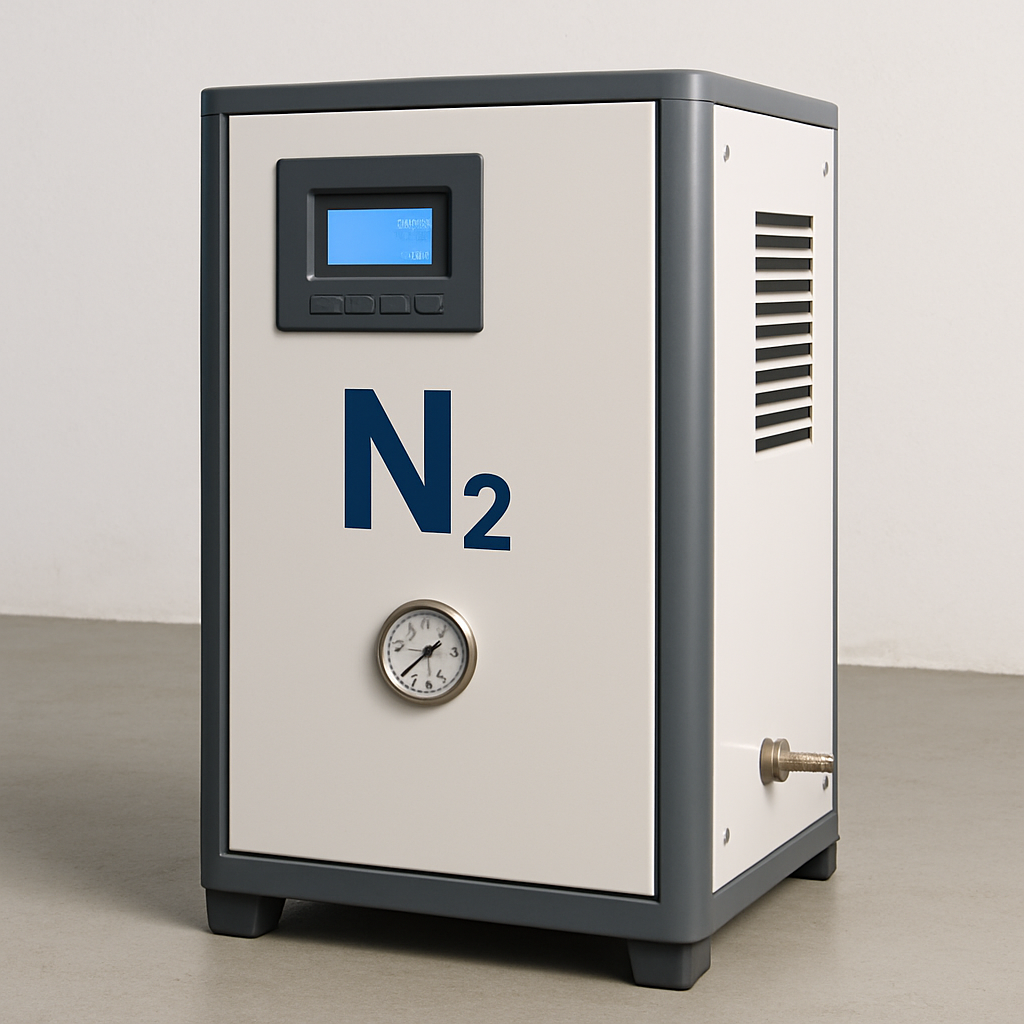
When it comes to selecting the right nitrogen generator for your lab or manufacturing line, understanding the specific needs of your operations is crucial. A 30L/min nitrogen generator might just be the solution you need. But how do you determine if it’s the right fit? Let’s explore the benefits and considerations of integrating a nitrogen generator into your workflow. Nitrogen generators provide a reliable source of nitrogen gas, essential for various industrial and laboratory applications. These systems typically use pressure swing adsorption (PSA) technology, which separates nitrogen from other gases in the air. The result is a continuous supply of nitrogen, tailored to the purity level required by your operations, whether it’s for mining, lab work, or even beverage production. The Benefits of a 30L Min Nitrogen Generator A 30L/min nitrogen generator offers several advantages, especially for medium-scale operations. Here are a few reasons why it might be the ideal choice: Consistent Supply With a 30L/min nitrogen generator, you can ensure a consistent supply of nitrogen, eliminating the need for frequent cylinder replacements. This is particularly beneficial for labs and manufacturing lines that rely on uninterrupted operations. Cost-Effective While the initial investment might seem significant, a nitrogen generator can be more cost-effective in the long run. It reduces dependency on external suppliers and minimizes the logistics involved in managing nitrogen cylinders. Versatile Applications Whether you are operating in a laboratory setting, a manufacturing line, or a brewery, a 30L/min nitrogen generator can cater to various applications. From achieving ultra-high purity (UHP) nitrogen for sensitive lab work to providing nitrogen for beer blasting, its versatility is unmatched. Considerations Before Purchase While the benefits are compelling, there are a few considerations to keep in mind: Space and Installation Ensure that you have adequate space for installation and maintenance. The generator’s footprint and the requirements for its operation should align with your available space and infrastructure. Maintenance Requirements Regular maintenance is key to ensuring the longevity and efficiency of your nitrogen generator. Consider the manufacturer’s recommendations for maintenance schedules and the availability of service support. Initial Cost vs. Long-term Savings Evaluate the initial cost against potential long-term savings. While purchasing a used nitrogen generator might lower upfront costs, make sure it meets your specific needs and has a good service record. Conclusion A 30L/min nitrogen generator can be an excellent addition to your lab or manufacturing line, offering consistent, cost-effective, and versatile nitrogen production. By assessing your specific requirements and considering factors like space, maintenance, and cost, you can make an informed decision that enhances your operations.

high pressure nitrogen generator
nitrogen generator

Why High Pressure Nitrogen Generators Are Replacing Gas Cylinders in Critical Applications

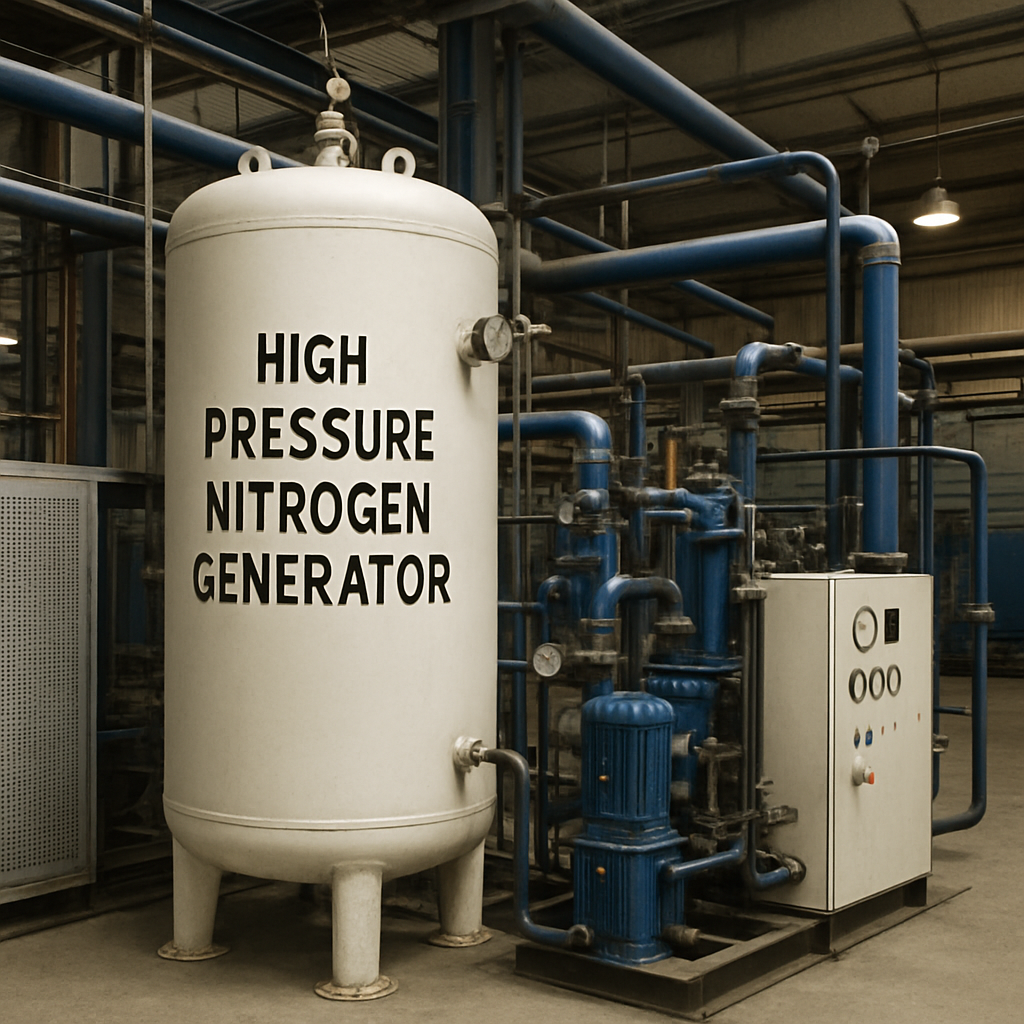
The demand for reliable and efficient nitrogen supply is higher than ever. Traditionally, industries have relied on gas cylinders to meet their nitrogen needs. However, high pressure nitrogen generators are increasingly becoming the preferred choice for many critical applications. This shift is driven by the numerous advantages these generators offer over conventional gas cylinders. In this article, we will explore why high pressure nitrogen generators are replacing gas cylinders, highlighting key factors such as cost efficiency, reliability, and technological advancements. What Are Nitrogen Generators? Nitrogen generators are systems designed to produce nitrogen gas on-site. They utilize either membrane technology or pressure swing adsorption (PSA) techniques to separate nitrogen from the surrounding air. This process results in the continuous production of high purity nitrogen gas, which is essential for various industrial applications. Types of Nitrogen Generators Advantages of High Pressure Nitrogen Generators Cost Efficiency One of the primary reasons industries are opting for high pressure nitrogen generators is cost efficiency. While the initial investment for a nitrogen generator may be higher compared to purchasing gas cylinders, the long-term savings are substantial. With a nitrogen generator, you eliminate the recurring costs associated with cylinder rental, transportation, and refilling. Additionally, there is no need for extensive storage space, reducing overhead expenses. Reliability and Continuous Supply Nitrogen generators offer a reliable and continuous supply of nitrogen gas. Unlike gas cylinders, which can run out unexpectedly, a nitrogen generator ensures you always have the required amount of gas on hand. This reliability is crucial for critical applications where a consistent nitrogen supply is necessary to maintain operations and avoid costly downtimes. Safety and Environmental Benefits Gas cylinders pose safety risks due to potential leaks and the need for frequent handling. High pressure nitrogen generators, on the other hand, significantly reduce these risks by producing nitrogen on-site and eliminating the need for cylinder storage and transportation. Moreover, nitrogen generators are environmentally friendly, as they reduce the carbon footprint associated with cylinder manufacturing, transportation, and disposal. Technological Advancements in Nitrogen Generators by Hongjung PARK (https://unsplash.com/@chilling4u) High Purity and Pressure Capabilities Modern nitrogen generators are equipped with advanced technology that allows them to produce nitrogen at high purity levels, often exceeding 99.9%. This is particularly important for applications requiring high purity nitrogen, such as food packaging, electronics manufacturing, and pharmaceutical production. Furthermore, high pressure nitrogen generators can deliver nitrogen at pressures suitable for diverse industrial needs. Compact and Scalable Solutions Today’s nitrogen generators are designed to be compact and scalable, making them suitable for a wide range of applications. From mini nitrogen generators for small-scale operations to large systems for industrial use, there is a solution for every requirement. This scalability ensures that businesses can easily expand their nitrogen production capacity as their needs grow. Integration and Automation Nitrogen generator systems now come with features that allow seamless integration with existing operations. Automated controls and remote monitoring capabilities ensure optimal performance and ease of maintenance. These features not only enhance operational efficiency but also reduce the need for manual intervention, allowing businesses to focus on their core activities. Considerations When Choosing a Nitrogen Generator

nitrogen generator for medicinal manufacturing
nitrogen generator

Why Nitrogen Generators Are Essential in Modern Medicinal Manufacturing A Deep Dive

# Why Nitrogen Generators Are Essential in Modern Medicinal Manufacturing: A Deep Dive In today’s pharmaceutical landscape, the use of nitrogen generators has become indispensable. As medicinal manufacturing evolves, so does the need for efficient, safe, and cost-effective production processes. Nitrogen generators are at the forefront of this evolution, offering numerous benefits across various industries, including pharmaceuticals, oil and gas, and chemical tankers. The Role of Nitrogen Generators in Pharma Manufacturing Nitrogen generators play a critical role in the pharmaceutical industry. They provide a steady supply of nitrogen gas, which is essential for several processes in medicinal manufacturing. But why is nitrogen so important? Importance of Nitrogen in Medicine Production Nitrogen is an inert gas, meaning it doesn’t react easily with other substances. This makes it perfect for creating a controlled environment during medicine production. It helps in preventing oxidation and contamination, ensuring the purity and efficacy of pharmaceutical products. In pharma manufacturing, nitrogen is used for: Advantages of Using Nitrogen Generators Using nitrogen generators in medicinal manufacturing offers several advantages: Nitrogen Generators in the Pharmaceutical Industry Pharmaceutical companies are increasingly adopting nitrogen generators due to their efficiency and reliability. The ability to produce nitrogen on-demand has revolutionized how these companies operate. Types of Nitrogen Generators There are several types of nitrogen generators used in the pharmaceutical industry, including: Each type has its advantages and is chosen based on the specific requirements of the medicinal manufacturing process. Application of Nitrogen Generators in Other Industries While nitrogen generators are vital in pharmaceutical manufacturing, their applications extend to other sectors, including oil and gas and chemical tankers. Nitrogen Generators for Oil and Gas Vessels In the oil and gas industry, nitrogen generators are used on vessels to maintain safety and efficiency. They are essential for: Nitrogen Generators for Chemical Tankers Chemical tankers transport hazardous chemicals that require careful handling. Nitrogen generators are crucial for:

nitrogen generator maintenance
nitrogen generator

Can a Nitrogen Generator Run 24 7 Maintenance Lifespan Tips

The modern industrial landscape often requires continuous and reliable sources of nitrogen. As a result, nitrogen generators have become essential in various sectors, including food processing, electronics manufacturing, and chemical production. A common question that arises is whether a nitrogen generator can operate 24/7 and, if so, what maintenance practices ensure its longevity and efficiency. In this article, we will explore this topic, highlighting maintenance best practices, the associated costs, and essential tips to extend the lifespan of your nitrogen generator. Understanding Nitrogen Generators What is a Nitrogen Generator? A nitrogen generator is a device that separates nitrogen from the atmospheric air, providing a continuous supply of nitrogen gas. This technology has revolutionized many industries by offering a cost-effective and efficient alternative to traditional nitrogen gas supply methods, such as cylinders or liquid nitrogen deliveries. How Does a Nitrogen Generator Work? Nitrogen generators typically utilize either Pressure Swing Adsorption (PSA) or Membrane Separation technology. Both methods are designed to provide high-purity nitrogen, essential for various industrial applications. Can a Nitrogen Generator Run 24/7? The short answer is yes. Nitrogen generators are engineered to operate continuously, meeting the demands of industries that require a constant nitrogen supply. However, to ensure uninterrupted operation, regular maintenance is crucial. Maintenance Best Practices Routine Inspections Routine inspections are the cornerstone of effective nitrogen generator maintenance. Regular checks can identify potential issues before they escalate into costly repairs or downtime. Inspections should include: Scheduled Servicing Scheduled servicing by a qualified technician can prevent unexpected breakdowns. During servicing, technicians will: Regular Cleaning Dust and debris can accumulate in and around the generator, potentially affecting its efficiency. Regular cleaning can prevent this: Nitrogen Generator Maintenance Cost The cost of maintaining a nitrogen generator can vary depending on the model, usage, and specific maintenance needs. However, investing in regular maintenance can significantly reduce the risk of expensive repairs or replacements in the future. Factors Influencing Maintenance Costs Cost-Saving Tips

Scroll to Top