nitrogen generator

PSA Nitrogen Generators
nitrogen generator

How PSA Nitrogen Generators Improve LC-MS MS Lab Efficiency

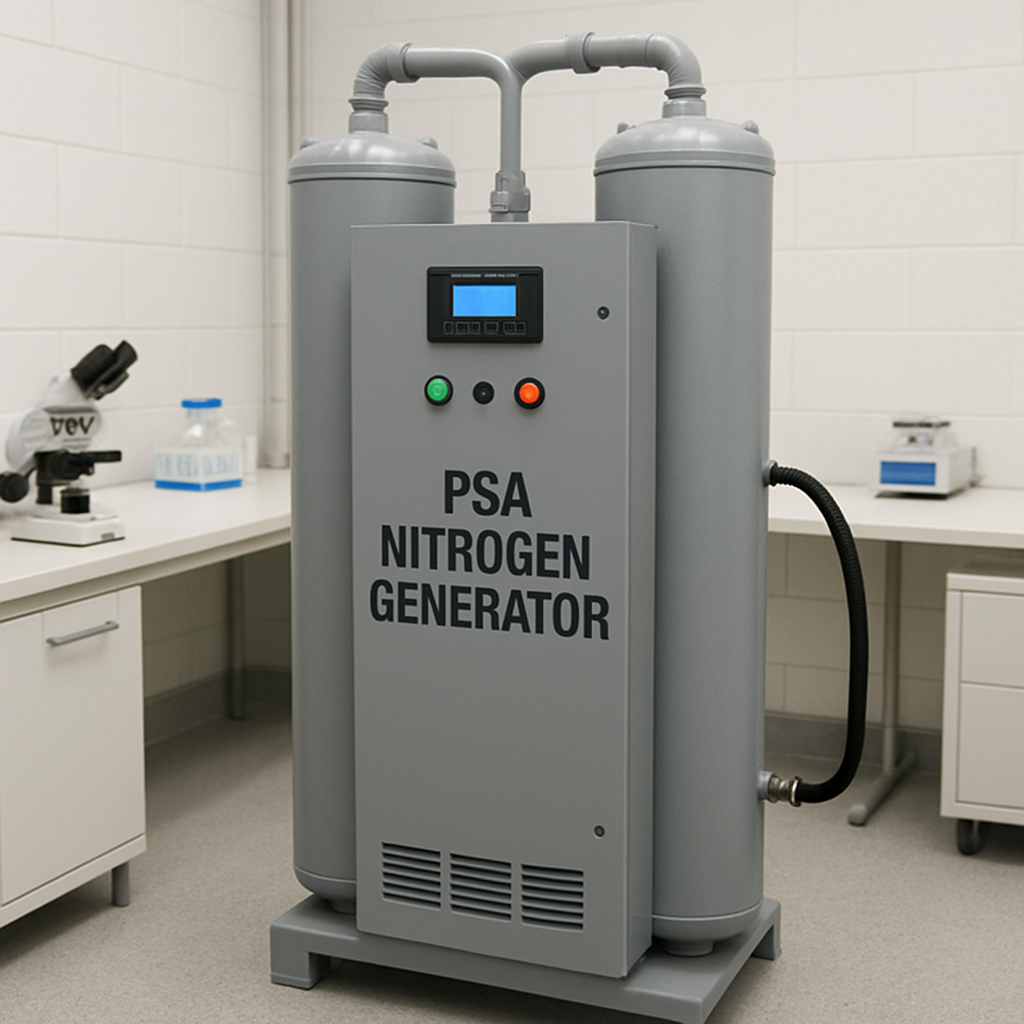
In the fast-paced world of analytical laboratories, efficiency is key. Laboratories using Liquid Chromatography-Mass Spectrometry (LC-MS MS) need reliable and consistent nitrogen supplies for optimal performance. This is where Pressure Swing Adsorption (PSA) nitrogen generators come into play, offering a cost-effective and efficient solution for lab operations. Understanding PSA Nitrogen Generators What Are PSA Nitrogen Generators? PSA nitrogen generators are systems designed to produce high-purity nitrogen gas by separating it from the air. They operate on the principle of pressure swing adsorption, which involves the use of adsorbent materials to capture nitrogen molecules while allowing other gases to pass through. How Do PSA Nitrogen Generators Work? The technology behind PSA nitrogen generators is both fascinating and practical. The process begins with compressed air being fed into the generator. Inside, the air passes through a vessel containing an adsorbent material that selectively adsorbs oxygen, carbon dioxide, and other trace gases, leaving nitrogen behind. The system alternates between adsorption and desorption phases, ensuring a continuous supply of nitrogen. Benefits of PSA Nitrogen Generators for LC-MS MS Labs Enhanced Efficiency and Consistency One of the primary benefits of using PSA nitrogen generators in LC-MS MS labs is the increased efficiency they provide. Traditional nitrogen delivery methods, such as gas cylinders, can lead to interruptions and inconsistencies in supply. PSA nitrogen generators, on the other hand, offer a continuous and reliable source of nitrogen, eliminating downtime and enhancing overall lab productivity. Cost-Effective Solution Investing in PSA nitrogen generators can lead to significant cost savings over time. While the initial setup may require an investment, the long-term benefits outweigh the costs. Labs no longer need to rely on external suppliers for nitrogen, which reduces ongoing expenses related to cylinder rentals, deliveries, and storage. This not only cuts costs but also simplifies logistics and inventory management. Improved Safety and Environmental Impact Safety is a top priority in any lab setting. PSA nitrogen generators enhance safety by reducing the risk associated with handling and storing high-pressure gas cylinders. Additionally, by generating nitrogen on-site, labs can minimize their carbon footprint and contribute to a more sustainable environment. Implementing PSA Nitrogen Generators in Your Lab Assessing Your Lab’s Needs Before implementing PSA nitrogen generators, it’s essential to assess your lab’s specific needs. Consider the volume of nitrogen required, the purity level necessary for your applications, and the available space for installation. Collaborating with a reputable supplier can help you determine the best system for your requirements. Installation and Maintenance The installation of PSA nitrogen generators is a straightforward process that can be completed with minimal disruption to lab operations. Once installed, these systems require routine maintenance to ensure optimal performance. Regular checks and filter replacements are essential to keep the generator running efficiently and to extend its lifespan. by NOAA (https://unsplash.com/@noaa) Training and Support […]

nitrogen generator

nitrogen generator for chemical manufacturing

In the bustling world of chemical manufacturing, efficiency and safety are paramount. Among the many tools that chemical plants rely on, nitrogen generators have become indispensable. But what exactly is a nitrogen generator, and why is it so crucial in chemical manufacturing? This article delves into the significance of nitrogen generators, their functionality, and their benefits in the chemical industry. A nitrogen generator is a device that produces nitrogen gas from the air. Ambient air is composed of 78% nitrogen, 21% oxygen, and trace gases. Nitrogen generators separate the nitrogen from other gases, providing a continuous supply of pure nitrogen. This is achieved through two primary technologies: Pressure Swing Adsorption (PSA) and Membrane Technology. Pressure Swing Adsorption (PSA) PSA is a process that separates nitrogen from other gases by using adsorbent materials. These materials have a high affinity for oxygen and other trace gases, allowing nitrogen to pass through. The system operates in cycles, where adsorbents are regenerated to release the captured gases and are ready for the next cycle. Membrane Technology This technology uses semi-permeable membranes to separate nitrogen from compressed air. The membranes allow smaller molecules like oxygen and water vapor to pass through, leaving a high concentration of nitrogen gas. Membrane technology is generally more compact and requires less maintenance than PSA systems. Importance of Nitrogen Generators in Chemical Manufacturing Chemical manufacturing involves reactions that can be highly sensitive to oxygen and moisture. Here’s why nitrogen generators are vital: Inert Atmosphere Creation Many chemical processes require an inert atmosphere to prevent unwanted reactions. Nitrogen, being a non-reactive gas, is ideal for creating such environments. This is crucial in preventing oxidation, reducing fire risks, and ensuring product quality. Purging and Blanketing Nitrogen is used to purge systems of hazardous gases and to blanket chemical storage tanks. This prevents contact with atmospheric oxygen, which can lead to contamination or dangerous reactions. Nitrogen blanketing is especially important in storing volatile chemicals. Cost Efficiency Using nitrogen generators on-site is more cost-effective than purchasing bottled nitrogen. It eliminates the logistics of transportation and storage, ensuring a constant supply of nitrogen gas without interruptions. Environmental Benefits On-site nitrogen generation reduces the carbon footprint associated with the transportation and handling of gas cylinders. It also minimizes the risk of gas leaks and accidents during transit. How to Choose the Right Nitrogen Generator for Your Plant Selecting the right nitrogen generator depends on several factors: Purity Requirements Chemical processes have specific purity requirements for nitrogen. Ensure the generator can produce nitrogen at the required purity level, whether it’s 95% or 99.999%.

nitrogen generator

How Nitrogen Enhances Beverage Quality

In the world of beverages, the quest for perfection never ends. From the fizz in your soda to the frothy head on your beer, every detail counts. One of the unsung heroes in this pursuit of excellence is nitrogen. This invisible gas plays a crucial role in elevating the quality of beverages, enhancing both taste and texture. Let’s delve into how nitrogen makes this possible and why it’s an essential component for beverage factories. The Role of Nitrogen in Beverages Nitrogen is often associated with its more famous cousin, carbon dioxide, when it comes to beverages. However, nitrogen has its unique properties that make it indispensable in certain drinks. Unlike carbon dioxide, nitrogen is less soluble in water, which means it creates a different kind of fizz and texture. The Science Behind Nitrogen Nitrogen is an inert gas, meaning it doesn’t react with other substances easily. This quality makes it perfect for preserving the flavor of beverages without altering their original taste. When introduced into a drink, nitrogen creates smaller bubbles compared to carbon dioxide, leading to a smoother, creamier mouthfeel. Applications in Different Beverages Nitrogen Generation Systems for Beverage Factories Given the importance of nitrogen in enhancing beverage quality, having a reliable nitrogen supply is crucial for beverage factories. This is where nitrogen generation systems come into play. What is a Nitrogen Generator? A nitrogen generator is a device that produces nitrogen gas from the air. It separates nitrogen from other gases using various methods such as Pressure Swing Adsorption (PSA) or membrane technology. This ensures a consistent and pure supply of nitrogen, tailored to the specific needs of the factory. Benefits of On-Site Nitrogen Generation Implementing a Nitrogen Generation System Integrating a nitrogen generation system into a beverage factory requires careful planning and consideration. Here are some steps to guide the process: Assessing Your Needs Before investing in a nitrogen generator, it’s essential to evaluate the specific needs of your production line. Consider factors such as the volume of production, the types of beverages produced, and the desired nitrogen purity. Choosing the Right System There are different types of nitrogen generation systems available. Understanding the technology behind each option, such as PSA or membrane systems, can help in selecting the right one for your factory. Each system has its advantages, and the choice may depend on factors like budget, space, and desired efficiency. Installation and Maintenance Once you’ve chosen a system, professional installation is crucial to ensure optimal performance. Regular maintenance is also necessary to keep the system running smoothly and to prevent any disruptions in production. by Georg Eiermann (https://unsplash.com/@georgeiermann)

nitrogen generator

How Nitrogen Generation Plants Improve Efficiency

In today’s fast-paced industrial landscape, efficiency is the name of the game. Whether you’re in manufacturing, pharmaceuticals, or food processing, the demand for cost-effective and reliable processes is unrelenting. One technology that stands out in this quest for efficiency is the nitrogen generation plant. But what exactly are these plants, and how do they contribute to enhanced operational efficiency? Let’s dive in. Nitrogen generation plants are facilities designed to produce nitrogen gas on-site. Unlike traditional methods, which rely on external suppliers to deliver nitrogen in liquid or compressed gas forms, these plants allow companies to generate their own nitrogen. This shift from supplier dependency to self-sufficiency can bring about significant operational advantages. How They Work The basic principle behind a nitrogen generation plant is relatively straightforward. These systems generally employ methods like Pressure Swing Adsorption (PSA) or membrane technology to separate nitrogen from the ambient air. This process involves filtering out other gases, such as oxygen and carbon dioxide, leaving behind pure nitrogen gas. Benefits of On-Site Nitrogen Generation The decision to invest in a nitrogen generation plant is often driven by several key benefits that align with operational efficiency goals. Cost Savings One of the most compelling reasons for adopting an on-site nitrogen generation system is cost savings. Traditional nitrogen supply chains involve purchasing liquid nitrogen or gas cylinders, which can be costly over time. By producing nitrogen on-site, companies can significantly reduce expenses associated with purchasing, transportation, and storage. Continuous Supply Relying on external suppliers for nitrogen can lead to supply chain disruptions. On-site nitrogen generation plants eliminate this risk by providing a continuous, uninterrupted supply of nitrogen gas. This ensures that your operations are never halted due to a lack of essential resources. Improved Safety Handling and storing large volumes of liquid nitrogen or compressed gas cylinders pose safety risks. On-site nitrogen generation reduces these hazards by minimizing the need for transporting and storing nitrogen in hazardous forms. Moreover, the systems are designed with built-in safety features to ensure smooth and secure operation. Enhanced Environmental Responsibility Nitrogen generation plants contribute to a reduced carbon footprint. By eliminating the need for transportation and reducing energy consumption associated with production and delivery, these systems support sustainable practices. This is increasingly important for companies looking to align with environmental regulations and corporate social responsibility goals. Applications Across Industries by James Baltz (https://unsplash.com/@jimbob63) The versatility of nitrogen generation plants makes them suitable for a wide range of industrial applications. Let’s explore how different sectors benefit from this technology. Food and Beverage In the food and beverage industry, nitrogen is crucial for packaging and preserving freshness. Modified atmosphere packaging, which involves replacing oxygen with nitrogen, extends the shelf life of perishable goods. On-site nitrogen generation ensures that food processors have a reliable and cost-effective supply of nitrogen for their packaging needs. Pharmaceuticals

nitrogen generator

What’s Nitrogen and Oxygen Generators

In the world of industrial applications, the need for gases like nitrogen and oxygen is paramount. From food packaging to pharmaceuticals, and even in aerospace, these gases play crucial roles. But how do industries obtain these gases in a pure and efficient form? Enter nitrogen and oxygen generators. These generators are sophisticated devices designed to extract and deliver nitrogen and oxygen from the air. They ensure a constant supply of these essential gases without the hassle of ordering and storing gas cylinders. In this article, we’ll delve into the workings of nitrogen and oxygen generators, their benefits, and why they might be the right choice for your business. Understanding Gas Generators At their core, gas generators are systems that separate and purify gases from the air. The air we breathe contains about 78% nitrogen and 21% oxygen, with trace amounts of other gases. Gas generators capitalize on this abundance, isolating and concentrating the desired gas for use in various applications. How Nitrogen Generators Work Nitrogen generators primarily employ two methods: Pressure Swing Adsorption (PSA) and membrane technology. Pressure Swing Adsorption (PSA) PSA technology relies on a material called a molecular sieve. This material adsorbs oxygen, carbon dioxide, and moisture from compressed air, leaving behind a stream of high-purity nitrogen. The system operates in cycles, switching between adsorption and regeneration phases to ensure continuous nitrogen production. Membrane Technology Membrane nitrogen generators use semi-permeable membranes to separate nitrogen from the air. These membranes allow oxygen and water vapor to pass through, while nitrogen molecules remain. The result is a continuous stream of nitrogen, albeit typically at a slightly lower purity compared to PSA systems. How Oxygen Generators Work Oxygen generators also utilize PSA technology, but with a different type of molecular sieve specifically designed to adsorb nitrogen. By removing nitrogen and other trace gases, these generators deliver a high-purity oxygen stream. Advantages of Using Nitrogen and Oxygen Generators Opting for nitrogen and oxygen generators offers several advantages over traditional gas supply methods: Cost-Effective While the initial investment in a gas generator can be significant, the long-term savings are substantial. By producing gases on-site, businesses eliminate the recurring costs associated with purchasing and transporting gas cylinders. Continuous Supply Generators provide a reliable and constant gas supply. This is crucial for industries where gas availability is critical to maintaining operations, such as in manufacturing or healthcare. Increased Safety Handling and storing large quantities of gas cylinders can pose safety risks. On-site gas generation minimizes these risks, reducing the potential for leaks or accidents.

nitrogen generator

Advantages of Membrane Nitrogen Generators Explained

# Advantages of Membrane Nitrogen Generators Explained In today’s fast-paced industrial world, the need for reliable and efficient nitrogen gas production is more critical than ever. Industries ranging from food packaging to pharmaceuticals rely on nitrogen for various applications. One of the most effective and modern methods of generating nitrogen gas is through membrane nitrogen generators. This article explores the advantages of membrane nitrogen generators, a technology that is transforming how businesses access this vital gas. Before diving into the benefits, it’s important to understand how membrane gas separation works. This process involves using a membrane—a selective barrier that separates different gases based on their molecular size and properties. When air passes through the membrane, nitrogen is separated from other gases, like oxygen and carbon dioxide, providing a high-purity nitrogen output. How Do Membrane Nitrogen Generators Work? Membrane nitrogen generators utilize the principle of membrane gas separation. These systems consist of a bundle of hollow fibers made from advanced polymer materials. Compressed air is introduced into the system, and as it moves through the fibers, nitrogen is separated from other gases. The Key Components Advantages of Membrane Nitrogen Generators Efficiency and Cost-Effectiveness One of the primary advantages of membrane nitrogen generators is their efficiency. They provide an on-demand nitrogen supply, eliminating the need for expensive and cumbersome nitrogen cylinders. This reduces logistics costs and the need for frequent deliveries, ultimately saving money. Space-Saving Design Membrane nitrogen generators are compact and require less space compared to traditional nitrogen generation methods. This is particularly beneficial for facilities with limited floor space. Their modular design allows for easy integration into existing systems without requiring extensive modifications. Consistent Nitrogen Purity Membrane systems offer consistent nitrogen purity levels, typically ranging from 95% to 99.9%. This consistency is crucial for applications where precise nitrogen purity is essential, such as in the food and beverage industry, where nitrogen is used to preserve freshness and prevent oxidation. Low Maintenance Requirements Another significant benefit is the low maintenance requirements of membrane nitrogen generators. They have fewer moving parts, which reduces the likelihood of mechanical failures. The main maintenance task is replacing the air filters periodically, making it a hassle-free solution for businesses. Environmental Benefits Membrane nitrogen generators are environmentally friendly as they produce nitrogen from the air, a renewable resource. Additionally, they consume less energy compared to other nitrogen generation methods, which helps reduce the carbon footprint of industrial operations. Applications of Membrane Nitrogen Generators Food and Beverage Industry In the food and beverage industry, nitrogen is used to extend the shelf life of products by preventing oxidation. Membrane nitrogen generators provide a reliable and cost-effective source of nitrogen for packaging applications.

lab nitrogen generator
nitrogen generator

Benefits of Using a Lab Nitrogen Generator

In the fast-paced world of scientific research and industrial applications, efficiency and reliability are paramount. One essential tool that has gained traction in laboratories across the globe is the lab nitrogen generator. But what exactly is a nitrogen generator, and why should your lab consider using one? This article will delve into the various benefits of using a lab nitrogen generator, highlighting how it can transform your laboratory processes. A lab nitrogen generator is a piece of equipment designed to produce nitrogen gas on-site from ambient air. By using processes like Pressure Swing Adsorption (PSA) or membrane filtration, these generators separate nitrogen molecules from the air, delivering a steady and reliable supply of high-purity nitrogen gas. The Advantages of On-Site Nitrogen Production Cost Savings One of the most significant benefits of using a lab nitrogen generator is the reduction in costs. Traditional methods of nitrogen supply, such as gas cylinders or liquid nitrogen tanks, can be expensive. These methods involve ongoing costs related to delivery, storage, and rental fees. In contrast, a nitrogen generator allows labs to produce nitrogen as needed, eliminating these recurring expenses. Continuous Supply With a lab nitrogen generator, you have an uninterrupted supply of nitrogen gas. This continuous production ensures that your lab operations run smoothly without the risk of delays due to cylinder changeovers or delivery schedules. The convenience of having an on-demand nitrogen source cannot be overstated, especially in research settings where time is of the essence. Enhanced Safety Handling and storing high-pressure gas cylinders or liquid nitrogen tanks come with inherent risks. Cylinders can be heavy and cumbersome to move, posing potential hazards to lab personnel. Additionally, there is always a risk of leaks or accidental exposure to liquid nitrogen, which can be dangerous. A lab nitrogen generator minimizes these risks by producing nitrogen gas at low pressures, significantly reducing the potential for accidents. This improvement in safety protocols not only protects lab personnel but also enhances overall lab safety standards. Environmental Benefits Reduced Carbon Footprint By producing nitrogen on-site, labs can significantly decrease their carbon footprint. The transportation and delivery of nitrogen cylinders contribute to greenhouse gas emissions. A nitrogen generator eliminates the need for these deliveries, thereby supporting eco-friendly lab practices. Energy Efficiency Modern nitrogen generators are designed with energy efficiency in mind. They consume less energy compared to the energy required to produce, transport, and store nitrogen in traditional methods. This efficiency translates to lower operational costs and a more sustainable approach to lab operations. Improved Quality Control When using a nitrogen generator, labs can have greater control over the purity and flow of nitrogen gas. This control is crucial for experiments and applications that require specific gas quality standards. With a nitrogen generator, you can adjust the settings to meet these requirements, ensuring consistent and reliable results every time. Customizable Output Nitrogen generators offer customizable output levels to meet the specific needs of different lab applications. Whether you require high-purity nitrogen for sensitive instruments or a higher flow rate for larger-scale operations, a nitrogen generator can be adjusted accordingly. This flexibility is invaluable for labs with diverse applications and changing requirements. Applications of Lab Nitrogen Generators

nitrogen generator

Benefits of High Purity Nitrogen Generators

In today’s fast-paced industrial world, maintaining efficiency, reducing costs, and ensuring safety are paramount for businesses. One way to achieve these goals is by utilizing high purity nitrogen generators. But what exactly are nitrogen generators, and why are they so beneficial? Let’s dive into the world of nitrogen gas generators and explore their advantages. Nitrogen generators are devices that produce nitrogen gas from the air around us. The air we breathe is composed of approximately 78% nitrogen, 21% oxygen, and 1% other gases. Nitrogen generators work by separating nitrogen molecules from the rest of the air components, providing a continuous supply of nitrogen gas on-site. Types of Nitrogen Generators There are primarily two types of nitrogen generators: Pressure Swing Adsorption (PSA) and Membrane Technology. Key Benefits of High Purity Nitrogen Generators Cost Efficiency One of the most significant benefits of high purity nitrogen generators is cost efficiency. Traditionally, businesses have relied on bulk deliveries of nitrogen gas, which involves substantial transportation and storage costs. With on-site nitrogen generation, companies can eliminate these expenses, leading to significant savings. Continuous Supply Relying on external suppliers for nitrogen can lead to supply chain disruptions. High purity nitrogen generators provide a continuous supply of nitrogen gas, ensuring that your operations never face downtime due to a lack of resources. Enhanced Safety Storing large quantities of nitrogen gas can pose safety risks, including leaks and potential accidents. By generating nitrogen on-site, companies can minimize these risks. On-site nitrogen generation reduces the need for handling high-pressure gas cylinders, improving overall workplace safety. Environmental Impact High purity nitrogen generators have a positive environmental impact. By reducing the need for transportation and storage, they decrease carbon emissions associated with delivering nitrogen gas. Moreover, these generators only produce the amount of nitrogen required, minimizing waste. Versatility Nitrogen gas generators are incredibly versatile and can be used across various industries, including food packaging, pharmaceuticals, electronics, and more. The ability to produce nitrogen on demand means that businesses can easily adjust to changing needs without waiting for deliveries. High Purity Levels by Simone Hutsch (https://unsplash.com/@heysupersimi) High purity nitrogen generators can achieve nitrogen purities of up to 99.999%, making them suitable for industries with stringent purity requirements. This level of purity ensures that the nitrogen used in processes does not introduce contaminants, maintaining product quality and integrity. Applications of High Purity Nitrogen Generators Food and Beverage Industry

nitrogen generator

Applications of Nitrogen Generators in Various Fields

When we think about nitrogen, we often consider its abundance in the air. However, its role in various industries is invaluable, especially when it comes to its generation and application. Nitrogen generators have become indispensable tools across a range of fields, providing reliable and cost-effective solutions for producing this crucial gas. In this article, we’ll explore the different applications of nitrogen generators and how they contribute to efficiency and innovation in various sectors. Nitrogen generators are devices that separate nitrogen from other gases found in the air. They work using methods like pressure swing adsorption (PSA) or membrane technology to produce high-purity nitrogen on-site. This process eliminates the need for storing and transporting nitrogen in bulky cylinders, making it a more convenient and sustainable option for many industries. Industrial Manufacturing Metal Fabrication In metal fabrication, nitrogen generators are utilized to create an inert atmosphere during laser cutting and welding processes. The presence of nitrogen prevents oxidation and discoloration of metals, resulting in cleaner and smoother finishes. This application enhances the quality of metal products while reducing production costs. Electronics Manufacturing The electronics industry also benefits from nitrogen generation systems. During soldering processes, nitrogen is used to create an inert environment, which helps minimize oxidation and improve solder joint quality. This results in more reliable and durable electronic components. Food and Beverage Industry Food Packaging Nitrogen is widely used in the food packaging industry to extend the shelf life of products. By replacing oxygen with nitrogen in packaging, the growth of bacteria and spoilage is slowed down, keeping food fresh for longer periods. Nitrogen generators provide a steady supply of nitrogen for this purpose, ensuring consistent quality and safety of packaged goods. Beverage Production In beverage production, nitrogen is used to prevent oxidation during the bottling process. This is particularly important for preserving the taste and quality of beverages like wine and beer. With a nitrogen generation system, breweries and wineries can maintain the integrity of their products more efficiently. Healthcare and Pharmaceuticals Medical Applications In the healthcare sector, nitrogen is used for various medical applications, including cryopreservation of biological samples and creating a controlled atmosphere for certain medical procedures. Nitrogen generators ensure a reliable source of high-purity nitrogen, which is critical for these sensitive applications. Pharmaceutical Manufacturing Nitrogen generators play a vital role in pharmaceutical manufacturing by providing an inert environment during the production of drugs. This helps in maintaining the stability and efficacy of pharmaceutical products by preventing oxidation and contamination. Oil and Gas Industry by t Penguin (https://unsplash.com/@tpenguin) In the oil and gas industry, nitrogen is used for pressure testing pipelines and enhancing oil recovery. Nitrogen generators offer a cost-effective and efficient solution for these applications, eliminating the need for transporting liquid nitrogen to remote locations. This not only reduces costs but also ensures a steady supply of nitrogen on demand.

nitrogen generator

Choosing the Right Nitrogen Generator for Sprinklers

Understanding how to choose the right nitrogen generator for your fire sprinkler system is crucial for ensuring optimal performance and longevity. With the right generator, you can prevent corrosion, reduce maintenance costs, and enhance the reliability of your fire sprinkler system. In this article, we will explore the key considerations and benefits of selecting the appropriate nitrogen generator for your needs. Understanding Fire Sprinkler Systems Before delving into the specifics of nitrogen generators, it’s important to have a basic understanding of fire sprinkler systems. These systems are designed to automatically extinguish or control fires in buildings, protecting lives and property. Components of a Fire Sprinkler System A typical fire sprinkler system includes: The Role of Nitrogen in Fire Sprinkler Systems Nitrogen generators play a vital role in dry or pre-action fire sprinkler systems. These systems are filled with pressurized air or nitrogen to prevent water from entering the pipes until a fire is detected. Using nitrogen instead of air helps to: Why Choose a Nitrogen Generator? When selecting a nitrogen generator for your sprinkler system, consider the following benefits: Corrosion Prevention Corrosion is a major concern for fire sprinkler systems, leading to leaks, reduced water flow, and potential system failure. Nitrogen generators effectively reduce oxygen levels within the system, minimizing the risk of corrosion. Cost-Effectiveness By preventing corrosion, nitrogen generators help extend the life of your fire sprinkler system, reducing the need for costly repairs and replacements. Additionally, they lower the frequency of maintenance checks, saving both time and money. Enhanced Reliability A nitrogen generator ensures consistent system pressure and prevents moisture accumulation, improving the overall reliability and responsiveness of your fire sprinkler system. Key Factors to Consider When Choosing a Nitrogen Generator Selecting the right nitrogen generator involves several important considerations. Here are some key factors to keep in mind: System Size and Requirements The size of your fire sprinkler system and its specific requirements will largely determine the type of nitrogen generator you need. Consider the following: Purity Levels

Scroll to Top