Author name: N2 generator

lab nitrogen generator
nitrogen generator

Benefits of Using a Lab Nitrogen Generator

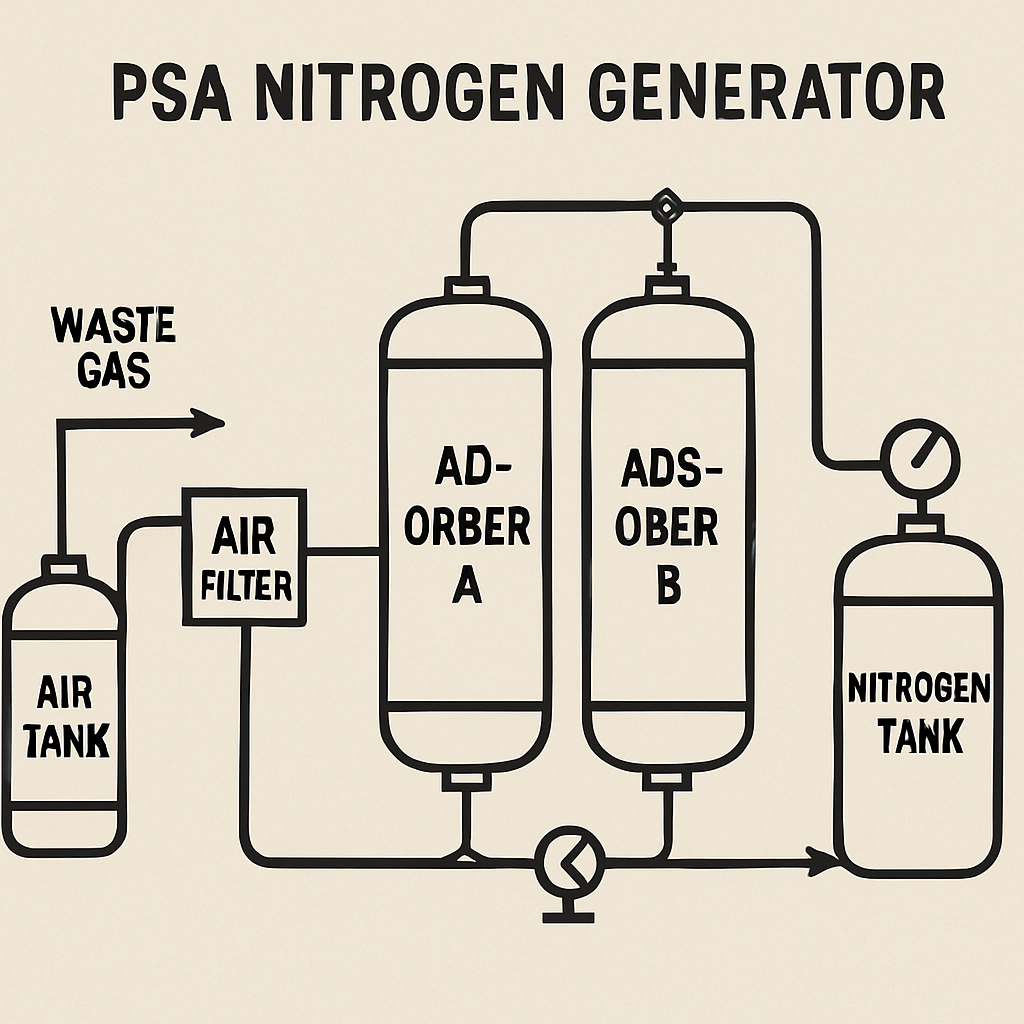
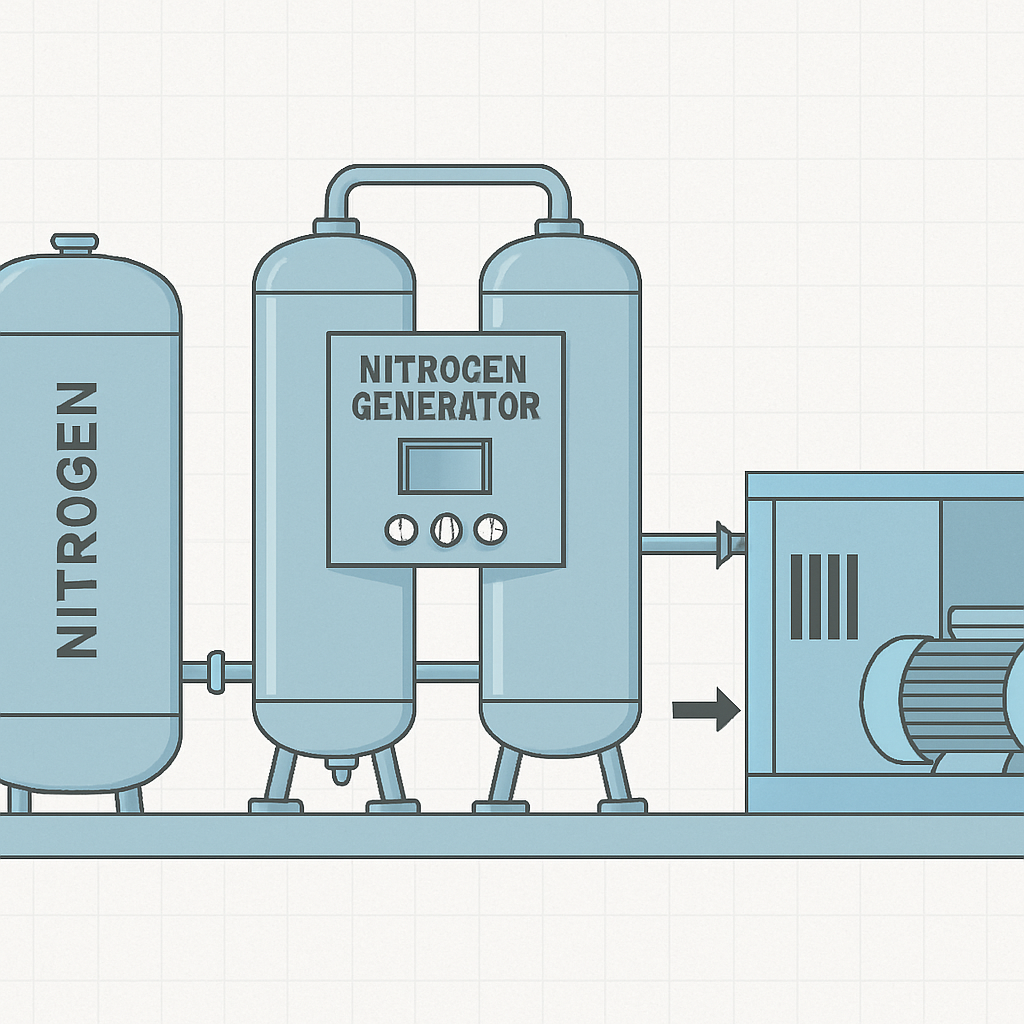
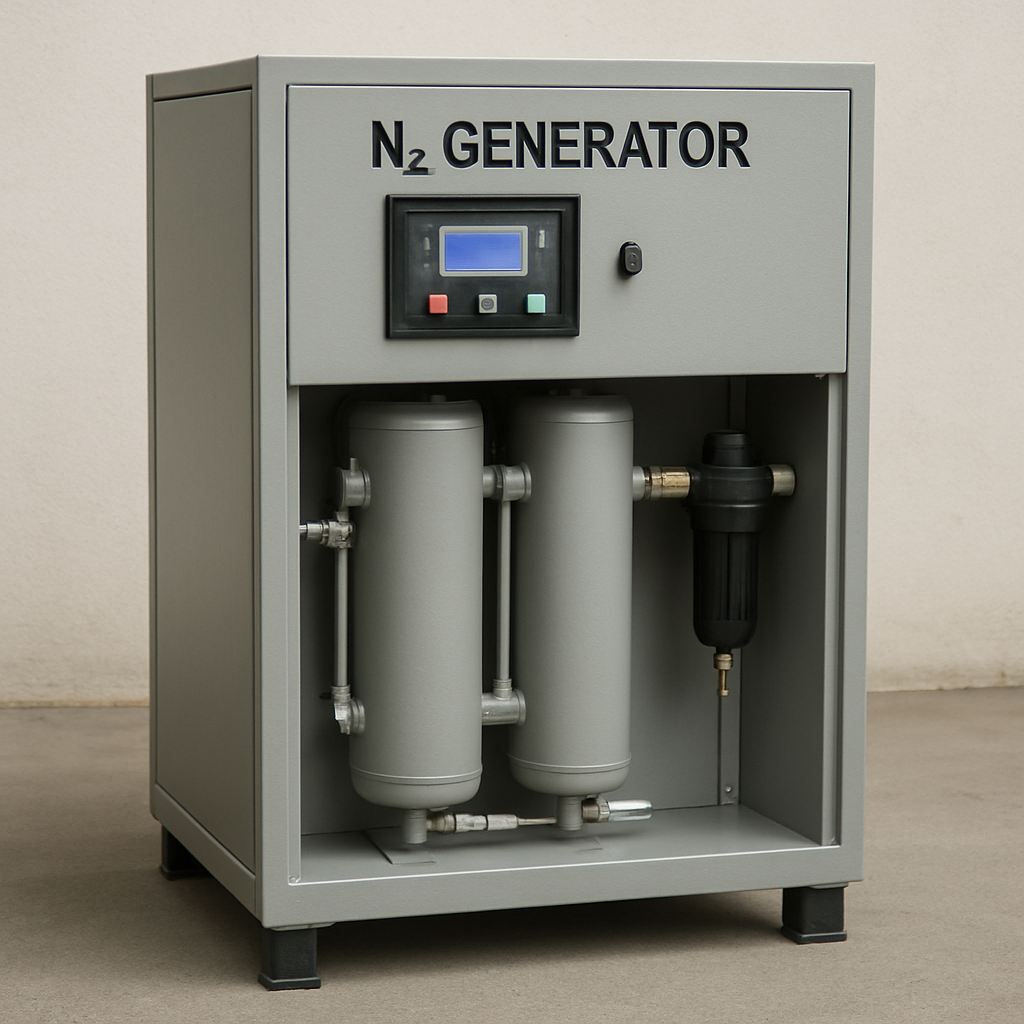
In the fast-paced world of scientific research and industrial applications, efficiency and reliability are paramount. One essential tool that has gained traction in laboratories across the globe is the lab nitrogen generator. But what exactly is a nitrogen generator, and why should your lab consider using one? This article will delve into the various benefits of using a lab nitrogen generator, highlighting how it can transform your laboratory processes. A lab nitrogen generator is a piece of equipment designed to produce nitrogen gas on-site from ambient air. By using processes like Pressure Swing Adsorption (PSA) or membrane filtration, these generators separate nitrogen molecules from the air, delivering a steady and reliable supply of high-purity nitrogen gas. The Advantages of On-Site Nitrogen Production Cost Savings One of the most significant benefits of using a lab nitrogen generator is the reduction in costs. Traditional methods of nitrogen supply, such as gas cylinders or liquid nitrogen tanks, can be expensive. These methods involve ongoing costs related to delivery, storage, and rental fees. In contrast, a nitrogen generator allows labs to produce nitrogen as needed, eliminating these recurring expenses. Continuous Supply With a lab nitrogen generator, you have an uninterrupted supply of nitrogen gas. This continuous production ensures that your lab operations run smoothly without the risk of delays due to cylinder changeovers or delivery schedules. The convenience of having an on-demand nitrogen source cannot be overstated, especially in research settings where time is of the essence. Enhanced Safety Handling and storing high-pressure gas cylinders or liquid nitrogen tanks come with inherent risks. Cylinders can be heavy and cumbersome to move, posing potential hazards to lab personnel. Additionally, there is always a risk of leaks or accidental exposure to liquid nitrogen, which can be dangerous. A lab nitrogen generator minimizes these risks by producing nitrogen gas at low pressures, significantly reducing the potential for accidents. This improvement in safety protocols not only protects lab personnel but also enhances overall lab safety standards. Environmental Benefits Reduced Carbon Footprint By producing nitrogen on-site, labs can significantly decrease their carbon footprint. The transportation and delivery of nitrogen cylinders contribute to greenhouse gas emissions. A nitrogen generator eliminates the need for these deliveries, thereby supporting eco-friendly lab practices. Energy Efficiency Modern nitrogen generators are designed with energy efficiency in mind. They consume less energy compared to the energy required to produce, transport, and store nitrogen in traditional methods. This efficiency translates to lower operational costs and a more sustainable approach to lab operations. Improved Quality Control When using a nitrogen generator, labs can have greater control over the purity and flow of nitrogen gas. This control is crucial for experiments and applications that require specific gas quality standards. With a nitrogen generator, you can adjust the settings to meet these requirements, ensuring consistent and reliable results every time. Customizable Output Nitrogen generators offer customizable output levels to meet the specific needs of different lab applications. Whether you require high-purity nitrogen for sensitive instruments or a higher flow rate for larger-scale operations, a nitrogen generator can be adjusted accordingly. This flexibility is invaluable for labs with diverse applications and changing requirements. Applications of Lab Nitrogen Generators […]
nitrogen generator

Benefits of High Purity Nitrogen Generators

In today’s fast-paced industrial world, maintaining efficiency, reducing costs, and ensuring safety are paramount for businesses. One way to achieve these goals is by utilizing high purity nitrogen generators. But what exactly are nitrogen generators, and why are they so beneficial? Let’s dive into the world of nitrogen gas generators and explore their advantages. Nitrogen generators are devices that produce nitrogen gas from the air around us. The air we breathe is composed of approximately 78% nitrogen, 21% oxygen, and 1% other gases. Nitrogen generators work by separating nitrogen molecules from the rest of the air components, providing a continuous supply of nitrogen gas on-site. Types of Nitrogen Generators There are primarily two types of nitrogen generators: Pressure Swing Adsorption (PSA) and Membrane Technology. Key Benefits of High Purity Nitrogen Generators Cost Efficiency One of the most significant benefits of high purity nitrogen generators is cost efficiency. Traditionally, businesses have relied on bulk deliveries of nitrogen gas, which involves substantial transportation and storage costs. With on-site nitrogen generation, companies can eliminate these expenses, leading to significant savings. Continuous Supply Relying on external suppliers for nitrogen can lead to supply chain disruptions. High purity nitrogen generators provide a continuous supply of nitrogen gas, ensuring that your operations never face downtime due to a lack of resources. Enhanced Safety Storing large quantities of nitrogen gas can pose safety risks, including leaks and potential accidents. By generating nitrogen on-site, companies can minimize these risks. On-site nitrogen generation reduces the need for handling high-pressure gas cylinders, improving overall workplace safety. Environmental Impact High purity nitrogen generators have a positive environmental impact. By reducing the need for transportation and storage, they decrease carbon emissions associated with delivering nitrogen gas. Moreover, these generators only produce the amount of nitrogen required, minimizing waste. Versatility Nitrogen gas generators are incredibly versatile and can be used across various industries, including food packaging, pharmaceuticals, electronics, and more. The ability to produce nitrogen on demand means that businesses can easily adjust to changing needs without waiting for deliveries. High Purity Levels by Simone Hutsch (https://unsplash.com/@heysupersimi) High purity nitrogen generators can achieve nitrogen purities of up to 99.999%, making them suitable for industries with stringent purity requirements. This level of purity ensures that the nitrogen used in processes does not introduce contaminants, maintaining product quality and integrity. Applications of High Purity Nitrogen Generators Food and Beverage Industry

nitrogen generator

Applications of Nitrogen Generators in Various Fields

When we think about nitrogen, we often consider its abundance in the air. However, its role in various industries is invaluable, especially when it comes to its generation and application. Nitrogen generators have become indispensable tools across a range of fields, providing reliable and cost-effective solutions for producing this crucial gas. In this article, we’ll explore the different applications of nitrogen generators and how they contribute to efficiency and innovation in various sectors. Nitrogen generators are devices that separate nitrogen from other gases found in the air. They work using methods like pressure swing adsorption (PSA) or membrane technology to produce high-purity nitrogen on-site. This process eliminates the need for storing and transporting nitrogen in bulky cylinders, making it a more convenient and sustainable option for many industries. Industrial Manufacturing Metal Fabrication In metal fabrication, nitrogen generators are utilized to create an inert atmosphere during laser cutting and welding processes. The presence of nitrogen prevents oxidation and discoloration of metals, resulting in cleaner and smoother finishes. This application enhances the quality of metal products while reducing production costs. Electronics Manufacturing The electronics industry also benefits from nitrogen generation systems. During soldering processes, nitrogen is used to create an inert environment, which helps minimize oxidation and improve solder joint quality. This results in more reliable and durable electronic components. Food and Beverage Industry Food Packaging Nitrogen is widely used in the food packaging industry to extend the shelf life of products. By replacing oxygen with nitrogen in packaging, the growth of bacteria and spoilage is slowed down, keeping food fresh for longer periods. Nitrogen generators provide a steady supply of nitrogen for this purpose, ensuring consistent quality and safety of packaged goods. Beverage Production In beverage production, nitrogen is used to prevent oxidation during the bottling process. This is particularly important for preserving the taste and quality of beverages like wine and beer. With a nitrogen generation system, breweries and wineries can maintain the integrity of their products more efficiently. Healthcare and Pharmaceuticals Medical Applications In the healthcare sector, nitrogen is used for various medical applications, including cryopreservation of biological samples and creating a controlled atmosphere for certain medical procedures. Nitrogen generators ensure a reliable source of high-purity nitrogen, which is critical for these sensitive applications. Pharmaceutical Manufacturing Nitrogen generators play a vital role in pharmaceutical manufacturing by providing an inert environment during the production of drugs. This helps in maintaining the stability and efficacy of pharmaceutical products by preventing oxidation and contamination. Oil and Gas Industry by t Penguin (https://unsplash.com/@tpenguin) In the oil and gas industry, nitrogen is used for pressure testing pipelines and enhancing oil recovery. Nitrogen generators offer a cost-effective and efficient solution for these applications, eliminating the need for transporting liquid nitrogen to remote locations. This not only reduces costs but also ensures a steady supply of nitrogen on demand.

nitrogen generator

Choosing the Right Nitrogen Generator for Sprinklers

Understanding how to choose the right nitrogen generator for your fire sprinkler system is crucial for ensuring optimal performance and longevity. With the right generator, you can prevent corrosion, reduce maintenance costs, and enhance the reliability of your fire sprinkler system. In this article, we will explore the key considerations and benefits of selecting the appropriate nitrogen generator for your needs. Understanding Fire Sprinkler Systems Before delving into the specifics of nitrogen generators, it’s important to have a basic understanding of fire sprinkler systems. These systems are designed to automatically extinguish or control fires in buildings, protecting lives and property. Components of a Fire Sprinkler System A typical fire sprinkler system includes: The Role of Nitrogen in Fire Sprinkler Systems Nitrogen generators play a vital role in dry or pre-action fire sprinkler systems. These systems are filled with pressurized air or nitrogen to prevent water from entering the pipes until a fire is detected. Using nitrogen instead of air helps to: Why Choose a Nitrogen Generator? When selecting a nitrogen generator for your sprinkler system, consider the following benefits: Corrosion Prevention Corrosion is a major concern for fire sprinkler systems, leading to leaks, reduced water flow, and potential system failure. Nitrogen generators effectively reduce oxygen levels within the system, minimizing the risk of corrosion. Cost-Effectiveness By preventing corrosion, nitrogen generators help extend the life of your fire sprinkler system, reducing the need for costly repairs and replacements. Additionally, they lower the frequency of maintenance checks, saving both time and money. Enhanced Reliability A nitrogen generator ensures consistent system pressure and prevents moisture accumulation, improving the overall reliability and responsiveness of your fire sprinkler system. Key Factors to Consider When Choosing a Nitrogen Generator Selecting the right nitrogen generator involves several important considerations. Here are some key factors to keep in mind: System Size and Requirements The size of your fire sprinkler system and its specific requirements will largely determine the type of nitrogen generator you need. Consider the following: Purity Levels

nitrogen generator

Choosing the Right Small Nitrogen Generator

If you’re in the market for a small nitrogen generator, you might be wondering how to select the right one for your needs. With various options available, understanding what to look for can make your decision much easier. In this guide, we’ll break down the key factors to consider when choosing a small nitrogen generator, ensuring you select the best fit for your operation. Understanding Nitrogen Generators Before diving into specifics, it’s essential to grasp what a nitrogen generator does. Simply put, a nitrogen generator is a device that separates nitrogen from other gases in the air. This process provides a continuous supply of nitrogen, which is critical for various industrial applications. Unlike traditional methods that rely on nitrogen tanks, a nitrogen generator offers a more sustainable and cost-effective solution. Types of Nitrogen Generators There are primarily two types of nitrogen generators: membrane and pressure swing adsorption (PSA). Understanding the differences between these types can help you decide which one is more suitable for your needs. Membrane Nitrogen Generators Membrane nitrogen generators use a series of hollow fibers to separate nitrogen from compressed air. This type is generally more compact and easier to maintain. They are often used in applications where high purity is not a primary concern. Pressure Swing Adsorption (PSA) Nitrogen Generators PSA nitrogen generators, on the other hand, use a process that involves adsorbing oxygen and other gases onto a material known as a molecular sieve. This method can achieve higher purity levels, making it suitable for applications where high-purity nitrogen is necessary. Key Factors to Consider When selecting a small nitrogen generator, there are several factors you should consider. Each of these plays a crucial role in ensuring that the generator meets your specific requirements. Purity Levels One of the most critical factors is the purity level of the nitrogen. Different applications require different levels of nitrogen purity. For instance, food packaging might require lower purity, while pharmaceutical applications could demand higher levels. Make sure to identify the purity requirement for your specific use to select the appropriate generator. Flow Rate The flow rate, measured in liters per minute (LPM) or cubic feet per hour (CFH), indicates how much nitrogen a generator can produce within a given time. Depending on your operational needs, you might need a generator with a higher or lower flow rate. Assess your peak demand to ensure the generator can supply enough nitrogen without running continuously at maximum capacity. Size and Footprint The physical size of the generator and its footprint is another important consideration. Ensure that the generator fits within the available space in your facility. Compact designs are available if space is limited, but always balance size with performance to avoid compromising on critical features. Maintenance and Operating Costs Running a nitrogen generator involves both initial and ongoing costs. Evaluate the maintenance requirements and the cost of consumables, like filters, to understand the long-term financial commitment. Some models might have a higher upfront cost but lower ongoing expenses, which can be beneficial over time. Benefits of Small Nitrogen Generators

psa nitrogen generator manufacturers
nitrogen generator

Top PSA Nitrogen Generator Manufacturers Reviewed

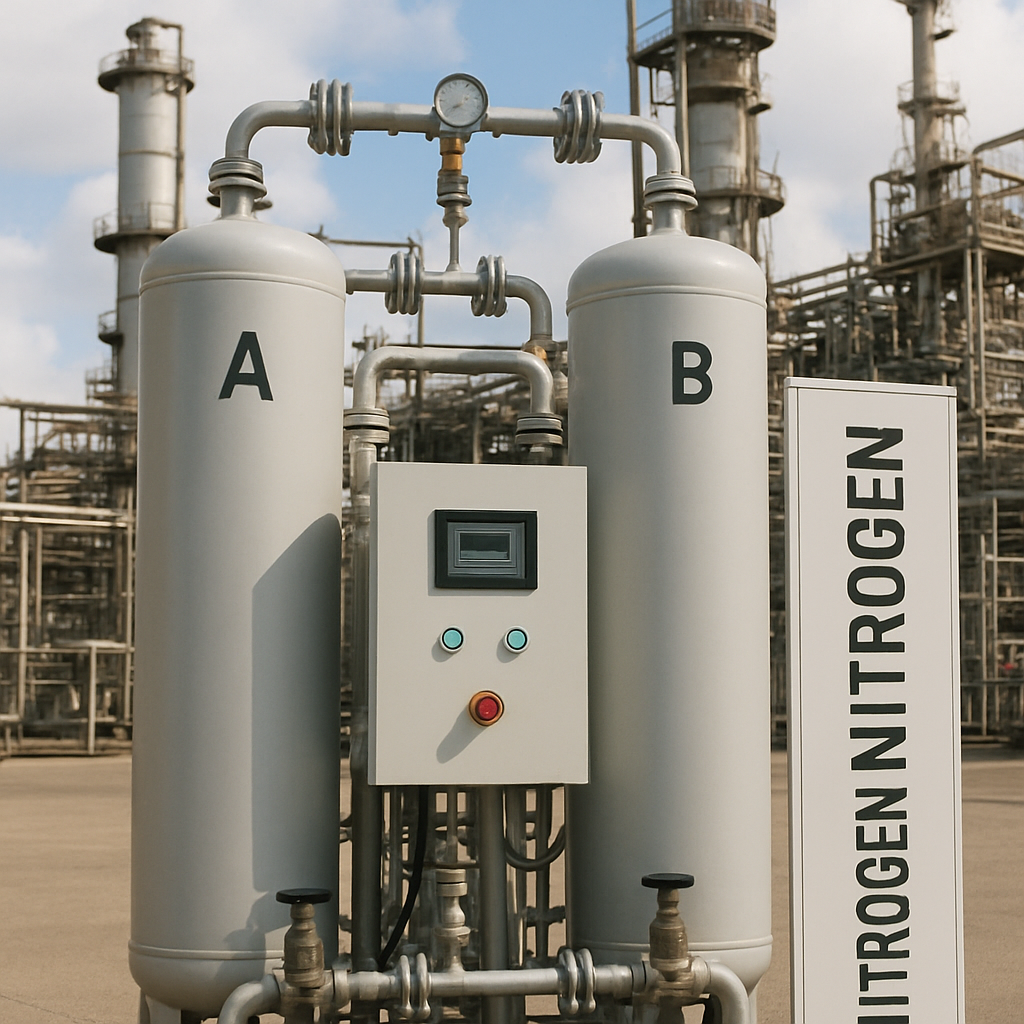
In the world of industrial applications, nitrogen is a critical component. It’s used in everything from food packaging to pharmaceuticals, electronics manufacturing, and metal processing. As the demand for nitrogen continues to grow, businesses are increasingly turning to PSA (Pressure Swing Adsorption) nitrogen generators as an efficient and cost-effective solution for on-site nitrogen production. In this article, we’ll review some of the top PSA nitrogen generator manufacturers, helping you make an informed decision when selecting a partner for your nitrogen generation needs. Before diving into the manufacturers, it’s essential to understand what PSA nitrogen generators are and how they work. These systems use a process called pressure swing adsorption to separate nitrogen molecules from the other gases in the air. The generators consist of two towers filled with carbon molecular sieve (CMS). As compressed air passes through the CMS, oxygen molecules are adsorbed, allowing nitrogen to pass through as the primary output. This process creates a high-purity nitrogen stream, perfect for various industrial applications. Benefits of PSA Nitrogen Generators PSA nitrogen generators offer several advantages over traditional methods of nitrogen supply, such as gas cylinders or liquid nitrogen tanks. Here are some key benefits: Top PSA Nitrogen Generator Manufacturers Now that we have a basic understanding of PSA nitrogen generators, let’s explore some of the top manufacturers in the industry. Parker Hannifin Parker Hannifin is a wellknown name in the field of motion and control technologies. Their nitrogen generation systems are designed to meet a wide range of industrial needs. Parker’s PSA nitrogen generators are known for their reliability, efficiency, and ease of use. Their systems are equipped with advanced features such as energy-saving modes and remote monitoring capabilities. Atlas Copco Atlas Copco is a global leader in compressed air solutions and offers a comprehensive range of PSA nitrogen generators. Their systems are renowned for their innovative design, high performance, and energy efficiency. Atlas Copco’s nitrogen generators are suitable for various industries, including food and beverage, electronics, and automotive. Inmatec Inmatec is a specialized manufacturer focusing on on-site gas generation. Their PSA nitrogen generators are designed to deliver high-purity nitrogen with exceptional reliability. Inmatec offers customizable solutions to cater to the unique needs of different industries, ensuring optimal performance and cost savings. Oxymat Oxymat has been in the business of gas generation since 1978, and their expertise is evident in their PSA nitrogen generators. They offer a wide range of systems designed to meet the needs of industries such as oil and gas, pharmaceuticals, and electronics. Oxymat’s systems are known for their robustness, efficiency, and low maintenance requirements. Yuhan Yuhan is a global leader in industrial gases and engineering solutions. Their PSA nitrogen generators are designed to provide high-purity nitrogen with maximum efficiency. yuhan’s systems are equipped with advanced monitoring and control features, ensuring seamless integration into your existing operations. Factors to Consider When Choosing a PSA Nitrogen Generator Manufacturer When selecting a PSA nitrogen generator manufacturer, there are several factors to consider:

nitrogen generator

Future Trends in Nitrogen Generation Technology

In recent years, the demand for on-site nitrogen generation has been on the rise across various industries. With advancements in technology, the methods to produce nitrogen have become more efficient, cost-effective, and environmentally friendly. One of the most popular methods is pressure swing adsorption (PSA) nitrogen generation. As we look to the future, several trends are emerging in nitrogen generation technology that promise to revolutionize the industry. Pressure swing adsorption (PSA) is a technology used to separate certain gases from a mixture of gases under pressure according to the species’ molecular characteristics and affinity for an adsorbent material. It operates at near-ambient temperatures and differs significantly from cryogenic distillation techniques of gas separation. PSA is commonly used for nitrogen generation because it offers several advantages, including energy efficiency and cost-effectiveness. Understanding PSA Nitrogen Generation PSA nitrogen generation systems use a material known as a carbon molecular sieve (CMS) to separate nitrogen molecules from other gases, primarily oxygen, in the air. The process involves cycling between high pressure, where oxygen is adsorbed onto the CMS, and low pressure, where the CMS is regenerated. This cycling allows for a continuous flow of high-purity nitrogen. Advantages of PSA Technology Emerging Trends in Nitrogen Generation As technology continues to evolve, several trends are shaping the future of nitrogen generation technology: Integration with IoT and Smart Systems One of the most significant trends is the integration of nitrogen generation systems with the Internet of Things (IoT). By incorporating IoT, systems can offer real-time monitoring and control, leading to increased operational efficiency and reduced downtime. Smart systems can predict maintenance needs and optimize performance based on real-time data, allowing businesses to reduce costs and improve productivity. Enhanced Energy Efficiency Energy consumption is a major concern for industrial operations. Future nitrogen generation systems are focusing on enhancing energy efficiency to reduce environmental impact and operational costs. Innovations such as advanced CMS materials and optimized cycle times are being developed to minimize energy usage while maintaining high nitrogen purity. Customization and Flexibility As industries become more specialized, the demand for customized nitrogen generation solutions is increasing. Future systems are expected to offer greater flexibility in terms of output rates, purity levels, and integration with existing processes. This customization will allow businesses to tailor nitrogen generation to their specific needs, enhancing efficiency and effectiveness. Environmental Considerations With growing emphasis on sustainability, future nitrogen generation systems are being designed with environmental considerations in mind. This includes reducing emissions, minimizing waste, and improving the recyclability of system components. As regulations tighten, businesses are increasingly looking for eco-friendly nitrogen generation options. Applications Across Industries Nitrogen generation technology is critical across a wide range of industries. Here are a few examples of how it is being used and how future trends may impact these applications: Food and Beverage In the food and beverage industry, nitrogen is used for packaging, preservation, and processing. The trend towards more sustainable packaging solutions is driving the demand for on-site nitrogen generation systems that are efficient and environmentally friendly. Electronics and Manufacturing

nitrogen generator

How Onsite Nitrogen Generation Saves Costs

In today’s competitive industrial landscape, cost efficiency is paramount. One area where companies can make significant savings is in their nitrogen supply. Traditional methods of obtaining nitrogen, such as bulk delivery, can be costly and logistically challenging. However, advancements in gas generation equipment have made onsite nitrogen generation a viable and cost-effective alternative. The nitrogen generation process involves extracting nitrogen from the air, which is composed of approximately 78% nitrogen. Onsite nitrogen gas generation systems typically use two main technologies: Pressure Swing Adsorption (PSA) and Membrane Technology. PSA is a popular method for nitrogen generation. It involves using a material called a carbon molecular sieve that adsorbs oxygen under pressure, allowing nitrogen to pass through. By alternating between pressurized and depressurized states, the system continuously produces nitrogen. Membrane technology, on the other hand, uses a series of hollow fibers that separate nitrogen from other gases in the air. As compressed air passes through these fibers, nitrogen molecules are separated and collected, while other gases are vented out. Both methods are effective, but the choice between them depends on specific requirements, such as purity levels and volume needs. Switching to onsite nitrogen generation comes with several advantages that contribute to substantial cost savings. One of the most significant benefits is the reduction in operational costs. Traditional nitrogen supply methods involve transportation, storage, and labor costs. By generating nitrogen onsite, companies can eliminate these expenses. There’s no need for delivery trucks or storage tanks, which translates to immediate savings. Onsite nitrogen generation systems are designed to be efficient and reliable. They provide a consistent nitrogen supply, reducing the risk of production downtime caused by delayed deliveries or supply chain issues. This reliability is crucial for industries where nitrogen is essential for daily operations. Different industries require varying levels of nitrogen purity. Onsite systems allow for customization, enabling businesses to adjust the purity levels according to their specific needs. This flexibility ensures that companies only use the necessary amount of nitrogen, avoiding over-specification and wastage. Onsite nitrogen generation not only saves money but also positively impacts the environment. By eliminating the need for transportation and reducing energy consumption, onsite nitrogen generation significantly lowers a company’s carbon footprint. This reduction aligns with global efforts to minimize environmental impact and can enhance a company’s reputation as an environmentally responsible entity. Traditional nitrogen supply methods require considerable resources, including fuel for transportation and materials for storage. Onsite generation reduces the demand for these resources, contributing to overall sustainability. Implementing an onsite nitrogen generation system requires careful planning and consideration. Here are some factors to keep in mind: While the initial investment for gas generation equipment can be significant, the long-term savings often outweigh the upfront costs. Companies should conduct a cost-benefit analysis to understand the potential return on investment. Businesses need to evaluate the space and infrastructure required for installing nitrogen generation equipment. Some systems may require modifications to existing facilities, which could incur additional costs. Regular maintenance is essential to ensure the system operates efficiently. Companies should factor in the cost of maintenance and consider service agreements with equipment providers to keep the system running smoothly. Several industries have successfully implemented onsite nitrogen generation, reaping significant cost savings. In the food packaging industry, nitrogen is used to displace oxygen in packaging to extend shelf life. A major food packaging company switched to onsite nitrogen generation, reducing its nitrogen costs by 40%. The consistent supply also improved operational efficiency and reduced waste. Electronics manufacturers use nitrogen in soldering processes to prevent oxidation. One electronics company installed a PSA nitrogen generator and saw a return on investment within two years due to savings on nitrogen purchases and improved production uptime. Onsite nitrogen generation offers a compelling solution for companies looking to reduce costs and improve operational efficiency. By investing in gas generation equipment, businesses can achieve substantial savings, customize nitrogen supply to their needs, and contribute to environmental sustainability. As industries continue to seek ways to optimize resources and minimize expenses, onsite nitrogen generation stands out as a practical and effective strategy.

Nitrogen Generators for Chemical Industry
nitrogen generator

Nitrogen Generators for Chemical Industry

In the chemical industry, nitrogen plays a crucial role in ensuring safe and efficient operations. Nitrogen generators have become an essential tool for companies looking to optimize their processes. This article will explore the importance of nitrogen generators in the chemical industry, how they work, and the benefits they offer. Understanding Nitrogen Generators What Are Nitrogen Generators? Nitrogen generators are systems designed to produce nitrogen gas from the air. They use various technologies to separate nitrogen from other gases, primarily oxygen, resulting in high-purity nitrogen gas suitable for industrial use. How Do Nitrogen Generators Work? Nitrogen generators primarily use two technologies: Pressure Swing Adsorption (PSA) and Membrane Technology. Both methods are effective in producing nitrogen gas, but they operate differently. Importance of Nitrogen in the Chemical Industry Purging and Blanketing One of the primary uses of nitrogen in the chemical industry is purging and blanketing. Purging involves removing oxygen and other reactive gases from equipment and pipelines, preventing unwanted chemical reactions. Blanketing, on the other hand, involves covering volatile chemicals with a layer of nitrogen to prevent contact with oxygen. Inerting Nitrogen is used to create an inert atmosphere to prevent combustion and explosions during chemical processes. This is particularly important when handling flammable substances or conducting reactions that produce heat. Pressure Transfer Nitrogen gas is also used to transfer liquids from one container to another by applying pressure. This method is safe and efficient, especially for transferring hazardous chemicals. Benefits of Using Nitrogen Generators Cost-Effectiveness Nitrogen generators provide a cost-effective solution for producing nitrogen on-site. By generating their own nitrogen, chemical plants can reduce dependency on external suppliers and eliminate the costs associated with transporting and storing nitrogen gas. Improved Safety Using nitrogen generators enhances safety in chemical plants. The ability to produce nitrogen on demand reduces the risk of running out of gas during critical operations. Moreover, on-site generation minimizes the handling of high-pressure nitrogen cylinders, reducing the potential for accidents. Environmental Benefits Generating nitrogen on-site reduces the carbon footprint associated with the transportation of nitrogen gas. Additionally, nitrogen generators optimize energy usage, making them a more environmentally friendly option compared to traditional supply methods.

nitrogen generator for pharmaceutical industry
nitrogen generator

Nitrogen Generator for Pharmaceutical Industry

In the pharmaceutical industry, precision and purity are paramount. The quality of gases used in various processes can significantly affect the end product’s safety and efficacy. One such gas, nitrogen, plays a crucial role in pharmaceutical applications. This article explores the importance of nitrogen generators in the pharmaceutical industry, detailing their types, benefits, and applications. Nitrogen generators are devices that produce nitrogen gas from ambient air. They offer a more convenient and cost-effective solution compared to traditional methods of nitrogen supply, such as gas cylinders or liquid nitrogen tanks. By utilizing advanced technologies, these systems ensure a continuous supply of high-purity nitrogen essential for various industrial applications. Types of Nitrogen Generators There are primarily two types of nitrogen generation systems used in the pharmaceutical industry: Why Nitrogen Generators are Vital in Pharmaceuticals Ensuring Product Purity and Safety In the pharmaceutical industry, nitrogen is used to create an inert atmosphere during various stages of drug manufacturing. This prevents oxidation and contamination, ensuring the final product’s purity and safety. Nitrogen generators provide a reliable source of high-purity nitrogen, vital for maintaining stringent quality standards. Cost-Effectiveness and Efficiency Traditional nitrogen supply methods, such as gas cylinders, can be costly and cumbersome. Frequent deliveries and handling pose logistical challenges and increase operational costs. Nitrogen generation systems, on the other hand, offer an on-demand, continuous supply of nitrogen, significantly reducing costs and improving operational efficiency. Environmental and Safety Benefits Using nitrogen generators reduces the carbon footprint associated with transporting gas cylinders. Additionally, eliminating the need for handling high-pressure cylinders enhances workplace safety. The systems are designed to minimize energy consumption, making them an environmentally friendly option. Applications of Nitrogen in the Pharmaceutical Industry Drug Packaging Nitrogen is used in the packaging process to displace oxygen and moisture, which can degrade pharmaceutical products. This inert atmosphere extends the shelf life of drugs and ensures their efficacy over time. Blanketing and Purging In pharmaceutical manufacturing, nitrogen is used for blanketing and purging processes. Blanketing involves covering the surface of a liquid with a layer of nitrogen to prevent oxidation, while purging removes unwanted gases from equipment and pipelines, maintaining product integrity. Fermentation Processes Nitrogen is utilized in fermentation processes to maintain an optimal environment for microbial growth. The controlled atmosphere provided by nitrogen generators enhances product yield and quality. Quality Control and Testing High-purity nitrogen is essential for various analytical and testing procedures in the pharmaceutical industry. It ensures accurate results in quality control tests, critical for complying with regulatory standards.

Scroll to Top