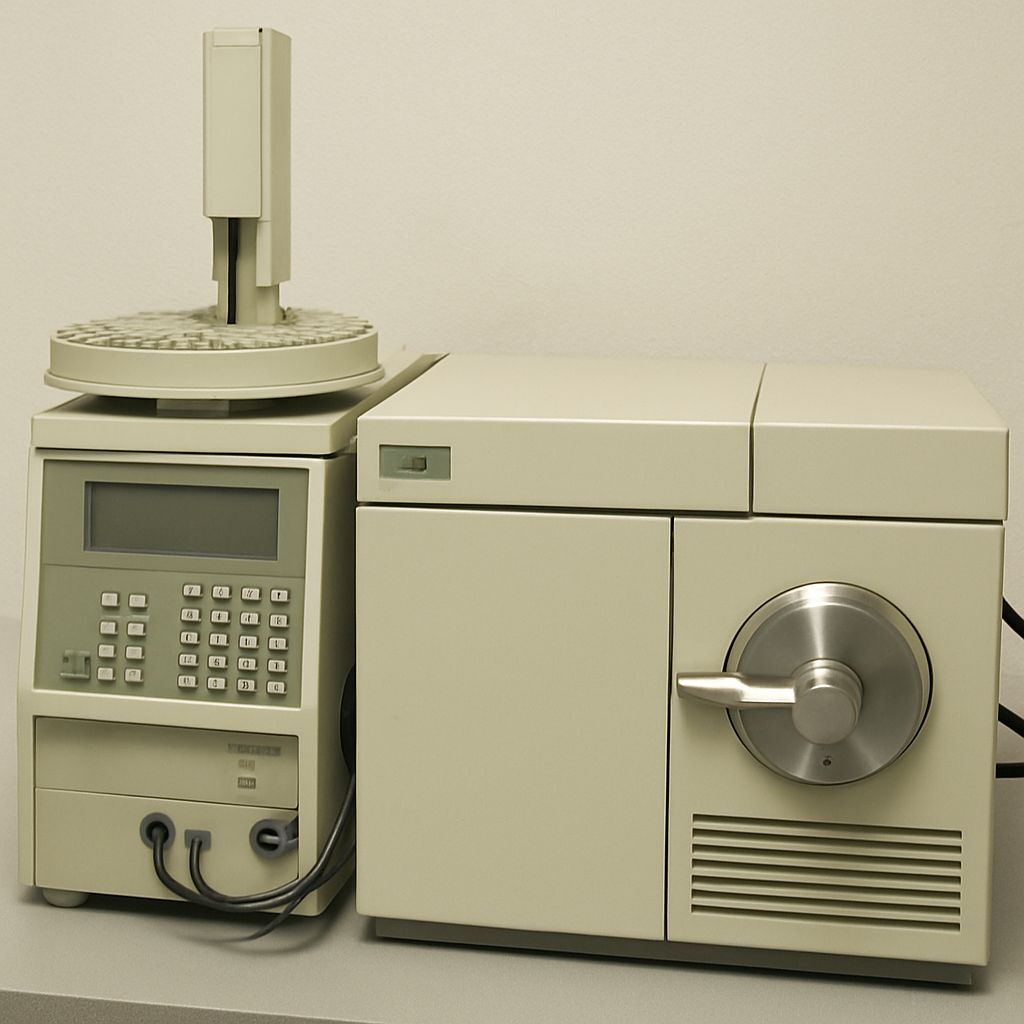
gas mass spectrometer

gas spectrometry
gas mass spectrometer

Understanding the Basics of Gas Spectrometry

Gas spectrometry is a sophisticated method used to analyze chemical substances at a molecular level. It provides a detailed breakdown of a sample’s composition, allowing scientists to understand not only what compounds are present but also in what quantities. This is crucial in fields like environmental science, pharmaceuticals, and forensics, where precise measurements can be the difference between success and failure in research and application. By offering such detailed insights, gas spectrometry plays a critical role in advancing scientific understanding and technological development. Gas Chromatography: The First Step The first part of gas spectrometry is gas chromatography, a process akin to unraveling the components of a complex puzzle. Imagine you’re trying to separate colored dyes in a mixture. Gas chromatography does something similar but with gases or volatile liquids. Here’s how it works: This process results in a chromatogram, a visual output showing peaks that represent different compounds in the sample. Each peak provides valuable information about the compound it represents, including its concentration and potential identity. Mass Spectrometry: The Second Step After gas chromatography, we move on to mass spectrometry, which takes the process a step further by focusing on the detailed identification and quantification of the compounds separated in the first step. Here’s how mass spectrometry works: The result is a mass spectrum, a chart displaying the masses of the ions and their relative abundance. This spectrum provides a wealth of information that helps scientists identify and quantify the compounds present. Why is Gas Spectrometry Important? Gas spectrometry is incredibly useful because it provides detailed information about complex mixtures. It is not just about identifying compounds; it’s about understanding the intricacies of chemical interactions and their implications in various fields. Let’s explore a few of its applications. Environmental Monitoring Gas spectrometry is widely used in environmental science to tackle some of the most pressing issues of our time. It helps monitor air and water quality by identifying pollutants and measuring their concentrations. This information is critical for ensuring that environments remain safe and healthy for humans and wildlife. By providing precise data on pollutants, gas spectrometry aids in the creation of effective environmental policies and regulations. It also plays a crucial role in assessing the impact of human activities on natural ecosystems, allowing for informed decisions to be made to protect our planet. Pharmaceutical Industry by Mufid Majnun (https://unsplash.com/@mufidpwt) In the pharmaceutical industry, gas spectrometry ensures the safety and efficacy of drugs, which is paramount for public health. It identifies impurities in drug formulations and verifies the purity of active ingredients. This ensures that medications are safe for consumption and effective in treating illnesses. The ability to detect even trace amounts of impurities is vital for maintaining high-quality standards in drug manufacturing. Furthermore, gas spectrometry is used in the research and development phase to optimize drug formulations and enhance therapeutic outcomes. Forensic Science Forensic scientists use gas spectrometry to analyze substances found at crime scenes, providing crucial evidence in criminal investigations. It helps identify unknown chemicals and can even detect trace amounts of drugs or explosives. This information is crucial for solving crimes and securing convictions, as it can definitively link suspects to criminal activities. The precision and reliability of gas spectrometry make it an indispensable tool in the justice system, where accuracy can determine the outcome of legal proceedings. How to Interpret Gas Spectrometry Results Understanding the results of gas spectrometry involves reading chromatograms and mass spectra. While these outputs may seem complex at first glance, they provide a wealth of information when properly interpreted. Here’s a basic guide: Reading a Chromatogram A chromatogram displays peaks, each representing a different compound. The position of a peak on the x-axis indicates the retention time, or how long it took the compound to travel through the column. The height of the peak shows the concentration of the compound. By analyzing these peaks, scientists can deduce the presence and quantity of various compounds in a sample. This information is vital for applications ranging from quality control in manufacturing to environmental monitoring. […]
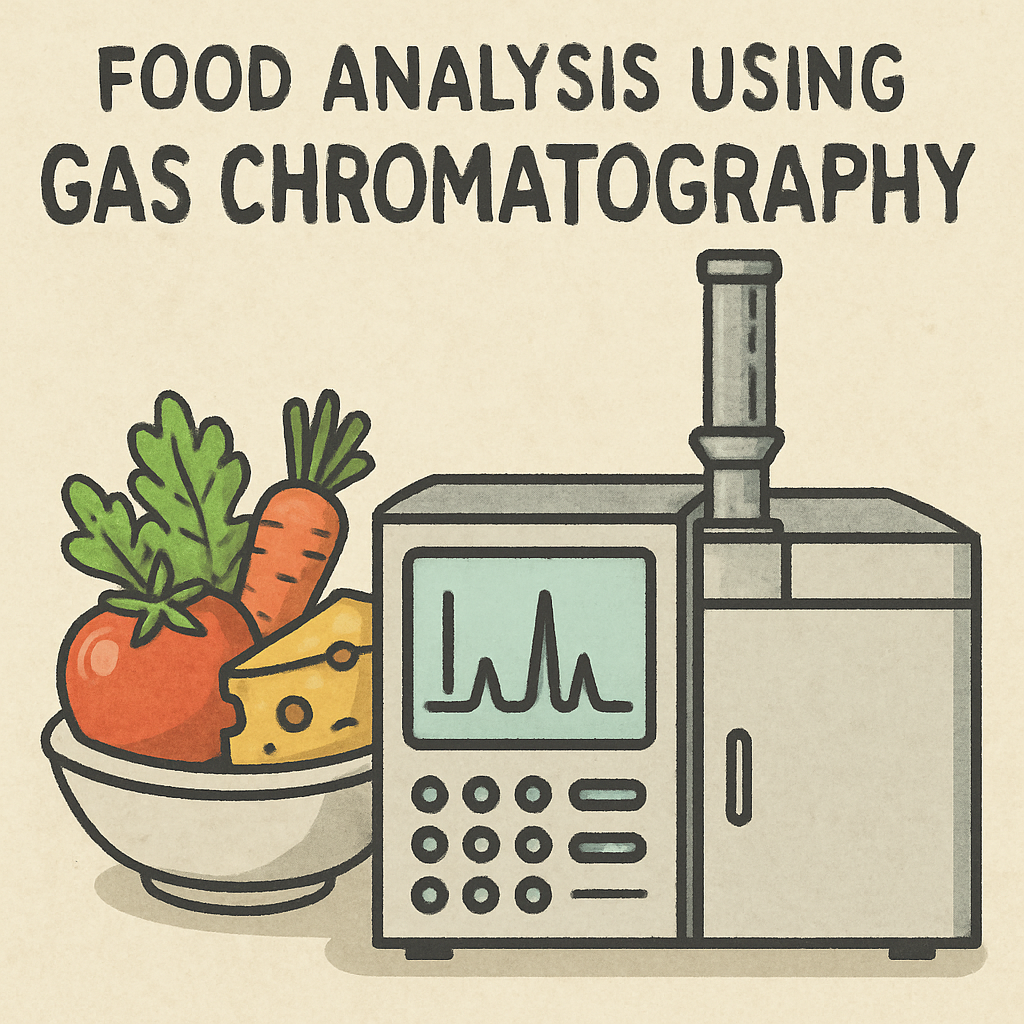
chromatography gas
gas mass spectrometer

Chromatography Gas: Principles and Applications

# Chromatography Gas: Principles and Applications #buy nitrogen generators: Contact Us Gas chromatography is a powerful tool in analytical chemistry used to separate and analyze compounds that can be vaporized without decomposition. In this article, we will delve into the principles behind gas chromatography, explore its applications, and understand why it is a valuable technique in various industries. Gas chromatography, often abbreviated as GC, involves the separation of volatile substances based on their distribution between a stationary phase and a mobile phase. The stationary phase is typically a liquid or polymer on an inert solid support, packed within a column. The mobile phase is an inert gas, often helium or nitrogen, that carries the sample through the column. The Basic Components of Gas Chromatography A typical gas chromatography system consists of several key components: How Gas Chromatography Works The process begins when a small amount of sample is injected into the system. The sample is vaporized and carried by the gas through the column. As the sample travels through the column, different compounds within it interact with the stationary phase. This interaction causes them to move at different speeds, resulting in separation. When the separated compounds exit the column, they are detected and recorded by the detector. The time it takes for each compound to pass through the column, known as the retention time, is unique and helps in identifying the compound. Applications of Gas Chromatography Gas chromatography is widely used due to its efficiency and versatility. Here are some of its key applications: Environmental Analysis Gas chromatography plays a crucial role in monitoring environmental pollutants. It is used to detect and quantify volatile organic compounds (VOCs) in air and water samples, helping to ensure compliance with environmental regulations. Food and Beverage Industry In the food industry, gas chromatography is employed to analyze flavors and fragrances, ensuring quality control. It can detect contaminants and verify the authenticity of food products, such as determining if a wine is truly from a specific region. Pharmaceutical Industry

gc gas chromatography
gas mass spectrometer

Understanding GC Gas Chromatography Techniques

What is Gas Chromatography? Gas chromatography is a method of separating chemical compounds based on their volatilities. In simple terms, it allows scientists to analyze complex mixtures by breaking them down into individual components. The process involves a gas phase (the mobile phase) that carries the mixture through a stationary phase contained within a column. The Principle of Separation The separation process in gas chromatography hinges on the different affinities compounds have for the stationary phase versus the mobile phase. Compounds that interact more strongly with the stationary phase will move more slowly through the column. Conversely, those with less interaction will pass through more quickly. This differential migration results in the separation of compounds based on their physical and chemical properties. Historical Development Gas chromatography has evolved significantly since its inception. The technique was first developed in the mid-20th century and has undergone numerous advancements. Initially, its use was limited by the available technology, but with innovations in materials and electronics, GC has become a cornerstone of analytical chemistry. Modern systems are highly automated and capable of handling complex analyses with remarkable precision. Applications Across Industries GC is employed across a diverse range of industries due to its versatility. In petrochemical industries, it helps in refining processes and quality control. The fragrance and flavor industries use GC to develop and ensure the quality of products. Moreover, it plays a crucial role in legal and forensic settings, providing critical data for investigations and regulatory compliance. Basic Components of a GC System A typical GC system consists of several key components that work together to achieve the separation and analysis of compounds. Carrier Gas System The carrier gas is a critical component that serves as the mobile phase. Helium, nitrogen, and hydrogen are commonly used due to their inert properties and optimal flow characteristics. The choice of carrier gas can impact the efficiency and resolution of the separation process. Helium is favored for its efficiency, while hydrogen offers faster analysis times but requires careful handling due to its flammability. Injector Mechanisms The injector is where the sample enters the GC system. There are various types of injectors, including split, splitless, and on-column injectors, each suited for specific types of analyses. The injector must vaporize the sample efficiently to ensure accurate and reproducible results. Temperature control is vital in this component to prevent sample degradation or discrimination. Column Varieties Columns are the heart of a GC system, where the actual separation occurs. They can be packed with solid particles or be capillary columns with a thin film of liquid stationary phase. The column’s length, diameter, and stationary phase type are chosen based on the sample and analysis requirements. Columns must be carefully maintained to ensure longevity and consistent performance. Detector Technologies Detectors come in many forms, each with unique advantages. Common types include flame ionization detectors (FID), mass spectrometers (MS), and thermal conductivity detectors (TCD). The choice of detector depends on the sensitivity and specificity required for the analysis. Detectors convert separated compounds into measurable signals, providing the data needed for analysis. Data Acquisition Systems Modern GC systems are equipped with sophisticated data acquisition and processing systems. These systems convert detector signals into digital data that can be analyzed and interpreted. Software packages offer powerful tools for peak identification, quantification, and reporting. The ability to integrate and automate data handling enhances the efficiency and accuracy of GC analyses.

gas mass spectrometer

Applications of Gas Mass Spectrometers in Research

Before delving into the myriad applications, it is essential to understand the operational principles of a gas mass spectrometer. The instrument ionizes gas molecules, sorts the resulting ions based on their mass-to-charge ratio, and detects them to generate a mass spectrum. This spectrum is a powerful tool, providing valuable information about the molecular weight, structure, and abundance of the compounds present in the sample. By interpreting these spectra, scientists can deduce complex chemical and physical properties of the analytes, making it an indispensable tool in modern research. The process begins with the ionization of gas molecules, which is a critical step in transforming neutral molecules into charged ions that can be manipulated by electric and magnetic fields. Following ionization, the mass analyzer comes into play, separating the ions according to their mass-to-charge ratio. Finally, the detector records the ions’ arrival, generating data that is processed into a readable mass spectrum. This comprehensive analysis allows for detailed investigations into the nature and dynamics of chemical systems. A typical gas mass spectrometer consists of three primary components: Gas mass spectrometers are invaluable tools in analytical chemistry, aiding researchers in identifying and quantifying compounds in complex mixtures. Their high sensitivity and selectivity make them ideal for analyzing a wide range of chemical substances, from environmental pollutants to pharmaceutical compounds. One of the primary applications of gas mass spectrometry is in environmental analysis. Scientists use it to monitor air quality by detecting pollutants and volatile organic compounds (VOCs). For instance, measuring trace levels of harmful gases like carbon monoxide and nitrogen oxides helps in assessing pollution levels and enforcing environmental regulations. Additionally, gas mass spectrometry is employed in tracking the presence of greenhouse gases, contributing to climate change studies and aiding in the development of strategies to mitigate their impact. The ability to detect and quantify even minute concentrations of pollutants makes gas mass spectrometry a critical tool in environmental protection efforts. Researchers can map pollution sources, understand dispersion patterns, and evaluate the effectiveness of emission control measures. Furthermore, the versatility of gas mass spectrometry allows it to be adapted for field studies, enabling real-time monitoring and analysis of environmental samples. In the pharmaceutical industry, gas mass spectrometry plays a critical role in drug development and quality control. Researchers employ this technique to analyze the purity of drugs and identify potential impurities. It is also used to study the pharmacokinetics of drugs, which involves understanding how a drug is absorbed, distributed, metabolized, and excreted in the body. This information is vital for ensuring drug safety and efficacy, as well as for optimizing dosing regimens and minimizing adverse effects. Furthermore, gas mass spectrometry aids in the identification of new drug candidates through the analysis of complex biological matrices. It provides detailed information on the chemical structure and potential interactions of drug molecules, facilitating the design of more effective and targeted therapies. As pharmaceutical research continues to evolve, the role of gas mass spectrometry in advancing precision medicine and personalized healthcare becomes increasingly significant. Ensuring the safety and quality of food and beverages is another area where gas mass spectrometry is extensively used. It helps in detecting contaminants, such as pesticides and adulterants, which can pose health risks to consumers. By providing rapid and accurate analysis, gas mass spectrometry helps regulatory agencies enforce food safety standards and protect public health. Additionally, it is used in flavor analysis to understand the chemical composition of food products. By identifying volatile compounds responsible for aroma and taste, manufacturers can enhance product quality and develop new flavor profiles. This information is also valuable for verifying product authenticity and detecting fraudulent practices, ensuring consumer confidence and brand integrity. Beyond analytical chemistry, gas mass spectrometers are also employed in various biological research fields. Their ability to provide detailed molecular information is instrumental in advancing our understanding of complex biological systems. Metabolomics, the study of metabolites in biological systems, benefits significantly from gas mass spectrometry. Researchers use it to identify and quantify metabolites in biological samples, providing insights into cellular processes and disease mechanisms. By analyzing metabolic pathways, scientists can uncover biomarkers for disease diagnosis and prognosis, paving the way for the development of new therapeutic strategies and personalized medicine. The high sensitivity and specificity of gas mass spectrometry allow for the detection of a wide range of metabolites, even at low concentrations. This capability is crucial for studying dynamic biological processes and understanding how genetic and environmental factors influence metabolism. As metabolomics continues to grow, gas mass spectrometry will remain a cornerstone in unraveling the complexities of cellular function and disease pathology. In proteomics, the large-scale study of proteins, gas mass spectrometry aids in identifying and characterizing proteins in complex biological samples. It helps in understanding protein structure and function, which is vital for drug discovery and development. By analyzing protein interactions and modifications, researchers can gain insights into cellular signaling pathways and identify potential targets for therapeutic intervention. Gas mass spectrometry provides detailed information on protein sequence, post-translational modifications, and molecular interactions, offering a comprehensive view of the proteome. This information is essential for understanding the molecular basis of diseases and developing targeted treatments. As proteomics research advances, gas mass spectrometry will continue to drive innovations in precision medicine and biomarker discovery. Breath analysis is an emerging field where gas mass spectrometry shows great promise. By analyzing volatile compounds in exhaled breath, researchers can detect biomarkers associated with various diseases, such as asthma and lung cancer. This non-invasive diagnostic approach has the potential to revolutionize medical diagnostics, offering a convenient and painless method for early disease detection and monitoring. The ability to rapidly analyze breath samples provides real-time information on metabolic and physiological changes, enabling timely medical interventions. As technology advances, the applications of breath analysis are expected to expand, offering new opportunities for disease management and personalized healthcare. Gas mass spectrometers also find applications in geosciences, where they contribute to our understanding of Earth’s processes. By analyzing isotopic compositions and volatile compounds, researchers can gain insights into geological and environmental phenomena. Isotope ratio analysis is a technique used to study the isotopic composition of elements in a sample. Gas mass spectrometry allows geoscientists to measure isotope ratios with high precision, providing insights into geological processes such as volcanic activity and climate change. By studying isotopic variations, researchers can reconstruct past environmental conditions and understand the dynamics of Earth’s systems. This information is critical for developing models of climate change and assessing the impact of human activities on the environment. Isotope ratio analysis is also used in paleoclimatology, archaeology, and hydrology, offering valuable insights into historical and contemporary environmental changes.

Scroll to Top