icp

chromatography gas
icp

Understanding the Basics of Gas Chromatography

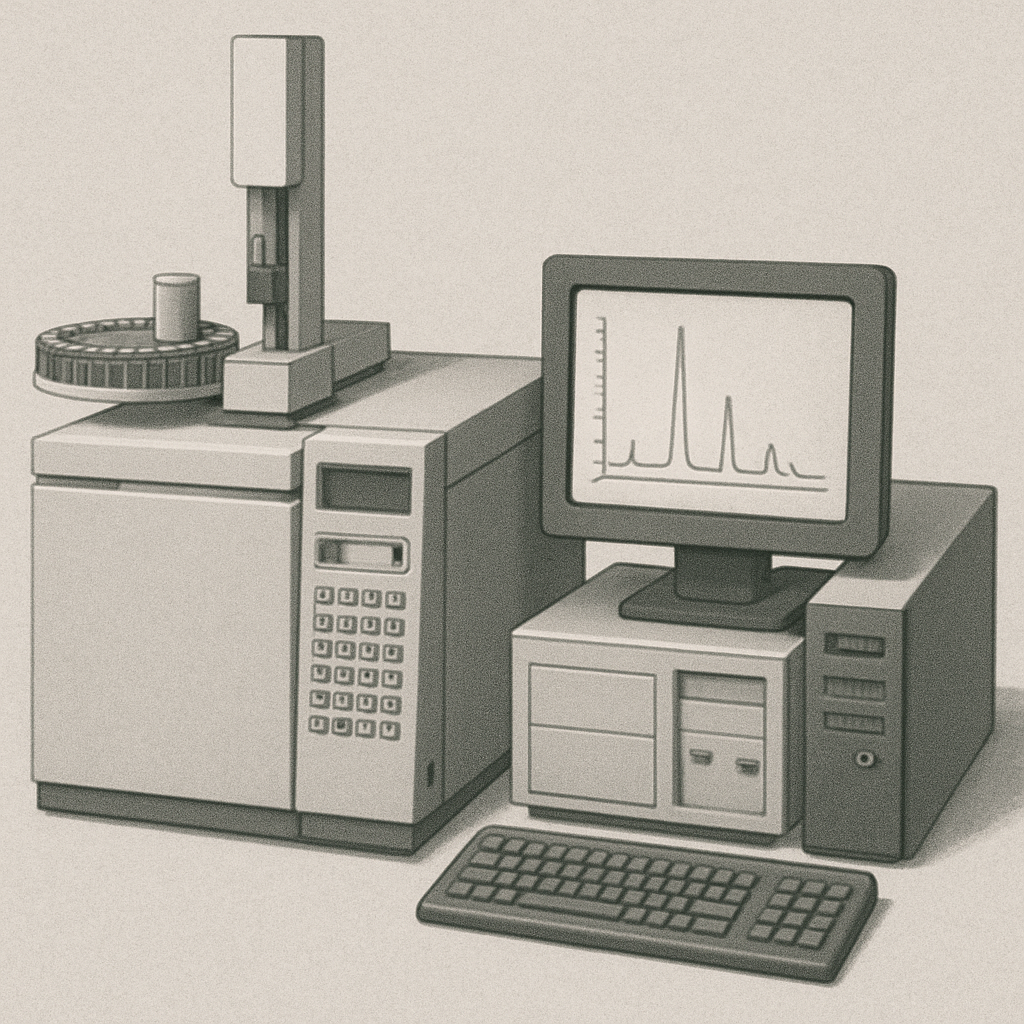
# Understanding the Basics of Gas Chromatography Gas chromatography is a powerful analytical method used in laboratories to separate and analyze compounds that can be vaporized without decomposing. It’s a staple in fields like analytical chemistry, where scientists need to identify and quantify different substances within a sample. This article will break down the basics of gas chromatography, its components, and how it works, in a straightforward manner. What is Gas Chromatography? Gas chromatography (GC) is a technique that allows scientists to separate mixtures into individual components. By doing so, they can identify what substances are present in a sample and how much of each substance is there. This is particularly useful in industries such as pharmaceuticals, environmental testing, and food and beverage production. Key Components of Gas Chromatography To understand how gas chromatography works, it’s important to know its main components: How Does Gas Chromatography Work? The process of gas chromatography involves several steps, each crucial to the accurate separation and analysis of compounds: Sample Injection The process begins with the injection of the sample. The sample is usually in a liquid form and is injected into the gas chromatograph. The injector port is heated to vaporize the sample, allowing it to mix with the carrier gas. Separation in the Column As the vaporized sample moves through the column, its components interact with the stationary phase. Each substance in the sample moves at a different speed, which leads to their separation. The stationary phase is often a liquid or polymer on an inert solid support, and it retains compounds based on their chemical properties. Detection and Analysis Once the components exit the column, they reach the detector. Common detectors include flame ionization detectors (FID) and mass spectrometers (MS). The detector produces a signal proportional to the amount of substance, allowing for both qualitative and quantitative analysis. by National Cancer Institute (https://unsplash.com/@nci) Applications of Gas Chromatography Gas chromatography has a wide range of applications across various fields: Environmental Testing In environmental testing, GC is used to detect pollutants in air, water, and soil. It helps in monitoring environmental contamination and ensuring regulatory compliance. Pharmaceutical Industry […]

gc mass spectrometry
icp

Understanding GC Mass Spectrometry: Techniques and Applications

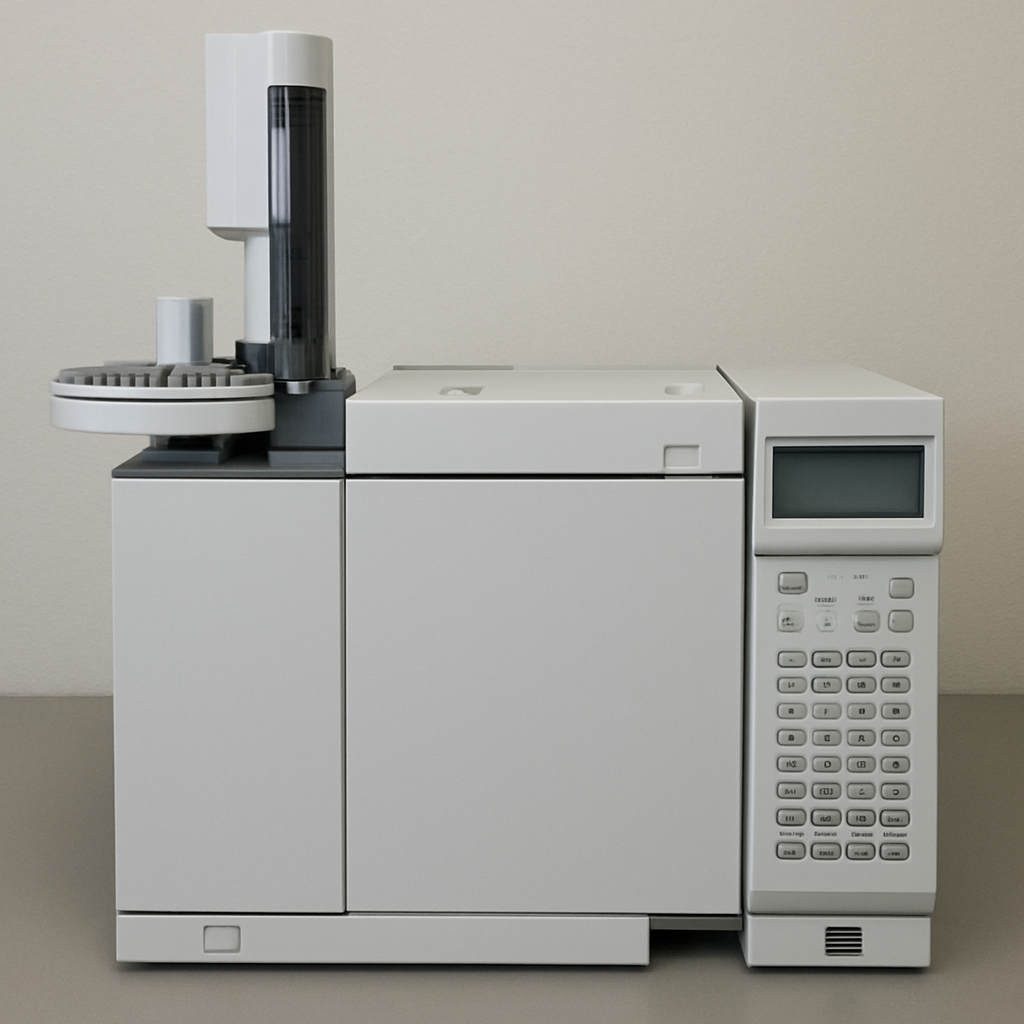
Gas Chromatography-Mass Spectrometry (GC-MS) is a powerful analytical technique that combines the features of gas chromatography and mass spectrometry to identify different substances within a test sample. This method is widely used in various fields such as environmental testing, forensics, and food safety. In this article, we’ll explore the techniques and applications of GC mass spectrometry in a straightforward manner. What is Gas Chromatography-Mass Spectrometry? GC-MS is a method that allows scientists to separate and identify compounds from complex mixtures. It is particularly useful for volatile and semi-volatile substances. The process involves two main steps: gas chromatography (GC) and mass spectrometry (MS). Gas Chromatography (GC) Gas chromatography is the first step in the GC-MS process. In this step, a sample is vaporized and carried by an inert gas through a long, thin column filled with a stationary phase. This column separates the sample into its individual components based on their boiling points and interactions with the stationary phase. Mass Spectrometry (MS) Once the components are separated by GC, they enter the mass spectrometer. Here, they are ionized, which means they are charged, and then broken down into fragments. The mass spectrometer measures the mass-to-charge ratio of these fragments, allowing scientists to identify the compounds based on their unique fragmentation patterns. How Does GC Mass Spectrometry Work? The GC-MS system works by vaporizing the sample, separating its components in the GC column, and then identifying each component with the mass spectrometer. Here is a step-by-step explanation of the process: Applications of GC Mass Spectrometry GC-MS is a versatile tool with numerous applications across various industries. Let’s explore some of the most common uses. Environmental Testing GC-MS is frequently used in environmental testing to detect pollutants and toxins. It is capable of identifying small quantities of contaminants in air, water, and soil samples. This capability is crucial for ensuring environmental safety and compliance with regulatory standards. Forensic Science In forensic science, GC-MS is invaluable for analyzing substances found at crime scenes. It can detect drugs, explosives, and other chemicals, providing crucial evidence in criminal investigations. Its ability to deliver precise and accurate results makes it a trusted tool in forensic labs. by Amplitude Magazin (https://unsplash.com/@amplitudemagazin) Food Safety and Quality Control The food industry relies on GC-MS to ensure product safety and quality. This technique is used to detect contaminants such as pesticides, additives, and other harmful chemicals in food products. By identifying these substances, manufacturers can ensure their products meet health and safety standards. Pharmaceutical Industry In the pharmaceutical industry, GC-MS is used for drug testing and development. It helps in analyzing the composition of pharmaceutical products and ensuring they are free from impurities. This technique is essential for maintaining the efficacy and safety of medications.

icp analysis
icp

Top Applications of ICP Analysis in Environmental Food and Industrial Testing

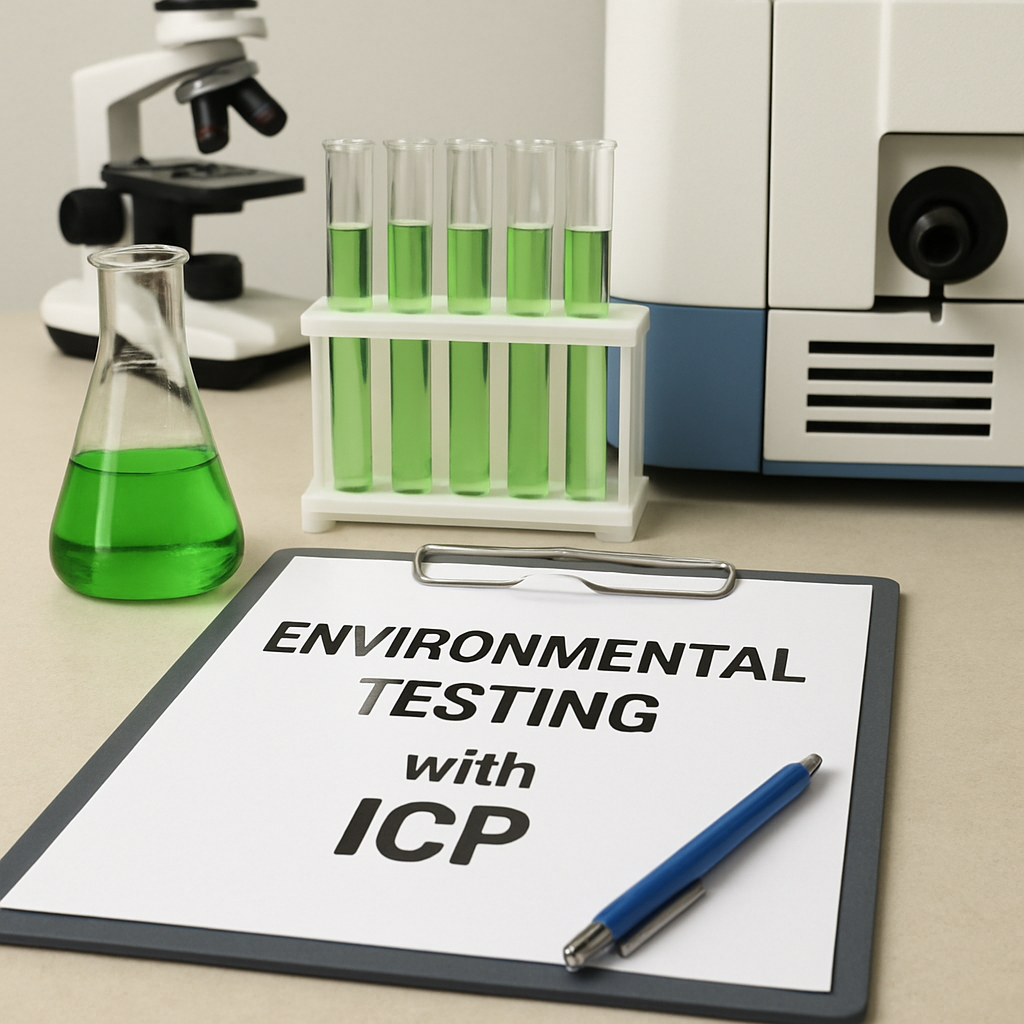
Recently, ensuring the quality and safety of our environment, food, and industrial products is more crucial than ever. Across multiple sectors, from environmental science to food safety and industrial quality control, ICP analysis stands out as a cornerstone technique. But what exactly is ICP analysis, and why is it so essential across these various fields? ICP, or Inductively Coupled Plasma, analysis is a sophisticated technique used to detect and measure the concentration of elements in a sample. This method is highly sensitive and can identify trace elements at parts per million (ppm) or even parts per billion (ppb) levels. The versatility and precision of ICP analysis make it invaluable in numerous applications, providing insights that are critical for maintaining safety, compliance, and quality standards. At its core, ICP analysis involves the use of a high-temperature plasma to excite atoms in a sample. The process begins with the sample being introduced into the plasma torch, where it undergoes atomization and ionization. This creates a range of ions and excited atoms that emit light at characteristic wavelengths. By measuring the intensity of this emitted light, scientists can determine the concentration of specific elements within the sample. This precise method allows for the detection of even minute quantities of elements, which is vital for applications requiring high accuracy. The plasma used in ICP analysis is generated by an electric field, which ionizes an inert gas, typically argon. This creates a highly energetic environment capable of breaking down samples into their constituent elements. The unique properties of plasma enable the detection of elements across a wide concentration range, from major constituents to trace impurities. This versatility is one of the reasons why ICP analysis is favored in many scientific and industrial settings. The equipment used in ICP analysis is highly specialized. Key components include the plasma torch, spectrometer, and a detection system. The spectrometer is essential for separating the light emitted by excited atoms into its component wavelengths. Advances in technology have led to the development of sophisticated instruments that offer enhanced sensitivity, accuracy, and speed. Modern ICP systems can simultaneously measure multiple elements, greatly increasing throughput and efficiency. The environmental sector relies heavily on ICP analysis for monitoring and safeguarding natural resources. The ability to detect and quantify trace elements is crucial for maintaining ecological balance and ensuring public health. Monitoring Air Quality Air pollution is a significant concern for public health and the environment. ICP analysis plays a critical role in monitoring air quality by detecting harmful metals like lead, arsenic, and mercury in atmospheric samples. These analyses help regulatory bodies enforce air quality standards and protect public health. By regularly sampling and analyzing air, scientists can track pollution sources and trends, enabling more effective interventions and policy-making. Water Quality Assessment Water is essential for life, making its purity a priority. ICP analysis is widely used to monitor water quality by identifying and quantifying metals and other contaminants in water sources. This ensures that drinking water is safe and meets regulatory standards. It is also vital in assessing wastewater treatment processes and ensuring the safe discharge of industrial effluents. Regular monitoring helps in maintaining ecosystem health and preventing pollution-related issues. Soil Contamination Studies Soil contamination from industrial activities can have far-reaching consequences on agriculture and ecosystems. ICP analysis aids in detecting heavy metals and other pollutants in soil samples, guiding remediation efforts and helping to prevent further environmental degradation. By understanding the extent and nature of soil contamination, scientists and policymakers can develop effective strategies for land restoration and management, ensuring long-term sustainability. Waste Management and Recycling In the realm of waste management, ICP analysis assists in evaluating the composition of waste materials, ensuring proper disposal and recycling practices. By identifying hazardous elements, it helps in minimizing environmental impact and promoting sustainable waste management solutions. Recycling processes benefit from the precise identification of valuable metals, which can be recovered and reused, contributing to resource conservation. Applications in Food Testing Food safety and quality are paramount for consumer health and market success. ICP analysis plays a critical role in ensuring that food products are safe, nutritious, and compliant with regulations. Ensuring Food Safety Food safety is paramount for consumer health. ICP analysis is used to ensure that food products are free from harmful levels of metals like cadmium, lead, and mercury. By analyzing raw ingredients and final products, manufacturers can maintain high safety standards and comply with regulations. This not only protects consumers but also enhances brand reputation and trust in the market. Nutritional Content Analysis Beyond safety, ICP analysis is also employed to determine the nutritional content of food items. For instance, it can measure essential minerals such as calcium, iron, and zinc, providing valuable information for nutritional labeling and product development. This data is crucial for consumers making informed dietary choices and for manufacturers aiming to create health-promoting products.
Scroll to Top