nitrogen generator

nitrogen generator

Why Dual Engine Vessels Need a Nitrogen Generator Inerting Safety and Efficiency at Sea

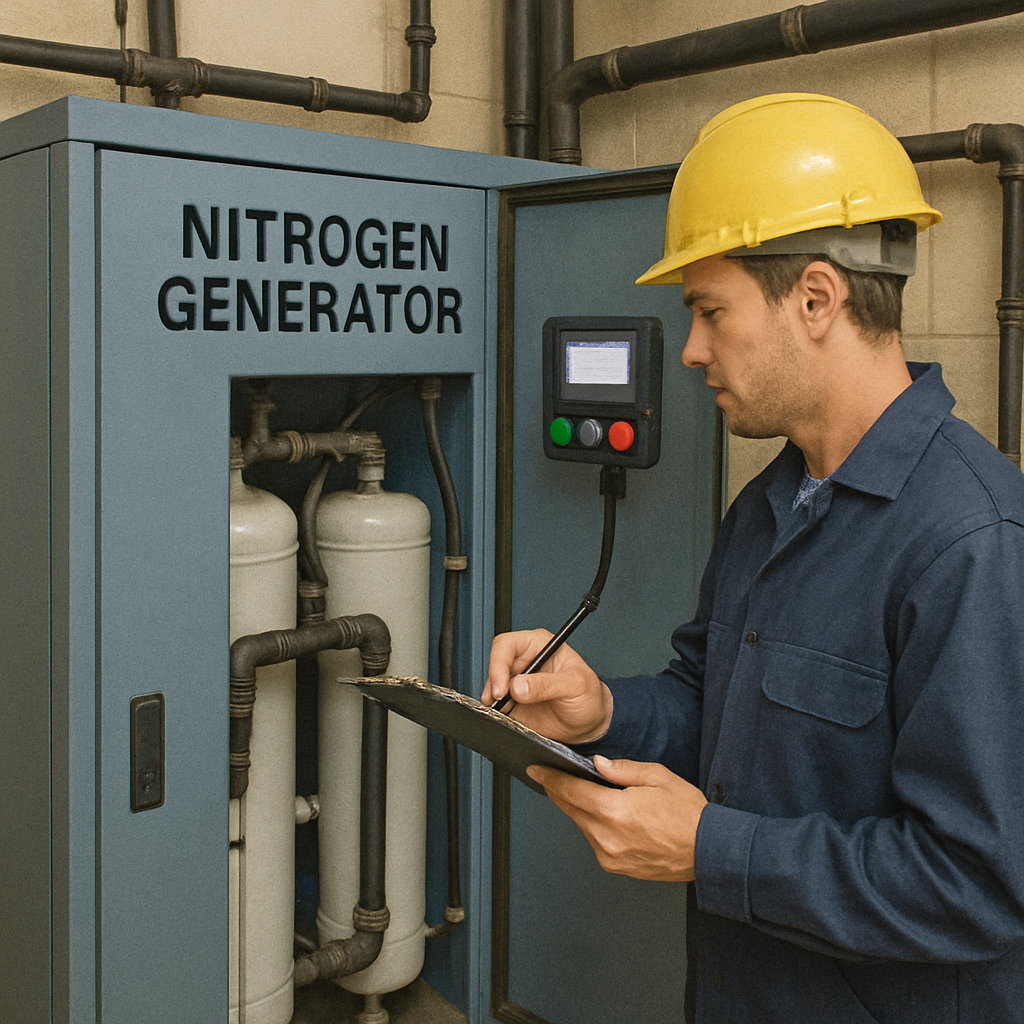
In the maritime world, safety and efficiency are paramount. For dual engine vessels, these aspects are even more critical due to the complexity and power of their operations. One essential tool that significantly enhances both safety and efficiency at sea is the nitrogen generator. This article explores the importance of nitrogen generators for dual engine ships and how they contribute to safer and more efficient maritime operations. What is a Nitrogen Generator? A nitrogen generator is a device that separates nitrogen gas from atmospheric air. The air around us is composed of approximately 78% nitrogen, and these generators use advanced technology to isolate and produce nitrogen gas with high purity levels. This nitrogen gas is then used for various applications, particularly in inerting systems on ships. Why Use Nitrogen on Ships? Nitrogen is an inert gas, meaning it is non-reactive under standard conditions. This quality makes it ideal for preventing fires and explosions, which is crucial on vessels where fuel and other flammable materials are present. By filling fuel tanks and other spaces with nitrogen, the oxygen level is reduced, significantly decreasing the risk of combustion. The Need for Nitrogen Generators on Dual Engine Vessels Enhancing Safety For dual engine vessels, safety is a top priority. The presence of two powerful engines increases the risk of incidents if not managed correctly. Nitrogen generators play a vital role in enhancing safety by providing a reliable source of inert gas to prevent fires and explosions. By maintaining an inert atmosphere in fuel tanks and other critical areas, the potential for dangerous situations is minimized. Improving Efficiency Efficiency is another crucial factor for dual engine vessels. Nitrogen generators contribute to operational efficiency by ensuring that engines and other systems function optimally. By preventing oxidation and corrosion in fuel systems and pipelines, these generators help maintain the integrity of essential components, reducing downtime and maintenance costs. Environmental Benefits Nitrogen generators also support environmental sustainability. By preventing fuel oxidation and minimizing emissions, they help vessels comply with international environmental regulations. This not only protects the marine environment but also enhances the reputation of shipping companies committed to sustainable practices. How Nitrogen Generators Work on Dual Engine Vessels The Process of Nitrogen Generation Nitrogen generators on dual engine vessels typically use either membrane or pressure swing adsorption (PSA) technology to produce nitrogen gas. Both technologies are efficient and effective, providing a continuous supply of nitrogen gas to meet the needs of dual engine vessels. Installation and Integration Integrating a nitrogen generator into a dual engine vessel’s existing systems is a straightforward process. These generators are compact and can be installed in various locations onboard the ship. They are designed to operate seamlessly with other onboard systems, ensuring that the supply of nitrogen is consistent and reliable. The Importance of Maintenance and Monitoring by Eini Trujillo (https://unsplash.com/@einictm) […]
nitrogen generator

Why Nitrogen Gas Is Used in Food Packaging Benefits Safety and How It Works

# Why Nitrogen Gas Is Used in Food Packaging: Benefits, Safety, and How It Works Food safety and preservation are major concerns for both manufacturers and consumers alike. The quality and freshness of food are imperative, and the packaging process plays a significant role in ensuring these elements. One notable method used in the food industry to maintain freshness and extend shelf life is nitrogen gas packaging. But why is nitrogen gas favored over other gases, and how does it work? This article will explore the benefits, safety, and mechanisms behind using nitrogen gas in food packaging. Understanding the Role of Nitrogen Gas Nitrogen is a colorless, odorless gas that makes up about 78% of the Earth’s atmosphere. It is non-reactive, meaning it does not easily combine with other elements. This inert quality makes nitrogen ideal for use in food packaging, as it doesn’t interact with the food products it surrounds. The Science Behind Nitrogen Gas Packaging In food packaging, nitrogen gas is used to replace the oxygen inside the packaging. Oxygen can lead to oxidation, which is a chemical reaction that can spoil food. For instance, when oxygen is present, it can cause fats to go rancid, change the color of fruits and vegetables, and encourage the growth of aerobic bacteria and molds. By displacing oxygen with nitrogen, the risk of these undesirable reactions is significantly reduced. The absence of oxygen also helps maintain the flavor, aroma, and texture of the food, ensuring it remains appetizing and fresh for longer periods. Benefits of Nitrogen Gas in Food Packaging Extending Shelf Life One of the primary advantages of using nitrogen gas in food packaging is the extension of shelf life. By minimizing oxidation and microbial growth, food products can remain on store shelves or in pantries for extended periods without losing quality. This is particularly beneficial for items like snack foods, coffee, nuts, and fresh produce. Maintaining Freshness and Quality Nitrogen gas helps preserve the original taste, texture, and appearance of food. For example, using nitrogen in packaging chips prevents them from going stale. Similarly, it maintains the rich aroma of coffee, ensuring that consumers experience the product as intended. Enhancing Food Safety Food safety is a top priority for manufacturers and consumers. By using nitrogen gas, the risk of foodborne illnesses caused by microbial growth is reduced. This method also decreases the need for chemical preservatives, making products safer and more appealing to health-conscious consumers. How Nitrogen Gas Packaging Works The Modified Atmosphere Packaging (MAP) Process Nitrogen gas packaging is a part of a broader technique known as Modified Atmosphere Packaging (MAP). This process involves altering the atmosphere inside the packaging to ensure optimal conditions for preservation. Here’s how it typically works: This method is used across various food products, from fresh produce and meats to dry goods and snacks. Equipment and Technology The use of nitrogen gas in packaging requires specialized equipment. Packaging machines are designed to carefully control the gas levels inside the packages, ensuring the correct balance for each product type. These machines are crucial for achieving the desired shelf life and quality preservation.

nitrogen generator

What Is a Nitrogen Fire Suppression System Benefits Applications and How It Works

In the realm of industrial fire safety, nitrogen fire suppression systems have emerged as a reliable and effective solution. These systems use nitrogen, a naturally occurring gas, to extinguish fires, protecting valuable assets and ensuring the safety of personnel. In this article, we will explore the key benefits, applications, and operational principles of nitrogen fire suppression systems. A nitrogen fire suppression system is a type of fire extinguishing system that uses nitrogen gas to suppress and extinguish fires. Nitrogen is an inert gas, which means it does not support combustion. By displacing oxygen in the environment, nitrogen reduces the oxygen concentration to a level that cannot sustain a fire, effectively extinguishing it. Key Benefits of Nitrogen Fire Suppression Systems Applications of Nitrogen Fire Suppression Systems Nitrogen fire suppression systems are versatile and can be deployed in various settings, including: How Nitrogen Fire Suppression Systems Work The operation of a nitrogen fire suppression system involves several key steps: Detection The system begins with the detection of a fire. This is typically achieved through smoke detectors, heat sensors, or flame detectors strategically placed throughout the protected area. Once a fire is detected, the system triggers an alarm to alert occupants and initiate the suppression process. Activation Upon fire detection, the nitrogen suppression system is activated. Valves connected to nitrogen storage cylinders open, allowing the gas to flow through a network of pipes and nozzles. Discharge The nitrogen is discharged into the protected area through nozzles designed to ensure even distribution. The rapid release of nitrogen quickly displaces oxygen, reducing its concentration to a level that cannot sustain combustion. This effectively extinguishes the fire. Post-Fire Operations After the fire is suppressed, the system may initiate ventilation to restore normal oxygen levels. The area can then be safely re-entered for inspection and cleanup, if necessary. Since nitrogen leaves no residue, the cleanup process is generally minimal. Maintenance and Considerations by NOAA (https://unsplash.com/@noaa) To ensure the reliability and effectiveness of a nitrogen fire suppression system, regular maintenance is essential. This includes: When considering a nitrogen fire suppression system, it is important to work with experienced professionals who can assess your specific needs and design a system tailored to your environment. Proper installation and maintenance are critical to the system’s performance in an emergency. Conclusion

Nitrogen Compressors for Tires
nitrogen generator

Top 5 Nitrogen Compressors for Tires in 2025

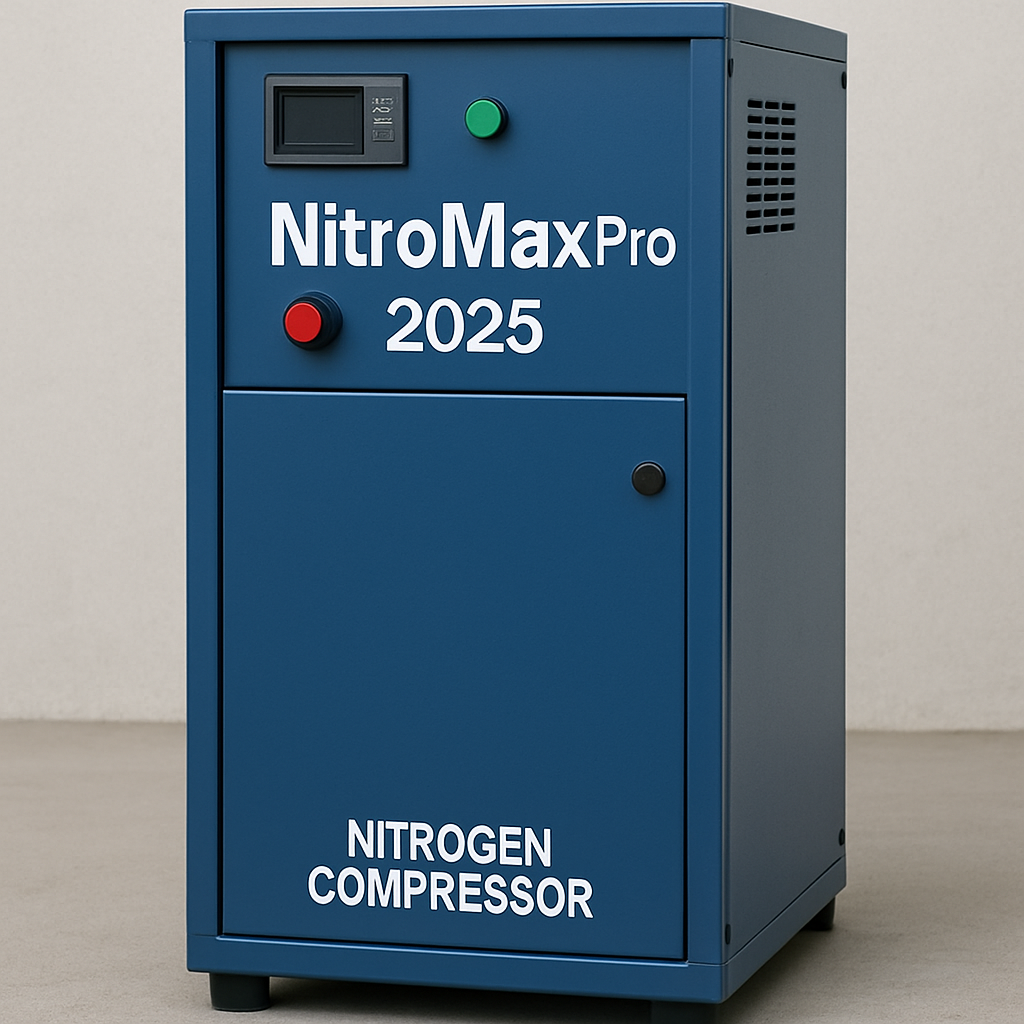
As we zoom into the future of automotive care, nitrogen compressors for tires are becoming increasingly popular. These machines aren’t just for professional mechanics anymore; they’re making their way into the garages of car enthusiasts and everyday drivers who want to maintain their vehicles with the best possible care. But with so many options on the market, how do you choose the right nitrogen compressor for your needs? In this guide, we’ll explore the top five nitrogen compressors for tires in 2025. Whether you’re looking for a nitrogen tire pump for personal use or a more robust nitrogen air machine for a busy shop, we’ve got you covered. Why Use Nitrogen for Tire Inflation? Before we dive into the top picks, let’s quickly review why nitrogen is an excellent choice for tire inflation. Using nitrogen instead of regular air has several benefits: With these benefits in mind, it’s no wonder more people are investing in nitrogen tire inflation equipment. Top 5 Nitrogen Compressors for Tires in 2025 1. NitroMax Pro 2025 The NitroMax Pro 2025 is a top-of-the-line nitrogen generator for tires, perfect for both professional and personal use. It combines efficiency with ease of use, making it a favorite among car enthusiasts. 2. EcoNitro Green For those who are environmentally conscious, the EcoNitro Green nitrogen tire inflator is an excellent choice. It’s designed to be energy-efficient and user-friendly. 3. PowerFill X-3 The PowerFill X-3 is a robust nitrogen air compressor that caters to high-volume tire inflation needs. It’s ideal for busy auto shops or tire service centers. 4. QuickFill Home Nitrogen System For homeowners looking to bring professional-grade tire inflation to their garage, the QuickFill Home Nitrogen System is the perfect nitrogen tire inflation machine. It offers convenience and reliability in one package. 5. SpeedyNitro Pro The SpeedyNitro Pro is known for its high-speed performance and reliability. It’s a fantastic choice for those who need a nitrogen machine for tires that can handle frequent use. How to Choose the Right Nitrogen Compressor Selecting the right nitrogen tire inflation system for home or professional use involves considering several factors: Consider Your Usage Evaluate Features Budget and Cost

Liquid Nitrogen Machines
nitrogen generator

Top 5 Liquid Nitrogen Making Machines in 2025 Prices Specs Reviews

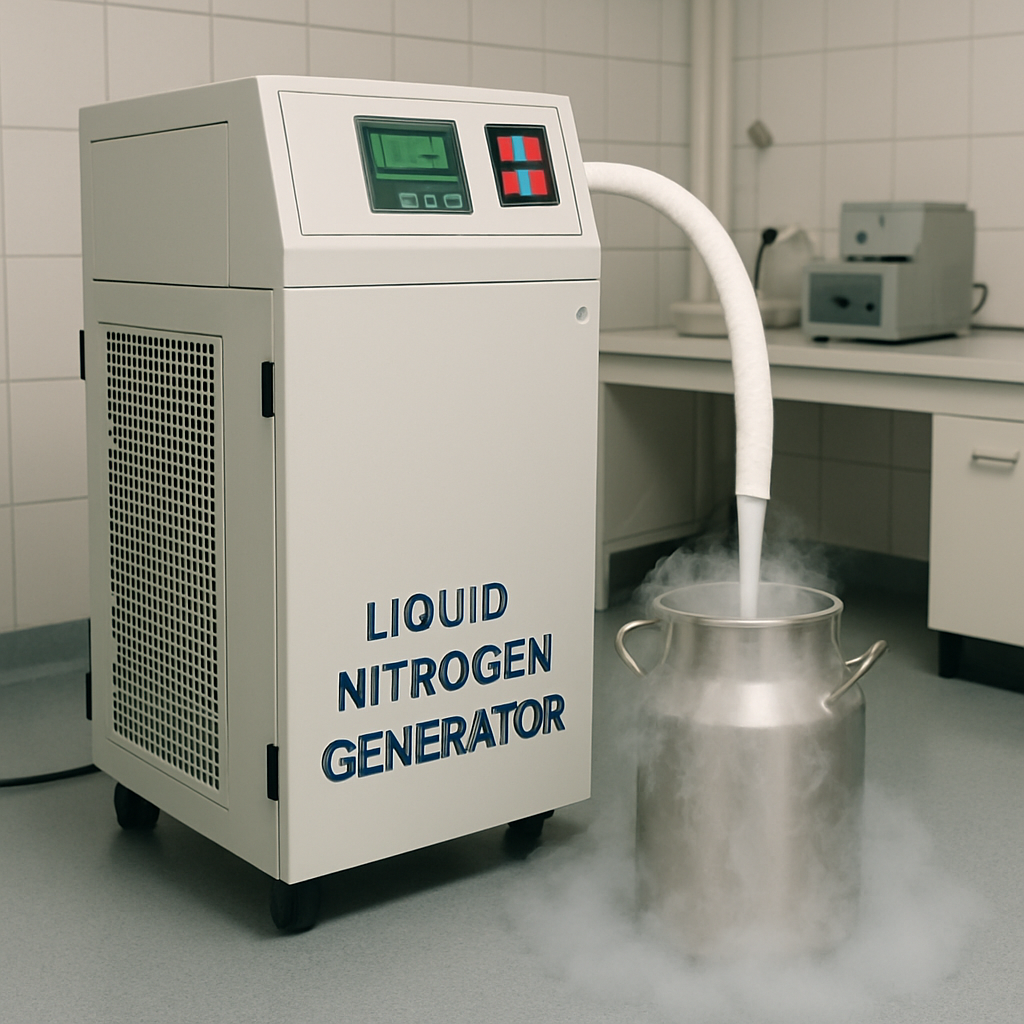
In 2025, the demand for liquid nitrogen is steadily rising across various industries, from medical and food preservation to scientific research and industrial applications. If you’re considering investing in a liquid nitrogen generator, it’s essential to choose equipment that meets your needs effectively and efficiently. This article reviews the top five liquid nitrogen making machines available this year, focusing on their prices, specifications, and user reviews to help you make an informed decision. Before diving into the specifics of each machine, let’s take a moment to understand what liquid nitrogen generators are and why they are critical. These machines produce liquid nitrogen by cooling and compressing air to extremely low temperatures. The result is a versatile cooling agent used for a wide range of applications. 1. Cryomech LNP-30 The Cryomech LNP-30 is renowned for its reliability and efficiency. It caters to both small-scale and large-scale needs, making it an ideal choice for various industries. Specifications: Price: User Reviews: Users appreciate the LNP-30 for its quiet operation and minimal maintenance needs. Many highlight its energy efficiency and robust construction as key benefits. 2. MVS Engineering LN2P MVS Engineering offers the LN2P, a compact and user-friendly machine designed for laboratories and small industrial settings. Specifications: Price: User Reviews: Users commend the LN2P for its portability and ease of installation. Its user-friendly interface and reliable performance are frequently mentioned in positive reviews. 3. Nitrogenium LNF-50 The Nitrogenium LNF-50 is a powerhouse when it comes to larger production needs, ideal for industrial applications where higher quantities of liquid nitrogen are required. Specifications: Price: User Reviews: Users highlight the LNF-50’s high production capacity and durability. While it’s larger and requires more power, its ability to meet industrial demands efficiently is a significant advantage.

food grade liquid nitrogen
nitrogen generator

What Is Food Grade Liquid Nitrogen

Food grade liquid nitrogen is a fascinating substance that’s been making waves in the culinary world. But what exactly is it, and why is it so important in food preparation? In this article, we’ll explore what food grade liquid nitrogen is, how it’s used, and why it’s a game-changer in both the kitchen and food industry. Understanding Food Grade Liquid Nitrogen Liquid nitrogen is nitrogen in a liquid state at an extremely low temperature. It’s colorless, odorless, and inert, meaning it doesn’t react with other substances. When we refer to “food grade” liquid nitrogen, we’re talking about nitrogen that’s been produced and handled according to strict safety and quality standards to ensure it’s safe for use in food preparation. Why Is It Called “Food Grade”? The term “food grade” indicates that the liquid nitrogen meets specific standards for purity and safety, making it suitable for use in food and beverage applications. This means it is free from contaminants and any hazardous substances that could pose a risk to health when used in food processes. How Is Liquid Nitrogen Used in Food? Liquid nitrogen is a versatile tool in the kitchen, offering a range of uses from rapid freezing to culinary creativity. Here are some of the most common applications: Rapid Freezing One of the most popular uses of liquid nitrogen is rapid freezing. Chefs and food manufacturers use it to freeze food quickly. The extremely low temperature of liquid nitrogen (-196°C or -321°F) allows it to freeze food almost instantly. This quick freezing process helps in preserving the food’s texture and flavor better than traditional freezing methods. Making Ice Cream A popular trend in modern gastronomy is using liquid nitrogen to make ice cream. The rapid freezing process creates ultra-smooth ice cream with tiny ice crystals, resulting in a creamier texture. It’s not only a treat for the taste buds but also a spectacular visual experience when the misty vapor swirls around the mixing bowl. Food Presentation In high-end restaurants, chefs use liquid nitrogen for dramatic food presentation. The foggy, smoky effect created when liquid nitrogen vaporizes adds an element of theater to dishes, delighting diners with both taste and visual appeal. Creating Culinary Delights Chefs also use liquid nitrogen to create unique culinary delights that are otherwise difficult to achieve. For example, they can create powdered foods that melt instantly in the mouth or transform liquids into solid, crunchy textures. Safety Considerations with Liquid Nitrogen While liquid nitrogen offers exciting possibilities, safety is paramount when using it in food preparation. Here are some key safety considerations: Handling Precautions When handling liquid nitrogen, it’s important to wear protective gear, such as gloves and goggles, to prevent skin contact and eye exposure. Direct contact with liquid nitrogen can cause severe cold burns or frostbite. Ventilation

Nitrogen Plant Manufacturers
nitrogen generator

Top Nitrogen Plant Manufacturers in 2025

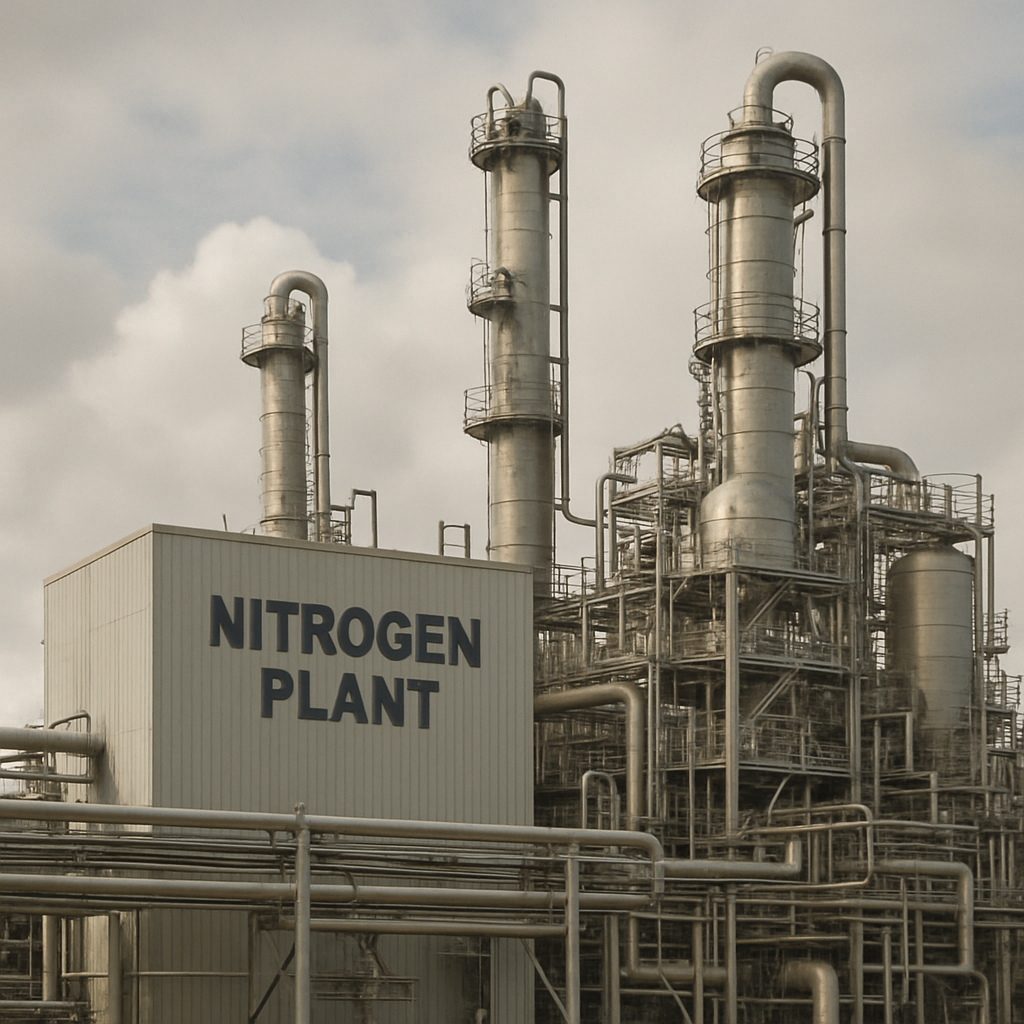
In the ever-evolving world of industrial gases, nitrogen stands out due to its wide range of applications across various industries. As we look towards 2025, the demand for efficient and innovative nitrogen generation solutions is surging. This article delves into the top nitrogen plant manufacturers poised to lead the industry, focusing on their contributions to nitrogen generation packages, PSA nitrogen generator technologies, and liquid nitrogen production. Nitrogen generation packages are comprehensive systems designed to produce nitrogen gas from atmospheric air. These packages include various components such as air compressors, filters, dryers, and nitrogen generators. Their primary function is to separate nitrogen from other gases, ensuring the delivery of high-purity nitrogen for industrial use. Key Features of a Nitrogen Generation Package A nitrogen generation package typically incorporates advanced filtration systems to ensure that the nitrogen produced is free from impurities. These systems are crucial for industries where high-purity nitrogen is essential, such as pharmaceuticals, food packaging, and electronics manufacturing. Moreover, modern nitrogen generation packages are designed to be energy-efficient and environmentally friendly, reducing operational costs and carbon footprints for businesses. Leading Nitrogen Plant Manufacturers In 2025, several companies are making significant strides in the nitrogen generation industry. Here’s a look at some of the top nitrogen plant manufacturers: Company A: Pioneers in PSA Nitrogen Generator Technology Pressure Swing Adsorption (PSA) technology is a popular method for nitrogen generation. Company A has established itself as a leader in this space, thanks to its innovative PSA nitrogen generators. These generators are renowned for their efficiency, reliability, and ability to produce high-purity nitrogen. Company A’s commitment to research and development has resulted in cutting-edge technologies that cater to the diverse needs of industries worldwide. Their nitrogen generators are particularly popular in sectors such as chemical manufacturing, food processing, and electronics. Company B: Leaders in Liquid Nitrogen Production Liquid nitrogen has unique properties that make it indispensable in various industries, from cryogenics to food preservation. Company B is at the forefront of liquid nitrogen production, offering state-of-the-art liquid nitrogen plants that deliver exceptional performance. Their liquid nitrogen factories are equipped with the latest technology, ensuring efficient production processes and high-quality output. Company B’s focus on sustainability and innovation has earned them a reputation as a reliable partner for businesses seeking liquid nitrogen solutions. Company C: Innovators in Nitrogen Generation Solutions Company C has carved a niche for itself by providing bespoke nitrogen generation solutions tailored to meet specific industry requirements. Their expertise extends across a wide range of applications, from small-scale nitrogen generators for laboratory use to large-scale nitrogen plants for industrial operations. With a strong emphasis on customer satisfaction, Company C works closely with clients to design and implement nitrogen generation systems that align with their unique needs. Their comprehensive support services ensure that businesses can rely on their nitrogen systems for seamless operations. The Rise of PSA Nitrogen Generator Manufacturers by Aron Yigin (https://unsplash.com/@aronyigin) PSA nitrogen generators have gained immense popularity due to their cost-effectiveness and ease of use. These generators operate on the principle of adsorbing gases under pressure, allowing nitrogen to be separated from other gases in the air. Benefits of PSA Nitrogen Generators

nitrogen generator

Common Problems with PSA Nitrogen Generators and How to Solve Them

Nitrogen generators are essential in various industries, providing a reliable and efficient supply of nitrogen gas for numerous applications. One of the most popular types, the Pressure Swing Adsorption (PSA) nitrogen generator, is favored for its ability to produce high-purity nitrogen on-demand. However, like any industrial equipment, PSA nitrogen generators can encounter problems that affect their performance. In this article, we’ll explore some common issues with PSA nitrogen generators and provide practical solutions to keep them running smoothly. Understanding PSA Nitrogen Generators Before diving into potential problems, it’s important to understand how PSA nitrogen generators work. These systems separate nitrogen from compressed air using a process called pressure swing adsorption. The generator contains adsorbent materials that selectively trap oxygen and other gases, allowing nitrogen to pass through as the product gas. PSA nitrogen generators are valued for their energy efficiency and the ability to produce nitrogen with purities of up to 99.999%. However, certain issues can arise, impacting their efficiency and effectiveness. Common PSA Nitrogen Generator Problems 1. Pressure Drop A significant pressure drop in your PSA nitrogen generator can lead to reduced nitrogen output and efficiency. This issue is often caused by clogged filters or piping obstructions. Solution Regular maintenance is key to preventing pressure drops. Ensure that filters are cleaned and replaced according to the manufacturer’s schedule. Additionally, check for any blockages in the piping and remove them promptly to restore optimal pressure levels. 2. Adsorbent Material Degradation The adsorbent material within a PSA nitrogen generator can degrade over time, reducing the generator’s ability to separate nitrogen effectively. This degradation can result from exposure to contaminants or excessive moisture. Solution To combat adsorbent degradation, it’s crucial to keep the incoming air clean and dry. Installing pre-filters and air dryers can help remove contaminants and moisture before they reach the adsorbent material. Regularly inspect and replace adsorbent beds as needed to maintain performance. 3. Increased Purity Requirements Sometimes, the purity of the nitrogen produced may not meet the specific needs of an application. This issue can arise due to changes in production requirements or improper calibration of the generator. Solution Re-calibrating the PSA nitrogen generator can often resolve purity issues. Consult the manufacturer’s guidelines or seek professional assistance to adjust the system’s settings. If higher purity is required, consider upgrading to a model capable of delivering the desired nitrogen quality. Routine Maintenance for PSA Nitrogen Generators Regular maintenance is crucial for keeping your PSA nitrogen generator in top condition. Here are some routine maintenance tasks to ensure optimal performance: Filter Replacement

nitrogen generator

How Much Space Do You Need for a Nitrogen Generation Package

In today’s fast-paced industrial world, nitrogen generation systems have become indispensable. Whether you’re in manufacturing, food processing, or pharmaceuticals, having an on-site nitrogen generator can significantly enhance efficiency and reduce costs. However, one of the first considerations when planning to install a nitrogen generator is understanding the space requirements. Let’s delve into what you need to know about the space needed for a nitrogen generation package. Before we jump into space considerations, it’s crucial to understand what a nitrogen generator is and why it’s essential. A nitrogen generator is a piece of equipment that separates nitrogen from the air, providing a continuous supply of nitrogen gas on-site. This eliminates the need for nitrogen gas deliveries and the hassles of tank rentals. The Basics of Nitrogen Generation Nitrogen generators come in different types, but the most common ones include Pressure Swing Adsorption (PSA) and Membrane nitrogen generators. Each type has its own space and operational requirements. Determining Space Requirements Several factors influence how much space you’ll need for your nitrogen generator. Here’s a breakdown of what to consider: Size of the Generator The size of the nitrogen generator itself is the most obvious space consideration. Generators come in various sizes and capacities, depending on the amount of nitrogen your operation requires. For a small operation, a compact membrane system might fit in a small utility room, while larger PSA systems may need a dedicated space. Additional Equipment In addition to the generator, you may need space for auxiliary equipment. This can include: Accessibility and Maintenance When planning your space, consider accessibility for maintenance and operation. Generators need regular servicing, so ensure there’s enough room to access all parts of the system easily. Ventilation and Environmental Factors Nitrogen generators need proper ventilation to operate safely and efficiently. Ensure your space has adequate airflow and meets any environmental regulations. Practical Space Planning Assessing Your Facility Start by assessing the available space in your facility. Measure the dimensions of your potential installation area and compare them with the specifications of the nitrogen generator models you’re considering. Customizing the Installation by Fabian Kleiser (https://unsplash.com/@fabiankleiser) If space is limited, consider customizing your installation. Many manufacturers offer modular systems that can be tailored to fit unique spaces. Discuss your needs with suppliers to find a configuration that works for you.

nitrogen generator

Why Is Liquid Nitrogen So Expensive Cost Breakdown and Alternatives

# Why Is Liquid Nitrogen So Expensive? Cost Breakdown and Alternatives Liquid nitrogen is a fascinating substance often used in various industries, from culinary arts to scientific research. However, many people are taken aback by its cost. In this article, we will delve into why liquid nitrogen is so expensive, breaking down its costs and exploring some alternatives. Whether you’re a small business owner or a curious individual, understanding these factors can help you make more informed decisions. Liquid nitrogen is nitrogen gas cooled to a liquid state at an extremely low temperature, specifically -196 degrees Celsius (-321 degrees Fahrenheit). It’s prized for its ability to instantly freeze anything it touches, making it invaluable in fields like food preservation, medicine, and technology. The Cost Breakdown of Liquid Nitrogen Production and Storage The primary reason liquid nitrogen is costly is due to its production process. Liquid nitrogen is produced through a method known as fractional distillation of liquid air. This process requires significant energy and specialized equipment to separate nitrogen from other gases like oxygen and argon. Once produced, storing liquid nitrogen is another cost factor. It must be stored in special containers called Dewars, which are designed to handle its extreme cold and prevent evaporation. The construction and maintenance of these containers add to the overall expense. Transportation Transporting liquid nitrogen adds to its cost as well. Due to its volatile nature and the need for specialized containers, shipping liquid nitrogen requires specific handling procedures and safety measures. This makes transportation both complex and expensive, especially over long distances. Safety Measures Liquid nitrogen is dangerous if not handled properly. It can cause severe cold burns or even asphyxiation in confined spaces. Thus, companies must invest in safety training and equipment, which further increases the cost. Market Demand The demand for liquid nitrogen also influences its price. Industries such as food processing, electronics, and medical research rely heavily on it. When demand increases, prices can rise due to limited supply capabilities. Alternatives to Liquid Nitrogen Given the high cost of liquid nitrogen, exploring alternatives can be beneficial. Here are a few options: Dry Ice Dry ice, or solid carbon dioxide, is a popular alternative. While it doesn’t reach the extremely low temperatures of liquid nitrogen, it’s effective for many cooling applications. It’s less expensive and easier to handle, making it a viable option for businesses looking to cut costs. Mechanical Freezers For applications that don’t require the extreme cold of liquid nitrogen, mechanical freezers can be an alternative. These freezers can reach temperatures suitable for most preservation needs and are less costly in the long run, especially for businesses that require consistent cooling. Cryogenic Liquids

Scroll to Top