nitrogen generator

nitrogen generator

Liquid Nitrogen Plant vs Nitrogen Gas Generator Which is Right for Your Business

In today’s fast-paced industrial world, businesses rely on efficient and cost-effective solutions to meet their nitrogen gas requirements. Two popular options are the liquid nitrogen plant and the nitrogen gas generator. But which one is the right choice for your business? In this article, we will explore the differences between these two systems, their advantages, and how to decide which is best suited for your needs. Before diving into the specifics of each option, it’s essential to understand the basic principles of nitrogen production. Nitrogen, a colorless and odorless gas, constitutes about 78% of the Earth’s atmosphere. It is widely used in various industries, including food packaging, pharmaceuticals, electronics manufacturing, and metal fabrication, due to its inert properties. Liquid Nitrogen Plant A liquid nitrogen plant produces nitrogen in its liquid form. This process involves cooling nitrogen gas to its liquefaction point at -196°C (-321°F). The liquid nitrogen is then stored in insulated tanks and can be transported to the desired locati0n for use. Liquid nitrogen is typically used in industries that require extremely low temperatures, such as cryogenics, food freezing, and medical applications. Nitrogen Gas Generator A nitrogen gas generator, on the other hand, produces nitrogen gas on-site. There are several types of generators, including Pressure Swing Adsorption (PSA) and Membrane Nitrogen Generators. These systems separate nitrogen from the air using either a physical or chemical process, providing a continuous supply of nitrogen gas as needed. Comparing the Two Options When deciding between a liquid nitrogen plant and a nitrogen gas generator, several factors come into play: Cost Convenience and Flexibility Purity Levels Environmental Impact Making the Right Choice for Your Business by Christina @ wocintechchat.com (https://unsplash.com/@wocintechchat) When deciding between a liquid nitrogen plant and a nitrogen gas generator, consider the following factors: Conclusion Both liquid nitrogen plants and nitrogen gas generators offer unique advantages and challenges. By carefully evaluating your business’s specific needs and priorities, you can make an informed decision that maximizes efficiency, cost-effectiveness, and environmental responsibility. Whether you choose a liquid nitrogen plant or a nitrogen gas generator, investing in the right nitrogen production system can significantly enhance your operations and support your long-term business goals.
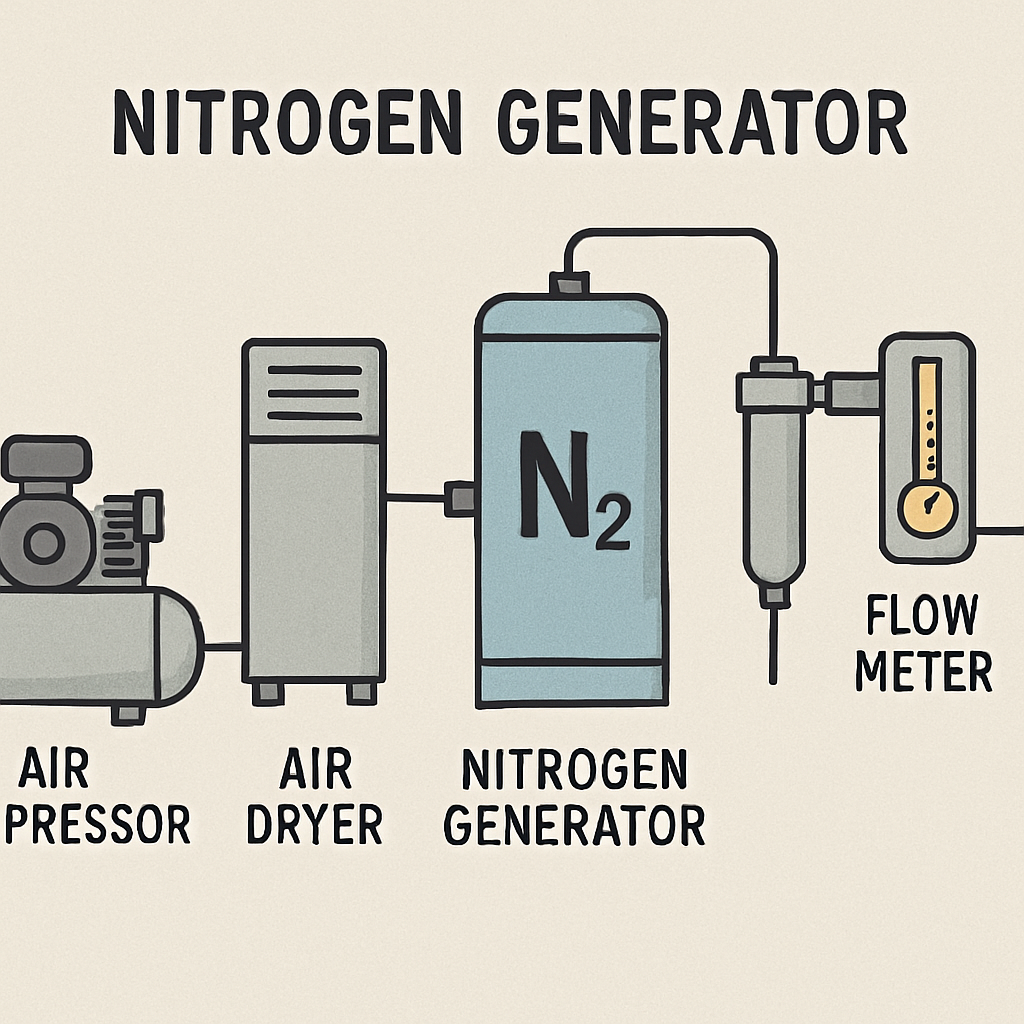
nitrogen generator

How Does a PSA Nitrogen Generator Work A Complete Guide for Industrial Users

In the industrial world, nitrogen is an essential gas used in various applications ranging from food packaging to chemical processing. One of the most efficient ways to produce nitrogen on-site is through a PSA nitrogen generator. But how does this technology work, and why is it beneficial for industrial users? This guide aims to demystify the workings of a PSA nitrogen generator and explain its benefits. A nitrogen generator is a device that separates nitrogen molecules from other gases in the air. The primary types of nitrogen generators are Pressure Swing Adsorption (PSA) and membrane technology. In this article, we’ll focus on PSA nitrogen generators, which are widely used in industries for their efficiency and cost-effectiveness. A PSA nitrogen generator uses the principle of pressure swing adsorption to extract nitrogen from compressed air. It comprises two main components: adsorbent materials and pressure vessels. These components work together to separate nitrogen from oxygen and other gases in the air, providing a consistent supply of nitrogen gas. PSA technology operates on the principle of adsorption, where gas molecules adhere to a solid surface. In a PSA nitrogen generator, adsorbent materials such as carbon molecular sieves (CMS) are used to capture oxygen and other gases, allowing nitrogen to pass through as the product gas. One of the primary benefits of a PSA nitrogen generator is its cost-effectiveness. By producing nitrogen on-site, industries can eliminate the need for bottled or liquid nitrogen deliveries, reducing transportation and storage costs. PSA nitrogen generators can achieve high purity levels, typically up to 99.999%. This makes them suitable for applications where high-purity nitrogen is essential, such as in pharmaceuticals and electronics manufacturing. PSA nitrogen generators provide a reliable and continuous supply of nitrogen gas. With minimal maintenance requirements and easy operation, they offer convenience to industrial users, ensuring an uninterrupted flow of nitrogen for critical processes. Producing nitrogen on-site with a PSA generator reduces the carbon footprint associated with transportation and storage of nitrogen gas. Additionally, the PSA process does not produce harmful emissions, making it an environmentally friendly option. In the food and beverage industry, nitrogen is used for packaging to extend shelf life and preserve freshness. PSA nitrogen generators provide a steady supply of nitrogen, ensuring consistent product quality. Nitrogen is used as a blanketing agent in chemical processing to prevent oxidation and contamination. PSA nitrogen generators offer a reliable source of nitrogen, enhancing safety and efficiency in chemical plants. High-purity nitrogen is crucial in electronics manufacturing for processes such as soldering and semiconductor production. PSA nitrogen generators deliver the required purity levels, supporting high-quality production. In the pharmaceutical industry, nitrogen is used for inerting and purging to maintain a sterile environment. PSA nitrogen generators provide the necessary purity and reliability for critical pharmaceutical processes. When selecting a PSA nitrogen generator, consider factors such as the required nitrogen flow rate, purity level, and pressure. It’s also essential to evaluate the generator’s energy consumption and maintenance requirements to ensure it meets your industrial needs efficiently. Consulting with experts or suppliers who specialize in nitrogen generation systems can help you choose the right equipment for your specific application. They can provide guidance on system design, installation, and operation to optimize performance and cost savings. PSA nitrogen generators offer an efficient and cost-effective solution for producing high-purity nitrogen on-site. By understanding how these systems work and their benefits, industrial users can make informed decisions to enhance their operations. Whether you are in the food industry, chemical processing, or electronics manufacturing, a PSA nitrogen generator can provide the reliable nitrogen supply you need. By investing in a PSA nitrogen generator, industries not only reduce costs but also contribute to a more sustainable and environmentally friendly operation. Embrace the technology of PSA nitrogen generation and experience the advantages it brings to your industrial processes.

nitrogen generator

Laser Cutting Edge Quality How Nitrogen Helps

In the world of precision laser cutting, quality is everything. Whether you’re crafting intricate designs or cutting through thick metals, the final product must be flawless. One secret weapon in achieving top-notch laser cutting quality is the use of nitrogen. In this article, we’ll explore how nitrogen plays a pivotal role in enhancing cutting edge technology and ensuring precision in laser cutting processes. Laser cutting is a technology that uses a laser to slice through materials. It’s widely used across various industries, from automotive to aerospace, and even in art. The precision and efficiency of laser cutting make it a preferred method for achieving intricate designs and clean cuts. However, the quality of the cut is heavily dependent on the gases used during the process. The Role of Gases in Laser Cutting In laser cutting, gases are used to assist the laser in cutting through materials. They help in cooling the workpiece, removing molten material, and preventing oxidation. Common gases used include oxygen, air, and nitrogen. Each gas has its specific benefits, but nitrogen stands out for several reasons. Why Nitrogen? Nitrogen is a colorless, odorless gas that is abundant in the atmosphere. In laser cutting, nitrogen is primarily used as an assist gas, providing several advantages that enhance the quality of the cut. Preventing Oxidation One of the key benefits of using nitrogen in laser cutting is its ability to prevent oxidation. When cutting metals, oxidation can lead to discoloration and a rougher edge. Nitrogen, being an inert gas, prevents this by creating a barrier that keeps oxygen away from the cutting area. This results in a clean, shiny edge, which is particularly important for aesthetic applications. Achieving High Precision Precision is crucial in laser cutting, especially when working with intricate designs. Nitrogen helps in achieving high precision by providing a stable cutting environment. It maintains a consistent flow and pressure, ensuring that the laser cuts smoothly through the material without deviations. This consistency is vital for achieving intricate patterns and maintaining tight tolerances. Enhancing Speed and Efficiency Using nitrogen can also enhance the speed and efficiency of the laser cutting process. Since it prevents oxidation, there is no need for post-processing to clean up the edges. This saves time and reduces labor costs, making the entire process more efficient. Additionally, the clean cuts achieved with nitrogen mean that there is less material waste, further improving efficiency. Comparing Nitrogen with Other Assist Gases While nitrogen offers several benefits, it’s essential to understand how it compares with other assist gases like oxygen and air. Nitrogen vs. Oxygen Oxygen is another popular assist gas in laser cutting, particularly for cutting thick materials. It reacts with the metal, creating an exothermic reaction that helps the laser cut through the material faster. However, this reaction also leads to oxidation, which can compromise the quality of the cut. In contrast, nitrogen provides a cleaner cut without the risk of oxidation, making it ideal for applications where edge quality is paramount. Nitrogen vs. Air Air is sometimes used as an assist gas because it is readily available and inexpensive. However, air contains oxygen, which can lead to oxidation and lower cut quality. While air can be suitable for certain applications, nitrogen is preferred when high-quality, oxidation-free cuts are required. Applications of Nitrogen in Laser Cutting by Chayanin lawin (https://unsplash.com/@hitmaster001)

nitrogen generator

Best Nitrogen Generators for European Food Processors

In the food processing industry, maintaining product freshness and quality is paramount. One essential component in achieving this is nitrogen. Nitrogen generators, which produce nitrogen gas on-site, are a crucial part of many food processing operations across Europe. This article explores the best nitrogen generators for European food processors and how these systems can benefit your business. Nitrogen plays a vital role in food processing by preserving freshness, preventing spoilage, and extending shelf life. Here’s how nitrogen is used in food processing: Understanding Nitrogen Generation Systems Nitrogen generation systems are designed to produce nitrogen gas on-site, eliminating the need for transporting and storing gas cylinders. These systems are not only cost-effective but also ensure a constant supply of nitrogen. Types of Nitrogen Generators There are primarily two types of nitrogen generators used in food processing: Top Nitrogen Generators for European Food Processors When selecting a nitrogen generator, it’s crucial to consider factors such as efficiency, reliability, and cost. Here are some top options available in the European market: 1. Atlas Copco NGP+ Series The Atlas Copco NGP+ series offers a range of PSA nitrogen generators known for their high efficiency and low energy consumption. These systems are user-friendly and provide a consistent nitrogen supply, making them ideal for various food processing applications. 2. Parker Domnick Hunter MIDIGAS Series Parker’s MIDIGAS series is known for its robust design and reliability. These PSA nitrogen generators are perfect for medium to large food processing plants. 3. Inmatec IMT PN OnTouch Series Inmatec’s IMT PN OnTouch series offers state-of-the-art membrane nitrogen generators. These systems are designed for small to medium-sized operations and are known for their ease of use and flexibility. 4. Oxymat PSM Series Oxymat’s PSM series provides reliable and efficient PSA nitrogen generators. These systems are particularly suitable for large-scale food processing facilities. Benefits of Using Nitrogen Generators by Olia Bondarenko (https://unsplash.com/@thdrmdrctr) Using nitrogen generators in food processing comes with several advantages: Considerations When Choosing a Nitrogen Generator

nitrogen generator

How On-Site Nitrogen Generation Lowers Costs in Labs

Laboratories are constantly seeking ways to optimize their operations and reduce costs. One of the most effective solutions gaining traction is on-site nitrogen generation. By producing nitrogen gas directly within the lab, facilities can cut down on expenses, improve efficiency, and enhance safety. In this article, we’ll explore the benefits of on-site nitrogen generation systems and why they are becoming an indispensable asset for modern laboratories. Understanding On-Site Nitrogen Generation What is On-Site Nitrogen Generation? Onsite nitrogen generation is a process where nitrogen gas is produced at the point of use, rather than being supplied by external vendors. This method utilizes nitrogen generation systems that extract nitrogen from the ambient air, which is comprised of approximately 78% nitrogen, through techniques such as pressure swing adsorption (PSA) or membrane separation. How Do Nitrogen Generation Systems Work? Nitrogen generation systems typically use compressors to draw in air, which is then filtered to remove impurities. The air is passed through a nitrogen generator where either PSA or membrane technology separates the nitrogen molecules from oxygen and other gases. The result is a pure stream of nitrogen ready for laboratory applications. Advantages of On-Site Nitrogen Generation Cost Efficiency One of the primary advantages of on-site nitrogen generation is cost savings. Traditional methods of obtaining nitrogen involve purchasing and transporting gas cylinders or liquid nitrogen tanks. These not only incur higher costs but also involve rental fees, delivery charges, and potential price fluctuations. By generating nitrogen on-site, labs can significantly reduce these expenses. The initial investment in a nitrogen generator is often offset by the savings from not having to purchase nitrogen from external suppliers. Moreover, the operational costs of running a nitrogen generator are generally lower than the recurring expenses of cylinder deliveries. Continuous Supply and Reliability Reliability is crucial in any laboratory setting. On-site nitrogen generation provides a continuous supply of nitrogen, eliminating the risk of running out at critical times. This uninterrupted supply ensures that experiments and processes can proceed without delays, enhancing productivity and reducing downtime. Enhanced Safety Handling and storing gas cylinders can pose safety risks, including potential gas leaks and cylinder handling accidents. On-site nitrogen generation mitigates these risks by reducing the need for cylinder storage and handling. With a nitrogen generator, the gas is produced only as needed, minimizing storage requirements and enhancing overall safety within the lab environment. Environmental Impact On-site nitrogen generation is also more environmentally friendly compared to traditional methods. By minimizing the need for transportation and reducing the carbon footprint associated with cylinder delivery, laboratories can contribute to a more sustainable operation. Additionally, since the generators use ambient air to produce nitrogen, there is no depletion of natural resources. Applications of On-Site Nitrogen Generation in Labs Chromatography Chromatography techniques, such as gas chromatography (GC) and liquid chromatography-mass spectrometry (LC-MS), require high-purity nitrogen as a carrier gas. On-site nitrogen generation provides a reliable and consistent supply of the required nitrogen, ensuring accurate and efficient analytical results. Sample Preparation

nitrogen generator

Preventing Oxidation in SMT Processes with On-Site Nitrogen

What is Oxidation? Oxidation is a chemical reaction that occurs when metal surfaces are exposed to oxygen. This reaction is particularly troublesome in the context of SMT processes, where it leads to the formation of oxide layers on critical surfaces such as solder pads and component leads. These oxide layers can act as barriers during soldering, inhibiting the necessary bonding between metals. As a result, the electrical pathways can become compromised, leading to poor performance of the electronic assembly. The effects of oxidation are not just superficial. At a microscopic level, these oxide layers can create uneven surfaces, which further complicates the soldering process. This unevenness can cause irregular solder flow, leading to inconsistencies in the final product’s quality. Moreover, the presence of oxides can prevent the proper melting and flowing of solder, resulting in cold solder joints that are mechanically weak and electrically unreliable. Why is Oxidation a Concern in SMT? The presence of oxide layers can cause several issues during SMT processes. Oxidation can lead to poor solder wetting, which is a critical issue in establishing strong mechanical and electrical bonds. Incomplete or weak solder joints increase the likelihood of electrical failures, affecting the overall functionality and reliability of the finished product. The compromised joints may not withstand thermal and mechanical stresses, potentially leading to premature product failures in the field. Moreover, oxidation increases the risk of defects such as solder bridging and opens, which are detrimental to the overall functionality of electronic assemblies. Solder bridging can cause short circuits, while open circuits can result in non-functional connections, both of which are costly to repair and can lead to product recalls. The presence of these defects can significantly impact the yield and efficiency of the manufacturing process, increasing operational costs and time-to-market. Consequences of Ignoring Oxidation Ignoring oxidation in SMT processes can have far-reaching consequences. It not only impacts the immediate quality of the product but can also affect the brand’s reputation and customer trust. Products that frequently fail or require recalls due to oxidation-related issues can lead to customer dissatisfaction and loss of market share. Additionally, the costs associated with warranty claims and repairs can erode profit margins, making it imperative for manufacturers to address this issue proactively. Furthermore, the financial implications of ignoring oxidation extend beyond direct costs. The need for extensive quality control measures and rework can strain resources and divert focus from innovation and growth. In competitive markets, these inefficiencies can hinder a company’s ability to respond to market demands swiftly, ultimately impacting its competitive edge. The Role of Nitrogen in Preventing Oxidation How Does Nitrogen Help? Nitrogen is an inert gas, meaning it doesn’t readily react with other substances. Introducing nitrogen into the SMT process environment effectively displaces oxygen, thereby significantly reducing the likelihood of oxidation. This inert atmosphere helps in maintaining the purity of metal surfaces, preventing the formation of oxide layers. By doing so, nitrogen ensures that the soldering process proceeds without hindrance, resulting in high-quality and reliable electronic assemblies. An inert nitrogen atmosphere also helps in achieving consistent soldering results. With the reduced presence of oxygen, solder wetting improves, leading to stronger and more reliable solder joints. This is crucial for ensuring the long-term performance and reliability of electronic products, as strong solder joints are less prone to failures caused by mechanical stress or temperature fluctuations. Benefits of Using On-Site Nitrogen Environmental and Safety Considerations Using on-site nitrogen generation systems also aligns with environmental and safety considerations. Nitrogen is a non-toxic and non-flammable gas, making it a safer choice for creating inert atmospheres compared to other potential alternatives. By reducing dependency on bottled nitrogen, manufacturers can lower their carbon footprint associated with transportation and storage. Additionally, on-site nitrogen generation minimizes the risks associated with handling and storing compressed gas cylinders. This contributes to a safer working environment for employees, reducing the likelihood of accidents and injuries. Safety and sustainability are increasingly important factors for electronics manufacturers seeking to enhance their corporate social responsibility profiles. Implementing On-Site Nitrogen Generation by ilgmyzin (https://unsplash.com/@ilgmyzin) The Basics of On-Site Nitrogen Generation

nitrogen generator

PSA Nitrogen Generators vs Liquid Nitrogen in Fabrication Shops

In the world of fabrication shops, the choice between PSA nitrogen generators and liquid nitrogen systems is a significant one. Each option has its own set of advantages and disadvantages, and understanding these can help shop owners make an informed decision. This article explores the features, benefits, and challenges associated with PSA nitrogen generators, particularly Oxymat PSA nitrogen generators, and compares them with the more traditional liquid nitrogen systems. Nitrogen is an essential component in many industrial processes. In fabrication shops, it serves multiple purposes, from preventing oxidation during laser cutting to providing a protective atmosphere for certain types of welding. The choice between different nitrogen supply systems can affect operational efficiency, cost, and safety. What Are PSA Nitrogen Generators? PSA stands for Pressure Swing Adsorption. This technology separates nitrogen molecules from the air, providing a continuous supply of nitrogen gas. PSA nitrogen generators are popular in fabrication shops due to their ability to produce nitrogen on-site, eliminating the need for storage and transportation of liquid nitrogen. Advantages of PSA Nitrogen Generators Oxymat PSA Nitrogen Generators Oxymat is a leading manufacturer of PSA nitrogen gas generators. Known for their reliability and efficiency, Oxymat systems are designed to meet the demands of various industrial applications, including fabrication. Features of Oxymat Generators Liquid Nitrogen Systems Liquid nitrogen systems have been a staple in many fabrication shops for decades. They rely on the delivery and storage of liquid nitrogen, which is then vaporized as needed for various processes. Advantages of Liquid Nitrogen Challenges of Liquid Nitrogen Systems by Omar Rodriguez (https://unsplash.com/@e90two) Comparing PSA Nitrogen Generators and Liquid Nitrogen When deciding between PSA nitrogen generators and liquid nitrogen systems, fabrication shops must weigh several factors. Cost Analysis While the initial investment for PSA nitrogen generators can be higher, the long-term savings from reduced operational costs often justify the expense. Liquid nitrogen, with its ongoing delivery and storage costs, can become more expensive over time. Safety Considerations PSA nitrogen generators offer a safer alternative by eliminating the need to handle cryogenic liquids. This reduces the risk of accidents and the need for extensive safety training. Environmental Impact

nitrogen generator

Nitrogen in Food Packaging How It Works and Why It Matters

In the realm of food safety and preservation, the use of nitrogen in food packaging has become a staple technique. But what exactly does nitrogen do, and why is it crucial for your food’s shelf life? This article delves into the science behind nitrogen in food packaging, its benefits, and its impact on food safety. Understanding Nitrogen in Food Packaging Nitrogen is a colorless, odorless gas that makes up about 78% of the air we breathe. In the food industry, nitrogen is often used as a protective atmosphere in packaging to preserve freshness and extend the shelf life of products. How Nitrogen Works in Food Packaging When food is packaged, it is crucial to minimize the exposure to oxygen, as oxygen can lead to spoilage and oxidation. This is where nitrogen comes into play. During the packaging process, nitrogen is flushed into the packaging to replace the oxygen. By doing so, the growth of aerobic bacteria and other organisms that thrive on oxygen is significantly reduced, thus maintaining the quality and safety of the food. Types of Food Packaging Using Nitrogen Nitrogen is particularly useful in the packaging of snacks like chips, nuts, and baked goods. It’s also prevalent in the preservation of coffee, tea, and other perishable food items. By creating a nitrogen-rich environment, these products remain fresh and flavorful for a longer period. The Importance of Nitrogen in Food Safety Food safety is a paramount concern for both consumers and manufacturers. The incorporation of nitrogen in packaging plays a significant role in ensuring that food products remain safe to consume. Extending Shelf Life One of the primary benefits of using nitrogen in food packaging is the extension of shelf life. By displacing oxygen, nitrogen helps prevent the growth of spoilage organisms and the oxidation of fats and oils, which can lead to rancidity. This not only keeps the food tasting better for longer but also reduces food waste. Preserving Nutritional Quality In addition to extending shelf life, nitrogen helps in preserving the nutritional quality of food. Oxygen exposure can degrade vitamins and other essential nutrients in food. By maintaining a low-oxygen environment, nitrogen packaging helps retain the nutritional value of the food, ensuring that consumers receive the health benefits they expect. Reducing the Need for Preservatives The use of nitrogen in packaging can also reduce the need for added preservatives. As nitrogen effectively slows down spoilage and oxidation, manufacturers can rely less on chemical preservatives, leading to cleaner labels and potentially healthier food options for consumers. The Role of Modified Atmosphere Packaging (MAP) Modified Atmosphere Packaging (MAP) is a technology that uses gas mixtures, including nitrogen, to extend the shelf life of perishable goods. In MAP, the natural air inside the packaging is replaced with a mixture of gases suited to the product’s needs. How MAP Works MAP involves balancing gases like nitrogen, carbon dioxide, and oxygen to create an optimal environment for preserving food. For instance, a high nitrogen and low oxygen atmosphere is ideal for most snack foods, while fresh produce might require a different balance to avoid spoilage while maintaining freshness. Benefits of MAP

on-site nitrogen generation
nitrogen generator

Case Study Lab Cost Savings from On-Site Nitrogen Generation

laboratories are under constant pressure to reduce costs and improve efficiency. One innovative solution that has proven beneficial for many labs is the adoption of on-site nitrogen generation. This case study explores the significant cost savings and operational benefits realized by a laboratory that switched from traditional nitrogen supply methods to an on-site nitrogen generator. Understanding On-Site Nitrogen Generation Before diving into the specific case study, let’s first understand what on-site nitrogen generation entails. Traditionally, laboratories relied on the delivery of nitrogen gas in high-pressure cylinders or liquid nitrogen tanks. While effective, these methods often involve high costs and logistical challenges. On-site nitrogen generation, on the other hand, allows laboratories to produce their own nitrogen gas using a nitrogen generator. These systems typically use either pressure swing adsorption (PSA) or membrane technology to separate nitrogen from the air, providing a continuous supply of high-purity nitrogen on demand. Benefits of On-Site Nitrogen Generators Case Study: A Laboratory’s Transition to On-Site Nitrogen Generation Background The laboratory in question, a mid-sized research facility, was spending a considerable portion of its budget on nitrogen gas supplied in cylinders. With a growing need for nitrogen in various applications, from chemical reactions to preserving samples, the costs and logistical challenges were mounting. The Decision to Switch Faced with these challenges, the laboratory management decided to explore on-site nitrogen generation as a cost-effective solution. After evaluating several options, they chose a nitrogen generator that matched their purity requirements and output needs. Implementation The transition to on-site nitrogen generation was straightforward. The laboratory’s existing infrastructure required minimal modifications, and the nitrogen generator was installed and operational within a week. The system was set up to produce nitrogen with a purity level of 99.99%, suitable for the lab’s various applications. Results by CDC (https://unsplash.com/@cdc) Considerations for Implementing On-Site Nitrogen Generation While the benefits are clear, there are a few considerations laboratories should keep in mind when transitioning to on-site nitrogen generation: Initial Investment Although there is an upfront cost associated with purchasing and installing a nitrogen generator, many labs find that the long-term savings quickly offset this initial investment. It’s important to conduct a thorough cost-benefit analysis to understand the payback period. Maintenance Requirements On-site nitrogen generators require regular maintenance to ensure optimal performance. This includes routine checks and filter replacements. Most manufacturers provide detailed maintenance schedules and support to ease this process.

on-site nitrogen
nitrogen generator

How On-Site Nitrogen Helps Meet ESG Goals in Electronics

In today’s fast-paced world, the electronics industry faces mounting pressure to adopt more sustainable practices. Environmental, Social, and Governance (ESG) goals are becoming increasingly important, not just for corporate responsibility but also for maintaining a competitive edge. One innovative solution aiding this transition is the implementation of on-site nitrogen generation. In this article, we will explore how on-site nitrogen can help the electronics industry meet its ESG goals, focusing on sustainability and efficiency. ESG goals are a set of standards for a company’s operations that socially conscious investors use to screen potential investments. In the electronics sector, these goals emphasize reducing environmental impact, improving social welfare, and ensuring robust governance practices. Achieving these objectives can enhance a company’s reputation, attract investors, and meet regulatory requirements. The Importance of Sustainable Electronics Sustainable electronics is about designing, manufacturing, and disposing of electronic devices in ways that minimize environmental harm. This includes reducing energy consumption, minimizing waste, and using environmentally friendly materials. As consumers and businesses alike become more environmentally conscious, the demand for sustainable electronics grows. The Role of Nitrogen in Electronics Manufacturing Nitrogen is an essential component in many electronics manufacturing processes. It is used to create inert environments that prevent oxidation and contamination during production. Traditionally, nitrogen is supplied in liquid or gaseous form via bulk deliveries, which can be costly and environmentally taxing. On-Site Nitrogen Generation On-site nitrogen generation involves producing nitrogen gas at the point of use, typically through Pressure Swing Adsorption (PSA) or Membrane technology. This method eliminates the need for transportation and reduces the carbon footprint associated with traditional nitrogen supply chains. Benefits of On-Site Nitrogen for ESG Goals On-site nitrogen generation offers several benefits that align with ESG goals in the electronics industry. Environmental Benefits Social Benefits Governance Benefits Case Studies: Success Stories in the Electronics Industry Company A: Leading the Way in Sustainable Electronics Company A, a major player in the electronics sector, implemented on-site nitrogen generation to support its ESG goals. The company reported a 30% reduction in its carbon footprint and significant cost savings. This move not only improved their sustainability metrics but also enhanced their market reputation. Company B: Enhancing Efficiency and Safety Company B adopted on-site nitrogen generation to replace bulk deliveries. This transition resulted in improved workplace safety and reduced nitrogen waste, aligning with their ESG objectives. The company also benefited from increased operational efficiency, contributing to their bottom line. Implementing On-Site Nitrogen: Steps for Success by Joe Mayami (https://unsplash.com/@joemayami)

Scroll to Top