Pressure Swing Adsorption Nitrogen Generators Explained
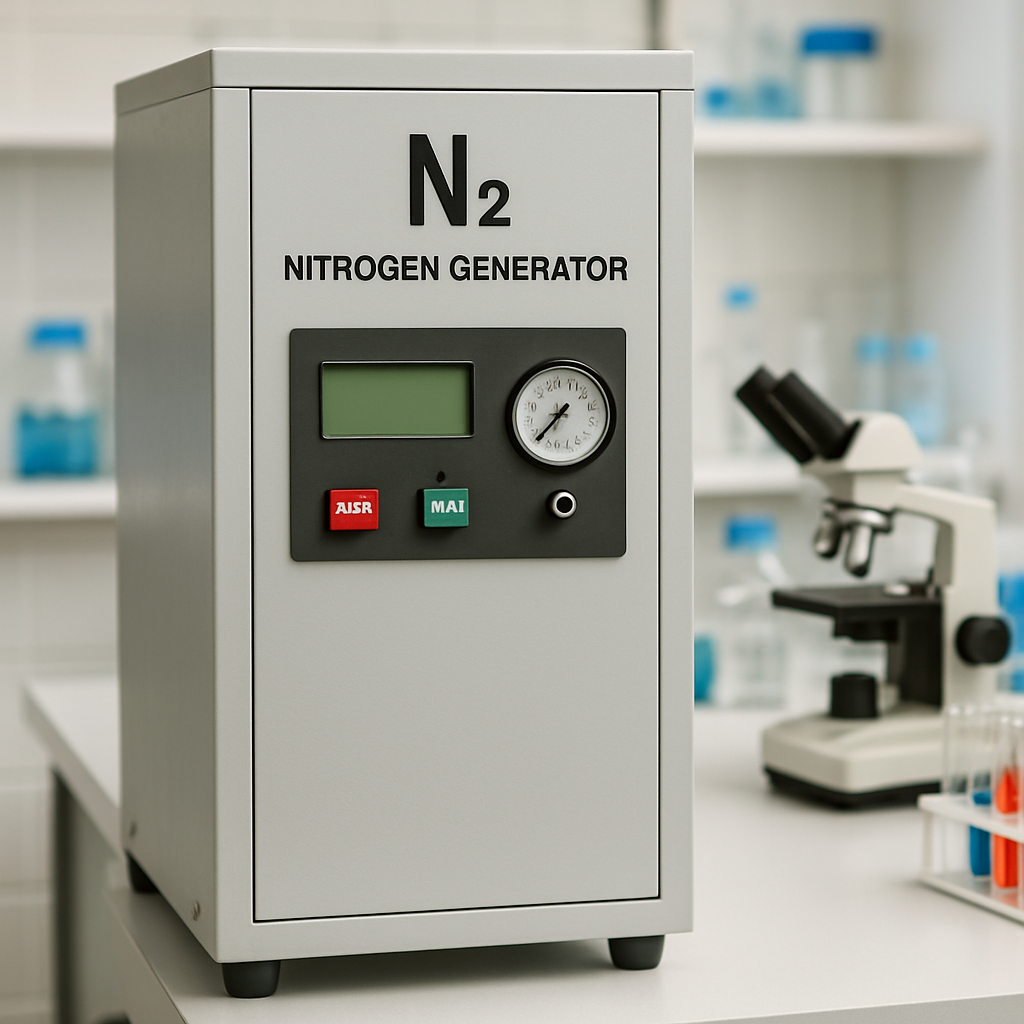
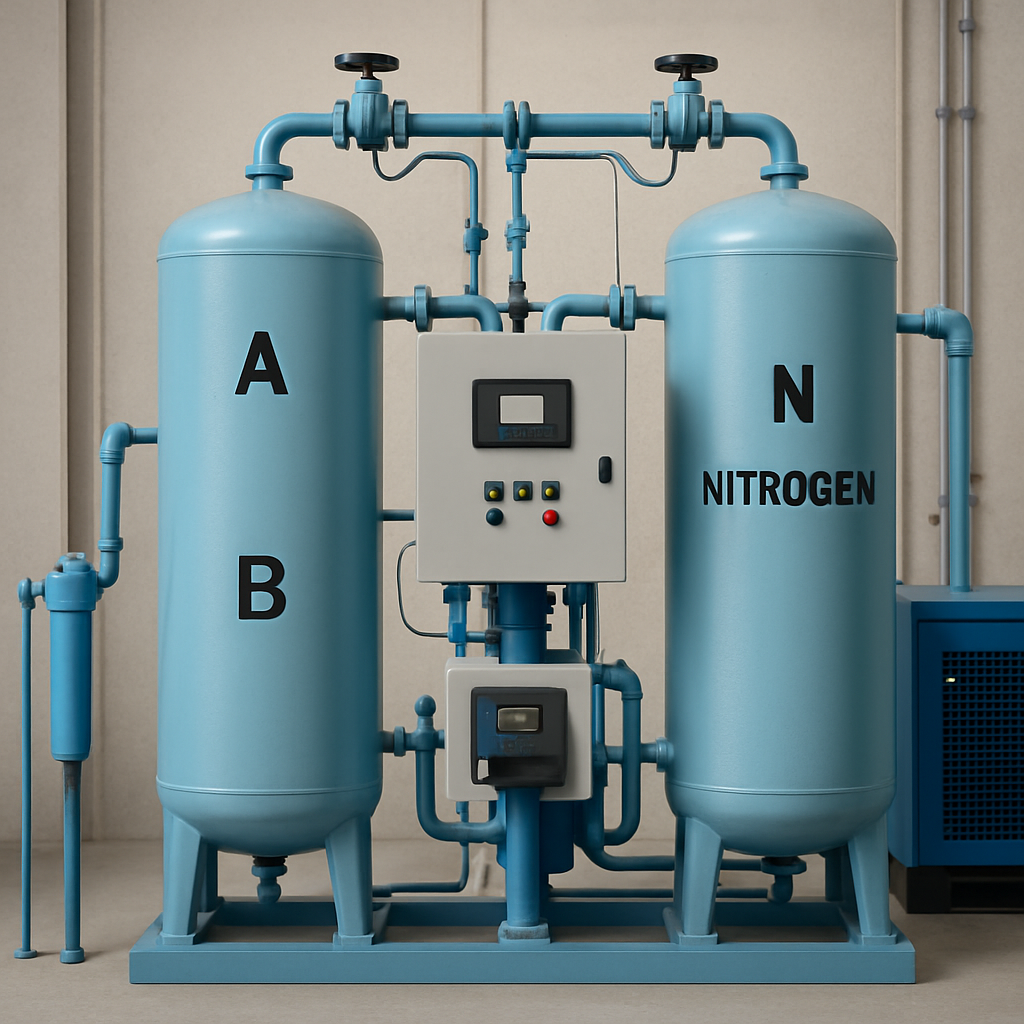
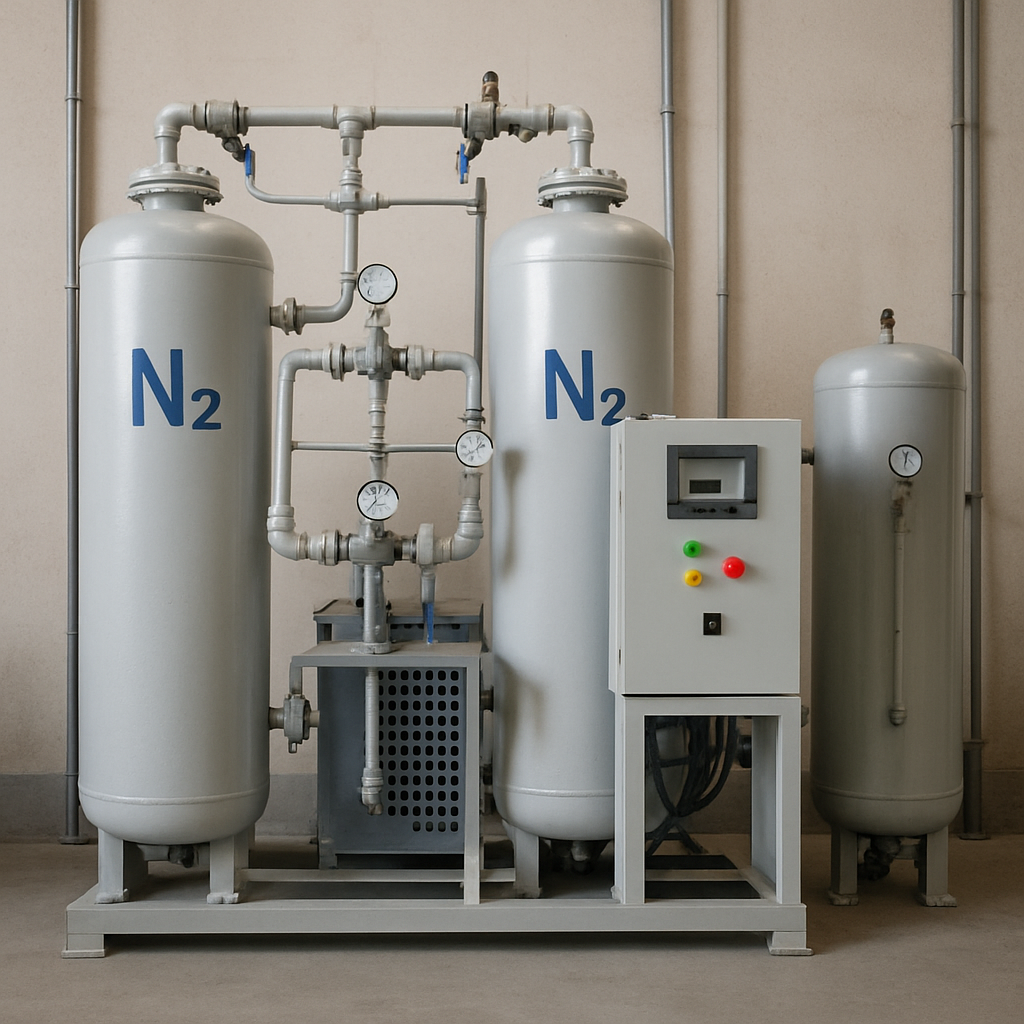
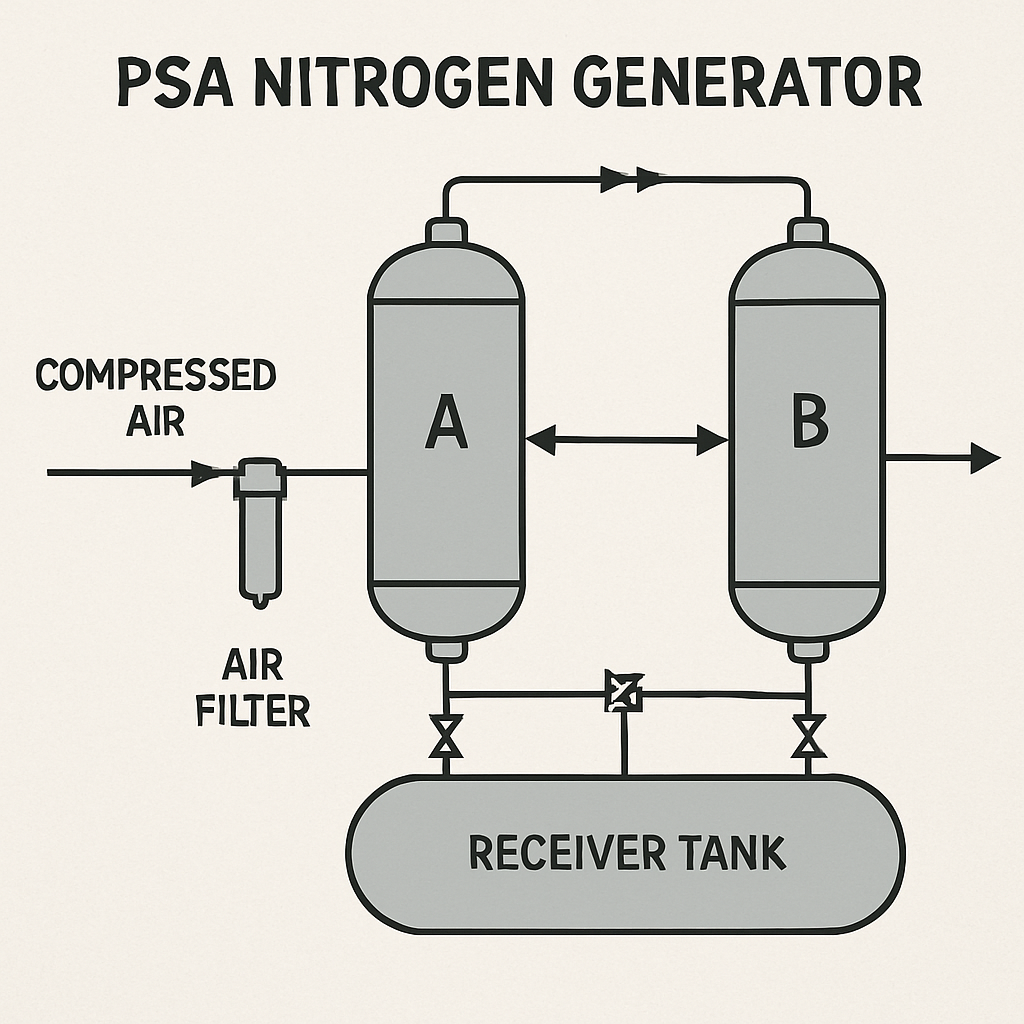
Recently, nitrogen gas is an essential component used in various applications. From food packaging to electronics manufacturing, nitrogen is prized for its inert properties. But how do industries get this nitrogen? Enter Pressure Swing Adsorption (PSA) Nitrogen Generators, a technology that has become a popular choice for on-site nitrogen production. This article will delve into the workings of PSA nitrogen generators, their advantages, and why they are preferred over traditional nitrogen supply methods. If you’re looking to understand nitrogen generation systems, you’ve come to the right place. What is Pressure Swing Adsorption? Pressure Swing Adsorption (PSA) is a process that separates certain gases from a mixture under pressure. This separation is based on the principle of adsorption, where gases adhere to the surface of an adsorbent material. When it comes to nitrogen generation, PSA technology leverages this principle to extract nitrogen from the air. The Role of Adsorbent Materials In PSA systems, the choice of adsorbent material is crucial. Typically, materials like zeolites or activated carbon are used due to their ability to selectively adsorb oxygen and other impurities, leaving behind nitrogen. The efficiency and effectiveness of PSA nitrogen generators largely depend on the quality and type of adsorbent used. How Do PSA Nitrogen Generators Work? Understanding the working principle of PSA nitrogen generators is key to appreciating their efficiency. The process generally involves the following steps: Step 1: Compression Air is drawn into the system and compressed. This increases the pressure, which is vital for the subsequent adsorption process. Step 2: Adsorption The compressed air is passed through a vessel containing the adsorbent material. Here, oxygen and trace gases are adsorbed onto the material, while nitrogen passes through, emerging as a purified gas. Step 3: Desorption Once the adsorbent material is saturated, the pressure is reduced. This process is known as desorption, where the adsorbed gases are released from the adsorbent material, regenerating it for the next cycle. Step 4: Continuous Operation PSA systems are designed for continuous operation. They typically have twin adsorbent beds that alternate between adsorption and desorption, ensuring a steady supply of nitrogen. Advantages of PSA Nitrogen Generators PSA nitrogen generators offer several advantages that make them a preferred choice for industries: Cost-Effective With a PSA nitrogen plant, you can produce nitrogen on-site, eliminating the need for transportation and storage of nitrogen cylinders. This can lead to significant cost savings. […]