gas mass spectrometer

Applications of Gas Mass Spectrometers in Research

Before delving into the myriad applications, it is essential to understand the operational principles of a gas mass spectrometer. The instrument ionizes gas molecules, sorts the resulting ions based on their mass-to-charge ratio, and detects them to generate a mass spectrum. This spectrum is a powerful tool, providing valuable information about the molecular weight, structure, and abundance of the compounds present in the sample. By interpreting these spectra, scientists can deduce complex chemical and physical properties of the analytes, making it an indispensable tool in modern research. The process begins with the ionization of gas molecules, which is a critical step in transforming neutral molecules into charged ions that can be manipulated by electric and magnetic fields. Following ionization, the mass analyzer comes into play, separating the ions according to their mass-to-charge ratio. Finally, the detector records the ions’ arrival, generating data that is processed into a readable mass spectrum. This comprehensive analysis allows for detailed investigations into the nature and dynamics of chemical systems. A typical gas mass spectrometer consists of three primary components: Gas mass spectrometers are invaluable tools in analytical chemistry, aiding researchers in identifying and quantifying compounds in complex mixtures. Their high sensitivity and selectivity make them ideal for analyzing a wide range of chemical substances, from environmental pollutants to pharmaceutical compounds. One of the primary applications of gas mass spectrometry is in environmental analysis. Scientists use it to monitor air quality by detecting pollutants and volatile organic compounds (VOCs). For instance, measuring trace levels of harmful gases like carbon monoxide and nitrogen oxides helps in assessing pollution levels and enforcing environmental regulations. Additionally, gas mass spectrometry is employed in tracking the presence of greenhouse gases, contributing to climate change studies and aiding in the development of strategies to mitigate their impact. The ability to detect and quantify even minute concentrations of pollutants makes gas mass spectrometry a critical tool in environmental protection efforts. Researchers can map pollution sources, understand dispersion patterns, and evaluate the effectiveness of emission control measures. Furthermore, the versatility of gas mass spectrometry allows it to be adapted for field studies, enabling real-time monitoring and analysis of environmental samples. In the pharmaceutical industry, gas mass spectrometry plays a critical role in drug development and quality control. Researchers employ this technique to analyze the purity of drugs and identify potential impurities. It is also used to study the pharmacokinetics of drugs, which involves understanding how a drug is absorbed, distributed, metabolized, and excreted in the body. This information is vital for ensuring drug safety and efficacy, as well as for optimizing dosing regimens and minimizing adverse effects. Furthermore, gas mass spectrometry aids in the identification of new drug candidates through the analysis of complex biological matrices. It provides detailed information on the chemical structure and potential interactions of drug molecules, facilitating the design of more effective and targeted therapies. As pharmaceutical research continues to evolve, the role of gas mass spectrometry in advancing precision medicine and personalized healthcare becomes increasingly significant. Ensuring the safety and quality of food and beverages is another area where gas mass spectrometry is extensively used. It helps in detecting contaminants, such as pesticides and adulterants, which can pose health risks to consumers. By providing rapid and accurate analysis, gas mass spectrometry helps regulatory agencies enforce food safety standards and protect public health. Additionally, it is used in flavor analysis to understand the chemical composition of food products. By identifying volatile compounds responsible for aroma and taste, manufacturers can enhance product quality and develop new flavor profiles. This information is also valuable for verifying product authenticity and detecting fraudulent practices, ensuring consumer confidence and brand integrity. Beyond analytical chemistry, gas mass spectrometers are also employed in various biological research fields. Their ability to provide detailed molecular information is instrumental in advancing our understanding of complex biological systems. Metabolomics, the study of metabolites in biological systems, benefits significantly from gas mass spectrometry. Researchers use it to identify and quantify metabolites in biological samples, providing insights into cellular processes and disease mechanisms. By analyzing metabolic pathways, scientists can uncover biomarkers for disease diagnosis and prognosis, paving the way for the development of new therapeutic strategies and personalized medicine. The high sensitivity and specificity of gas mass spectrometry allow for the detection of a wide range of metabolites, even at low concentrations. This capability is crucial for studying dynamic biological processes and understanding how genetic and environmental factors influence metabolism. As metabolomics continues to grow, gas mass spectrometry will remain a cornerstone in unraveling the complexities of cellular function and disease pathology. In proteomics, the large-scale study of proteins, gas mass spectrometry aids in identifying and characterizing proteins in complex biological samples. It helps in understanding protein structure and function, which is vital for drug discovery and development. By analyzing protein interactions and modifications, researchers can gain insights into cellular signaling pathways and identify potential targets for therapeutic intervention. Gas mass spectrometry provides detailed information on protein sequence, post-translational modifications, and molecular interactions, offering a comprehensive view of the proteome. This information is essential for understanding the molecular basis of diseases and developing targeted treatments. As proteomics research advances, gas mass spectrometry will continue to drive innovations in precision medicine and biomarker discovery. Breath analysis is an emerging field where gas mass spectrometry shows great promise. By analyzing volatile compounds in exhaled breath, researchers can detect biomarkers associated with various diseases, such as asthma and lung cancer. This non-invasive diagnostic approach has the potential to revolutionize medical diagnostics, offering a convenient and painless method for early disease detection and monitoring. The ability to rapidly analyze breath samples provides real-time information on metabolic and physiological changes, enabling timely medical interventions. As technology advances, the applications of breath analysis are expected to expand, offering new opportunities for disease management and personalized healthcare. Gas mass spectrometers also find applications in geosciences, where they contribute to our understanding of Earth’s processes. By analyzing isotopic compositions and volatile compounds, researchers can gain insights into geological and environmental phenomena. Isotope ratio analysis is a technique used to study the isotopic composition of elements in a sample. Gas mass spectrometry allows geoscientists to measure isotope ratios with high precision, providing insights into geological processes such as volcanic activity and climate change. By studying isotopic variations, researchers can reconstruct past environmental conditions and understand the dynamics of Earth’s systems. This information is critical for developing models of climate change and assessing the impact of human activities on the environment. Isotope ratio analysis is also used in paleoclimatology, archaeology, and hydrology, offering valuable insights into historical and contemporary environmental changes. […]
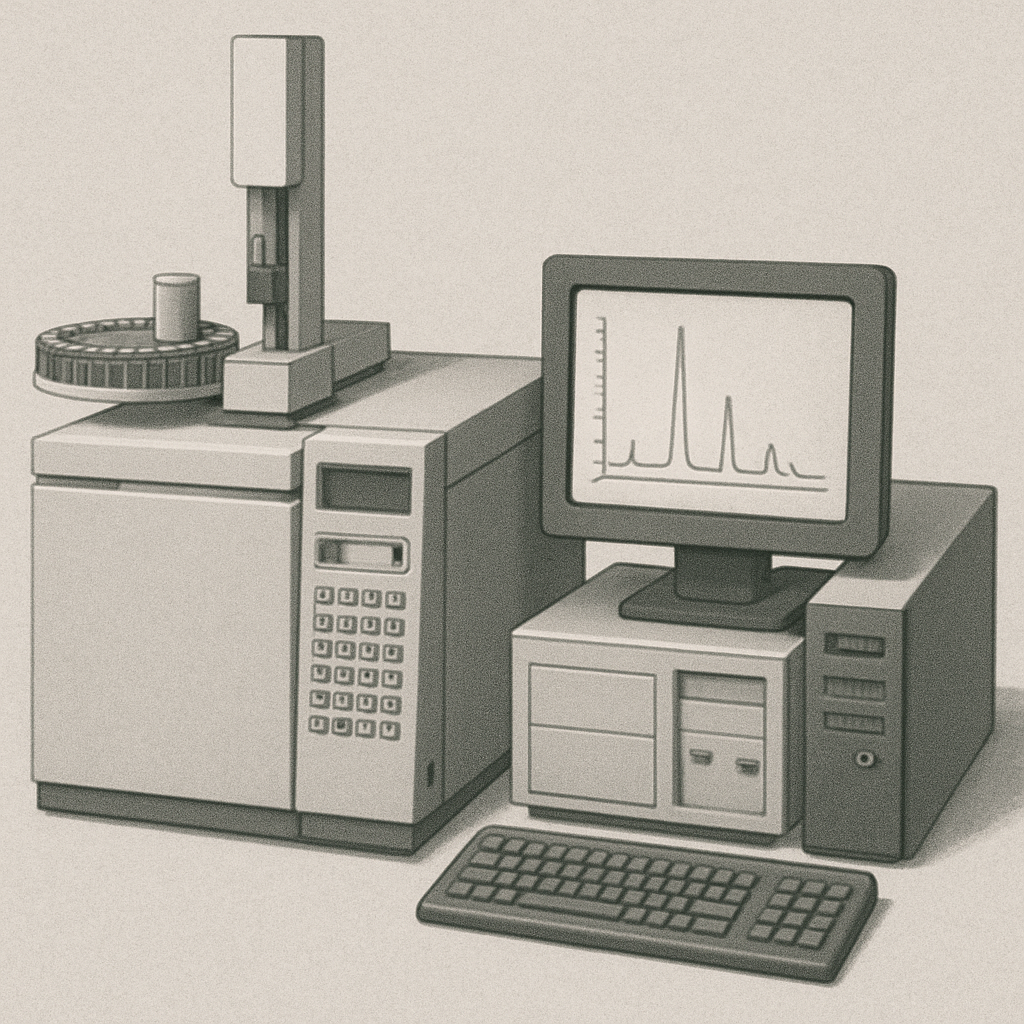
gc mass spectrometry
icp

Understanding GC Mass Spectrometry: Techniques and Applications

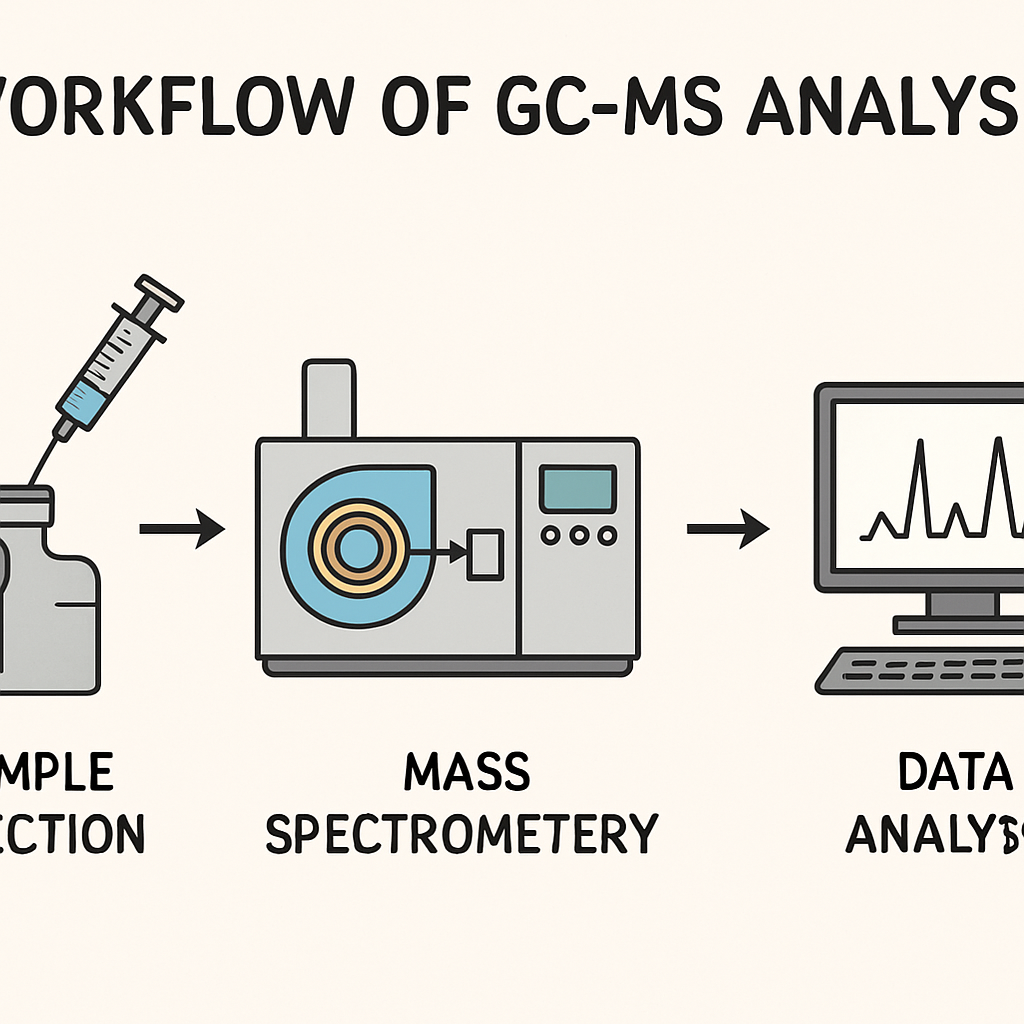
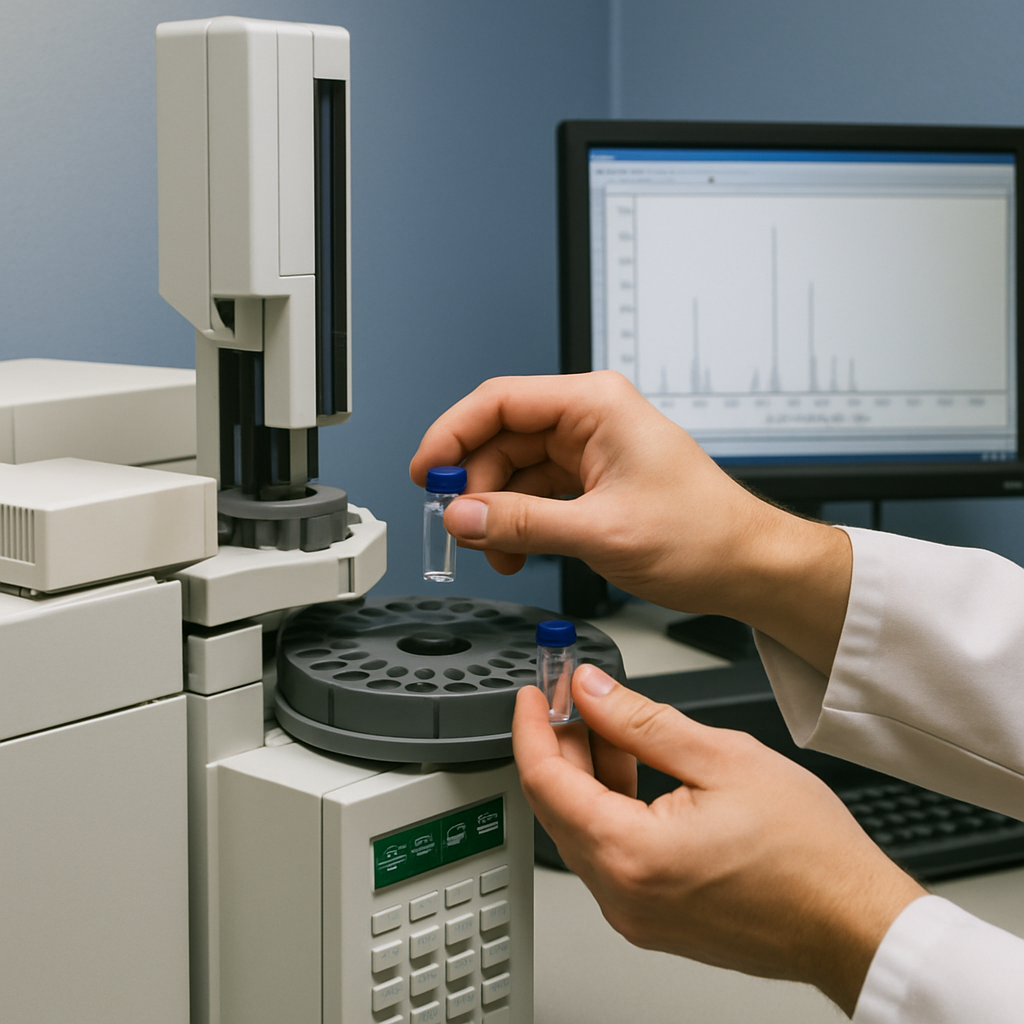
Gas Chromatography-Mass Spectrometry (GC-MS) is a powerful analytical technique that combines the features of gas chromatography and mass spectrometry to identify different substances within a test sample. This method is widely used in various fields such as environmental testing, forensics, and food safety. In this article, we’ll explore the techniques and applications of GC mass spectrometry in a straightforward manner. What is Gas Chromatography-Mass Spectrometry? GC-MS is a method that allows scientists to separate and identify compounds from complex mixtures. It is particularly useful for volatile and semi-volatile substances. The process involves two main steps: gas chromatography (GC) and mass spectrometry (MS). Gas Chromatography (GC) Gas chromatography is the first step in the GC-MS process. In this step, a sample is vaporized and carried by an inert gas through a long, thin column filled with a stationary phase. This column separates the sample into its individual components based on their boiling points and interactions with the stationary phase. Mass Spectrometry (MS) Once the components are separated by GC, they enter the mass spectrometer. Here, they are ionized, which means they are charged, and then broken down into fragments. The mass spectrometer measures the mass-to-charge ratio of these fragments, allowing scientists to identify the compounds based on their unique fragmentation patterns. How Does GC Mass Spectrometry Work? The GC-MS system works by vaporizing the sample, separating its components in the GC column, and then identifying each component with the mass spectrometer. Here is a step-by-step explanation of the process: Applications of GC Mass Spectrometry GC-MS is a versatile tool with numerous applications across various industries. Let’s explore some of the most common uses. Environmental Testing GC-MS is frequently used in environmental testing to detect pollutants and toxins. It is capable of identifying small quantities of contaminants in air, water, and soil samples. This capability is crucial for ensuring environmental safety and compliance with regulatory standards. Forensic Science In forensic science, GC-MS is invaluable for analyzing substances found at crime scenes. It can detect drugs, explosives, and other chemicals, providing crucial evidence in criminal investigations. Its ability to deliver precise and accurate results makes it a trusted tool in forensic labs. by Amplitude Magazin (https://unsplash.com/@amplitudemagazin) Food Safety and Quality Control The food industry relies on GC-MS to ensure product safety and quality. This technique is used to detect contaminants such as pesticides, additives, and other harmful chemicals in food products. By identifying these substances, manufacturers can ensure their products meet health and safety standards. Pharmaceutical Industry In the pharmaceutical industry, GC-MS is used for drug testing and development. It helps in analyzing the composition of pharmaceutical products and ensuring they are free from impurities. This technique is essential for maintaining the efficacy and safety of medications.

gc mass spec
nitrogen generator

Understanding GC Mass Spectrometry Techniques

# Understanding GC Mass Spectrometry Techniques Gas Chromatography-Mass Spectrometry (GC-MS) is a powerful analytical tool used in various fields, from environmental analysis to forensic science. This technique combines the features of gas chromatography and mass spectrometry to identify different substances within a test sample. In this article, we’ll break down the basics of GC-MS, how it works, and its applications in various industries. GC Mass Spectrometry, or GC-MS, is an analytical method that allows scientists to separate, identify, and quantify compounds in a sample. It combines two key techniques: Together, these techniques provide a detailed picture of the chemical composition of a sample. How Does GC-MS Work? Step 1: Sample Preparation Before analysis, the sample must be prepared. Depending on the sample type, this might involve dissolving it in a solvent or concentrating specific components. Proper sample prep is crucial as it influences the accuracy of the results. Step 2: Gas Chromatography The prepared sample is injected into the gas chromatograph. Here, it is vaporized and carried by an inert gas through a column coated with a liquid stationary phase. As the sample moves through the column, different compounds separate based on their boiling points and interactions with the stationary phase. Step 3: Mass Spectrometry Once separated, the compounds exit the column and enter the mass spectrometer. Here, they are ionized, which means they are broken into charged particles. These ions are then sorted by their mass-to-charge ratio. Step 4: Detection and Analysis The detector records the ions’ mass spectrum, a unique pattern that can be used to identify and quantify each compound. Advanced software then analyzes the data to give a detailed breakdown of the sample’s composition. Applications of GC-MS GC-MS is a versatile technique with applications in numerous fields: Environmental Analysis GC-MS is widely used in environmental studies to detect and quantify pollutants in water, air, and soil. It helps ensure compliance with environmental regulations and assesses the impact of pollutants on ecosystems. Forensic Science In forensic laboratories, GC-MS is an essential tool for analyzing substances found at crime scenes. It helps identify drugs, explosives, and toxins with high precision, providing vital evidence in criminal investigations.

gc chromatography
nitrogen generator

GC Chromatography Explained: Principles Applications and How It Works

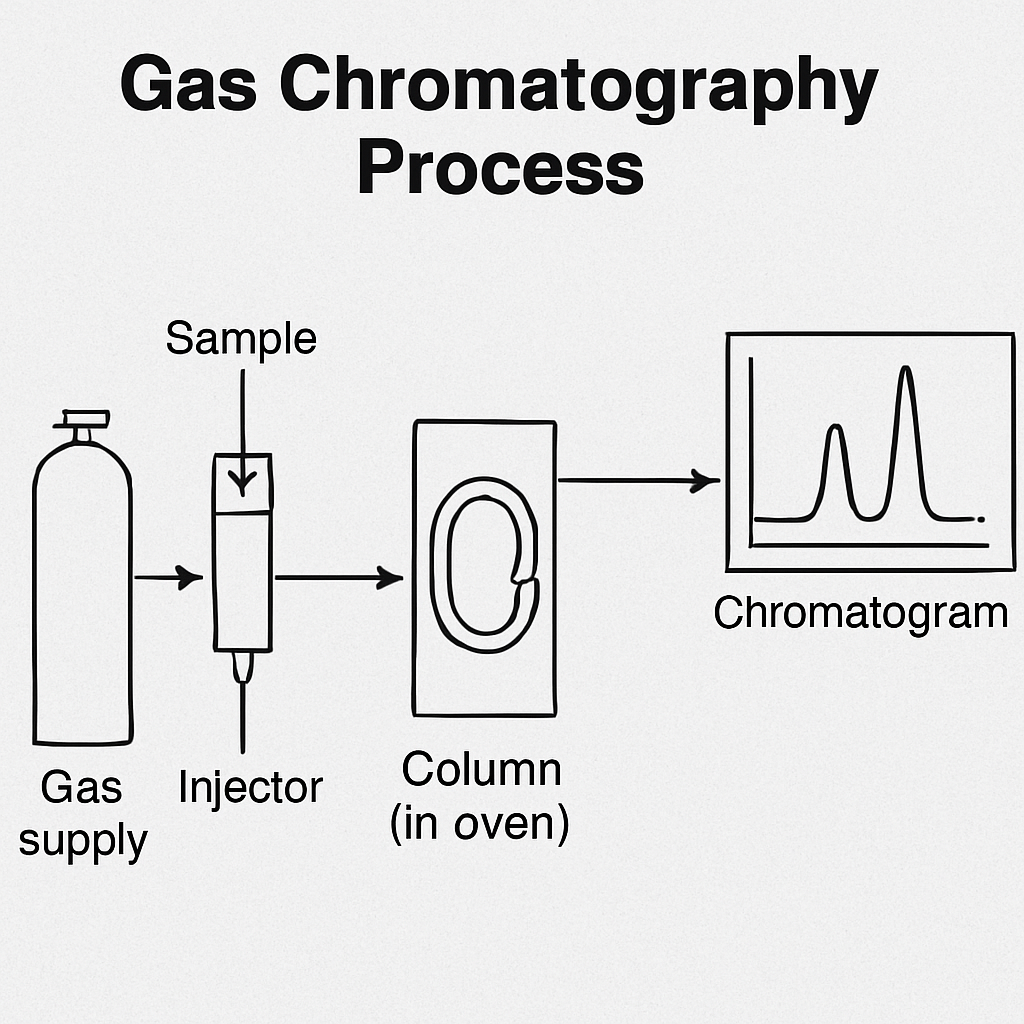
Gas chromatography (GC) is a powerful analytical technique used in the field of chemistry to separate and analyze compounds that can be vaporized without decomposition. Whether you are a student, a professional chemist, or someone with a keen interest in analytical chemistry, understanding GC chromatography can open doors to a myriad of applications in various industries. In this article, we will explore the principles, applications, and workings of GC chromatography in simple terms. GC chromatography is a method used to separate volatile substances from a mixture. The technique involves using a gas as the mobile phase and a liquid or solid stationary phase. As the sample is vaporized and introduced into the chromatograph, its components are separated based on their volatility and interaction with the stationary phase. Understanding the Mobile Phase The mobile phase in gas chromatography is typically an inert gas such as helium or nitrogen. This gas is responsible for carrying the vaporized sample through the column. The choice of gas can affect the efficiency of the separation process, with helium often preferred for its optimal flow characteristics. It’s important to maintain a consistent flow rate to ensure reliable results. Exploring the Stationary Phase The stationary phase is the heart of the GC column. It can be either a liquid or solid material coated on the column’s interior. This phase is crucial as it interacts with different components of the mixture at varying degrees, influencing the separation process. The composition of the stationary phase is selected based on the nature of the compounds being analyzed, allowing for tailored separations. Interaction and Separation Dynamics As the sample travels through the column, components that interact more strongly with the stationary phase will take longer to exit the column compared to those that interact weakly. This differential migration leads to the separation of the mixture components. Understanding these interactions can help in optimizing the GC method for specific analyses, enhancing resolution and accuracy. How Does Gas Chromatography Work? The process of gas chromatography can be broken down into a few key steps: Sample Introduction and Vaporization The first step in gas chromatography is the introduction of the sample into the chromatograph through an injector port. It’s crucial that the sample is in a gaseous state, so it’s often vaporized before entry. The vaporization step must be controlled to prevent decomposition, ensuring that the sample integrity is maintained for accurate analysis. Column Separation and Flow Dynamics Once inside, the sample is carried by the mobile phase through the column. The column is where the magic of separation occurs, with the interaction between the sample and the stationary phase dictating the separation efficiency. The temperature of the column is often controlled to optimize these interactions, allowing for better separation of complex mixtures. Detection Mechanisms As different components exit the column, they are detected by a detector. The choice of detector can impact the sensitivity and specificity of the analysis. Detectors like Flame Ionization Detector (FID) and Mass Spectrometer (MS) provide different benefits, from detecting ions formed during combustion to detailed molecular analysis, catering to a variety of analytical needs. Data Analysis and Interpretation The detector is usually connected to a computer that generates a chromatogram—a visual representation of the separated components. The chromatogram displays peaks corresponding to different compounds in the mixture. By analyzing these peaks, chemists can determine the identity and quantity of the compounds, allowing for both qualitative and quantitative analysis. Types of Detectors Used in GC Gas chromatography uses various detectors to identify and quantify compounds. Some common detectors include:

pressure swing adsorber
nitrogen generator

What is a Pressure Swing Adsorber PSA and How Does It Work

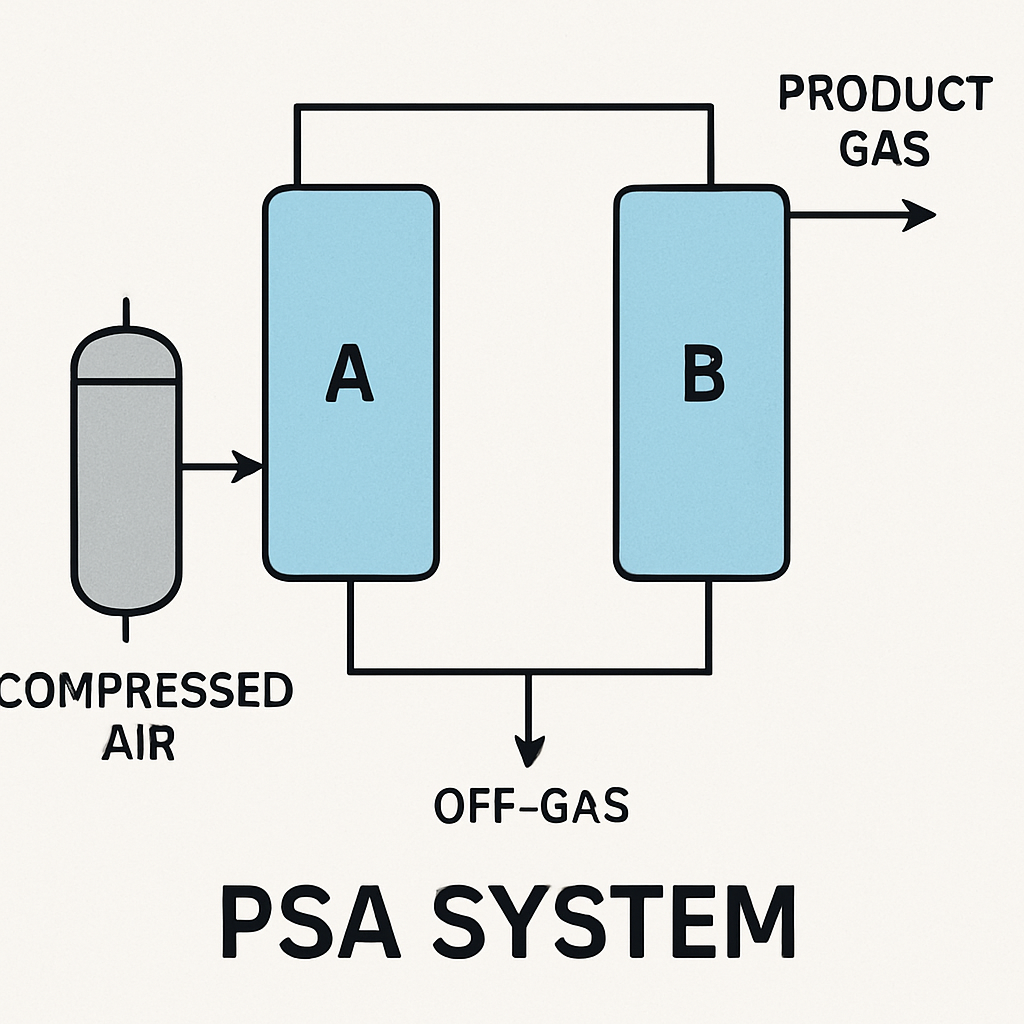
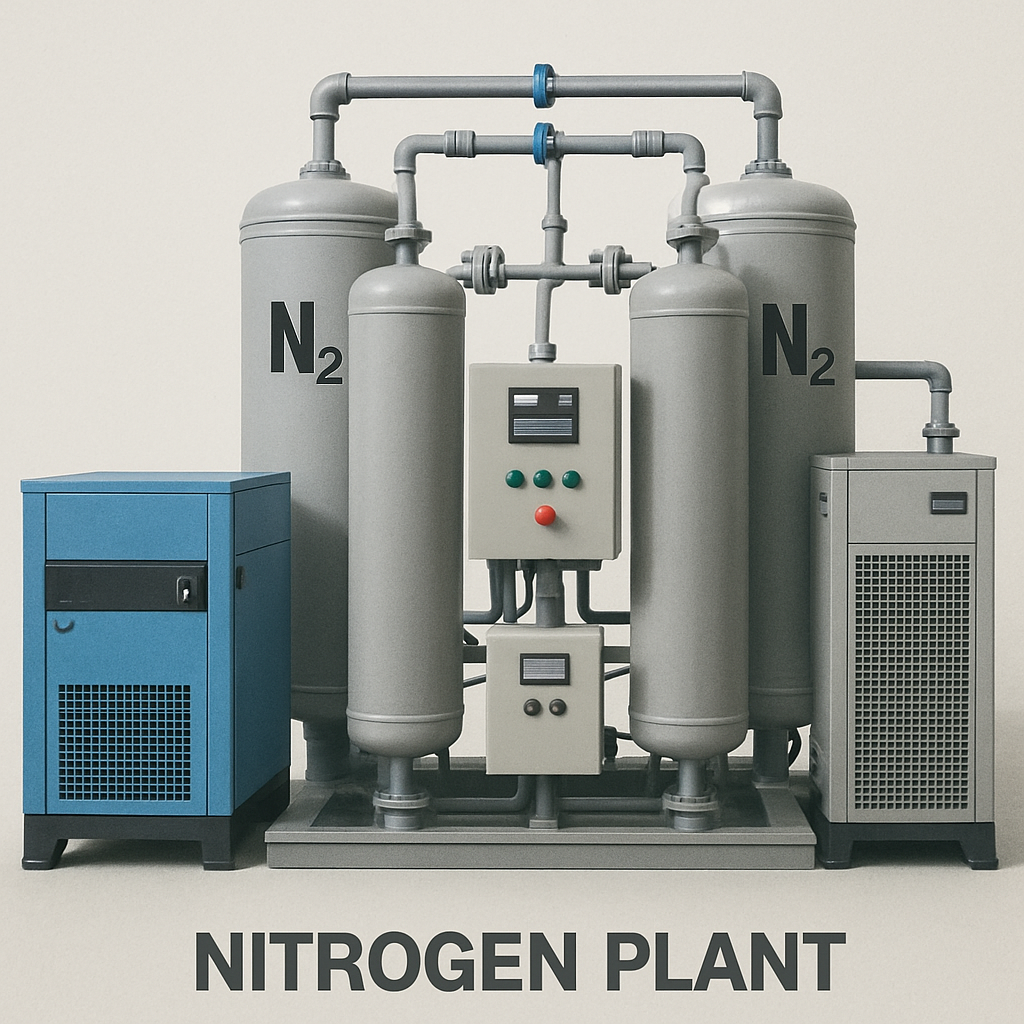
When it comes to separating gases from a mixture, a Pressure Swing Adsorber (PSA) is an essential technology used in various industries. From producing high-purity nitrogen for food packaging to generating oxygen for medical applications, PSA systems are versatile and efficient. In this article, we’ll explore what a Pressure Swing Adsorber is, how it works, and why it’s a key player in gas separation processes. Before diving into the mechanics of Pressure Swing Adsorbers, it’s crucial to understand their role in the industry. What is a Pressure Swing Adsorber? A Pressure Swing Adsorber (PSA) is a device used to separate specific gases from a mixture of gases under pressure. It uses the principle of adsorption, where certain gases adhere to the surface of an adsorbent material while others pass through. By manipulating the pressure, PSA systems can effectively capture and release gases, achieving the desired separation. Key Components of a PSA System A typical PSA system consists of several key components: How Does a Pressure Swing Adsorber Work? The operation of a PSA system involves a cycle of adsorption and desorption, utilizing pressure changes to separate gases. The Adsorption Phase In the adsorption phase, the gas mixture is introduced into the PSA system under high pressure. As the mixture passes through the adsorption tower, the adsorbent material captures specific gases from the mixture. For example, if the goal is to produce nitrogen, the adsorbent will capture oxygen and other impurities, allowing nitrogen to pass through. The Desorption Phase Once the adsorbent material is saturated with the captured gases, the system enters the desorption phase. By reducing the pressure, the captured gases are released from the adsorbent material. This regenerates the adsorbent, making it ready for the next cycle of adsorption. Repeating the Cycle The PSA process is cyclical, with the adsorption and desorption phases repeating continuously. This allows for a steady supply of the desired gas with high purity. Advantages of Pressure Swing Adsorber Design PSA systems offer several benefits that make them a preferred choice for gas separation. High Purity Levels One of the significant advantages of PSA systems is their ability to produce gases with high purity levels. This is crucial for applications such as medical oxygen production, where impurities can have severe consequences. Energy Efficiency PSA systems are designed to be energy-efficient, utilizing pressure changes rather than chemical reactions or high temperatures to achieve gas separation. This results in lower operational costs compared to other methods.

icp analysis
icp

Top Applications of ICP Analysis in Environmental Food and Industrial Testing

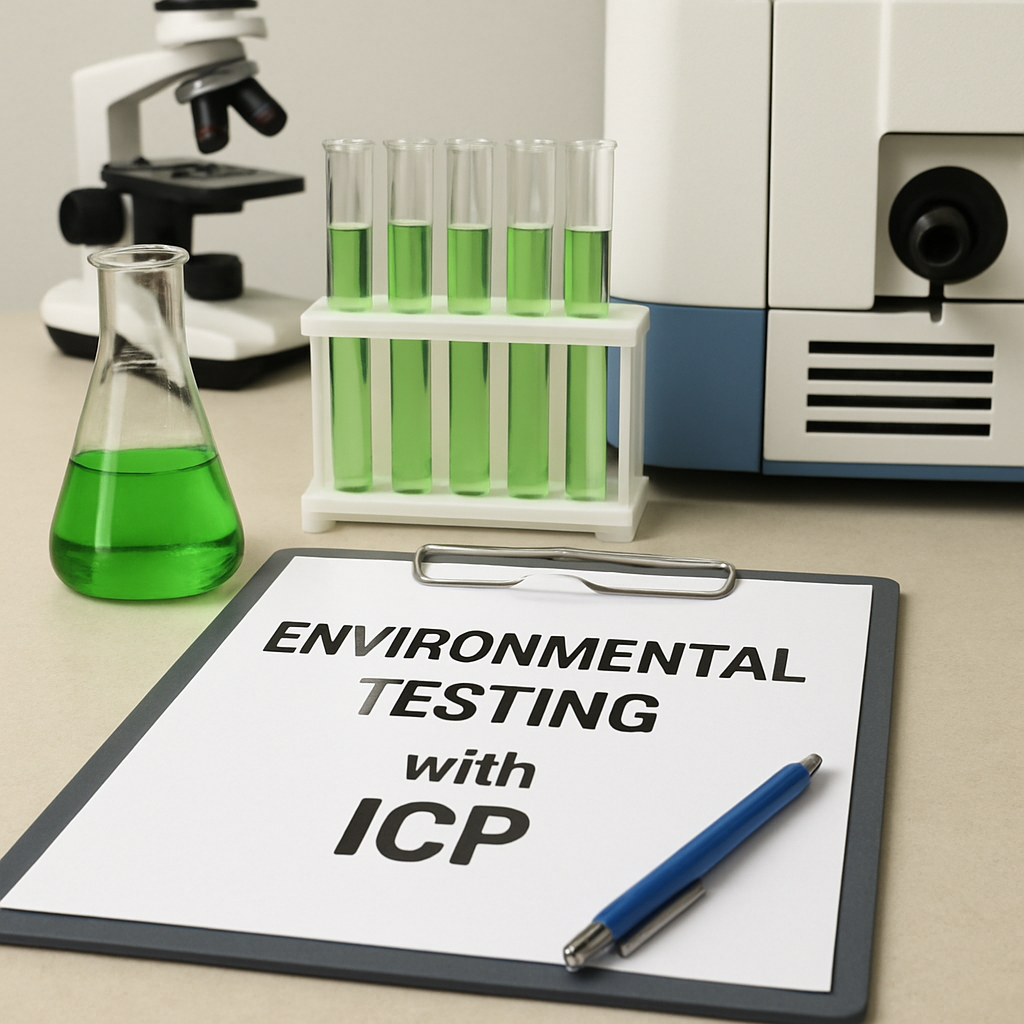
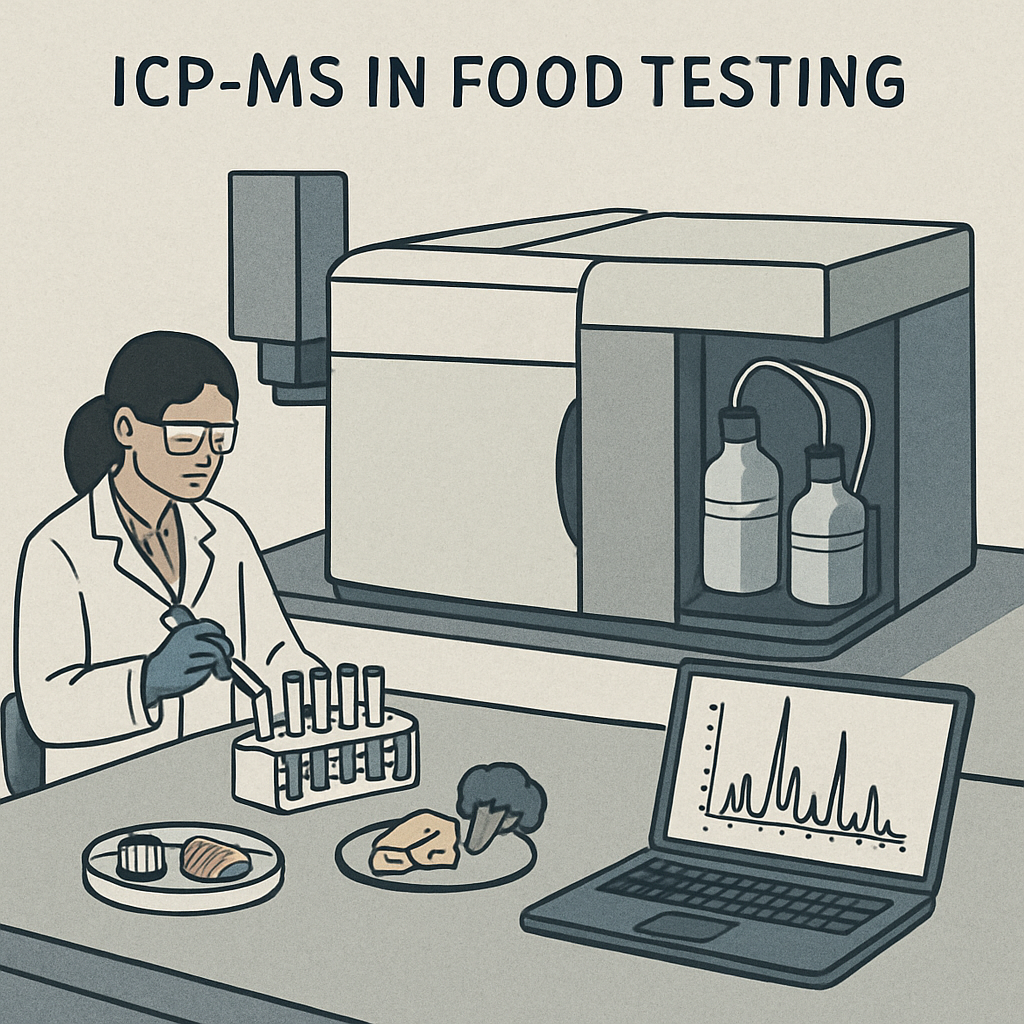
Recently, ensuring the quality and safety of our environment, food, and industrial products is more crucial than ever. Across multiple sectors, from environmental science to food safety and industrial quality control, ICP analysis stands out as a cornerstone technique. But what exactly is ICP analysis, and why is it so essential across these various fields? ICP, or Inductively Coupled Plasma, analysis is a sophisticated technique used to detect and measure the concentration of elements in a sample. This method is highly sensitive and can identify trace elements at parts per million (ppm) or even parts per billion (ppb) levels. The versatility and precision of ICP analysis make it invaluable in numerous applications, providing insights that are critical for maintaining safety, compliance, and quality standards. At its core, ICP analysis involves the use of a high-temperature plasma to excite atoms in a sample. The process begins with the sample being introduced into the plasma torch, where it undergoes atomization and ionization. This creates a range of ions and excited atoms that emit light at characteristic wavelengths. By measuring the intensity of this emitted light, scientists can determine the concentration of specific elements within the sample. This precise method allows for the detection of even minute quantities of elements, which is vital for applications requiring high accuracy. The plasma used in ICP analysis is generated by an electric field, which ionizes an inert gas, typically argon. This creates a highly energetic environment capable of breaking down samples into their constituent elements. The unique properties of plasma enable the detection of elements across a wide concentration range, from major constituents to trace impurities. This versatility is one of the reasons why ICP analysis is favored in many scientific and industrial settings. The equipment used in ICP analysis is highly specialized. Key components include the plasma torch, spectrometer, and a detection system. The spectrometer is essential for separating the light emitted by excited atoms into its component wavelengths. Advances in technology have led to the development of sophisticated instruments that offer enhanced sensitivity, accuracy, and speed. Modern ICP systems can simultaneously measure multiple elements, greatly increasing throughput and efficiency. The environmental sector relies heavily on ICP analysis for monitoring and safeguarding natural resources. The ability to detect and quantify trace elements is crucial for maintaining ecological balance and ensuring public health. Monitoring Air Quality Air pollution is a significant concern for public health and the environment. ICP analysis plays a critical role in monitoring air quality by detecting harmful metals like lead, arsenic, and mercury in atmospheric samples. These analyses help regulatory bodies enforce air quality standards and protect public health. By regularly sampling and analyzing air, scientists can track pollution sources and trends, enabling more effective interventions and policy-making. Water Quality Assessment Water is essential for life, making its purity a priority. ICP analysis is widely used to monitor water quality by identifying and quantifying metals and other contaminants in water sources. This ensures that drinking water is safe and meets regulatory standards. It is also vital in assessing wastewater treatment processes and ensuring the safe discharge of industrial effluents. Regular monitoring helps in maintaining ecosystem health and preventing pollution-related issues. Soil Contamination Studies Soil contamination from industrial activities can have far-reaching consequences on agriculture and ecosystems. ICP analysis aids in detecting heavy metals and other pollutants in soil samples, guiding remediation efforts and helping to prevent further environmental degradation. By understanding the extent and nature of soil contamination, scientists and policymakers can develop effective strategies for land restoration and management, ensuring long-term sustainability. Waste Management and Recycling In the realm of waste management, ICP analysis assists in evaluating the composition of waste materials, ensuring proper disposal and recycling practices. By identifying hazardous elements, it helps in minimizing environmental impact and promoting sustainable waste management solutions. Recycling processes benefit from the precise identification of valuable metals, which can be recovered and reused, contributing to resource conservation. Applications in Food Testing Food safety and quality are paramount for consumer health and market success. ICP analysis plays a critical role in ensuring that food products are safe, nutritious, and compliant with regulations. Ensuring Food Safety Food safety is paramount for consumer health. ICP analysis is used to ensure that food products are free from harmful levels of metals like cadmium, lead, and mercury. By analyzing raw ingredients and final products, manufacturers can maintain high safety standards and comply with regulations. This not only protects consumers but also enhances brand reputation and trust in the market. Nutritional Content Analysis Beyond safety, ICP analysis is also employed to determine the nutritional content of food items. For instance, it can measure essential minerals such as calcium, iron, and zinc, providing valuable information for nutritional labeling and product development. This data is crucial for consumers making informed dietary choices and for manufacturers aiming to create health-promoting products.

icpms
nitrogen generator

What is ICPMS? A Complete Guide to Inductively Coupled Plasma Mass Spectrometry

Inductively Coupled Plasma Mass Spectrometry, commonly known as ICPMS, is a powerful analytical technique used to detect and measure trace elements in various samples. It offers unparalleled sensitivity and precision, making it a preferred choice in many scientific and industrial applications. This guide will walk you through the essentials of ICPMS, its applications, and its advantages over other methods like ICP-OES. ICPMS combines a high-temperature plasma source with a mass spectrometer to detect elements at trace levels. But how does it actually work? The Basics of ICPMS Inductively Coupled Plasma Mass Spectrometry involves three main steps: Key Components of ICPMS Applications of ICPMS ICPMS is used in various fields due to its ability to measure trace elements with high precision and sensitivity. Environmental Analysis ICPMS is widely used in environmental science to monitor pollution levels. It helps in detecting heavy metals in water, soil, and air, which is crucial for environmental protection and regulatory compliance. Pharmaceutical Industry In the pharmaceutical sector, ICPMS ensures the purity of drugs by detecting trace metal impurities. This is vital for drug safety and efficacy. Food and Beverage Testing Ensuring food safety is another critical application of ICP-MS. It detects harmful elements like lead and mercury in food products, helping to safeguard public health. Clinical and Biological Research In clinical settings, ICP-MS is used for biomonitoring and nutritional studies. It can measure trace elements in biological samples like blood and urine, aiding in health diagnostics and research. ICP-OES vs. ICPMS ICPMS and ICP-OES (Inductively Coupled Plasma Optical Emission Spectrometry) are both used for elemental analysis, but they differ in several ways. Sensitivity ICPMS is more sensitive than ICP-OES, capable of detecting elements at parts per trillion (ppt) levels. This makes it ideal for applications requiring ultra-trace detection. Speed and Simplicity

gas chromatography mass spectrometry
nitrogen generator

A Beginner s Guide to Gas Chromatography Mass Spectrometry GC-MS

Gas Chromatography Mass Spectrometry (GC-MS) is a powerful analytical tool used in many scientific fields. Whether you are new to the world of analytical chemistry or just curious about how this technology works, this guide will break down the basics of GC-MS in a straightforward way. Gas Chromatography Mass Spectrometry, often abbreviated as GC-MS, is a method that combines two techniques: gas chromatography and mass spectrometry. Together, they allow scientists to identify and quantify different substances in a sample. This combination makes GC-MS one of the most reliable and versatile analytical methods available today. Understanding Gas Chromatography Gas Chromatography (GC) is the first part of the process. In GC, the sample is vaporized and carried by an inert gas through a column filled with a stationary phase. As the sample moves through the column, its components separate based on how they interact with the stationary phase. Different substances will take different amounts of time to travel through the column, allowing them to be separated from one another. Delving into Mass Spectrometry Once the substances are separated, they are fed into the Mass Spectrometer. Mass Spectrometry (MS) works by ionizing the chemical compounds to generate charged molecules or molecule fragments, and then measuring their mass-to-charge ratios. This creates a spectrum that can be used to identify the components of the sample. Why Use GC-MS? GC-MS is widely used because it provides both qualitative and quantitative data. Here are some reasons why GC-MS is preferred in many laboratories: How Does GC-MS Work? The GC-MS process can be broken down into several key steps: Step 1: Sample Preparation Before analysis, samples need to be prepared. This might involve dissolving the sample in a solvent or performing an extraction to isolate the compounds of interest. Proper sample preparation is crucial for accurate results. Step 2: Separation by Gas Chromatography Once prepared, the sample is introduced into the gas chromatograph. The sample is vaporized and carried by an inert gas (like helium) through the column. As mentioned earlier, the components of the sample separate based on their interactions with the stationary phase inside the column. Step 3: Detection by Mass Spectrometry After separation, the individual components enter the mass spectrometer. Here, they are ionized, and their mass-to-charge ratios are measured. The resulting spectrum is a unique “fingerprint” that can be used to identify each component. Step 4: Data Analysis The data from the mass spectrometer is analyzed to identify and quantify the components of the sample. Specialized software helps match the spectra to known substances in a library, providing the user with the identity of the compounds. Applications of GC-MS by ThisisEngineering (https://unsplash.com/@thisisengineering)

portable nitrogen generator
nitrogen generator

Portable Nitrogen Generators What They Are and How They Work

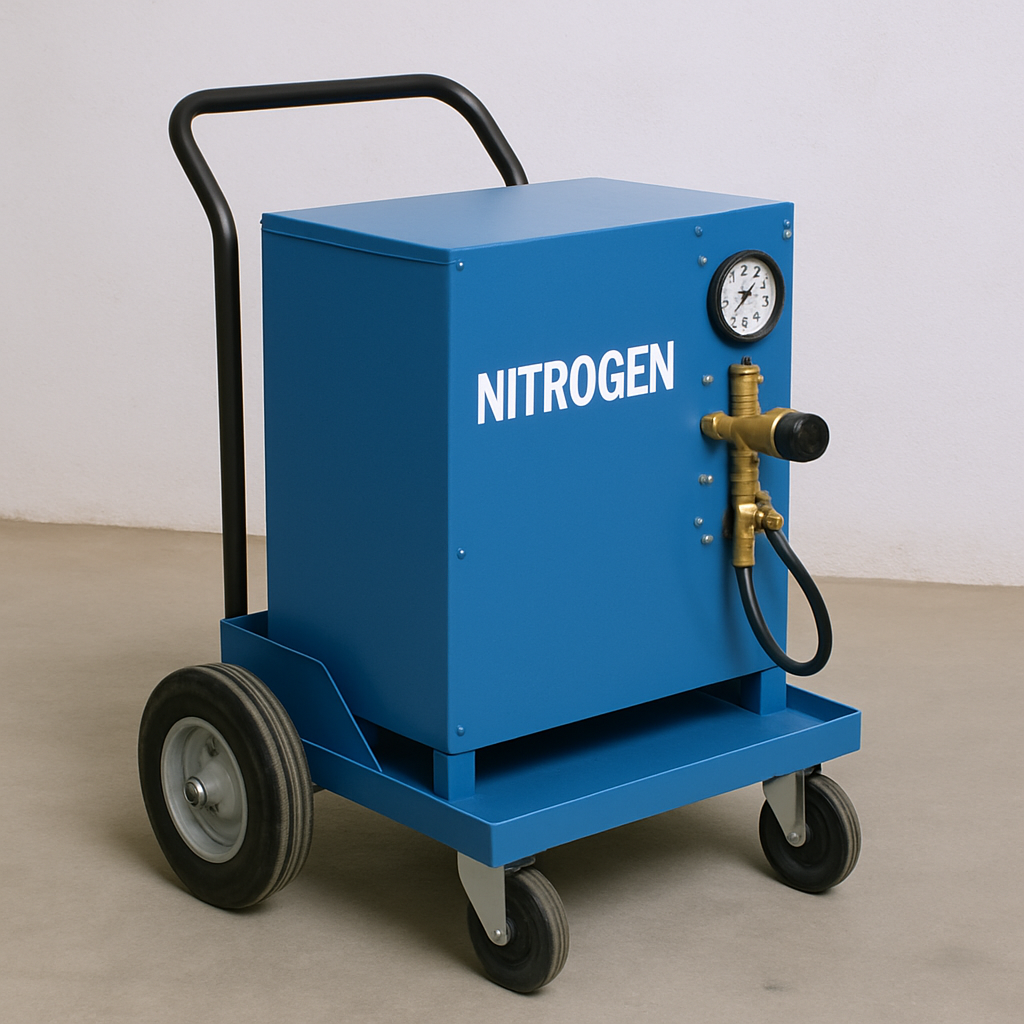
In industries ranging from food packaging to electronics, the need for nitrogen gas is paramount. Nitrogen is an inert gas, meaning it doesn’t react easily with other substances, making it perfect for preserving freshness and preventing oxidation. While traditional methods of acquiring nitrogen involve large, immobile systems or gas cylinders, the advent of portable nitrogen generators has revolutionized the way businesses can access and utilize this essential gas. Portable nitrogen generators are compact systems designed to produce nitrogen gas on-site and on-demand. Unlike conventional gas cylinders, these generators provide a continuous supply of nitrogen without the need for transportation or storage of large gas tanks. This not only saves space but also reduces the logistical challenges associated with gas delivery. The Basics of Nitrogen Gas Generators At their core, nitrogen gas generators separate nitrogen from the air, which is composed of about 78% nitrogen, 21% oxygen, and a small percentage of other gases. Using a process called Pressure Swing Adsorption (PSA) or membrane technology, these generators filter out oxygen and other trace gases to produce high-purity nitrogen. Pressure Swing Adsorption (PSA) Technology PSA is a widely-used technology in nitrogen generators. It involves using adsorbent materials that selectively trap oxygen molecules under high pressure, allowing nitrogen to pass through. When the pressure is reduced, the adsorbed oxygen is released, and the adsorbent material is regenerated for the next cycle. This cycle of adsorption and desorption results in a continuous stream of nitrogen gas. Membrane Technology Membrane technology, on the other hand, utilizes semi-permeable membranes that allow nitrogen to pass through while restricting oxygen and other gases. This method is often preferred for applications requiring lower purity levels but offers the advantage of having fewer moving parts and simpler maintenance. Advantages of Portable Nitrogen Generators The convenience and efficiency of portable nitrogen generators have made them a popular choice across various sectors. Here are some of the key benefits: On-Demand Nitrogen Supply One of the primary advantages is the ability to produce nitrogen gas as needed. This on-demand supply eliminates the need for storing large quantities of nitrogen, reducing the risk of running out during critical operations. Cost-Effective Solution Portable nitrogen generators can offer significant cost savings over time. By producing nitrogen on-site, businesses can reduce the expenses associated with purchasing and transporting gas cylinders. Additionally, the maintenance costs of these systems are generally lower compared to traditional nitrogen supply methods. Enhanced Safety Handling large gas cylinders can pose safety risks, including potential leaks or accidents during transportation. Portable nitrogen generators minimize these risks by allowing for on-site production, thereby reducing the need for handling hazardous materials. Environmental Impact Generating nitrogen on-site reduces the carbon footprint associated with the transport and storage of gas cylinders. This aligns with the growing emphasis on sustainable and environmentally friendly business practices. Applications of Portable Nitrogen Generators Portable nitrogen generators have found applications across a wide range of industries due to their versatility and convenience.

Scroll to Top