nitrogen generator australia
nitrogen generator

Exploring Nitrogen Generator Options in Australia

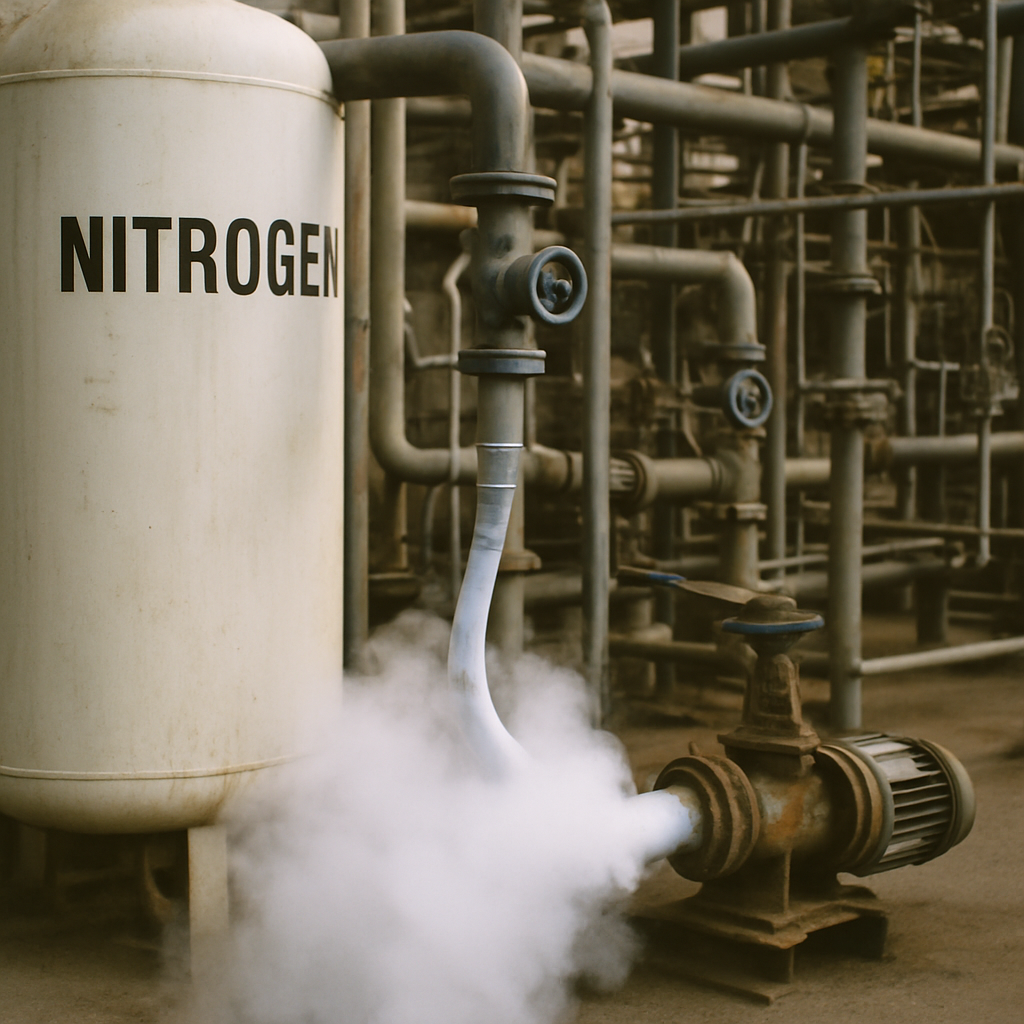
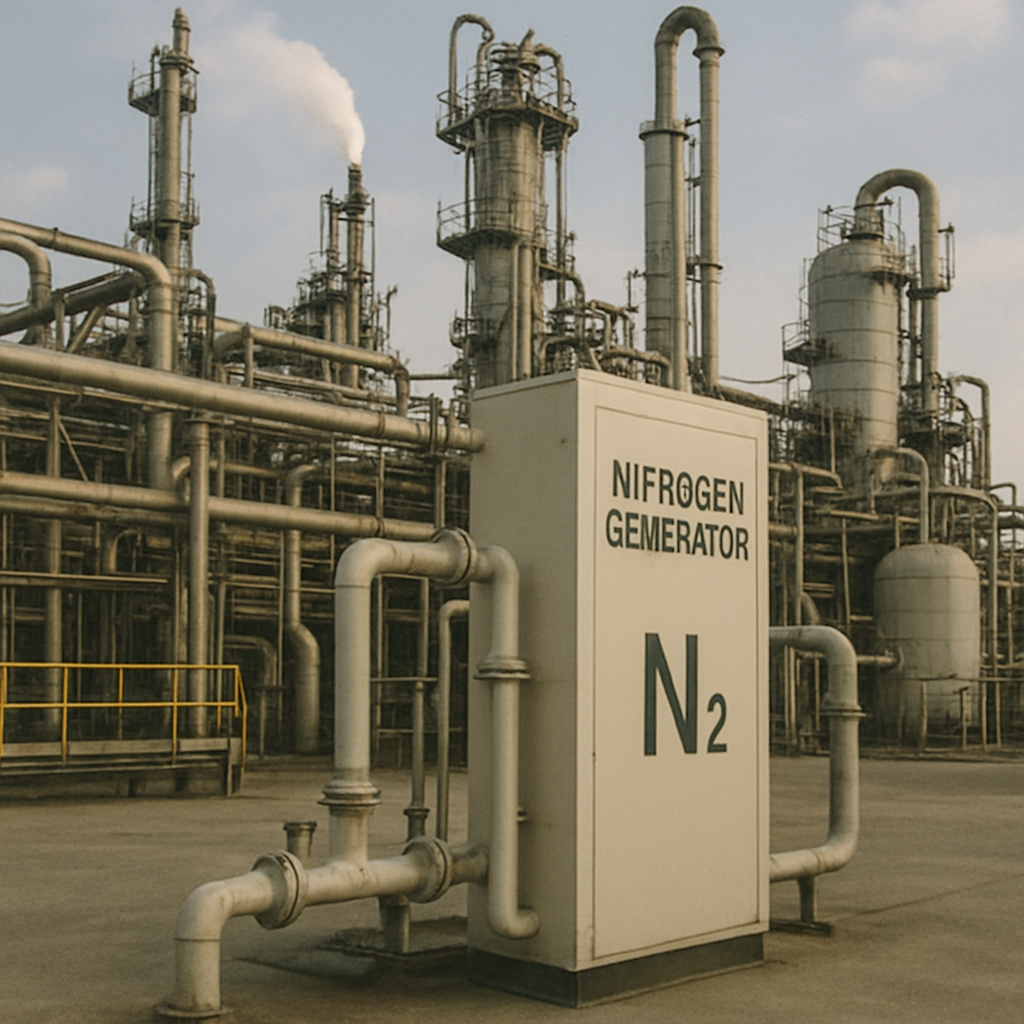
In the world of industrial and scientific applications, nitrogen generators have become essential equipment. Whether you’re in the food packaging industry, chemical manufacturing, or any field that requires nitrogen gas, having the right generator can make a significant difference. In Australia, the demand for efficient and reliable nitrogen generators is on the rise. This article will guide you through the options available, helping you make an informed decision. Before diving into the options, let’s understand what a nitrogen generator is. A nitrogen generator is a device that separates nitrogen from other gases in the air. It does this using various technologies, such as membrane filtration or pressure swing adsorption (PSA). The result is a high-purity nitrogen gas that can be used for a wide range of applications. There are several reasons why businesses in Australia are opting for nitrogen generators over traditional gas cylinders or liquid nitrogen deliveries: Types of Nitrogen Generators Available in Australia When considering a nitrogen generator for sale in Australia, it’s essential to understand the different types available. Each has its advantages and is suited to specific applications. Membrane Nitrogen Generators Membrane nitrogen generators use a selective permeation process to separate nitrogen from other gases in the air. They are ideal for applications that require nitrogen with a lower purity level, typically up to 99.5%. Advantages: Pressure Swing Adsorption (PSA) Nitrogen Generators PSA nitrogen generators use a technology based on adsorbent materials that capture unwanted gases. These systems can achieve higher purity levels, up to 99.999%. Advantages: Liquid Nitrogen Generators Liquid nitrogen generators are a bit different, as they produce nitrogen in its liquid form. This type is often used in laboratories or industries that require cryogenic temperatures. Advantages: Finding the Right Supplier in Australia When looking for a nitrogen generator in Australia, choosing the right supplier is crucial. Here are some factors to consider: Experience and Expertise Look for suppliers with a proven track record in the industry. They should have a deep understanding of nitrogen generation and offer solutions tailored to your specific needs. After-Sales Support A reliable supplier should offer excellent after-sales service, including maintenance, spare parts, and technical support. This ensures that your generator operates efficiently throughout its lifespan. […]
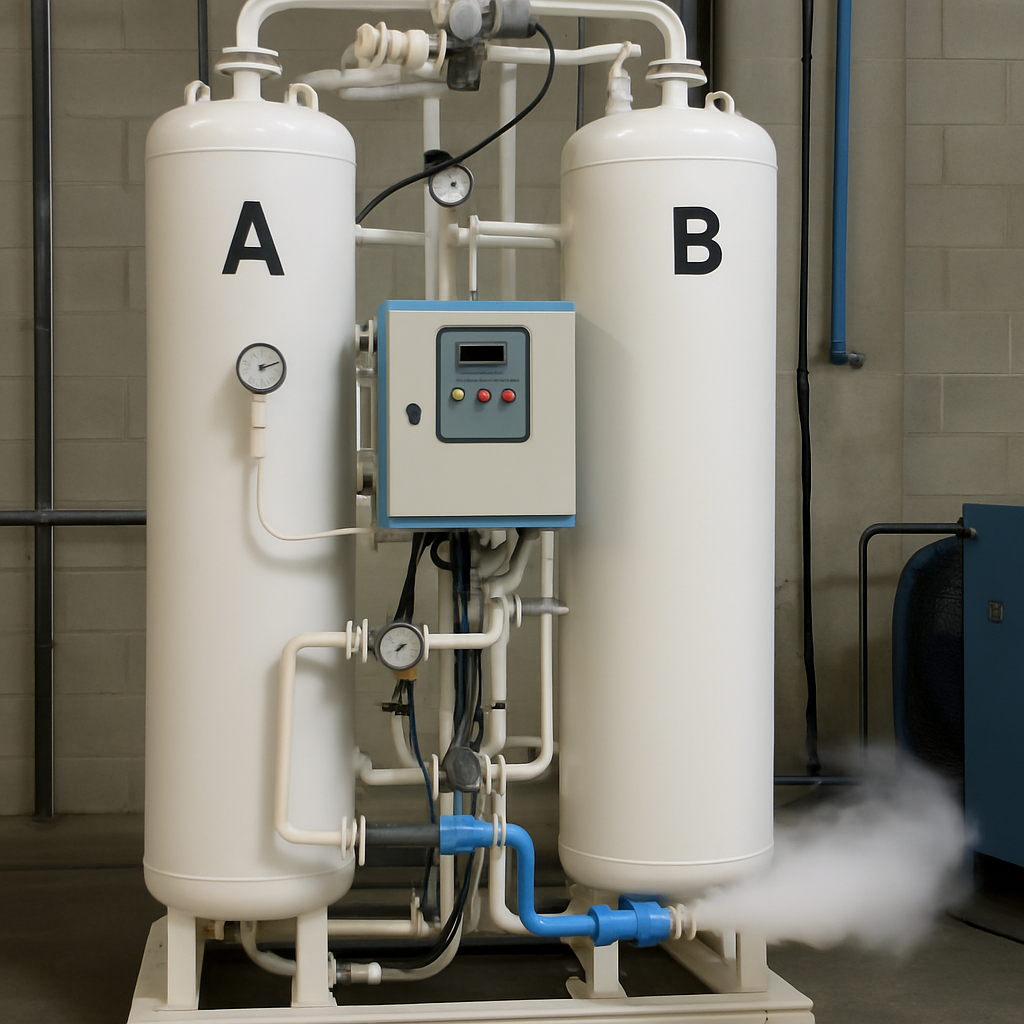
psa nitrogen generator
nitrogen generator

How PSA Nitrogen Generators Improve Efficiency

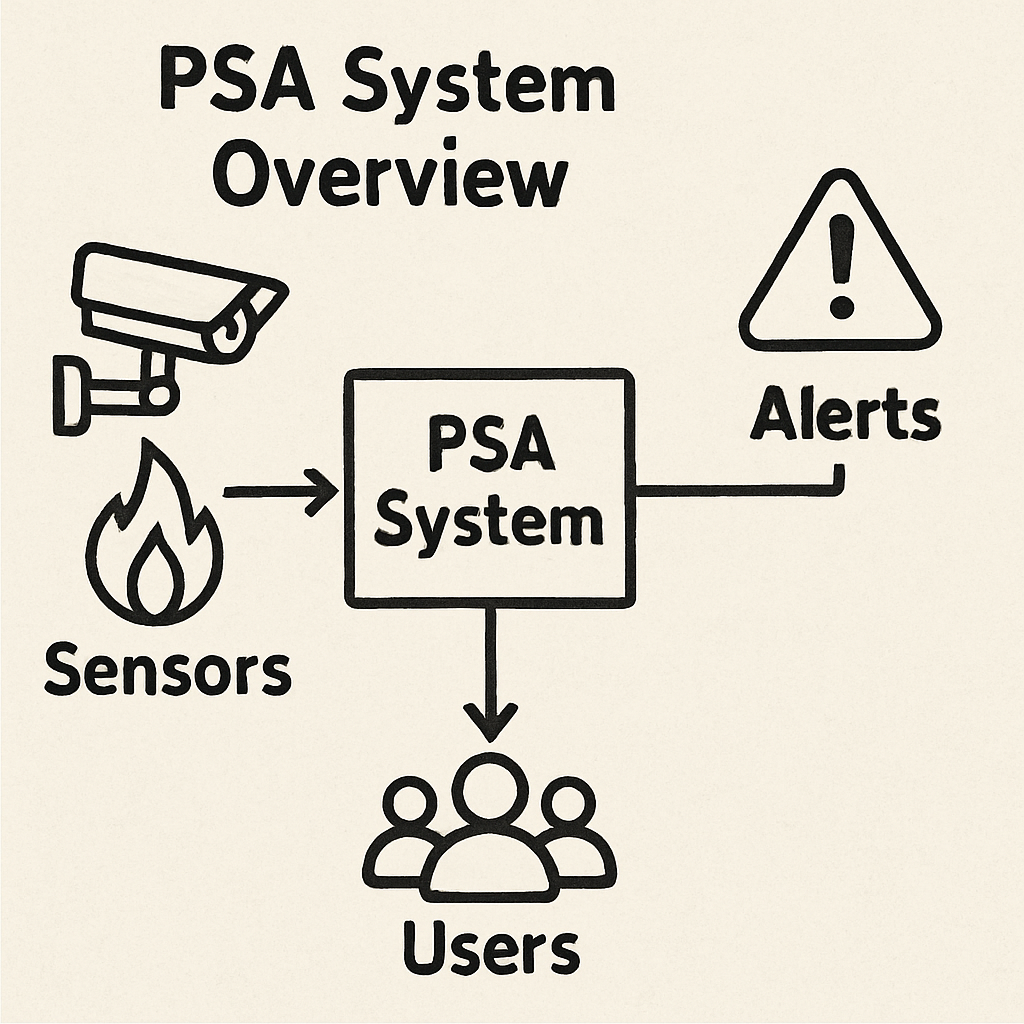
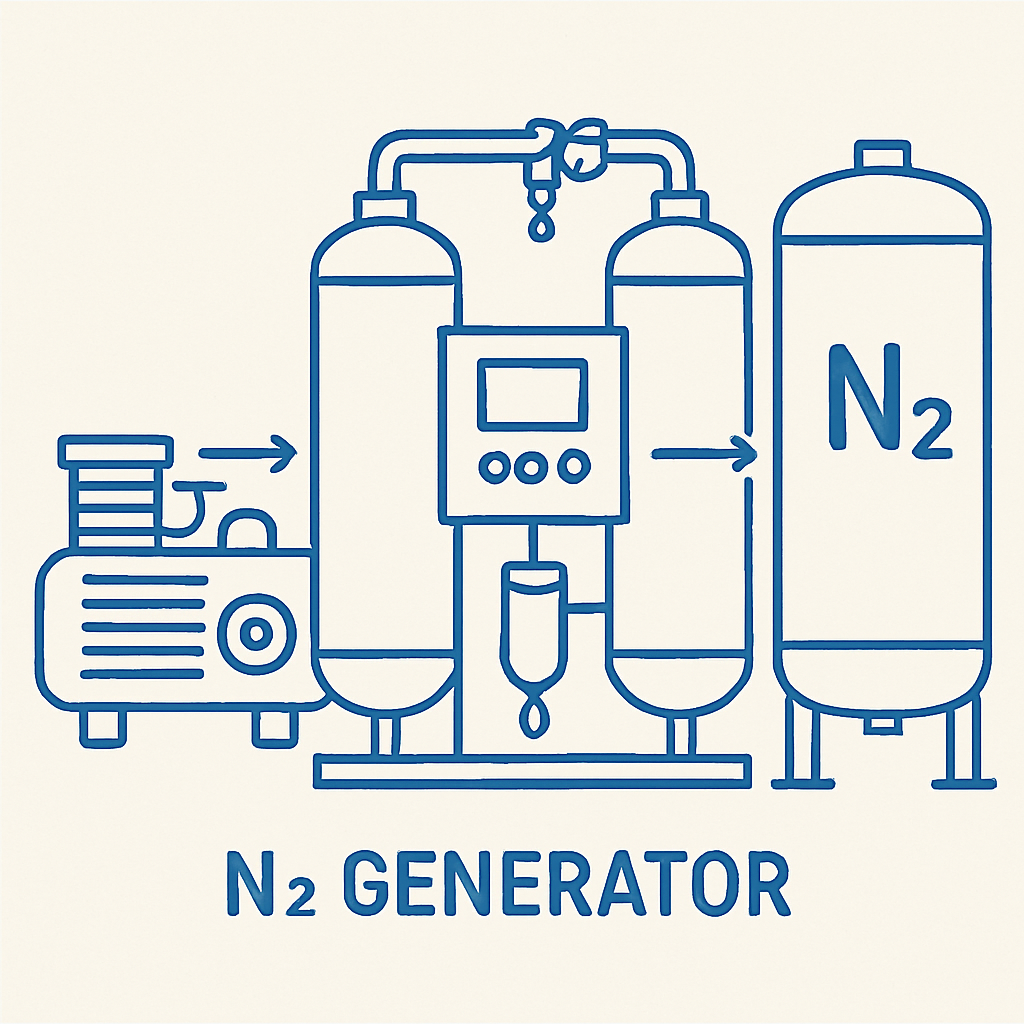
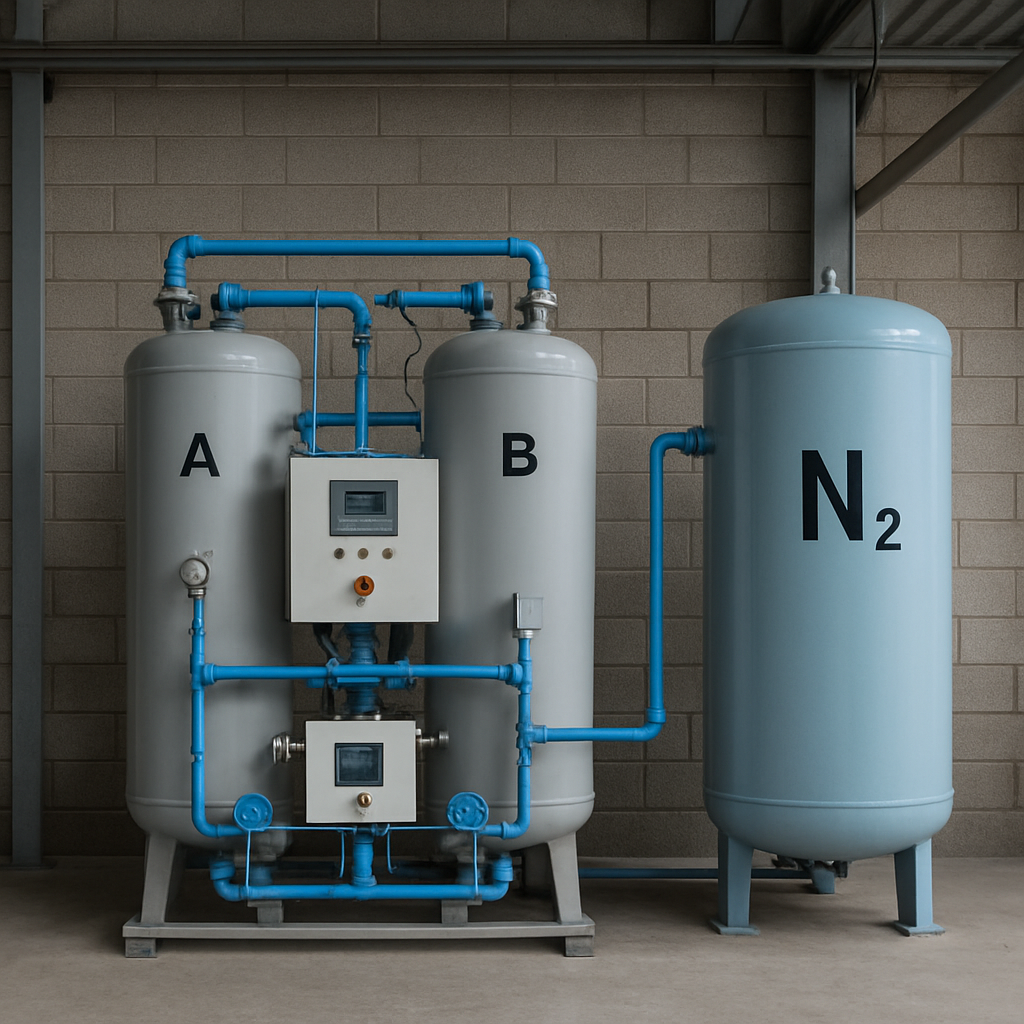
Now, efficiency is more important than ever. One way many businesses are boosting their productivity is by using PSA nitrogen generators. But what exactly are these generators, and how do they improve efficiency? In this article, we’ll delve into the workings of PSA nitrogen generators, their benefits, and how they can enhance operational efficiency across various industries. Understanding PSA Nitrogen Generators What is a Nitrogen Generator? A nitrogen generator is a device that produces nitrogen gas from compressed air. The air we breathe is about 78% nitrogen, but it also contains oxygen and other gases. A nitrogen generator separates nitrogen from these other components, providing a steady supply of pure nitrogen gas for industrial applications. How PSA Technology Works PSA stands for Pressure Swing Adsorption. This technology is at the heart of the PSA nitrogen generator. The process involves two main components: adsorbent materials and pressure changes. Here’s how it works: This method is efficient and cost-effective, making PSA nitrogen generators a popular choice in various industries. Benefits of PSA Nitrogen Generators Cost Efficiency One of the primary advantages of using a PSA nitrogen generator is cost savings. Businesses that switch from bottled nitrogen to on-site nitrogen generation can significantly reduce costs. Here’s why: Reliability and Consistency PSA nitrogen generators offer a reliable and consistent supply of nitrogen. This reliability is crucial for industries where nitrogen is an essential part of the production process. The consistent quality and supply mean fewer interruptions and more efficient operations. Environmental Benefits Using a PSA nitrogen generator can also have positive environmental impacts: Safety Enhancements Safety is a top priority in any industry. PSA nitrogen generators enhance safety in several ways: Applications of PSA Nitrogen Generators PSA nitrogen generators are used in a wide range of industries. Let’s explore a few applications where they improve efficiency: Food and Beverage Industry In the food and beverage industry, nitrogen is used to preserve freshness and extend shelf life. PSA nitrogen generators provide a consistent supply of high-quality nitrogen, ensuring that food products maintain their quality during packaging and storage.

pressure swing adsorption
nitrogen generator

Understanding Pressure Swing Adsorption Technology

# Understanding Pressure Swing Adsorption Technology Pressure swing adsorption (PSA) is a powerful technology used in various industries for gas separation and purification. It is especially prominent in generating nitrogen, making it a critical component for operations that require high-purity nitrogen gas. In this article, we’ll delve into the fundamentals of PSA technology, how it works, and its applications, particularly focusing on pressure swing adsorption nitrogen generators. What is Pressure Swing Adsorption? Pressure swing adsorption is a process used to separate specific gases from a mixture of gases under pressure. It operates on the principle that gases can be absorbed at varying pressures. By adjusting the pressure, PSA systems can selectively adsorb and release gases, allowing for efficient separation. How Does PSA Work? PSA involves a series of steps that repeat in cycles. The process relies on adsorbent materials, typically zeolites or activated carbon, which have a high affinity for certain gases. Here’s a breakdown of the PSA cycle: This cycle is repeated continuously, allowing for a steady supply of the desired gas. Applications of Pressure Swing Adsorption PSA technology is widely used for its efficiency and cost-effectiveness in gas separation. Here are some of its key applications: Nitrogen Generation One of the most common uses of PSA is in nitrogen generation. PSA nitrogen generators are used in industries where high-purity nitrogen is essential, such as food packaging, electronics manufacturing, and pharmaceuticals. Benefits of PSA Nitrogen Generators Oxygen Generation PSA is also employed in generating oxygen, particularly in medical and industrial settings. PSA oxygen generators provide a reliable source of oxygen for hospitals and clinics, especially in remote locations where traditional oxygen supply might be challenging. Hydrogen Purification In the chemical and refining industries, PSA technology is used to purify hydrogen. The ability to produce high-purity hydrogen is crucial for processes such as ammonia production and petroleum refining. Advantages of Pressure Swing Adsorption Technology PSA technology offers several advantages, making it a preferred choice for gas separation: by Hongjung PARK (https://unsplash.com/@chilling4u) Challenges and Considerations

nitrogen maker
nitrogen generator

Top Benefits of Using Nitrogen Makers

In today’s industrial world, nitrogen plays a crucial role across various sectors. From food packaging to pharmaceuticals, nitrogen is a versatile gas used to enhance product quality and safety. But have you ever wondered how this essential gas is produced on-site? Enter the nitrogen maker, a revolutionary technology that is transforming the way industries produce and utilize nitrogen. A nitrogen maker, often referred to as a nitrogen generator, is a device that separates nitrogen molecules from the air. The air we breathe is composed of approximately 78% nitrogen, and nitrogen makers efficiently extract this nitrogen to provide a continuous supply of pure nitrogen gas. This process is not only efficient but also cost-effective, making it an attractive option for businesses looking to optimize their operations. How Do Nitrogen Makers Work? The Science Behind Nitrogen Production Nitrogen makers utilize two primary technologies to produce nitrogen gas: Pressure Swing Adsorption (PSA) and Membrane Technology. Pressure Swing Adsorption (PSA) PSA technology involves using adsorbent materials like carbon molecular sieves to isolate nitrogen from the air. The process involves passing compressed air through a vessel containing the adsorbent material, which captures oxygen and other gases, allowing nitrogen to pass through as the primary output. Membrane Technology Membrane technology, on the other hand, relies on semi-permeable membranes to separate nitrogen from other components in the air. As compressed air passes through the membranes, nitrogen is selectively permeated, resulting in a steady flow of nitrogen gas. Both methods are effective and the choice between them often depends on the specific requirements of the application. Key Benefits of Using Nitrogen Makers One of the most significant advantages of using a nitrogen maker is cost savings. Traditional methods of nitrogen supply, such as cylinder or liquid nitrogen deliveries, can be expensive due to transportation and storage costs. With an on-site nitrogen generator, businesses can produce the exact amount of nitrogen needed, eliminating waste and reducing overall costs. Continuous Supply Having a nitrogen maker on-site ensures a consistent and reliable supply of nitrogen gas. This is particularly important for industries where nitrogen is a critical component of daily operations. There is no risk of running out of nitrogen or facing production downtime, as the generator can provide nitrogen on-demand. Enhanced Safety Handling and storing nitrogen cylinders can be hazardous. On-site nitrogen generation reduces these risks by eliminating the need for transporting and storing high-pressure gas cylinders. This enhances workplace safety and minimizes the potential for accidents. Environmental Benefits Producing nitrogen on-site is more environmentally friendly compared to traditional methods. It reduces the carbon footprint associated with the transportation of nitrogen gas and eliminates the need for disposable gas cylinders. Customization and Scalability Nitrogen makers offer flexibility in terms of output and purity levels. Businesses can customize the nitrogen production process to meet their specific needs, whether it’s for food packaging, electronics manufacturing, or chemical processing. Additionally, nitrogen generators can be scaled up or down based on the growth and changing needs of the business.

n2 generator
nitrogen generator

Understanding the N2 Generator: Key Insights

In the world of industrial applications, the N2 generator, also known as a nitrogen generator, plays a crucial role. Whether you’re in the food packaging industry, pharmaceuticals, or any other field that requires a controlled atmosphere, understanding how a nitrogen gas generator works can significantly enhance your operations. An N2 generator is a device that separates nitrogen from the air and supplies it in a purified form. This process is essential for industries that need nitrogen in large quantities and cannot rely on traditional cylinders or dewars due to cost, logistics, or purity requirements. How Does It Work? The air we breathe is composed of about 78% nitrogen, 21% oxygen, and 1% other gases. An N2 generator utilizes this abundant resource by extracting and purifying nitrogen from the atmosphere. There are primarily two types of nitrogen generators: Pressure Swing Adsorption (PSA) and Membrane Technology. Let’s delve deeper into these methods. Pressure Swing Adsorption (PSA) PSA technology is based on the concept of adsorption. It uses a material called a “carbon molecular sieve” (CMS) that captures oxygen and other gases, allowing nitrogen to pass through. Membrane Technology In membrane technology, air is passed through a series of hollow fibers that separate nitrogen from oxygen based on the different permeation rates of gases. Applications of Nitrogen Generators Nitrogen generators are versatile and find applications in various industries: Food and Beverage Industry Nitrogen is crucial for preserving freshness and extending the shelf life of food products. In the food and beverage sector, nitrogen generators are used to create inert atmospheres for packaging, thus preventing oxidation and spoilage. Pharmaceutical Industry In pharmaceuticals, nitrogen is used to prevent contamination and oxidation during the manufacturing and packaging processes. Nitrogen generators ensure a consistent supply of high-purity nitrogen essential for maintaining product quality. Electronics Manufacturing The electronics industry uses nitrogen to create controlled environments that prevent oxidation during soldering and assembly processes. This is vital for ensuring the longevity and reliability of electronic components. Oil and Gas Industry In the oil and gas sector, nitrogen generators are employed for purging pipelines, inerting storage tanks, and enhancing oil recovery. The ability to produce nitrogen on-site is a significant advantage in remote locations. Automotive Industry

nitrogen generator
nitrogen generator

Applications of Nitrogen Generators in Industry

# Applications of Nitrogen Generators in Industry Nitrogen generators are vital in numerous industries thanks to their ability to produce nitrogen gas efficiently and cost-effectively. In this article, we’ll explore various applications of nitrogen generators, how they work, and why they are preferred over traditional gas supply methods. What is a Nitrogen Generator? Nitrogen generators are systems that separate nitrogen molecules from the air, providing a continuous supply of nitrogen gas. They utilize technologies such as Pressure Swing Adsorption (PSA) or Membrane technology to produce nitrogen gas on-site. These generators are increasingly popular due to their efficiency, reliability, and reduced costs compared to purchasing nitrogen from suppliers. Key Applications of Nitrogen Generators 1. Food and Beverage Industry The food and beverage industry heavily relies on nitrogen generators to preserve freshness and extend the shelf life of products. Nitrogen gas is used in packaging to displace oxygen, which can lead to spoilage and degradation. 2. Chemical Manufacturing In the chemical industry, nitrogen generators provide an inert atmosphere, crucial for preventing unwanted chemical reactions during production processes. 3. Electronics and Semiconductor Manufacturing The electronics industry utilizes nitrogen generators to create controlled environments for manufacturing delicate components. 4. Oil and Gas Industry In oil and gas operations, nitrogen generators play a crucial role in enhancing safety and efficiency. 5. Pharmaceutical Industry Pharmaceutical companies use nitrogen generators to maintain product quality and extend shelf life. 6. Aerospace and Aviation by Simon Ray (https://unsplash.com/@simonbhray) In aerospace and aviation, nitrogen generators are essential for safety and efficiency. 7. Marine Industry

gas spectrometry
gas mass spectrometer

Understanding the Basics of Gas Spectrometry

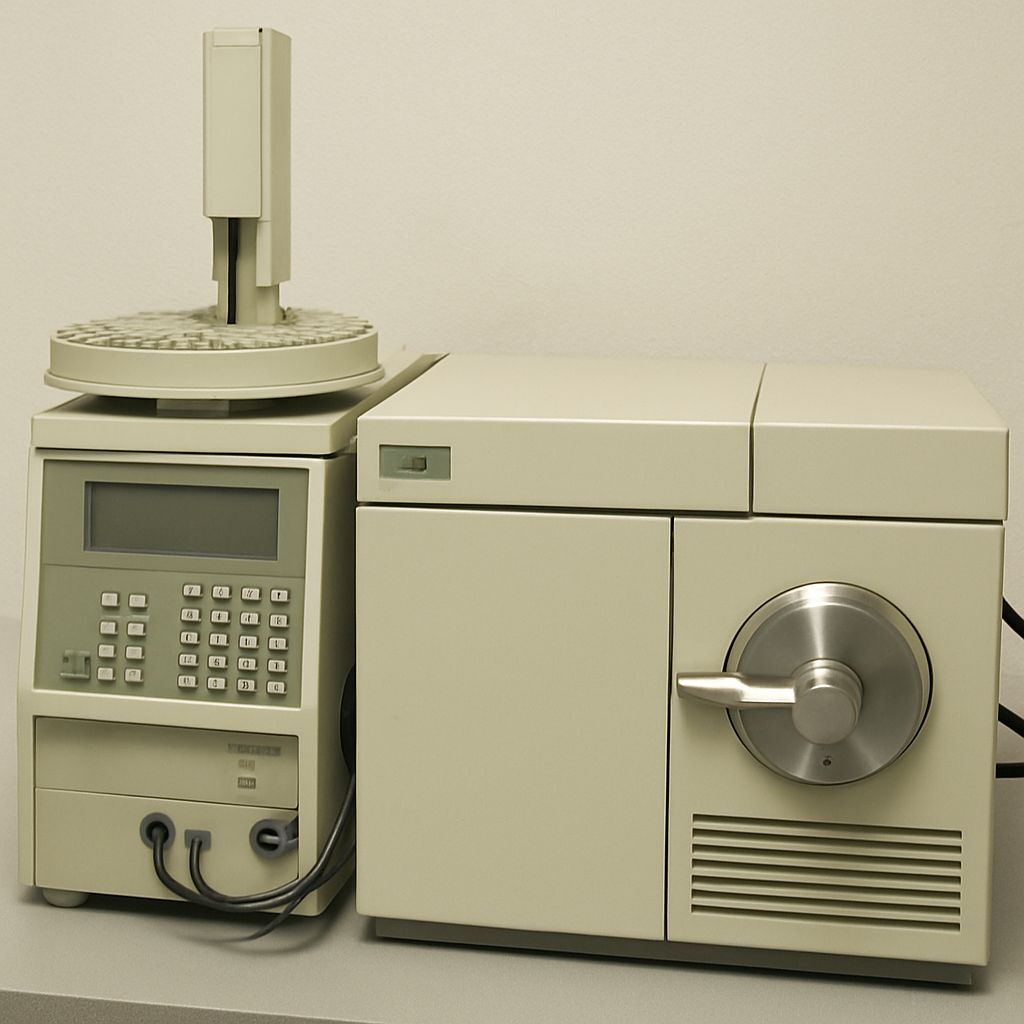
Gas spectrometry is a sophisticated method used to analyze chemical substances at a molecular level. It provides a detailed breakdown of a sample’s composition, allowing scientists to understand not only what compounds are present but also in what quantities. This is crucial in fields like environmental science, pharmaceuticals, and forensics, where precise measurements can be the difference between success and failure in research and application. By offering such detailed insights, gas spectrometry plays a critical role in advancing scientific understanding and technological development. Gas Chromatography: The First Step The first part of gas spectrometry is gas chromatography, a process akin to unraveling the components of a complex puzzle. Imagine you’re trying to separate colored dyes in a mixture. Gas chromatography does something similar but with gases or volatile liquids. Here’s how it works: This process results in a chromatogram, a visual output showing peaks that represent different compounds in the sample. Each peak provides valuable information about the compound it represents, including its concentration and potential identity. Mass Spectrometry: The Second Step After gas chromatography, we move on to mass spectrometry, which takes the process a step further by focusing on the detailed identification and quantification of the compounds separated in the first step. Here’s how mass spectrometry works: The result is a mass spectrum, a chart displaying the masses of the ions and their relative abundance. This spectrum provides a wealth of information that helps scientists identify and quantify the compounds present. Why is Gas Spectrometry Important? Gas spectrometry is incredibly useful because it provides detailed information about complex mixtures. It is not just about identifying compounds; it’s about understanding the intricacies of chemical interactions and their implications in various fields. Let’s explore a few of its applications. Environmental Monitoring Gas spectrometry is widely used in environmental science to tackle some of the most pressing issues of our time. It helps monitor air and water quality by identifying pollutants and measuring their concentrations. This information is critical for ensuring that environments remain safe and healthy for humans and wildlife. By providing precise data on pollutants, gas spectrometry aids in the creation of effective environmental policies and regulations. It also plays a crucial role in assessing the impact of human activities on natural ecosystems, allowing for informed decisions to be made to protect our planet. Pharmaceutical Industry by Mufid Majnun (https://unsplash.com/@mufidpwt) In the pharmaceutical industry, gas spectrometry ensures the safety and efficacy of drugs, which is paramount for public health. It identifies impurities in drug formulations and verifies the purity of active ingredients. This ensures that medications are safe for consumption and effective in treating illnesses. The ability to detect even trace amounts of impurities is vital for maintaining high-quality standards in drug manufacturing. Furthermore, gas spectrometry is used in the research and development phase to optimize drug formulations and enhance therapeutic outcomes. Forensic Science Forensic scientists use gas spectrometry to analyze substances found at crime scenes, providing crucial evidence in criminal investigations. It helps identify unknown chemicals and can even detect trace amounts of drugs or explosives. This information is crucial for solving crimes and securing convictions, as it can definitively link suspects to criminal activities. The precision and reliability of gas spectrometry make it an indispensable tool in the justice system, where accuracy can determine the outcome of legal proceedings. How to Interpret Gas Spectrometry Results Understanding the results of gas spectrometry involves reading chromatograms and mass spectra. While these outputs may seem complex at first glance, they provide a wealth of information when properly interpreted. Here’s a basic guide: Reading a Chromatogram A chromatogram displays peaks, each representing a different compound. The position of a peak on the x-axis indicates the retention time, or how long it took the compound to travel through the column. The height of the peak shows the concentration of the compound. By analyzing these peaks, scientists can deduce the presence and quantity of various compounds in a sample. This information is vital for applications ranging from quality control in manufacturing to environmental monitoring.

chromatography gas
icp

Understanding the Basics of Gas Chromatography

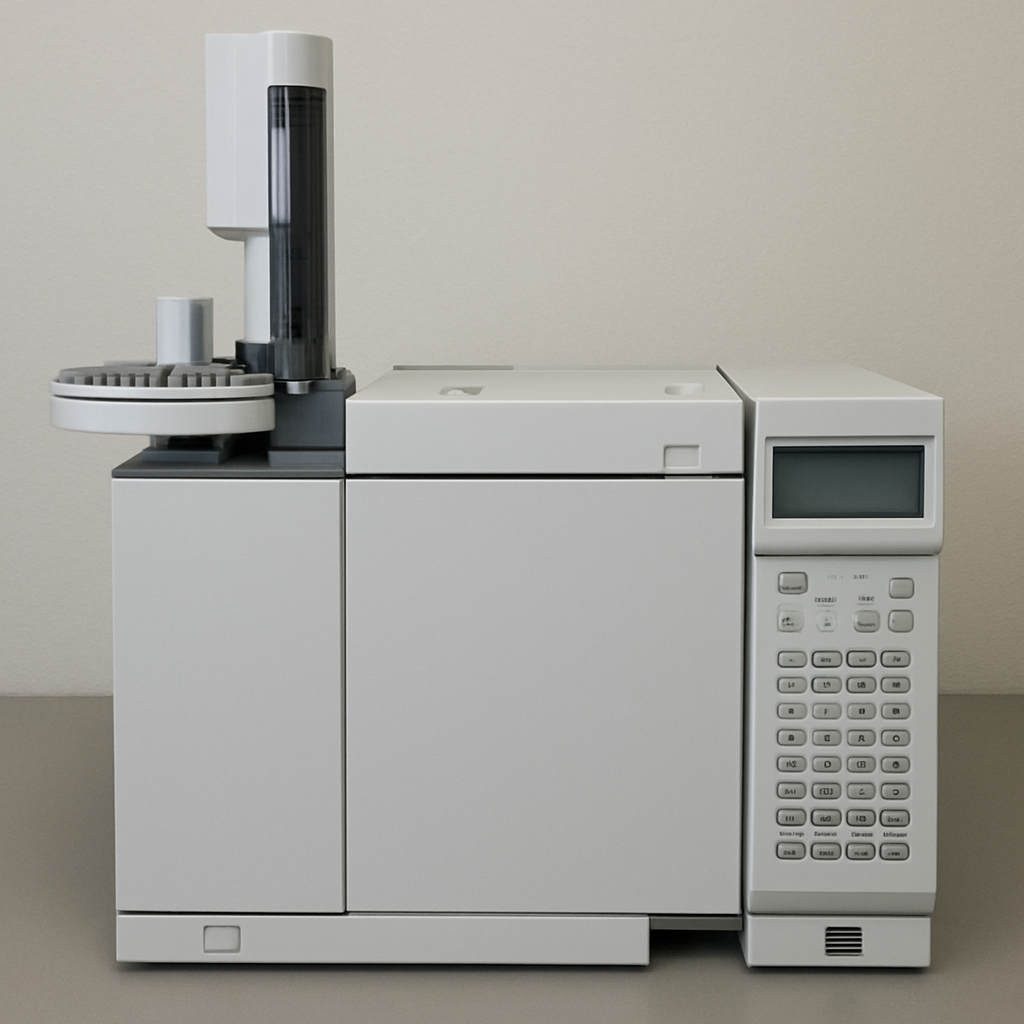
# Understanding the Basics of Gas Chromatography Gas chromatography is a powerful analytical method used in laboratories to separate and analyze compounds that can be vaporized without decomposing. It’s a staple in fields like analytical chemistry, where scientists need to identify and quantify different substances within a sample. This article will break down the basics of gas chromatography, its components, and how it works, in a straightforward manner. What is Gas Chromatography? Gas chromatography (GC) is a technique that allows scientists to separate mixtures into individual components. By doing so, they can identify what substances are present in a sample and how much of each substance is there. This is particularly useful in industries such as pharmaceuticals, environmental testing, and food and beverage production. Key Components of Gas Chromatography To understand how gas chromatography works, it’s important to know its main components: How Does Gas Chromatography Work? The process of gas chromatography involves several steps, each crucial to the accurate separation and analysis of compounds: Sample Injection The process begins with the injection of the sample. The sample is usually in a liquid form and is injected into the gas chromatograph. The injector port is heated to vaporize the sample, allowing it to mix with the carrier gas. Separation in the Column As the vaporized sample moves through the column, its components interact with the stationary phase. Each substance in the sample moves at a different speed, which leads to their separation. The stationary phase is often a liquid or polymer on an inert solid support, and it retains compounds based on their chemical properties. Detection and Analysis Once the components exit the column, they reach the detector. Common detectors include flame ionization detectors (FID) and mass spectrometers (MS). The detector produces a signal proportional to the amount of substance, allowing for both qualitative and quantitative analysis. by National Cancer Institute (https://unsplash.com/@nci) Applications of Gas Chromatography Gas chromatography has a wide range of applications across various fields: Environmental Testing In environmental testing, GC is used to detect pollutants in air, water, and soil. It helps in monitoring environmental contamination and ensuring regulatory compliance. Pharmaceutical Industry

chromatography gas
gas mass spectrometer

Chromatography Gas: Principles and Applications

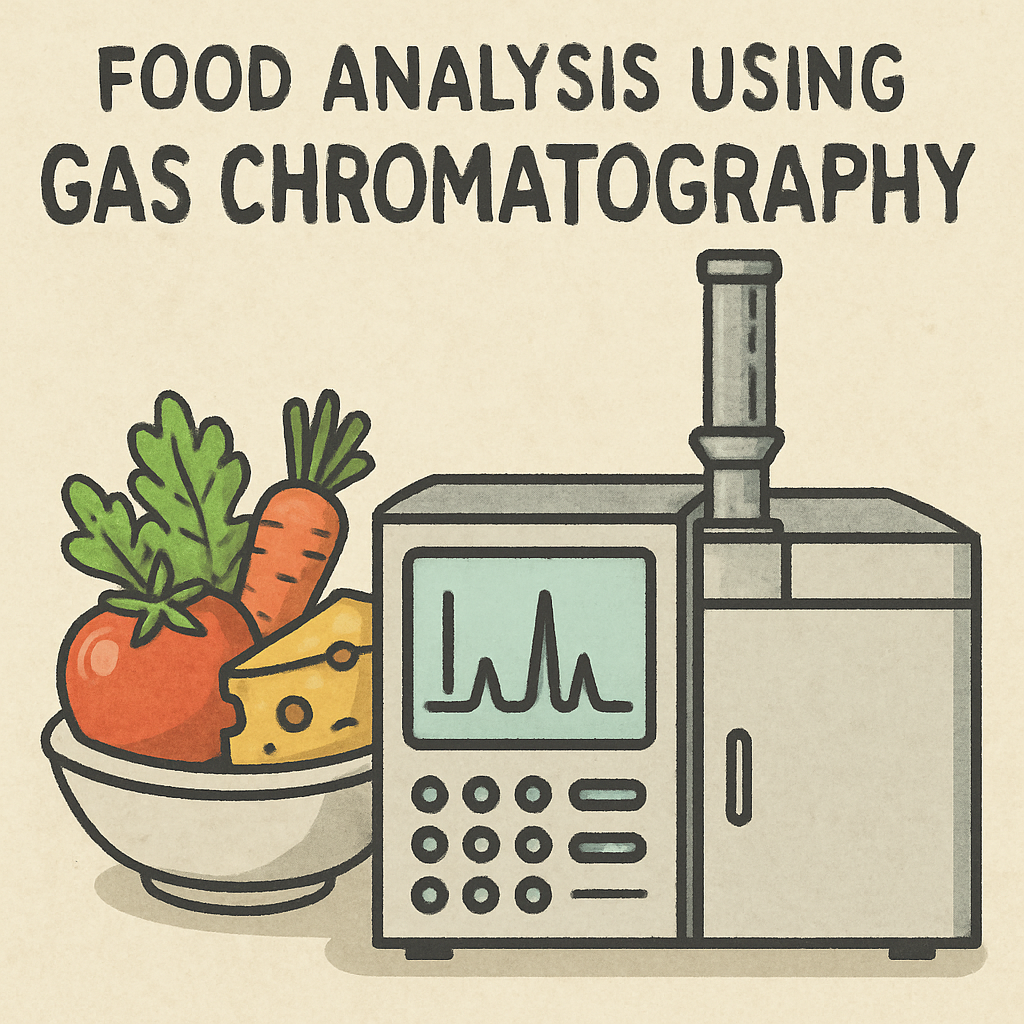
# Chromatography Gas: Principles and Applications #buy nitrogen generators: Contact Us Gas chromatography is a powerful tool in analytical chemistry used to separate and analyze compounds that can be vaporized without decomposition. In this article, we will delve into the principles behind gas chromatography, explore its applications, and understand why it is a valuable technique in various industries. Gas chromatography, often abbreviated as GC, involves the separation of volatile substances based on their distribution between a stationary phase and a mobile phase. The stationary phase is typically a liquid or polymer on an inert solid support, packed within a column. The mobile phase is an inert gas, often helium or nitrogen, that carries the sample through the column. The Basic Components of Gas Chromatography A typical gas chromatography system consists of several key components: How Gas Chromatography Works The process begins when a small amount of sample is injected into the system. The sample is vaporized and carried by the gas through the column. As the sample travels through the column, different compounds within it interact with the stationary phase. This interaction causes them to move at different speeds, resulting in separation. When the separated compounds exit the column, they are detected and recorded by the detector. The time it takes for each compound to pass through the column, known as the retention time, is unique and helps in identifying the compound. Applications of Gas Chromatography Gas chromatography is widely used due to its efficiency and versatility. Here are some of its key applications: Environmental Analysis Gas chromatography plays a crucial role in monitoring environmental pollutants. It is used to detect and quantify volatile organic compounds (VOCs) in air and water samples, helping to ensure compliance with environmental regulations. Food and Beverage Industry In the food industry, gas chromatography is employed to analyze flavors and fragrances, ensuring quality control. It can detect contaminants and verify the authenticity of food products, such as determining if a wine is truly from a specific region. Pharmaceutical Industry

gc gas chromatography
gas mass spectrometer

Understanding GC Gas Chromatography Techniques

What is Gas Chromatography? Gas chromatography is a method of separating chemical compounds based on their volatilities. In simple terms, it allows scientists to analyze complex mixtures by breaking them down into individual components. The process involves a gas phase (the mobile phase) that carries the mixture through a stationary phase contained within a column. The Principle of Separation The separation process in gas chromatography hinges on the different affinities compounds have for the stationary phase versus the mobile phase. Compounds that interact more strongly with the stationary phase will move more slowly through the column. Conversely, those with less interaction will pass through more quickly. This differential migration results in the separation of compounds based on their physical and chemical properties. Historical Development Gas chromatography has evolved significantly since its inception. The technique was first developed in the mid-20th century and has undergone numerous advancements. Initially, its use was limited by the available technology, but with innovations in materials and electronics, GC has become a cornerstone of analytical chemistry. Modern systems are highly automated and capable of handling complex analyses with remarkable precision. Applications Across Industries GC is employed across a diverse range of industries due to its versatility. In petrochemical industries, it helps in refining processes and quality control. The fragrance and flavor industries use GC to develop and ensure the quality of products. Moreover, it plays a crucial role in legal and forensic settings, providing critical data for investigations and regulatory compliance. Basic Components of a GC System A typical GC system consists of several key components that work together to achieve the separation and analysis of compounds. Carrier Gas System The carrier gas is a critical component that serves as the mobile phase. Helium, nitrogen, and hydrogen are commonly used due to their inert properties and optimal flow characteristics. The choice of carrier gas can impact the efficiency and resolution of the separation process. Helium is favored for its efficiency, while hydrogen offers faster analysis times but requires careful handling due to its flammability. Injector Mechanisms The injector is where the sample enters the GC system. There are various types of injectors, including split, splitless, and on-column injectors, each suited for specific types of analyses. The injector must vaporize the sample efficiently to ensure accurate and reproducible results. Temperature control is vital in this component to prevent sample degradation or discrimination. Column Varieties Columns are the heart of a GC system, where the actual separation occurs. They can be packed with solid particles or be capillary columns with a thin film of liquid stationary phase. The column’s length, diameter, and stationary phase type are chosen based on the sample and analysis requirements. Columns must be carefully maintained to ensure longevity and consistent performance. Detector Technologies Detectors come in many forms, each with unique advantages. Common types include flame ionization detectors (FID), mass spectrometers (MS), and thermal conductivity detectors (TCD). The choice of detector depends on the sensitivity and specificity required for the analysis. Detectors convert separated compounds into measurable signals, providing the data needed for analysis. Data Acquisition Systems Modern GC systems are equipped with sophisticated data acquisition and processing systems. These systems convert detector signals into digital data that can be analyzed and interpreted. Software packages offer powerful tools for peak identification, quantification, and reporting. The ability to integrate and automate data handling enhances the efficiency and accuracy of GC analyses.

Scroll to Top