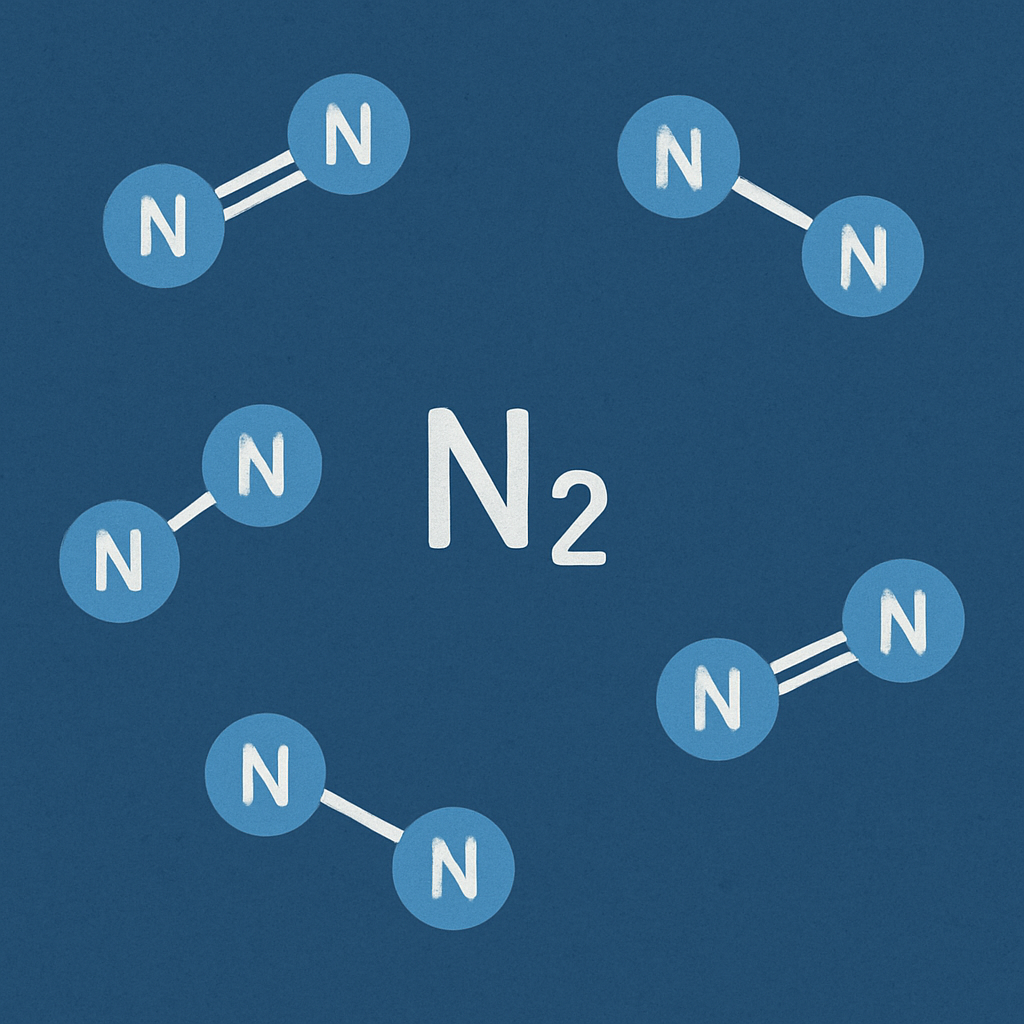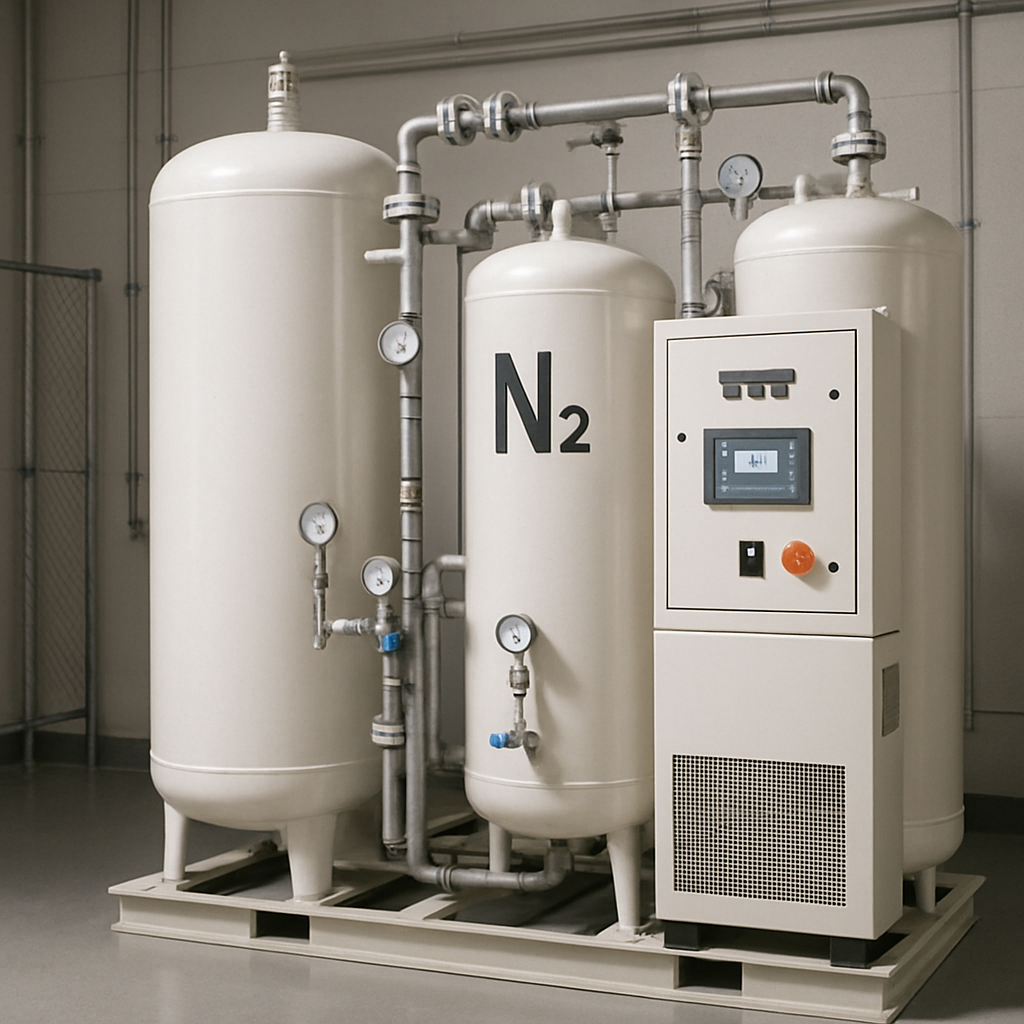
Author name: N2 generator

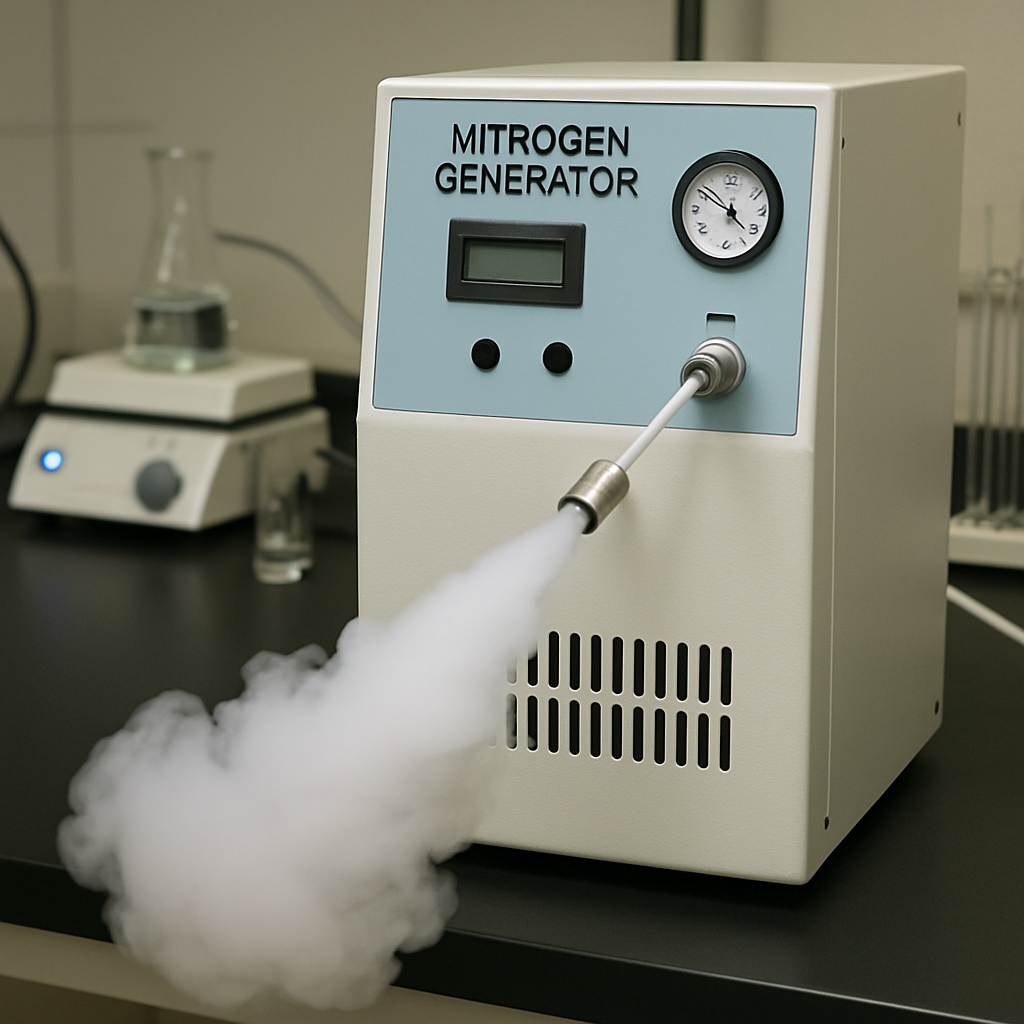
portable nitrogen generator
nitrogen generator

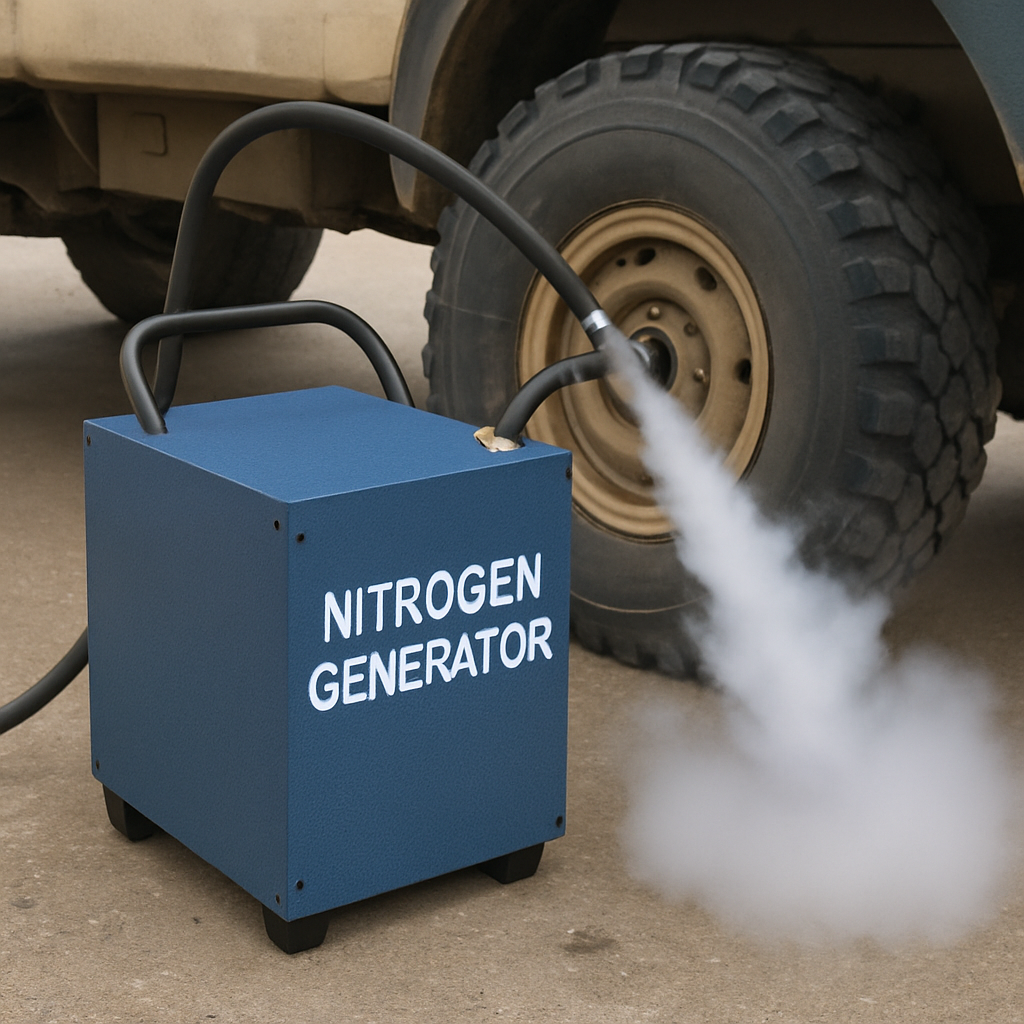
Portable Nitrogen Generators The Unsung Hero in Remote Field Operations

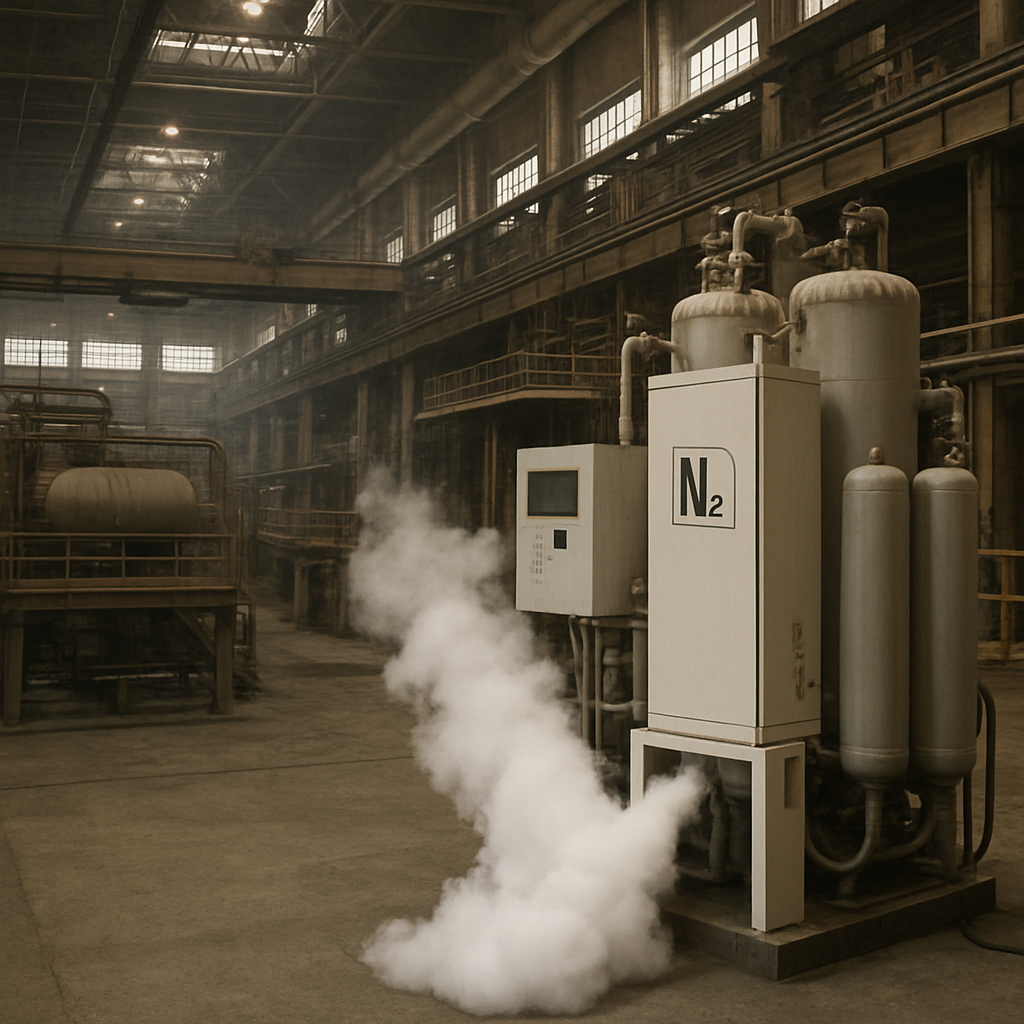
In the realm of remote field operations, the importance of having reliable and efficient equipment cannot be overstated. One such piece of equipment that often goes unnoticed is the portable nitrogen generator. These devices are crucial for various applications across different industries, yet they often fly under the radar. In this article, we’ll explore the significance of portable nitrogen generators, their applications, and why they are considered the unsung heroes in remote field operations. Portable nitrogen generators are compact devices designed to produce nitrogen gas on-site. Unlike traditional methods of nitrogen supply, which involve transporting heavy cylinders or relying on bulk liquid deliveries, portable nitrogen generators provide a continuous and self-sufficient supply of nitrogen. These generators work by separating nitrogen from the air using a process known as Pressure Swing Adsorption (PSA) or membrane technology. How Do They Work? At the heart of a portable nitrogen generator is the technology that separates nitrogen from the surrounding air. PSA technology uses a carbon molecular sieve to adsorb oxygen and other gases under high pressure, leaving behind high-purity nitrogen. Membrane technology, on the other hand, uses a semi-permeable membrane to separate gases based on their molecular size and properties. Both methods are effective, but the choice between them depends on specific application requirements. Applications of Portable Nitrogen Generators Portable nitrogen generators have found their place in a wide range of industries due to their versatility and efficiency. Oil and Gas Industry In the oil and gas sector, safety and efficiency are paramount. Portable nitrogen generators are used for purging pipelines, inerting storage tanks, and preventing explosions during drilling operations. The ability to generate nitrogen on-site reduces the dependency on external suppliers and enhances operational efficiency. Food and Beverage Industry In the food and beverage industry, nitrogen is used to displace oxygen in packaging, preserving freshness and extending shelf life. Portable nitrogen generators provide a cost-effective and reliable solution for small to medium-sized operations that require on-demand nitrogen without the need for large-scale infrastructure. Electronics Manufacturing Electronics manufacturing requires an inert atmosphere to prevent oxidation during the production process. Portable nitrogen generators offer a convenient and efficient way to maintain the desired atmosphere, ensuring product quality and reducing defects. Fire Prevention and Safety In environments where fire hazards are a concern, portable nitrogen generators are employed to create inert atmospheres that prevent combustion. This application is particularly important in chemical plants and other high-risk environments. Advantages of Portable Nitrogen Generators The use of portable nitrogen generators comes with several advantages that make them indispensable in remote field operations. Cost-Effectiveness One of the primary benefits of portable nitrogen generators is their cost-effectiveness. By producing nitrogen on-site, companies can eliminate the costs associated with transporting and storing nitrogen cylinders. This not only reduces logistical expenses but also minimizes waste and environmental impact. Flexibility and Convenience Portable nitrogen generators are designed to be compact and easy to transport, making them ideal for remote locations and operations that require mobility. Their ability to provide on-demand nitrogen without relying on external suppliers enhances operational flexibility and reduces downtime. […]
nitrogen generator price
nitrogen generator

how much does a nitrogen generator cost

When you’re considering purchasing a nitrogen generator, one of the first questions you might have is: “How much does a nitrogen generator cost?” Understanding the price factors, as well as the benefits and potential savings, can help you make an informed decision. In this article, we’ll explore the various aspects of nitrogen generator pricing to give you a clear picture. The cost of a nitrogen generator can vary widely based on several factors. Here are some of the main elements that influence the price: 1. Type of Nitrogen Generator There are different types of nitrogen generators, including: 2. Capacity and Size The capacity of the generator, typically measured in cubic feet per hour (CFH) or liters per minute (LPM), plays a significant role in determining the price. Larger capacity generators are more expensive, but they offer more nitrogen production, which can be more cost-effective for large-scale operations. 3. Purity Levels The level of nitrogen purity required for your application will also affect the cost. Higher purity levels often require more complex systems, leading to higher initial costs. However, for many applications, a lower purity level is sufficient and more economical. 4. Brand and Manufacturer Different brands and manufacturers offer varying prices based on their reputation, quality, and after-sales service. Established brands may charge a premium, but they often provide better reliability and customer support. 5. Additional Features Some nitrogen generators come with additional features like integrated compressors, remote monitoring, and automated controls, which can increase the cost. Consider whether these features are necessary for your application before making a purchase. Average Cost Ranges for Nitrogen Generators Now that we’ve covered the factors affecting cost, let’s look at the typical price ranges for different types of nitrogen generators: It’s important to note that these are general ranges, and specific prices can vary based on the factors discussed earlier. Cost Comparison: Buying vs. Renting If you’re not ready to invest in purchasing a nitrogen generator outright, renting might be a viable option. Here’s a quick comparison: Buying Renting Consider your budget and long-term needs to determine which option is best for you.

pure nitrogen gas
nitrogen generator

Why Pure Nitrogen Gas is the Secret Ingredient Behind the Perfect Bag of Potato Chips

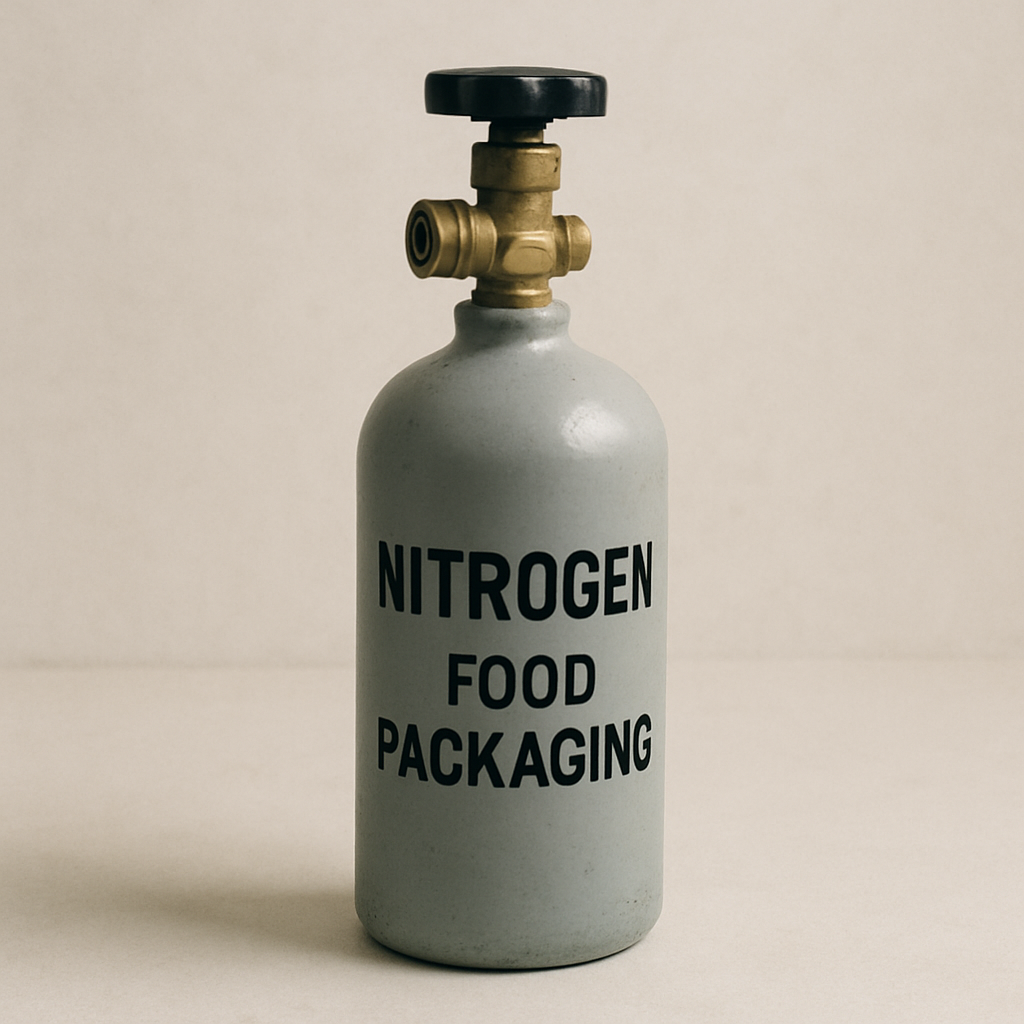
When you tear open a bag of potato chips, you’re probably not thinking about the science that went into making sure each chip is crispy and fresh. But there’s a secret ingredient that plays a crucial role in delivering that satisfying crunch: pure nitrogen gas. This invisible hero works behind the scenes to ensure your snack time is nothing short of perfect. Let’s dive into why pure nitrogen gas is the secret ingredient behind the perfect bag of potato chips. The Role of Nitrogen Gas in Potato Chips What is Pure Nitrogen Gas? Nitrogen gas (N2) is a colorless, odorless gas that makes up about 78% of the Earth’s atmosphere. It’s non-reactive, which means it doesn’t easily combine with other elements or compounds. This makes it incredibly useful in a variety of industries, including food packaging. Why Use Pure Nitrogen Gas in Potato Chips? When it comes to preserving potato chips, pure nitrogen gas is unmatched. The primary reason manufacturers use nitrogen gas is to displace oxygen within the packaging. Oxygen is the enemy of crispy chips because it contributes to oxidation, which can make the chips stale and cause them to lose their crispness. By filling the bag with nitrogen, manufacturers can significantly extend the shelf life of the chips, ensuring they remain fresh and crunchy. The Science Behind Nitrogen-Packed Chips How Does Pure Nitrogen Gas Work? When a bag of potato chips is filled with pure nitrogen gas, it creates a protective atmosphere that guards against oxidation. This environment keeps the chips crispy and prevents them from going stale. The absence of oxygen ensures that the oils used in frying the chips don’t go rancid, maintaining the flavor and quality of the snack. The Packaging Process The process of packaging potato chips with nitrogen gas is straightforward. After the chips are fried and seasoned, they are placed into bags. Before sealing, the bags are flushed with pure nitrogen gas. This step removes the oxygen and creates a cushion of gas that protects the delicate chips from breaking during transport. by shraga kopstein (https://unsplash.com/@sfkopstein) Benefits of Using Pure Nitrogen Gas Extending Shelf Life One of the most significant benefits of using nitrogen gas in potato chip packaging is the extended shelf life. Chips can remain fresh for months, allowing consumers to enjoy their snacks over a longer period without worrying about staleness. Maintaining Quality and Flavor Pure nitrogen gas ensures that the chips remain as close to their freshly fried state as possible. The lack of oxygen prevents the oils from spoiling, preserving the taste and aroma of the chips. Protecting the Product The cushion of nitrogen gas inside the bag helps protect the chips from physical damage. This means fewer broken chips and more satisfaction for consumers who prefer whole, unbroken chips. Other Uses of Pure Nitrogen Gas in the Food Industry

pressure nitrogen
nitrogen generator

Why Pressure-Controlled Nitrogen Is the Hidden Enabler Behind AI Server Cooling Systems

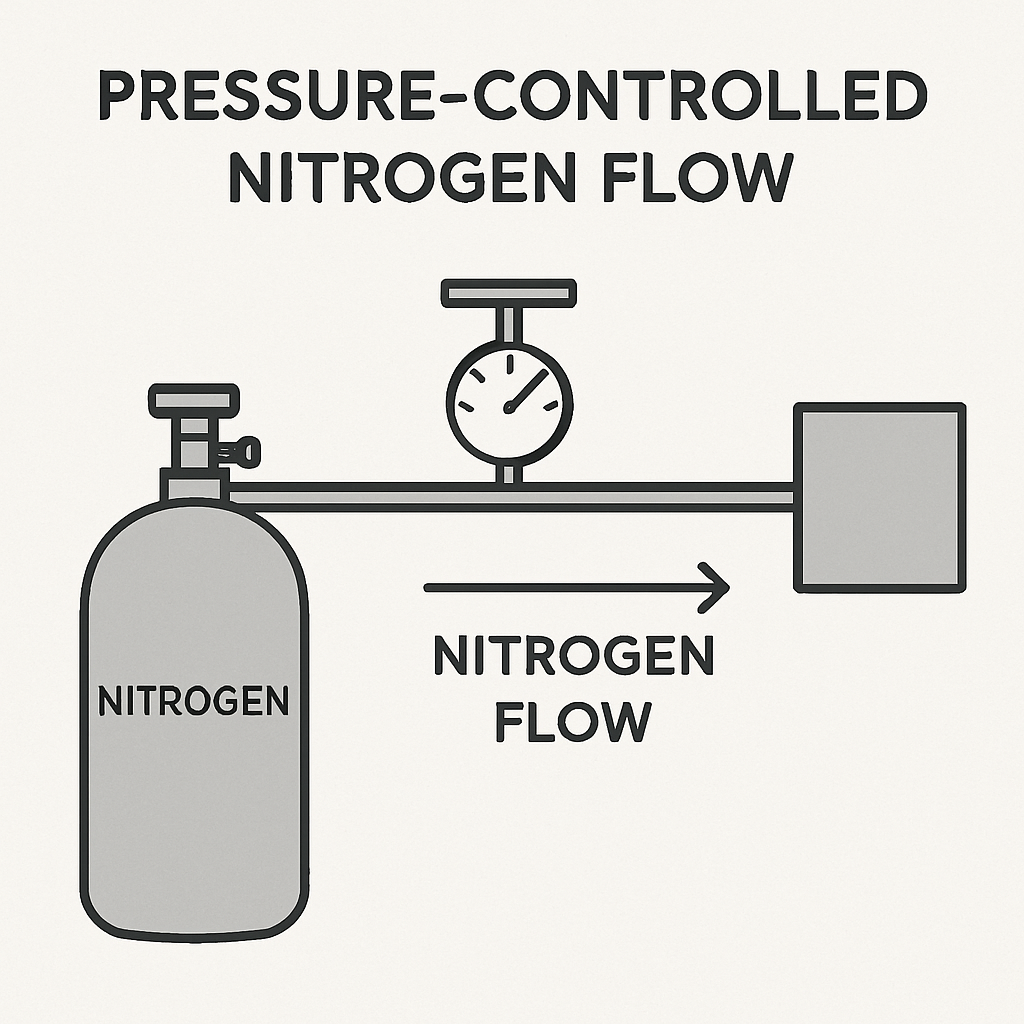
In the rapidly evolving world of artificial intelligence (AI), server cooling systems play a pivotal role in ensuring optimal performance and longevity of hardware. As AI applications demand more from data centers, efficient cooling solutions become imperative. Enter pressure-controlled nitrogen, an often-overlooked hero in the realm of server cooling systems. This article will explore why this gas is crucial and how it enhances the efficiency and reliability of AI server cooling. AI servers are powerhouses, executing complex computations that generate significant amounts of heat. Without effective cooling, these servers can overheat, leading to hardware failures, reduced performance, and shortened lifespan. Traditional air-cooling methods often fall short of meeting the demands of modern AI workloads. To combat these challenges, data centers are turning to more advanced cooling techniques, with pressure-controlled nitrogen emerging as a key player. But why nitrogen, and how does controlling its pressure make a difference? The Role of Nitrogen in Cooling Systems Why Nitrogen? Nitrogen is an inert gas that makes up about 78% of the Earth’s atmosphere. It’s non-reactive, non-flammable, and non-corrosive, making it an ideal medium for cooling sensitive electronic components. In server cooling systems, nitrogen is used to dissipate heat efficiently without the risk of chemical reactions that could damage hardware. The Science of Pressure-Controlled Nitrogen Pressure plays a crucial role in how nitrogen is used in cooling systems. By precisely controlling the pressure of nitrogen gas, it’s possible to manage its flow and heat absorption properties effectively. This control ensures that nitrogen can reach all necessary components within a server, maintaining an even and efficient cooling process. Pressure-controlled nitrogen systems are designed to optimize the pressure of nitrogen gas to maximize its cooling potential. By adjusting the pressure, these systems can adapt to varying thermal loads, providing consistent performance even as server demands fluctuate. Advantages of Pressure-Controlled Nitrogen in AI Server Cooling Enhanced Cooling Efficiency One of the primary benefits of using pressure-controlled nitrogen is its ability to enhance cooling efficiency. The precise control of gas pressure allows for optimal heat transfer, ensuring that even the most demanding AI workloads are managed effectively. This efficiency translates into better performance and longer hardware life. Improved Energy Efficiency Energy consumption is a significant concern for data centers. Traditional cooling systems can be energy-intensive, contributing to high operational costs. Pressure-controlled nitrogen systems, however, offer a more energy-efficient solution. By maintaining optimal pressure levels, these systems require less energy to operate, reducing overall power consumption and environmental impact. Reliability and Safety The reliability of cooling systems is paramount, especially in environments that support critical AI applications. Pressure-controlled nitrogen systems provide a reliable cooling solution, minimizing the risk of overheating and hardware failure. Furthermore, nitrogen’s inert nature adds an extra layer of safety, as it does not support combustion or react with other materials. Scalability and Flexibility As AI applications grow and evolve, so too do the demands on server infrastructure. Pressure-controlled nitrogen systems offer scalability and flexibility, making them suitable for a wide range of server environments. These systems can be easily adjusted to accommodate increased thermal loads, ensuring that data centers remain future-proof. Real-World Applications and Case Studies by LikeABeeHive (https://unsplash.com/@likeabeehive)

nitrogen membrane
nitrogen generator

Nitrogen Membrane in Autonomous Drone Refueling Stations A New Frontier

In the evolving world of technology, drones are becoming indispensable tools across various industries. From agriculture to logistics and emergency services, drones are making operations more efficient and effective. However, as drones become more integral to these operations, there arises a crucial need for efficient refueling solutions. Enter the nitrogen membrane technology — a game-changer in autonomous drone refueling stations. Understanding Nitrogen Membrane Technology Nitrogen membrane technology involves the use of specialized membranes to separate nitrogen from the other components of air. This process is integral in producing high-purity nitrogen gas, which is essential for various applications, including drone refueling stations. What Is a Membrane Nitrogen Generator? A membrane nitrogen generator is a device that uses a nitrogen separation membrane to produce nitrogen from compressed air. These generators are compact, energy-efficient, and capable of delivering nitrogen on-demand, making them ideal for use in autonomous refueling stations for drones. How Does a Nitrogen Production Membrane Work? The nitrogen production membrane functions by allowing certain gases to pass through more easily than others. When compressed air is fed into the system, the membrane selectively permeates oxygen, carbon dioxide, and water vapor, while nitrogen is retained and collected as the product gas. This efficient separation process ensures a consistent supply of nitrogen. The Role of Nitrogen Membranes in Drone Refueling Autonomous drone refueling stations equipped with nitrogen membrane technology can significantly enhance the operational efficiency of drones. Here’s how: Enhancing Operational Efficiency Drone refueling stations utilizing nitrogen membranes can operate autonomously, requiring minimal human intervention. This autonomy is crucial for drones operating in remote or hazardous areas where traditional refueling methods may not be feasible. The nitrogen membrane ensures a continuous supply of nitrogen, enabling drones to refuel quickly and get back to their tasks without delay. Reducing Downtime Time is of the essence in many drone operations. Whether it’s delivering medical supplies or conducting search and rescue missions, reducing downtime can be critical. Nitrogen membrane technology allows drones to refuel swiftly, minimizing waiting times and maximizing uptime. Ensuring Safety and Reliability Safety is a priority in drone operations, and nitrogen is a safe, non-reactive gas. By using nitrogen membrane technology, autonomous refueling stations can provide a reliable and safe refueling solution. The system’s inherent simplicity reduces the likelihood of mechanical failures, ensuring that drones can rely on consistent refueling availability. Advantages of Nitrogen Membrane Generators by Steve Johnson (https://unsplash.com/@steve_j) The integration of nitrogen membrane generators in drone refueling stations brings several advantages: Compact and Space-Efficient Nitrogen membrane generators are compact, requiring less space than other nitrogen production systems. This feature makes them ideal for integration into autonomous refueling stations, where space may be a constraint.

nitrogen compressor
nitrogen generator

Why Nitrogen Compressors Are the Unsung Heroes Behind Space Simulators and Altitude Chambers

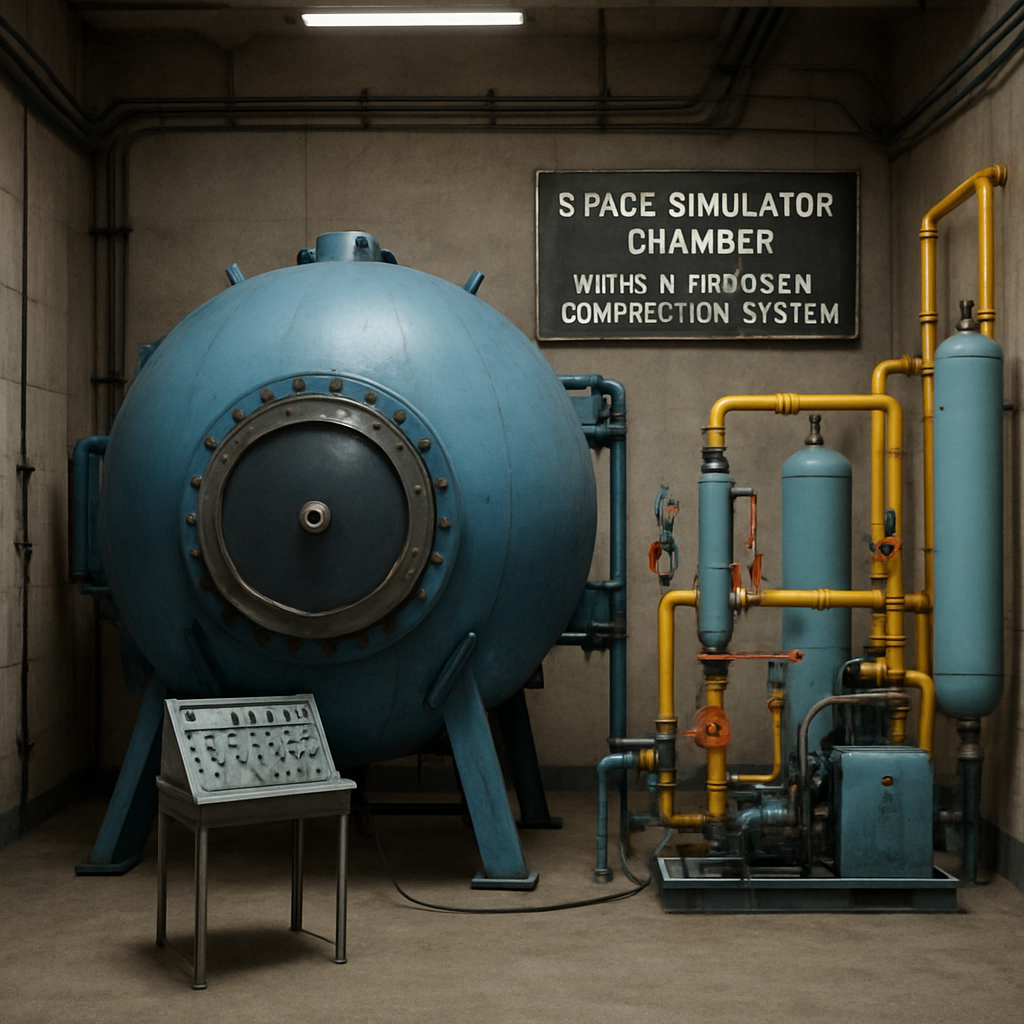
Space simulators and altitude chambers might sound like scenes from a science fiction movie, but they are vital tools in today’s scientific and aerospace industries. These incredible technologies help researchers and engineers test equipment and train personnel in environments that mimic the vastness of space or the high altitudes of our planet. At the heart of these systems is an often-overlooked component: nitrogen compressors. Let’s delve into why nitrogen compressors are the unsung heroes behind these advanced technologies. What is a Nitrogen Compressor? A nitrogen compressor is a specialized machine designed to compress nitrogen gas to a higher pressure. These devices are crucial in various industrial applications, especially in environments where maintaining the purity and pressure of nitrogen is essential. Unlike regular air compressors, nitrogen compressors are tailored to handle the specific properties of nitrogen gas, ensuring efficiency and safety. How Do Nitrogen Compressors Work? Nitrogen compressors work by taking in nitrogen gas, pressurizing it, and then delivering it at a specified pressure level. This process often involves multiple stages of compression to achieve the desired high-pressure output. The key components include an intake valve, compression chambers, pistons or rotors, and an output valve. The design and materials used in nitrogen compressors are crucial, as they must withstand high pressures and prevent contamination of the nitrogen gas. The Role of Nitrogen Compressors in Space Simulators Creating a Controlled Environment In space simulators, nitrogen compressors are indispensable. These simulators replicate the conditions of outer space, where the atmosphere is vastly different from Earth. Nitrogen compressors help create a controlled environment by maintaining the necessary pressure and purity of nitrogen. This ensures that equipment and astronauts are subjected to conditions that closely mimic those they will encounter in space. Ensuring Safety and Efficiency Safety is a paramount concern in space simulators. Nitrogen, being an inert gas, reduces the risk of combustion and other chemical reactions. By using nitrogen compressors, facilities can maintain a safe environment while also ensuring that all systems operate efficiently. This efficiency is crucial for both training purposes and equipment testing. Nitrogen Compressors in Altitude Chambers Simulating High Altitude Conditions Altitude chambers are used to replicate the conditions found at high elevations. These chambers are essential for training pilots and testing equipment meant for high-altitude missions. Nitrogen compressors play a vital role in these chambers by maintaining the necessary atmospheric conditions. By compressing nitrogen to high pressures, these compressors help simulate the lower oxygen levels and reduced air pressure found at high altitudes. Enhancing Performance and Training For pilots, understanding how their bodies and equipment react at high altitudes is critical. Nitrogen compressors ensure that altitude chambers can accurately replicate these conditions, providing valuable insights and training. This enables pilots to be better prepared for real-world high-altitude scenarios, ultimately enhancing their performance and safety. The Advantages of Using Nitrogen Compressors High Pressure and Purity One of the main advantages of nitrogen compressors is their ability to deliver high-pressure nitrogen with exceptional purity. This is crucial in both space simulators and altitude chambers, where even slight variations in gas composition can lead to inaccurate results or safety hazards. Reliability and Durability Nitrogen compressors are built to last, often constructed from materials that withstand high pressures and harsh conditions. This reliability is essential in environments where system failure is not an option. Whether for prolonged simulations or continuous altitude chamber operations, nitrogen compressors ensure consistent performance.

n2 flow rate for mass spectra
nitrogen generator

N2 Flow Rate for Mass Spectra

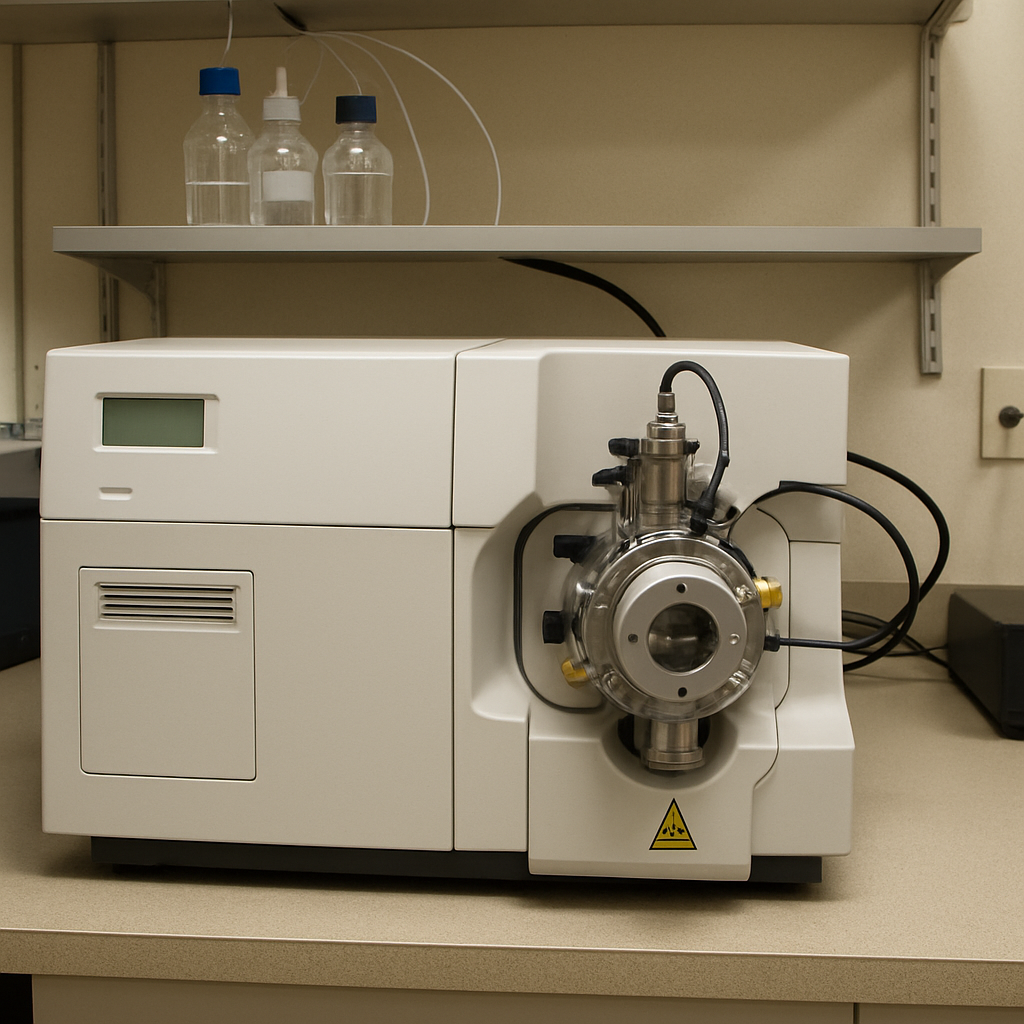
Nitrogen is often used as a carrier gas in mass spectrometry due to its inert properties and availability. It is not reactive, which means it does not interfere with the ionization process, making it an ideal choice for maintaining the integrity of the sample being analyzed. Additionally, its widespread availability and relatively low cost make nitrogen an economically viable option for laboratories around the world. The role of nitrogen extends beyond just being a passive carrier. It actively aids in the ionization process by providing a stable environment that facilitates the efficient transfer of ions through the mass spectrometer. The flow rate of nitrogen can significantly impact the quality and accuracy of the mass spectra produced. An optimal flow rate helps in minimizing the noise in the data, ensuring that the peaks in the mass spectrum are sharp and well-defined. Why Is Nitrogen Flow Rate Important? The nitrogen flow rate affects several critical aspects of mass spectrometry: How to Measure Nitrogen Flow Rate Proper measurement of nitrogen flow rate is key to maintaining the performance of your mass spectrometer. Here are some common methods used to measure the flow rate: Direct Flow Measurement Direct flow measurement involves using a flow meter to gauge the volume of nitrogen passing through the system. These devices can be mechanical or electronic, providing real-time data on flow rates. Mechanical flow meters often use a rotating vane or piston to measure the flow, while electronic meters use sensors to detect changes in flow velocity. Flow meters are valuable tools because they offer immediate feedback, allowing operators to make quick adjustments as needed. This real-time data is crucial for ensuring that the flow rate remains within the optimal range, thereby supporting the consistent quality of mass spectrometry results. Pressure-Based Flow Measurement Another method involves measuring the pressure drop across a known restriction in the flow path. This pressure drop can be correlated to the flow rate using calibration data. The restriction, often a critical orifice or capillary, creates a predictable relationship between pressure and flow, enabling accurate flow measurements. Pressure-based methods are advantageous in scenarios where direct measurement devices may not be feasible due to space constraints or other limitations. By carefully calibrating the system, these measurements can be highly reliable, providing an alternative or complementary approach to direct flow measurement. Importance of Regular Calibration Regular calibration of the flow measurement tools is essential for maintaining accuracy. Over time, equipment can drift or become less accurate, so routine checks and calibrations are necessary to ensure reliable measurements. Calibration involves comparing the flow meter’s readings against a known standard and adjusting it as necessary. Neglecting regular calibration can lead to errors in flow rate measurements, which in turn can impact the quality of the mass spectrometry data. By establishing a routine calibration schedule, laboratories can maintain high standards of precision and reliability in their analytical processes. Optimizing Nitrogen Flow Rate for Mass Spectrometry by National Cancer Institute (https://unsplash.com/@nci) Optimizing the nitrogen flow rate involves balancing several factors to achieve the best performance from your mass spectrometer. The goal is to align the flow rate with the specific requirements of the analysis while adhering to the instrument’s capabilities. Factors to Consider Steps to Optimize

laboratory nitrogen generator
nitrogen generator

Benefits of Using a Laboratory Nitrogen Generator

In the world of scientific research, precision and reliability are paramount. Laboratories require a consistent supply of high-quality gases to conduct experiments, perform analyses, and ensure accurate results. One such essential gas is nitrogen. Traditionally, laboratories have relied on gas cylinders to meet their nitrogen needs. However, more and more facilities are discovering the numerous benefits of using a laboratory nitrogen generator. This article will delve into the various advantages of employing a nitrogen generator in a laboratory setting. What is a Laboratory Nitrogen Generator? A laboratory nitrogen generator is a device that produces nitrogen gas on-site, eliminating the need for gas cylinders. These generators utilize advanced filtration technologies, such as Pressure Swing Adsorption (PSA) or Membrane technology, to separate nitrogen from the air, delivering a continuous supply of pure nitrogen gas. How Does it Work? Nitrogen generators operate by filtering out other gases present in the air, such as oxygen and carbon dioxide, leaving behind nitrogen. The two primary methods used are: Both methods are efficient and provide a reliable source of nitrogen gas, tailored to meet laboratory needs. Key Benefits of Using a Laboratory Nitrogen Generator Consistent Supply One of the most significant advantages of a laboratory nitrogen generator is the continuous, on-demand supply of nitrogen gas. Unlike gas cylinders that require regular replacement, a nitrogen generator ensures that your lab never runs out of nitrogen, thus preventing any disruption in research activities. Cost-Effective Investing in a nitrogen generator can lead to substantial cost savings over time. With a generator, there’s no need to purchase, store, or replace gas cylinders. This eliminates the recurring costs associated with cylinder rental, delivery, and handling. Additionally, the efficiency of nitrogen generators means lower energy consumption, further reducing operational expenses. Enhanced Safety Handling high-pressure gas cylinders poses safety risks, including leaks and potential accidents during transportation and storage. A laboratory nitrogen generator mitigates these risks by producing nitrogen at low pressure, minimizing the chance of accidents. This leads to a safer working environment for laboratory personnel. Purity and Quality Control Nitrogen generators provide high-purity nitrogen, often exceeding the purity levels obtained from gas cylinders. The ability to control purity levels ensures that laboratories can tailor the nitrogen supply to meet specific experimental requirements, leading to more accurate and reliable results. Environmental Impact Using a nitrogen generator reduces the environmental footprint of a laboratory. It eliminates the need for cylinder transportation, reducing greenhouse gas emissions associated with vehicle deliveries. Furthermore, nitrogen generators consume less energy compared to the processes involved in producing and transporting cylinder gases. Space-Saving Solution Gas cylinders require significant storage space and proper handling infrastructure. A laboratory nitrogen generator, on the other hand, is compact and can be easily integrated into existing laboratory setups. This space-saving feature is especially beneficial for labs with limited space. Applications of Laboratory Nitrogen Generators

is nitrogen an inert gas
nitrogen generator

Understanding Nitrogen: Is It Truly Inert?

Introduction Nitrogen is a common element that plays a significant role in various industrial processes and natural phenomena. Often associated with the term “inert,” nitrogen is widely used for its stable and non-reactive properties. But is nitrogen truly inert? In this article, we’ll explore the inert gas definition, the uses of nitrogen, and its inertness in different contexts. The Ubiquity of Nitrogen Nitrogen is not just abundant; it is a cornerstone of life on Earth. Apart from dominating the atmosphere, it is a key component of amino acids and nucleic acids, forming the building blocks of life. Its presence in the nitrogen cycle, where it moves from the atmosphere to the soil and living organisms and back again, highlights its ecological importance. Despite being a major player in these natural processes, nitrogen’s inertness is a topic of interest and debate. Industrial Significance Beyond its natural abundance, nitrogen’s unique properties make it indispensable in various industries. In the chemical sector, it’s used to create a non-reactive environment, preventing unwanted chemical reactions that could lead to hazards or product degradation. Its role in the production of fertilizers through the Haber process underscores its industrial importance. Moreover, nitrogen’s application extends to the electronics and food industries, where its inert-like properties are highly valued. Misconceptions About Inertness The term “inert” often leads to misunderstandings about nitrogen’s true nature. While it is stable and non-reactive under normal conditions, this does not mean it cannot react. The conditions under which nitrogen becomes reactive are specific and often extreme, which we will explore further. Recognizing these nuances is essential for harnessing nitrogen’s full potential in various applications. What is an Inert Gas? Before diving into nitrogen’s properties, it’s essential to understand what an inert gas is. An inert gas is a gas that does not undergo chemical reactions under a set of given conditions. These gases are characterized by their lack of reactivity due to their complete valence electron shell. Common examples include noble gases like helium, neon, and argon. Defining Inertness Inertness is a term that describes the inability of a substance to undergo chemical reactions easily. In the case of gases, this characteristic is predominantly due to their electronic configuration, which is stable and complete. Noble gases are the epitome of inertness, exhibiting minimal reactivity even under extreme conditions. This property is crucial in applications where chemical stability is paramount. Historical Context of Inert Gases The concept of inert gases dates back to the discovery of noble gases in the late 19th century. Scientists were intrigued by these gases’ lack of chemical activity, which led to their classification as “noble” or “inert.” This discovery revolutionized the understanding of chemical reactivity and stability, influencing how these gases are utilized in modern applications. Their unique position in the periodic table further cemented their status as the benchmark for inertness. Practical Applications Inert gases are invaluable in various fields due to their non-reactive nature. In welding, for example, argon and helium are used to protect the weld area from atmospheric gases that could cause defects. In lighting, neon is a popular choice for its ability to emit a bright glow without reacting with other materials. Additionally, inert gases play a vital role in scientific research, providing stable environments for sensitive experiments. Nitrogen and Its Uses Nitrogen is the most abundant gas in Earth’s atmosphere, making up about 78% of the air we breathe. Despite its prevalence, nitrogen is not a noble gas. Instead, it is a diatomic molecule (N₂) that exhibits some inert-like properties. Nitrogen’s Role in Nature In the natural world, nitrogen is a fundamental element for living organisms. It is a critical component of proteins, which are essential for the structure and function of cells. The nitrogen cycle is a vital ecological process, recycling nitrogen through the atmosphere, soil, and organisms. This cycle ensures that nitrogen remains available for various biological processes, highlighting its indispensable role in sustaining life.

general air nitrogen generator
nitrogen generator

Why Choose a General Air Nitrogen Generator

When it comes to maintaining the safety and efficiency of your sprinkler systems, selecting the right nitrogen generator is crucial. Nitrogen generators are essential for preventing corrosion in dry sprinkler systems and ensuring they operate effectively when needed. Among the options available, the General Air Nitrogen Generator stands out as a reliable choice. In this article, we will explore why choosing a General Air Nitrogen Generator for your sprinkler systems is a wise decision. Nitrogen generators play a vital role in dry sprinkler systems. These systems are typically used in environments where the pipes might freeze, such as in unheated warehouses or outdoor structures. In a dry sprinkler system, pipes are filled with pressurized air, and water is only released when a fire triggers the system. However, the presence of oxygen in the air can lead to corrosion over time, damaging the pipes and reducing the system’s efficiency. The Role of Nitrogen in Preventing Corrosion Nitrogen is a non-reactive gas, meaning it does not support combustion and does not react with other materials. By using nitrogen to pressurize the pipes instead of regular air, you significantly reduce the oxygen content, thereby minimizing the risk of corrosion. This prolongs the lifespan of the sprinkler system and ensures its reliability during emergencies. Advantages of a General Air Nitrogen Generator Reliable Performance General Air Nitrogen Generators are known for their reliability and performance. They are designed to deliver a consistent supply of nitrogen, ensuring your sprinkler system is always ready to respond in the event of a fire. The generator’s advanced air separation unit efficiently extracts nitrogen from the atmosphere, providing a high purity level that meets the needs of your system. Cost-Effective Solution Investing in a General Air Nitrogen Generator is a cost-effective decision in the long run. By preventing corrosion, you reduce maintenance costs and extend the lifespan of your sprinkler system. This means fewer repairs, less downtime, and more savings over time. Easy Installation and Maintenance General Air Nitrogen Generators are designed with user-friendliness in mind. They are easy to install and integrate seamlessly with existing sprinkler systems. Additionally, their straightforward design ensures that maintenance is simple and hassle-free, allowing you to focus on other important aspects of your operations. How a General Air Nitrogen Generator Works The Nitrogen Generation Process The generator uses an air separation unit to extract nitrogen from the atmosphere. This process involves compressing air and passing it through a membrane or pressure swing adsorption (PSA) system, which separates the nitrogen from other gases. The result is a stream of high-purity nitrogen that is ready to be used in your sprinkler system. Integration with Dry Sprinkler Systems Once the nitrogen is generated, it is fed into the sprinkler system’s pipes, replacing the air. This creates a protective environment that prevents corrosion and ensures the system’s readiness. The nitrogen generator continuously monitors and maintains the nitrogen levels, providing peace of mind that your system is always protected. Comparing General Air Nitrogen Generators to Other Options by Alvaro Matzumura (https://unsplash.com/@alvaromatzumura) When considering nitrogen generators, it’s important to compare different options to determine which is best for your needs. General Air Nitrogen Generators offer several advantages over other systems: Choosing the Right Nitrogen Generation System

Scroll to Top