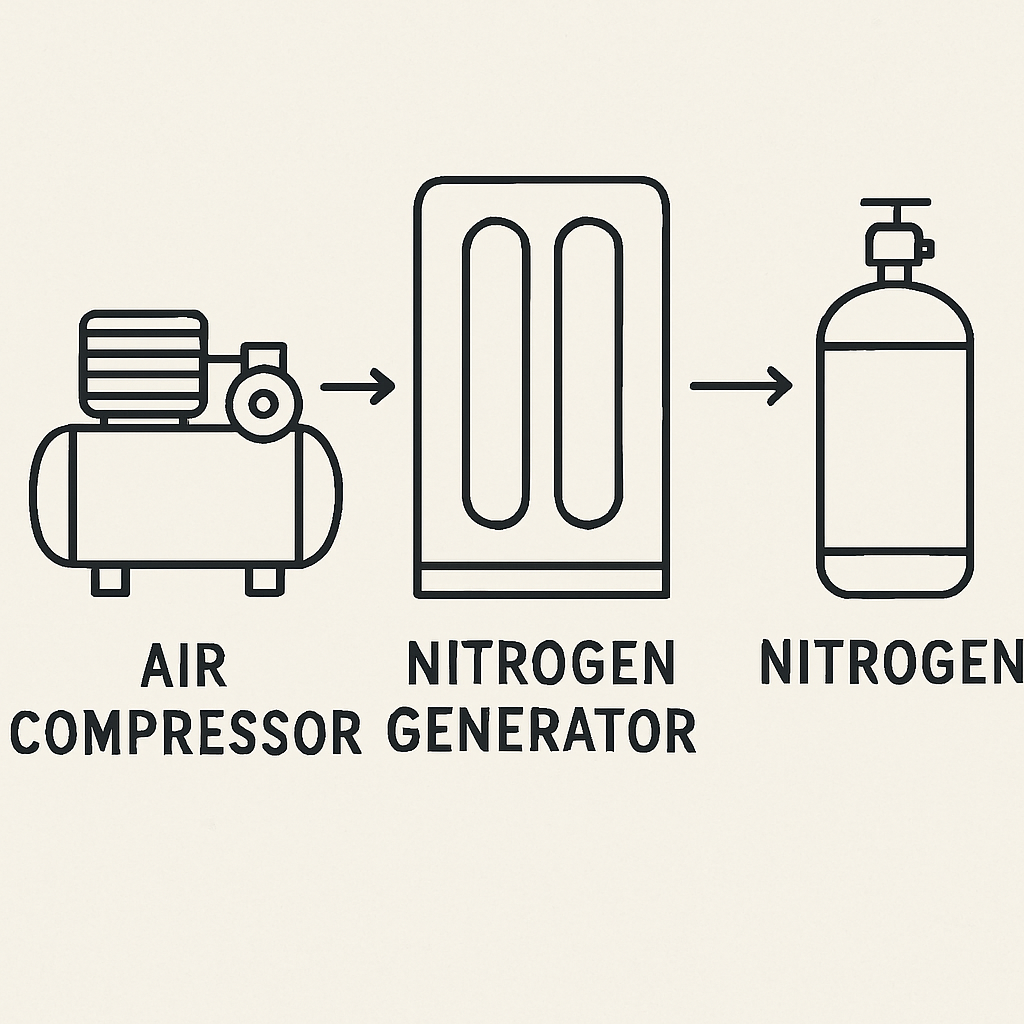
Choosing the Right Air Compressor for Nitrogen Generation
Choosing the right air compressor is vital for efficient nitrogen generation. It ensures the system operates smoothly and cost-effectively. An […]
Choosing the right air compressor is vital for efficient nitrogen generation. It ensures the system operates smoothly and cost-effectively. An […]
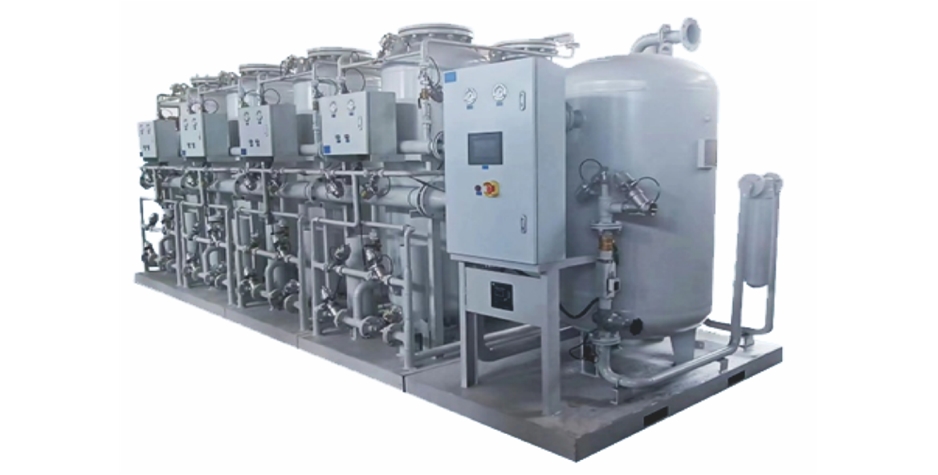
You know that heavy sensation when your legs turn to lead halfway through a run or workout? That physical “wall”

You might not see it, but nitrogen is the reason your potato chips stay crunchy and airplane tires handle massive

Despite decades of proven efficiency gains, compressed air heat recovery remains surprisingly uncommon in Mexico’s manufacturing sector. Is cost truly

In the ever-evolving landscape of defense and security, the role of Arms SMC (Smart Munitions Control) has become increasingly significant. As technology advances, so too does the sophistication of weapons and the strategies used to manage them. This article delves into the importance of Arms SMC in maintaining global peace and security. Arms SMC, or Smart Munitions Control, refers to the technologies and systems designed to manage and control the use of advanced munitions. These systems are crucial for ensuring that weapons are used responsibly and effectively, minimizing collateral damage and enhancing the precision of military operations. SMC technology integrates a variety of components, including sensors, communication systems, and artificial intelligence, to provide real-time data and control over munitions. This allows for more informed decision-making during military engagements and can significantly reduce the risk of unintended consequences. The Importance of Arms Control Arms control plays a vital role in promoting global stability and security. By regulating the development, production, and deployment of weapons, arms control measures aim to prevent the escalation of conflicts and reduce the likelihood of war. Arms SMC is a critical component of these efforts, offering enhanced capabilities for monitoring and managing weapon systems. The integration of SMC technology into arms control measures enables more precise targeting and reduces the potential for civilian casualties. This not only helps to maintain ethical standards in warfare but also fosters international trust and cooperation. How Arms SMC Enhances Security The implementation of Arms SMC technology offers several key benefits for global security: The Future of Arms SMC As the world becomes more interconnected and complex, the role of Arms SMC will continue to grow in importance. Future advancements in technology will likely lead to even more sophisticated systems, further enhancing the capabilities of military forces and contributing to global peace efforts. In conclusion, Arms SMC represents a critical advancement in the realm of defense technology. By providing greater control and precision, SMC systems not only improve the effectiveness of military operations but also play a pivotal role in arms control and global security. As we look to the future, the continued development and implementation of Arms SMC technology will be essential in maintaining a safe and stable world.
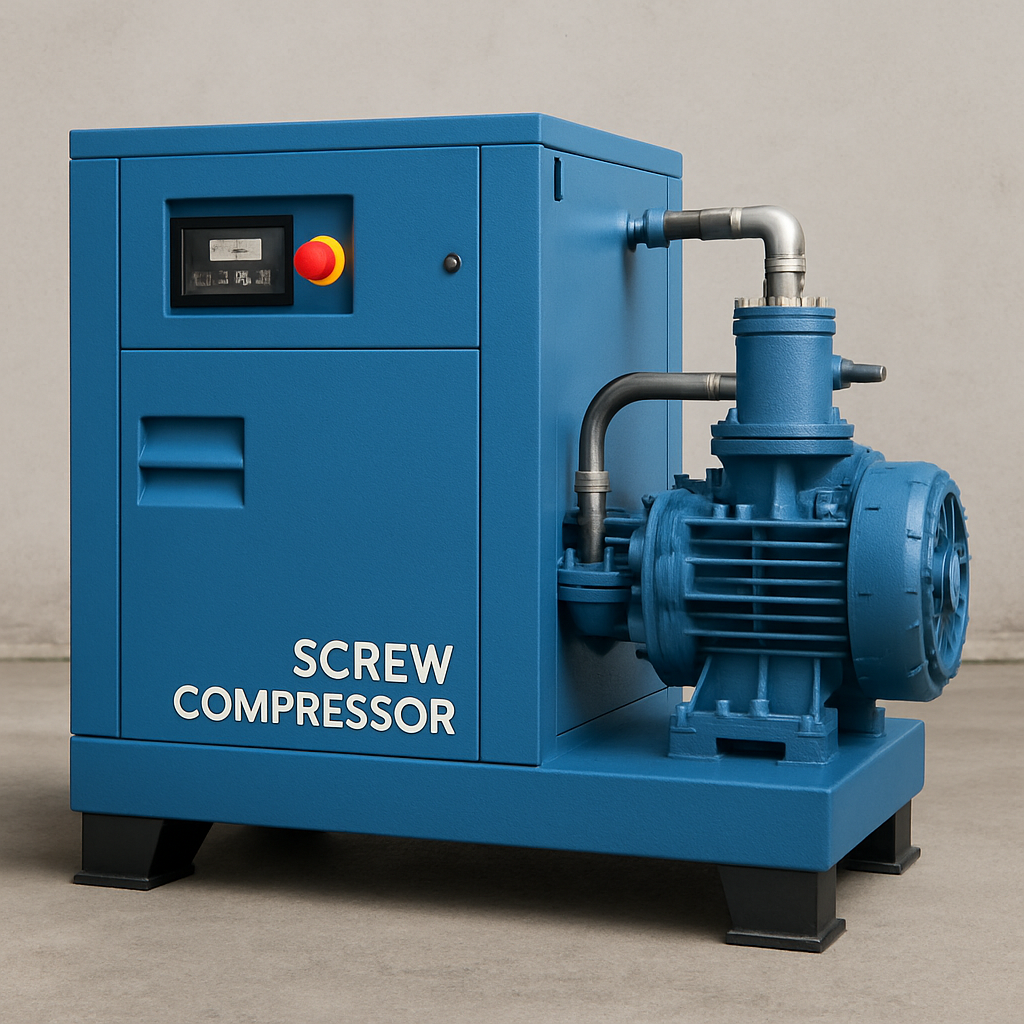
In the dynamic realm of industrial machinery, the screw compressor shines as a beacon of reliability and efficiency. This piece of equipment is not just another tool but has established itself as a cornerstone in various industrial processes. Its reputation for durability and outstanding performance has made it indispensable across multiple sectors. But what exactly makes the screw compressor so favored among industries? In this article, we will explore the multifaceted advantages of using screw compressors, revealing why they have become so integral to modern industrial operations. What is a Screw Compressor? A screw compressor, also commonly known as a rotary screw compressor, is a type of gas compressor that employs a rotary-type positive-displacement mechanism. This design allows it to efficiently handle large volumes of air, making it ideal for industrial applications that require a continuous and reliable supply of compressed air. Screw compressors are engineered to operate under demanding conditions, providing high performance and reliability. How Does it Work? The operation of a screw compressor is based on the interaction of two interlocking rotors that rotate in opposite directions. As these rotors spin, they trap air between them, progressively reducing its volume and increasing its pressure before discharging it. This constant rotary motion ensures a steady flow of compressed air, which is crucial for applications that demand uninterrupted performance. The design also minimizes mechanical stress, enhancing the compressor’s longevity and efficiency. Key Advantages of Screw Compressors 1. High Efficiency A significant advantage of screw compressors is their unparalleled efficiency. Unlike other compressor types that may produce pulsations, screw compressors provide a continuous, smooth flow of air. This consistent delivery is essential for maintaining stable operations in industrial settings, where any disruption can lead to costly downtime. The efficiency of screw compressors also means they can meet high demand without sacrificing performance, making them a preferred choice for industries focused on productivity. 2. Reliability and Durability Screw compressors are engineered with longevity in mind. Their robust design incorporates fewer moving parts, which results in less wear and tear over time. This inherent durability means that screw compressors experience fewer breakdowns, translating into lower maintenance costs and extended service life. Industries benefit from this reliability as it ensures continuity in operations, reducing the likelihood of unexpected interruptions. 3. Low Maintenance The straightforward design of screw compressors is another key advantage. With fewer components to monitor and repair, these compressors require minimal maintenance compared to their counterparts. The absence of valves and complex mechanisms reduces the need for frequent repairs. Routine checks and oil changes are generally sufficient to maintain optimal performance, allowing industries to allocate their resources more effectively. 4. Quiet Operation Noise pollution is a pervasive issue in industrial environments, and screw compressors address this concern effectively. Models like the Quincy screw compressor are renowned for their quiet operation, significantly reducing noise levels in the workplace. This quietness not only enhances the work environment by making it more comfortable for employees but also complies with regulatory requirements concerning noise pollution, a critical factor for many industries. 5. Energy Efficiency In an era where energy efficiency is a priority, screw compressors stand out for their design that minimizes power consumption while maximizing output. This energy-efficient performance not only lowers operational costs but also aligns with global sustainability goals. Industries benefit from reduced electricity bills and contribute to environmental conservation, making screw compressors a smart choice for businesses committed to greener operations. Applications of Screw Compressors Screw compressors are incredibly versatile, finding applications across a wide array of industries. Their design and operational capabilities make them suitable for various tasks, enhancing productivity and efficiency in numerous sectors. Manufacturing In manufacturing, screw compressors are essential for powering pneumatic tools, conveyor systems, and a range of machinery. Their ability to provide a continuous air supply ensures production processes are smooth and uninterrupted. This reliability is crucial for maintaining high production rates and meeting tight deadlines, key factors for competitive success in the manufacturing industry.
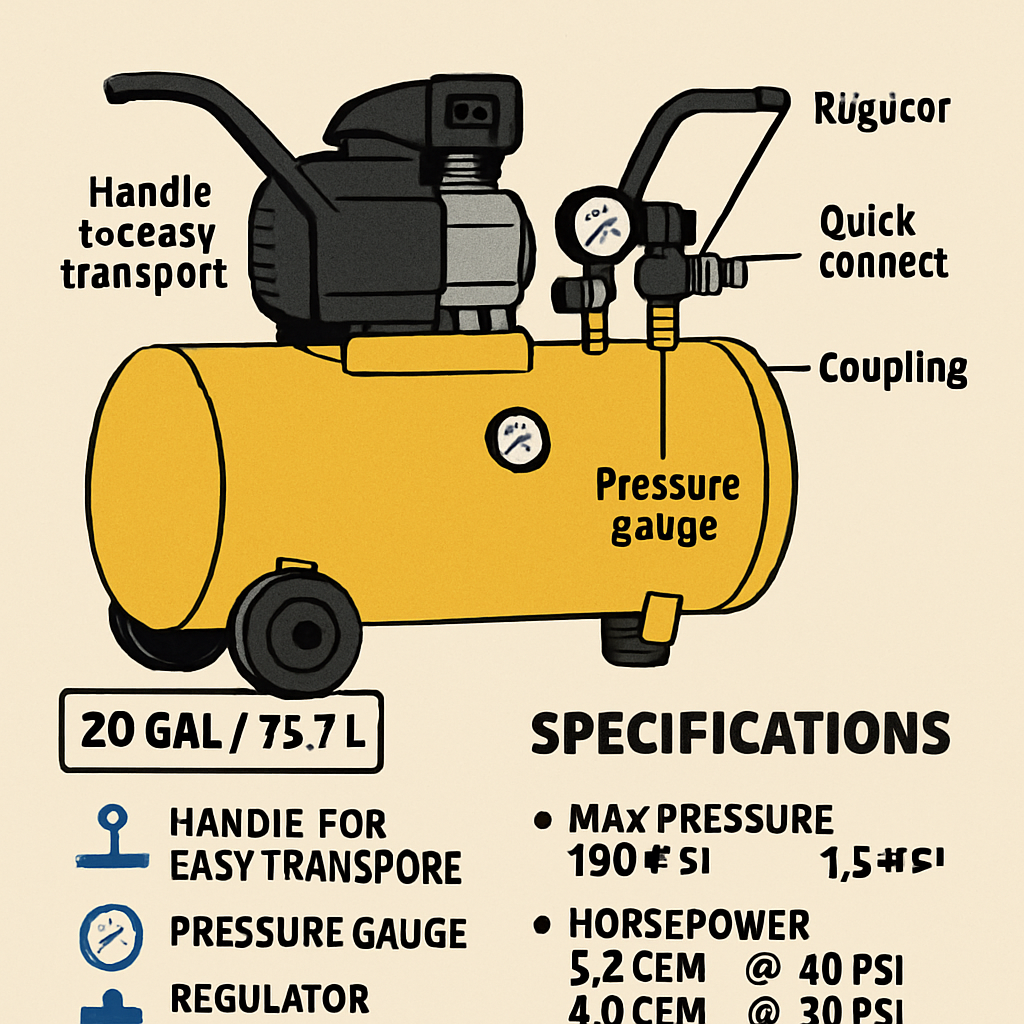
Air compressors are versatile tools used across various industries, from automotive to construction, and even in home workshops. They work by converting power into potential energy stored in pressurized air. This stored air can then be used to power a wide range of tools and equipment. The versatility of air compressors makes them indispensable for tasks such as inflating tires, painting, or operating pneumatic tools. Understanding the mechanics behind air compressors can enhance their use. Essentially, they increase the air pressure by reducing its volume, which allows them to deliver significant power with minimal energy expenditure. This efficiency is why they are favored in both professional settings and personal workshops. Their ability to adapt to different tasks by simply changing the attachments or tools is a big plus for users seeking multifunctionality. Types of Air Compressors There are several types of air compressors, each with its own unique features and applications: Key Considerations When Choosing an Air Compressor When selecting an air compressor, several factors should guide your decision. These considerations will ensure that the compressor meets your specific needs and enhances your productivity. Power Source Air compressors can be powered by electricity, gasoline, or diesel. Electric compressors are typically quieter and more efficient, making them suitable for indoor use. They are also easier to maintain since they do not require refueling. Gas air compressors, on the other hand, provide more mobility and are ideal for outdoor tasks. They offer the advantage of portability and independence from electrical outlets, which is particularly beneficial in remote areas or on construction sites. Tank Size The tank size of an air compressor determines how long your tools can run before the compressor needs to refill. For light tasks, a small tank may suffice. However, for more demanding applications, a larger tank is advisable. Larger tanks are more suitable for tasks that require a continuous air supply, such as spray painting or operating high-demand pneumatic tools. Choosing the right tank size can prevent interruptions during your work and increase efficiency. Portability If you need a compressor that can be easily moved around, consider a portable air compressor. These units are designed for easy transport and are perfect for on-the-go projects. Portability is a key feature for those who need to carry their compressors to different job sites or move them around within a workshop. Features such as wheels, handles, and compact designs can greatly enhance the ease of transportation. Noise Level Silent air compressors are specifically designed to operate quietly. If you’re working in a noise-sensitive environment, such as a home garage or workshop, a silent model would be ideal. Reducing noise can also be important for maintaining a comfortable work environment and adhering to noise regulations in residential areas. Oil vs. Oil-Free Air compressors can be either oil-lubricated or oil-free. Oil-lubricated compressors are typically more durable and quieter, but they require regular maintenance. They are well-suited for heavy-duty, continuous use. Oil-free compressors are less costly and require less maintenance, making them suitable for occasional use. They are ideal for tasks where cleanliness is paramount, such as in food processing or medical equipment. PSI and CFM Ratings The PSI (pounds per square inch) and CFM (cubic feet per minute) ratings are crucial when choosing an air compressor. The PSI indicates the maximum pressure the compressor can deliver, while the CFM measures the volume of air it can produce. Make sure the compressor’s ratings match the requirements of the tools you plan to use. Higher CFM ratings are necessary for tools that consume a lot of air, like sanders or grinders, while a higher PSI is essential for tasks that require more force, such as inflating tires or powering nail guns. Popular Air Compressor Brands by Sebastian Huxley (https://unsplash.com/@sebastianhuxley)