nitrogen generator

liquid nitrogen generator
nitrogen generator

Understanding the Basics of Liquid Nitrogen Generators

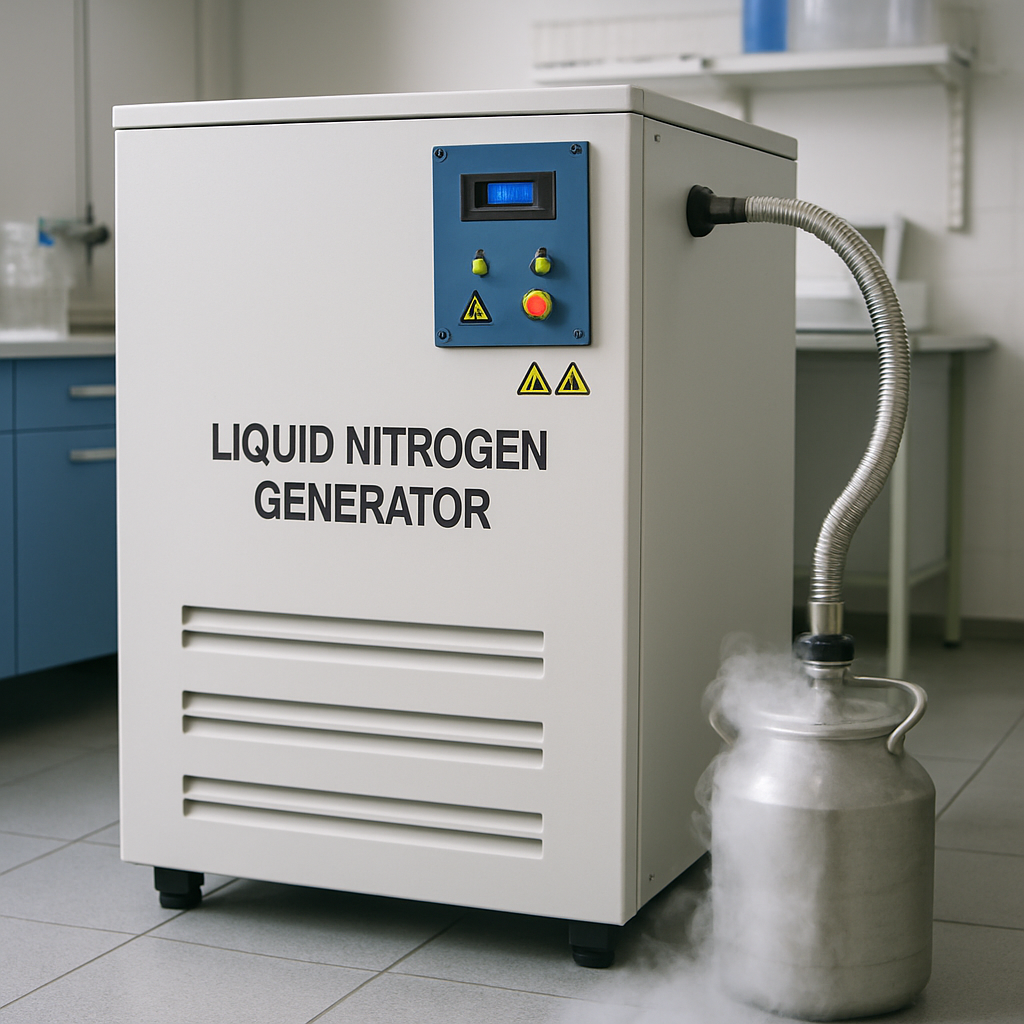
Liquid nitrogen generators are becoming increasingly popular in various industries due to their efficiency and convenience. These innovative devices are transforming how businesses operate by ensuring a steady and reliable supply of nitrogen. From medical laboratories to food processing plants, liquid nitrogen generators play a pivotal role in maintaining operational continuity and optimizing workflows. In this article, we’ll delve into what a liquid nitrogen generator is, how it works, its applications, and factors influencing its price. A liquid nitrogen generator is a sophisticated system designed to produce nitrogen in its liquid form. Unlike traditional methods of nitrogen supply, such as gas cylinders, a generator offers a continuous and on-demand supply. This not only saves time but also reduces dependency on external suppliers, which can be both costly and logistically challenging. The ability to generate nitrogen on-site can significantly streamline operations, minimizing delays associated with delivery and potential supply chain disruptions. Furthermore, liquid nitrogen generators are designed to be user-friendly and integrate seamlessly into existing systems. They can be tailored to meet specific production needs, whether for a small laboratory or a large-scale industrial operation. By eliminating the need for frequent cylinder replacements and reducing storage requirements, these generators offer a sustainable and efficient solution for nitrogen needs. How Does It Work? Liquid nitrogen generators primarily use a process called cryogenic distillation. Here’s a simplified breakdown of how it works: Some generators also employ membrane or Pressure Swing Adsorption (PSA) technology to extract nitrogen. These methods are particularly useful in smaller setups where cryogenic distillation might be impractical due to space or cost constraints. Membrane technology involves passing compressed air through a selective membrane that allows only nitrogen to pass through, while PSA uses adsorbent materials to separate nitrogen from other gases in the air. Advantages Over Traditional Methods Applications of Liquid Nitrogen Generators Liquid nitrogen generators are versatile and find applications across various sectors. Their ability to provide a steady supply of high-purity nitrogen makes them invaluable in numerous fields. Medical and Healthcare In the medical field, liquid nitrogen is used for cryopreservation, which involves storing cells, tissues, and other biological samples at ultra-low temperatures. This is essential for preserving the viability of samples over long periods, crucial for research and medical treatments. It’s also utilized in dermatology for cryotherapy, a treatment method for removing warts and other skin lesions. Cryotherapy is a minimally invasive procedure, offering a quick and effective solution for various skin conditions. Additionally, liquid nitrogen is vital in the storage of vaccines and pharmaceuticals, ensuring they remain stable and effective until use. Hospitals and research facilities rely on liquid nitrogen for its ability to maintain the integrity of sensitive biological materials. Food and Beverage Liquid nitrogen is employed in the food industry for flash freezing, which helps in preserving the texture and flavor of food products. Flash freezing locks in moisture and nutrients, maintaining the quality of the food from production to consumption. It’s also used in the production of carbonated beverages, where nitrogen helps maintain the desired level of carbonation and extends shelf life. Moreover, chefs use liquid nitrogen for culinary innovation, creating unique textures and presentations that are not possible with traditional cooking methods. Its use in molecular gastronomy has revolutionized how chefs approach food preparation and presentation. Manufacturing and Industrial In manufacturing, liquid nitrogen is used for cooling materials, reducing wear and tear on machinery, and preserving volatile substances. Its extreme cold properties make it ideal for processes that require rapid cooling or temperature stabilization. It’s also essential in the production of nitrogen gas for various industrial applications, including inerting and blanketing processes that prevent oxidation and other chemical reactions. Liquid nitrogen is also used in the electronics industry for cooling components during manufacturing, ensuring precision and quality in production. Its role in reducing thermal stress on materials extends the lifespan and reliability of critical components. Research and Development Research laboratories use liquid nitrogen for sample storage and in experiments requiring low temperatures. Its inert nature makes it ideal for creating controlled environments, ensuring that experiments are conducted under optimal conditions. Liquid nitrogen’s ability to maintain consistent low temperatures is crucial for many scientific studies, including those in physics, chemistry, and biology. […]
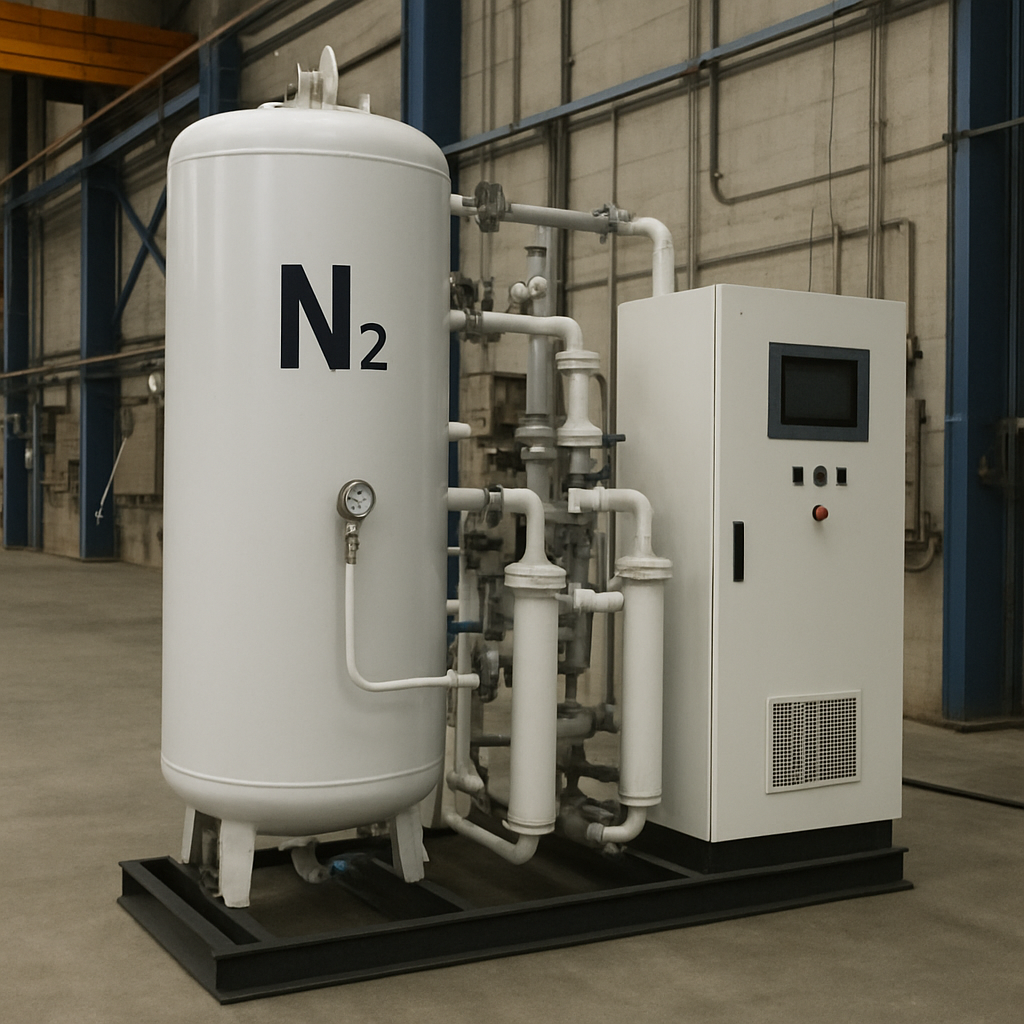
nitrogen generators 30l/min
nitrogen generator

Advantages of 30L/min Nitrogen Generators

# Advantages of 30L/min Nitrogen Generators In today’s fast-paced industrial world, efficiency and reliability are key. One piece of equipment that has become increasingly important is the nitrogen generator. Specifically, a nitrogen generator that can produce 30 liters per minute offers numerous advantages. Whether you’re in manufacturing, food packaging, or laboratory work, understanding these benefits can help you decide if a 30L/min nitrogen generator is right for your needs. What is a Nitrogen Generator? A nitrogen generator is a device that separates nitrogen from the air and supplies it on demand. While there are various types of nitrogen generators, including membrane and pressure swing adsorption (PSA) systems, they all serve the same basic purpose: to provide a continuous supply of nitrogen without the need for gas cylinders. How Does a 30L/min Nitrogen Generator Work? A 30L/min nitrogen generator works by filtering out oxygen and other gases from compressed air, leaving behind pure nitrogen. This process typically involves two main stages: air compression and nitrogen separation. The compressed air is passed through a series of filters and a nitrogen membrane or adsorbent material, resulting in a high-purity nitrogen output. Key Benefits of 30L/min Nitrogen Generators Understanding the specific advantages of a 30L/min nitrogen generator can help you make an informed decision for your business. Consistent Nitrogen Supply One of the primary advantages of a nitrogen generator is its ability to provide a consistent supply of nitrogen. Unlike gas cylinders, which need to be replaced or refilled regularly, a nitrogen generator can produce nitrogen continuously as long as it has access to air and electricity. This ensures that your operations can run smoothly without interruptions. Cost-Effective Solution While the initial investment for a nitrogen generator can be significant, it often proves to be more cost-effective in the long run. By producing nitrogen on-site, businesses can reduce or even eliminate the costs associated with purchasing and transporting gas cylinders. Additionally, maintenance costs for nitrogen generators are generally low, further enhancing their cost-effectiveness. Enhanced Safety Using nitrogen gas cylinders involves certain risks, including potential leaks and handling accidents. By contrast, a nitrogen generator minimizes these risks by producing nitrogen on demand and reducing the need for cylinder storage. This makes nitrogen generators a safer option for many industries. Environmentally Friendly Nitrogen generators offer an environmentally friendly alternative to traditional gas cylinders. By eliminating the need for cylinder deliveries and reducing emissions associated with transportation, businesses can lower their carbon footprint. Additionally, because nitrogen generators use air as their primary resource, they have a minimal environmental impact. Flexibility and Convenience A 30L/min nitrogen generator provides flexibility and convenience for various applications. Whether you need nitrogen for packaging, inerting, or laboratory analysis, a nitrogen generator can be easily integrated into your existing systems. Furthermore, it allows you to adjust the nitrogen purity and flow rate to suit your specific needs. Applications of 30L/min Nitrogen Generators Food and Beverage Industry

air to nitrogen ratio psa nitrogen generator
nitrogen generator

Air to Nitrogen Ratio psa Nitrogen Generator

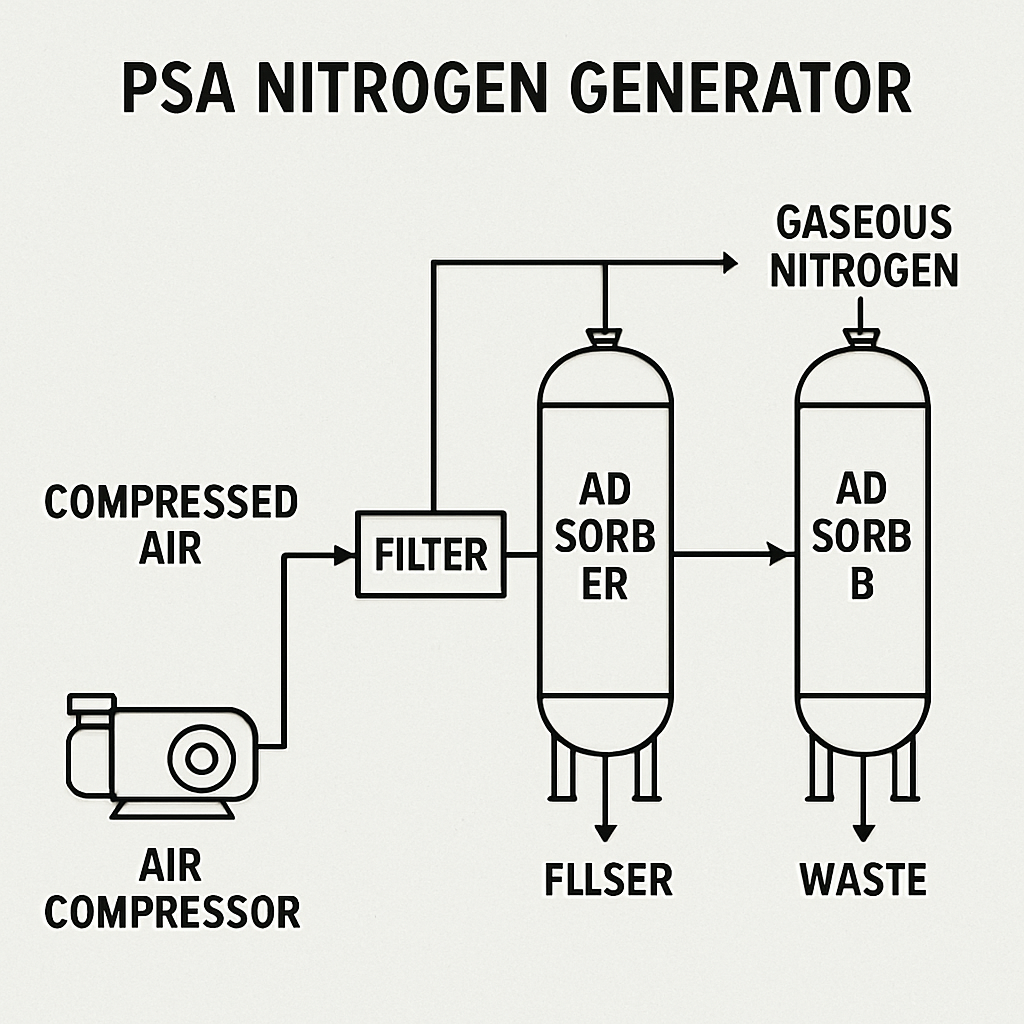
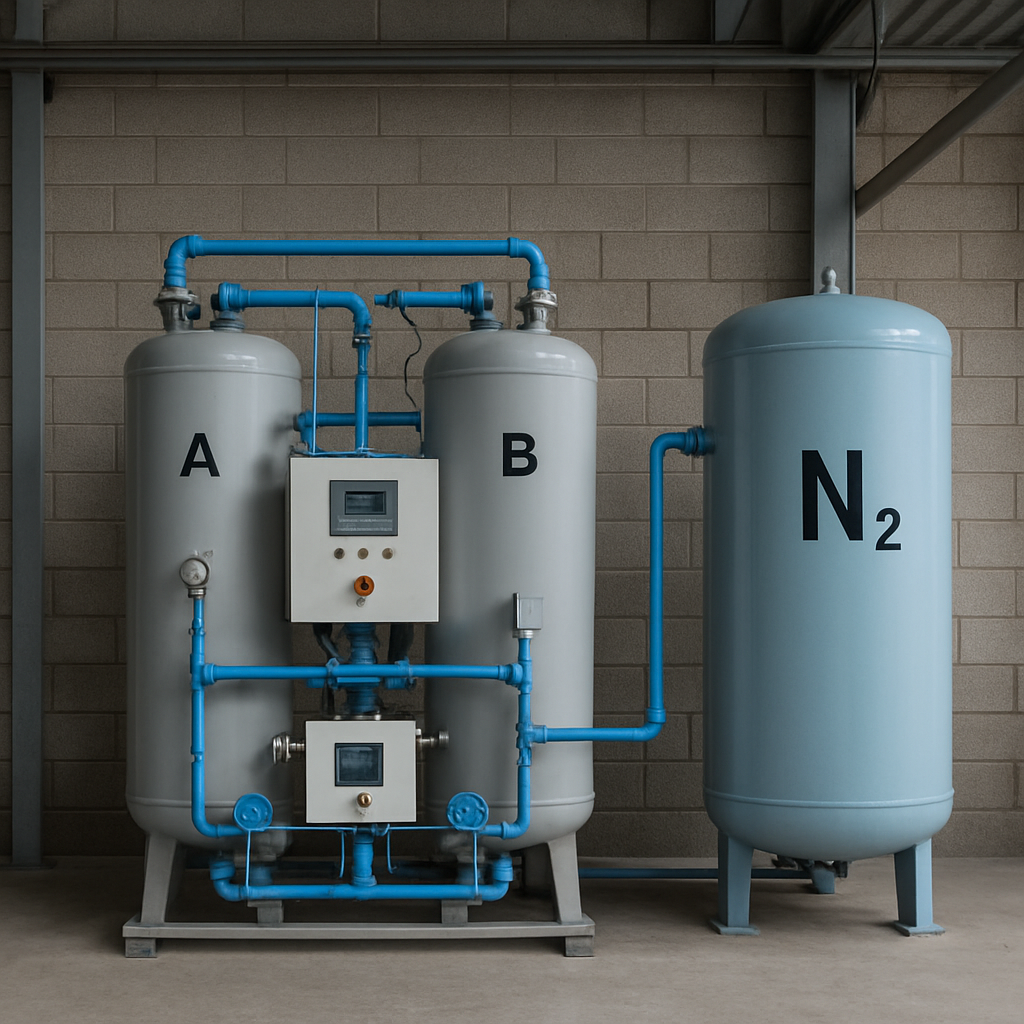
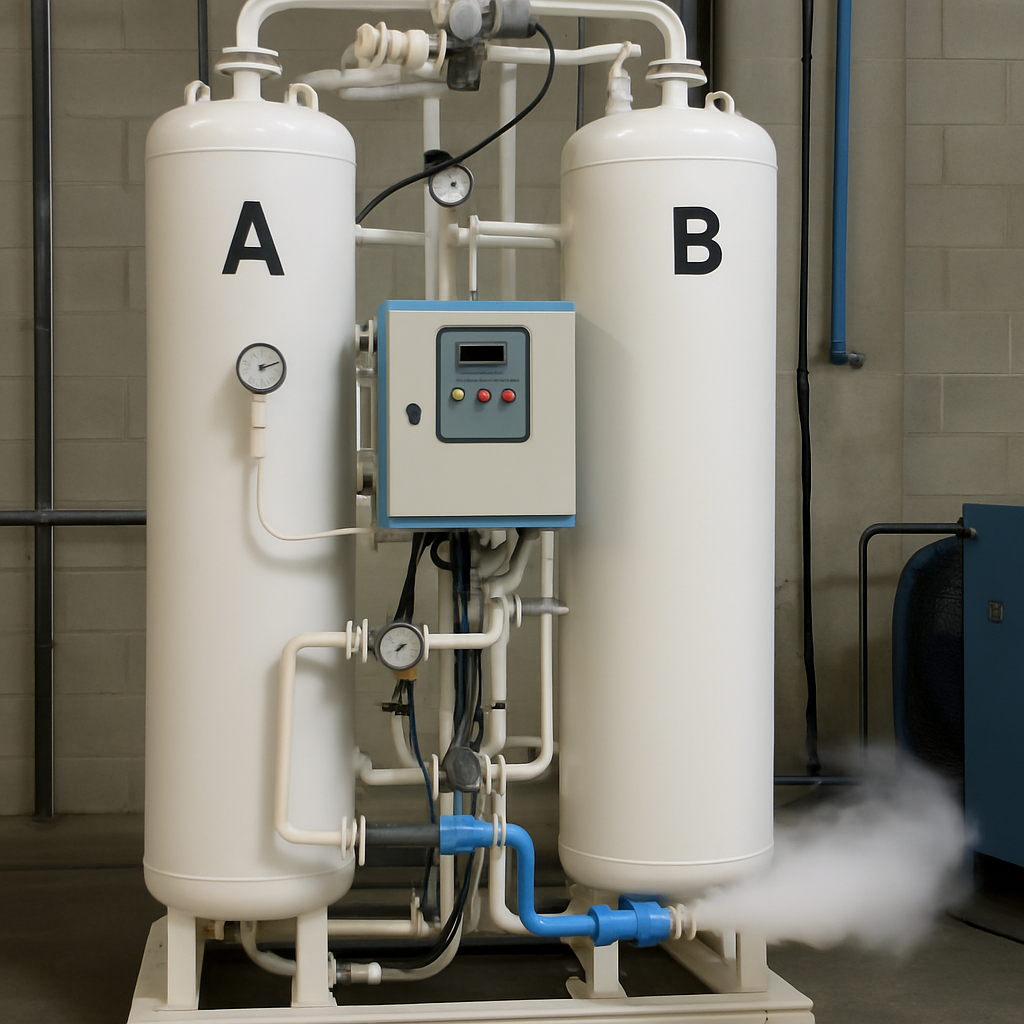
In today’s industrial landscape, the demand for nitrogen is ever-increasing. From food packaging to electronics manufacturing, nitrogen plays a crucial role. But how do industries obtain this essential gas efficiently? One popular method is through PSA (Pressure Swing Adsorption) nitrogen generators. Understanding the air to nitrogen ratio in these systems is vital for optimizing performance and ensuring cost-effectiveness. A PSA nitrogen generator is a device that separates nitrogen from the air. It works by using a special material called a carbon molecular sieve. This material adsorbs oxygen, carbon dioxide, and other impurities, allowing nitrogen to pass through as the primary product. How PSA Technology Works The process begins with air intake. The air is compressed and passed through a series of filters to remove dust and other particles. Once cleaned, the air enters the PSA unit, where the carbon molecular sieve does its job. By alternating between two towers filled with this sieve material, the system can continuously produce nitrogen while regenerating the sieve in the idle tower. Key Benefits of PSA Nitrogen Generators Understanding the Air to Nitrogen Ratio The air to nitrogen ratio is a critical factor that determines the efficiency and output of a PSA nitrogen generator. This ratio refers to the amount of air required to produce a specific amount of nitrogen. Why is the Air to Nitrogen Ratio Important? How to Calculate the Air to Nitrogen Ratio Calculating this ratio involves understanding the flow rates of both air and nitrogen. Typically, manufacturers provide specifications for their equipment, which include the optimal air to nitrogen ratio. This can vary based on the desired purity of nitrogen. For example, a lower purity level might require a higher air to nitrogen ratio, as more air is needed to achieve the desired concentration of nitrogen. Factors Affecting the Air to Nitrogen Ratio Several factors can influence this ratio, including: Optimizing the Air to Nitrogen Ratio To achieve the best performance from a PSA nitrogen generator, it’s crucial to monitor and adjust the air to nitrogen ratio based on real-time operating conditions. This can involve: Applications of PSA Nitrogen Generators by NAIS (https://unsplash.com/@naisru) The versatility of PSA nitrogen generators makes them suitable for a wide range of industries. Some common applications include: Food and Beverage Industry Nitrogen is used to displace oxygen in packaging, extending the shelf life of products. A properly calibrated air to nitrogen ratio ensures that nitrogen purity meets food safety standards.

nitrogen generator

Essential Specifications for Nitrogen Generators

# Essential Specifications for Nitrogen Generators In the world of industrial applications, nitrogen generators play a crucial role by providing a consistent and on-demand supply of nitrogen gas. Whether you’re involved in food packaging, electronics manufacturing, or chemical processing, understanding the specifications of nitrogen generators can help you make informed decisions. Let’s dive into the essential specifications you need to consider when selecting a nitrogen generator. One of the most critical specifications to evaluate is the capacity of the nitrogen generator. But what does capacity really mean in this context? Defining Capacity Nitrogen generator capacity refers to the amount of nitrogen gas that the generator can produce over a specific period, typically measured in cubic feet per hour (CFH) or liters per minute (LPM). The required capacity will depend largely on your specific application needs. For instance, a small laboratory may require a lower capacity generator compared to a large-scale industrial operation that uses nitrogen gas in bulk. Assessing Your Needs Before choosing a nitrogen generator, assess your nitrogen consumption needs. Consider factors like peak usage times, total nitrogen demand, and any potential future expansion. A generator with insufficient capacity can lead to operational disruptions, while one with excessive capacity could increase unnecessary costs. Key Specifications of Nitrogen Generators When examining nitrogen generators, several specifications beyond capacity are crucial to ensure optimal performance and efficiency. Purity Levels Nitrogen purity is a vital specification, especially in industries where contamination can affect product quality, such as food and pharmaceuticals. Purity levels are typically expressed as a percentage, with common ranges from 95% to 99.999% depending on the application. Pressure Requirements The pressure at which nitrogen is delivered is another important consideration. Different applications require different pressure levels, and it’s essential to ensure that the generator can meet these requirements. Most nitrogen generators are designed to provide pressures from 5 psi to over 200 psi. Dew Point The dew point indicates the dryness of the nitrogen gas. A lower dew point means drier nitrogen, which is crucial in applications where moisture can cause problems, such as in electronics manufacturing. Check if the generator can provide a dew point suitable for your needs, typically ranging from -40°F to -94°F. Design Considerations for Nitrogen Generators While specifications are critical, the design of a nitrogen generator can also impact its usability and integration into existing systems. Size and Footprint by Simone Hutsch (https://unsplash.com/@heysupersimi)

nitrogen generator price
nitrogen generator

Understanding the Costs of Nitrogen Generators

Understanding the costs associated with nitrogen generators can be a daunting task, especially if you’re new to this industrial equipment. Nitrogen generators are crucial in many industries, from food packaging to pharmaceuticals, and understanding their pricing is key to making an informed purchasing decision. Let’s break down the costs involved, from initial purchase to ongoing maintenance, so you can determine the best option for your needs. Nitrogen generators are devices that produce nitrogen gas from atmospheric air. They use either Pressure Swing Adsorption (PSA) or Membrane technology to separate nitrogen from other gases. This equipment is essential for businesses that require a consistent and pure nitrogen supply, allowing them to eliminate the need for nitrogen gas deliveries. Factors Affecting Nitrogen Generator Prices Several factors influence the cost of nitrogen generators. Understanding these will help you evaluate your options better. Type of Nitrogen Generator The technology used in nitrogen generators significantly impacts their cost. PSA nitrogen generators tend to be more expensive due to their complex design and high purity output. Membrane nitrogen generators, while generally cheaper, may not provide the same level of purity. Capacity and Flow Rate The size and capacity of a nitrogen generator directly affect its price. Larger units with higher flow rates are more expensive, but they also produce more nitrogen. It’s essential to assess your nitrogen needs accurately to avoid overspending on a generator that’s too large or inefficient for your requirements. Purity Levels The required purity level of nitrogen gas can also influence the cost. Higher purity levels are necessary for industries like electronics and pharmaceuticals, where even a small amount of oxygen can be detrimental. Generators capable of producing high-purity nitrogen are typically more expensive. Brand and Quality Reputable brands often charge more for their nitrogen generators due to their proven track record and reliability. However, investing in a high-quality generator from a well-known manufacturer can save you money in the long run by reducing maintenance costs and downtime. Initial Purchase Cost The initial purchase cost of a nitrogen generator can range from a few thousand to several hundred thousand dollars, depending on the factors mentioned above. This cost typically includes the generator itself, installation, and initial setup. It’s crucial to get a detailed quote from the supplier, including any additional charges that may apply. Operating and Maintenance Costs Beyond the initial purchase price, operating and maintaining a nitrogen generator incurs ongoing costs. These should be factored into your overall budget. Energy Consumption Nitrogen generators require electricity to operate. The energy consumption will vary based on the size and type of generator. It’s important to consider the long-term energy costs, as they can significantly impact the total cost of ownership. Regular Maintenance Regular maintenance is essential to ensure that your nitrogen generator operates efficiently and has a long lifespan. Maintenance tasks may include replacing filters, checking for leaks, and servicing the compressor. Some suppliers offer maintenance packages, which can be a cost-effective way to manage these expenses.

Nitrogen Generator for Medicinal Manufacturing
nitrogen generator

Benefits of Nitrogen Generators in Pharmaceuticals

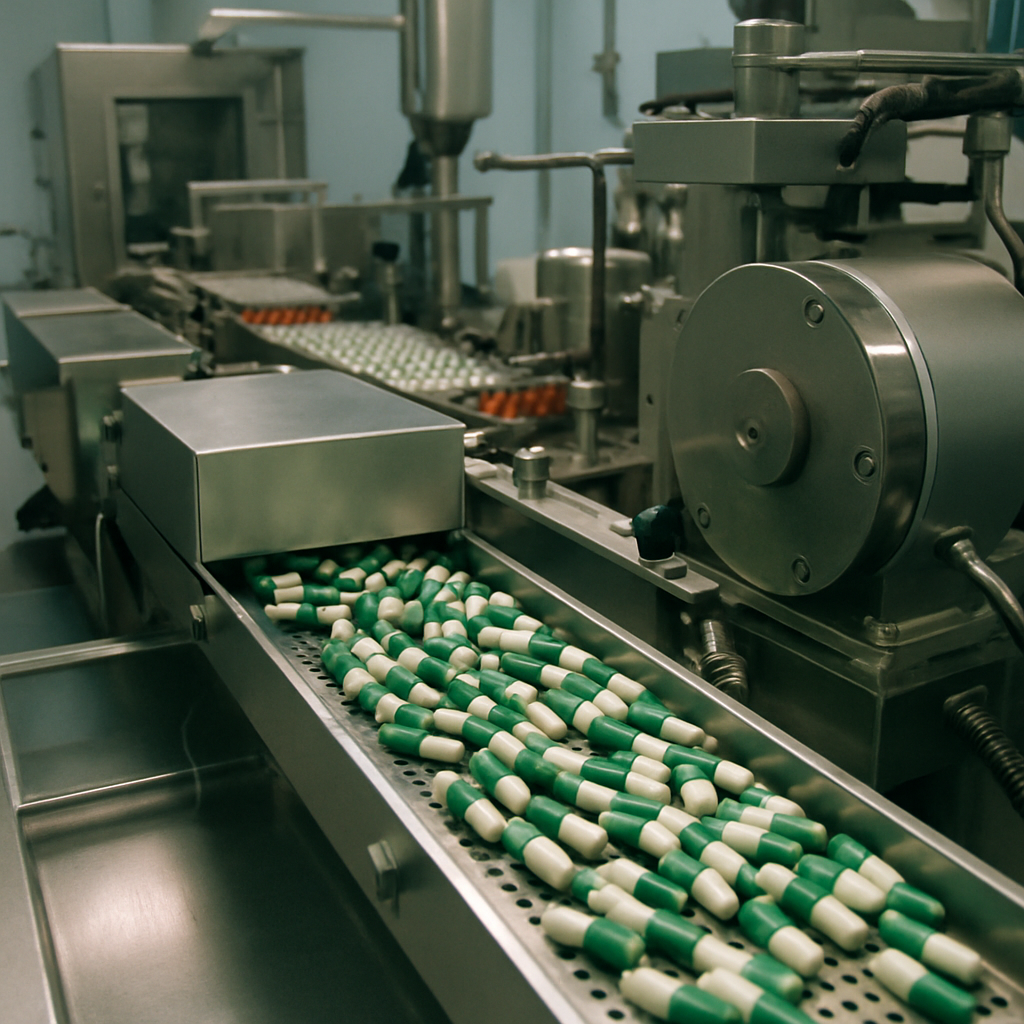
In the world of pharmaceuticals, ensuring product quality and safety is paramount. One of the key elements in achieving this is the use of nitrogen generators. These devices are invaluable in the pharmaceutical industry for several reasons, including maintaining product integrity, enhancing production efficiency, and ensuring compliance with safety standards. This article explores the benefits of nitrogen generators in pharmaceutical production, Nitrogen Generator for Medicinal Manufacturing and why they are essential for medicinal manufacturing. What Is a Nitrogen Generator? A nitrogen generator is a device that separates nitrogen gas from the air to provide a consistent and pure supply of nitrogen. Unlike traditional methods of obtaining nitrogen, such as using compressed gas cylinders, nitrogen generators offer a more efficient and reliable solution. They work by filtering out oxygen and other gases from the air, leaving behind high-purity nitrogen gas. How Does Nitrogen Generator for Medicinal Manufacturing work? Nitrogen generators typically use one of two technologies: Pressure Swing Adsorption (PSA) or Membrane Technology. The Role of Nitrogen Generator for Medicinal

nitrogen generator australia
nitrogen generator

Exploring Nitrogen Generator Options in Australia

In the world of industrial and scientific applications, nitrogen generators have become essential equipment. Whether you’re in the food packaging industry, chemical manufacturing, or any field that requires nitrogen gas, having the right generator can make a significant difference. In Australia, the demand for efficient and reliable nitrogen generators is on the rise. This article will guide you through the options available, helping you make an informed decision. Before diving into the options, let’s understand what a nitrogen generator is. A nitrogen generator is a device that separates nitrogen from other gases in the air. It does this using various technologies, such as membrane filtration or pressure swing adsorption (PSA). The result is a high-purity nitrogen gas that can be used for a wide range of applications. There are several reasons why businesses in Australia are opting for nitrogen generators over traditional gas cylinders or liquid nitrogen deliveries: Types of Nitrogen Generators Available in Australia When considering a nitrogen generator for sale in Australia, it’s essential to understand the different types available. Each has its advantages and is suited to specific applications. Membrane Nitrogen Generators Membrane nitrogen generators use a selective permeation process to separate nitrogen from other gases in the air. They are ideal for applications that require nitrogen with a lower purity level, typically up to 99.5%. Advantages: Pressure Swing Adsorption (PSA) Nitrogen Generators PSA nitrogen generators use a technology based on adsorbent materials that capture unwanted gases. These systems can achieve higher purity levels, up to 99.999%. Advantages: Liquid Nitrogen Generators Liquid nitrogen generators are a bit different, as they produce nitrogen in its liquid form. This type is often used in laboratories or industries that require cryogenic temperatures. Advantages: Finding the Right Supplier in Australia When looking for a nitrogen generator in Australia, choosing the right supplier is crucial. Here are some factors to consider: Experience and Expertise Look for suppliers with a proven track record in the industry. They should have a deep understanding of nitrogen generation and offer solutions tailored to your specific needs. After-Sales Support A reliable supplier should offer excellent after-sales service, including maintenance, spare parts, and technical support. This ensures that your generator operates efficiently throughout its lifespan.

psa nitrogen generator
nitrogen generator

How PSA Nitrogen Generators Improve Efficiency

Now, efficiency is more important than ever. One way many businesses are boosting their productivity is by using PSA nitrogen generators. But what exactly are these generators, and how do they improve efficiency? In this article, we’ll delve into the workings of PSA nitrogen generators, their benefits, and how they can enhance operational efficiency across various industries. Understanding PSA Nitrogen Generators What is a Nitrogen Generator? A nitrogen generator is a device that produces nitrogen gas from compressed air. The air we breathe is about 78% nitrogen, but it also contains oxygen and other gases. A nitrogen generator separates nitrogen from these other components, providing a steady supply of pure nitrogen gas for industrial applications. How PSA Technology Works PSA stands for Pressure Swing Adsorption. This technology is at the heart of the PSA nitrogen generator. The process involves two main components: adsorbent materials and pressure changes. Here’s how it works: This method is efficient and cost-effective, making PSA nitrogen generators a popular choice in various industries. Benefits of PSA Nitrogen Generators Cost Efficiency One of the primary advantages of using a PSA nitrogen generator is cost savings. Businesses that switch from bottled nitrogen to on-site nitrogen generation can significantly reduce costs. Here’s why: Reliability and Consistency PSA nitrogen generators offer a reliable and consistent supply of nitrogen. This reliability is crucial for industries where nitrogen is an essential part of the production process. The consistent quality and supply mean fewer interruptions and more efficient operations. Environmental Benefits Using a PSA nitrogen generator can also have positive environmental impacts: Safety Enhancements Safety is a top priority in any industry. PSA nitrogen generators enhance safety in several ways: Applications of PSA Nitrogen Generators PSA nitrogen generators are used in a wide range of industries. Let’s explore a few applications where they improve efficiency: Food and Beverage Industry In the food and beverage industry, nitrogen is used to preserve freshness and extend shelf life. PSA nitrogen generators provide a consistent supply of high-quality nitrogen, ensuring that food products maintain their quality during packaging and storage.

pressure swing adsorption
nitrogen generator

Understanding Pressure Swing Adsorption Technology

# Understanding Pressure Swing Adsorption Technology Pressure swing adsorption (PSA) is a powerful technology used in various industries for gas separation and purification. It is especially prominent in generating nitrogen, making it a critical component for operations that require high-purity nitrogen gas. In this article, we’ll delve into the fundamentals of PSA technology, how it works, and its applications, particularly focusing on pressure swing adsorption nitrogen generators. What is Pressure Swing Adsorption? Pressure swing adsorption is a process used to separate specific gases from a mixture of gases under pressure. It operates on the principle that gases can be absorbed at varying pressures. By adjusting the pressure, PSA systems can selectively adsorb and release gases, allowing for efficient separation. How Does PSA Work? PSA involves a series of steps that repeat in cycles. The process relies on adsorbent materials, typically zeolites or activated carbon, which have a high affinity for certain gases. Here’s a breakdown of the PSA cycle: This cycle is repeated continuously, allowing for a steady supply of the desired gas. Applications of Pressure Swing Adsorption PSA technology is widely used for its efficiency and cost-effectiveness in gas separation. Here are some of its key applications: Nitrogen Generation One of the most common uses of PSA is in nitrogen generation. PSA nitrogen generators are used in industries where high-purity nitrogen is essential, such as food packaging, electronics manufacturing, and pharmaceuticals. Benefits of PSA Nitrogen Generators Oxygen Generation PSA is also employed in generating oxygen, particularly in medical and industrial settings. PSA oxygen generators provide a reliable source of oxygen for hospitals and clinics, especially in remote locations where traditional oxygen supply might be challenging. Hydrogen Purification In the chemical and refining industries, PSA technology is used to purify hydrogen. The ability to produce high-purity hydrogen is crucial for processes such as ammonia production and petroleum refining. Advantages of Pressure Swing Adsorption Technology PSA technology offers several advantages, making it a preferred choice for gas separation: by Hongjung PARK (https://unsplash.com/@chilling4u) Challenges and Considerations

Scroll to Top