nitrogen system
nitrogen generator

Why Every Factory Needs a Reliable Nitrogen System in 2025

In the rapidly evolving industrial landscape, nitrogen systems have become crucial components across various sectors. With 2025 on the horizon, the need for a reliable nitrogen system in every factory is more pressing than ever. From enhancing productivity to ensuring safety, nitrogen plays a multifaceted role in modern manufacturing. Let’s explore why investing in a nitrogen system could be a game-changer for your factory. Nitrogen is an inert gas, which means it doesn’t react easily with other substances. This property makes it invaluable in numerous industrial applications. Industries such as chemical manufacturing, food processing, electronics, and pharmaceuticals rely heavily on nitrogen for various processes. Chemical Industry In the chemical industry, nitrogen is often used to create an inert atmosphere to prevent unwanted chemical reactions. Nitrogen generators for the chemical industry help in ensuring that sensitive processes occur in a controlled environment, reducing the risk of explosions or contamination. Food Industry Nitrogen is used in the food industry to preserve freshness and extend shelf life. By replacing oxygen in packaging with nitrogen, food products are less likely to spoil or suffer from oxidative damage. Electronics and Clean Rooms In electronics manufacturing, nitrogen is used to prevent oxidation during the soldering process. Clean room N2 generators provide high-purity nitrogen necessary for sensitive manufacturing environments. Types of Nitrogen Generators Several types of nitrogen generators are available to meet different industrial needs. Understanding these can help you choose the right system for your factory. PSA Nitrogen Generator Pressure Swing Adsorption (PSA) nitrogen generators are popular due to their efficiency and reliability. They work by separating nitrogen from compressed air using a series of adsorption and desorption cycles. PSA nitrogen generators are suitable for industries requiring high-purity nitrogen. Membrane Nitrogen Generators Membrane nitrogen generators use a selective permeation process to separate nitrogen from other gases. They are ideal for applications where lower purity levels are acceptable and space is limited. Cryogenic Nitrogen Generators Cryogenic nitrogen generators produce nitrogen by cooling air to very low temperatures and liquefying it. This method is used when very high purity nitrogen is required. Benefits of On-Site Nitrogen Generation by Anjan Rajani (https://unsplash.com/@anjan_rajaini) Investing in an on-site nitrogen generator offers numerous advantages over traditional methods of nitrogen supply, such as bottled gas or liquid nitrogen deliveries. Cost Efficiency […]
uhp nitrogen generator
Uncategorized

What Is a UHP Nitrogen Generator

In today’s fast-paced industrial landscape, ensuring a reliable and high-quality supply of gases is critical for various applications. Ultra High Purity (UHP) nitrogen generators have become an indispensable asset for many industries, providing an efficient and cost-effective solution for on-site nitrogen generation. But what exactly is a UHP nitrogen generator, and why is it so vital? Understanding Ultra High Purity Nitrogen What Is Ultra High Purity Nitrogen? Ultra High Purity (UHP) nitrogen refers to nitrogen gas with a purity level of 99.999% or higher. This level of purity is essential in industries where even the slightest impurities can cause significant issues, such as in electronics manufacturing, pharmaceuticals, and food processing. UHP nitrogen ensures that these processes can occur without the risk of contamination, which could compromise product quality or safety. Applications of UHP Nitrogen UHP nitrogen is used in various industries, including: What Is a Nitrogen Generator? Basics of Nitrogen Generation A nitrogen generator is a device that separates nitrogen molecules from compressed air to produce high-purity nitrogen gas. It allows facilities to generate nitrogen on-site, eliminating the need to purchase and store nitrogen cylinders or liquid nitrogen, which can be costly and logistically challenging. Types of Nitrogen Generators There are mainly two types of nitrogen generators used for producing high purity nitrogen: The Advantages of UHP Nitrogen Generators Cost-Effectiveness Producing UHP nitrogen on-site can significantly reduce costs associated with purchasing and transporting nitrogen in cylinders or as liquid. Facilities can generate only what they need, when they need it, reducing waste and improving efficiency. Reliability and Convenience By having a nitrogen generator on-site, companies can ensure a continuous supply of nitrogen without the risk of running out. This reliability is crucial for maintaining production schedules and avoiding costly downtime. Environmental Benefits Generating nitrogen on-site reduces the carbon footprint associated with transporting gas cylinders or liquid nitrogen. Additionally, modern generators are designed to be energy-efficient, further minimizing environmental impact. How Does a UHP Nitrogen Generator Work?

nitrogen generator

Why Use a Nitrogen Generator for Laser Cutting

In the world of manufacturing, laser cutting has revolutionized the way materials are processed, offering precision and speed. However, achieving optimal results requires more than just a state-of-the-art laser cutter; the right assist gas is crucial. This is where a nitrogen generator for laser cutting comes into play. Let’s explore why using a nitrogen generator can enhance your laser cutting operations and how it stands as a valuable asset in the industrial landscape. Laser cutting involves using a high-powered laser beam to cut through materials like metal, plastic, and wood. During this process, an assist gas is employed to improve cutting quality, protect the laser optics, and enhance the speed of cutting. Nitrogen is often chosen as the assist gas due to its inert properties. Why Nitrogen? Nitrogen is an inert gas, meaning it doesn’t react with other substances. This characteristic makes it ideal for laser cutting, especially when working with metals. When nitrogen is used, it prevents oxidation, which can lead to discoloration and weakened material. This results in clean, high-quality cuts without the need for additional processing. Advantages of Using a Nitrogen Generator for Laser Cutting Investing in a nitrogen generator system for laser cutting brings several benefits: Consistent Supply With an industrial nitrogen generator, you have a continuous supply of nitrogen at your disposal. This eliminates the need for frequent cylinder replacements and reduces the risk of running out of gas during critical operations. Cost-Effective Solution While the initial investment in a nitrogen generator may seem significant, it pays off in the long run. By generating nitrogen on-site, you save on the recurring costs associated with purchasing and transporting gas cylinders. Additionally, maintenance costs are often lower compared to traditional gas supply methods. Enhanced Safety Handling gas cylinders comes with inherent risks, such as leaks or accidental damage. A nitrogen generator minimizes these risks by reducing the need for physical storage and handling of gas containers. This contributes to a safer working environment. Environmental Impact Generating nitrogen on-site reduces the carbon footprint associated with transporting gas cylinders. This aligns with the growing emphasis on sustainable practices in industrial operations. How a Nitrogen Generator System Works by The New York Public Library (https://unsplash.com/@nypl) A nitrogen generator system for laser cutting typically uses either Pressure Swing Adsorption (PSA) or Membrane technology to separate nitrogen from the air. Pressure Swing Adsorption (PSA) In a PSA system, compressed air is passed through a vessel containing adsorbent materials that capture oxygen and other impurities, allowing nitrogen to pass through. The captured gases are then released, and the adsorbent materials are regenerated for continuous operation. Membrane Technology

nitrogen generator

Why Dual Engine Vessels Need a Nitrogen Generator Inerting Safety and Efficiency at Sea

In the maritime world, safety and efficiency are paramount. For dual engine vessels, these aspects are even more critical due to the complexity and power of their operations. One essential tool that significantly enhances both safety and efficiency at sea is the nitrogen generator. This article explores the importance of nitrogen generators for dual engine ships and how they contribute to safer and more efficient maritime operations. What is a Nitrogen Generator? A nitrogen generator is a device that separates nitrogen gas from atmospheric air. The air around us is composed of approximately 78% nitrogen, and these generators use advanced technology to isolate and produce nitrogen gas with high purity levels. This nitrogen gas is then used for various applications, particularly in inerting systems on ships. Why Use Nitrogen on Ships? Nitrogen is an inert gas, meaning it is non-reactive under standard conditions. This quality makes it ideal for preventing fires and explosions, which is crucial on vessels where fuel and other flammable materials are present. By filling fuel tanks and other spaces with nitrogen, the oxygen level is reduced, significantly decreasing the risk of combustion. The Need for Nitrogen Generators on Dual Engine Vessels Enhancing Safety For dual engine vessels, safety is a top priority. The presence of two powerful engines increases the risk of incidents if not managed correctly. Nitrogen generators play a vital role in enhancing safety by providing a reliable source of inert gas to prevent fires and explosions. By maintaining an inert atmosphere in fuel tanks and other critical areas, the potential for dangerous situations is minimized. Improving Efficiency Efficiency is another crucial factor for dual engine vessels. Nitrogen generators contribute to operational efficiency by ensuring that engines and other systems function optimally. By preventing oxidation and corrosion in fuel systems and pipelines, these generators help maintain the integrity of essential components, reducing downtime and maintenance costs. Environmental Benefits Nitrogen generators also support environmental sustainability. By preventing fuel oxidation and minimizing emissions, they help vessels comply with international environmental regulations. This not only protects the marine environment but also enhances the reputation of shipping companies committed to sustainable practices. How Nitrogen Generators Work on Dual Engine Vessels The Process of Nitrogen Generation Nitrogen generators on dual engine vessels typically use either membrane or pressure swing adsorption (PSA) technology to produce nitrogen gas. Both technologies are efficient and effective, providing a continuous supply of nitrogen gas to meet the needs of dual engine vessels. Installation and Integration Integrating a nitrogen generator into a dual engine vessel’s existing systems is a straightforward process. These generators are compact and can be installed in various locations onboard the ship. They are designed to operate seamlessly with other onboard systems, ensuring that the supply of nitrogen is consistent and reliable. The Importance of Maintenance and Monitoring by Eini Trujillo (https://unsplash.com/@einictm)

nitrogen generator

Why Nitrogen Gas Is Used in Food Packaging Benefits Safety and How It Works

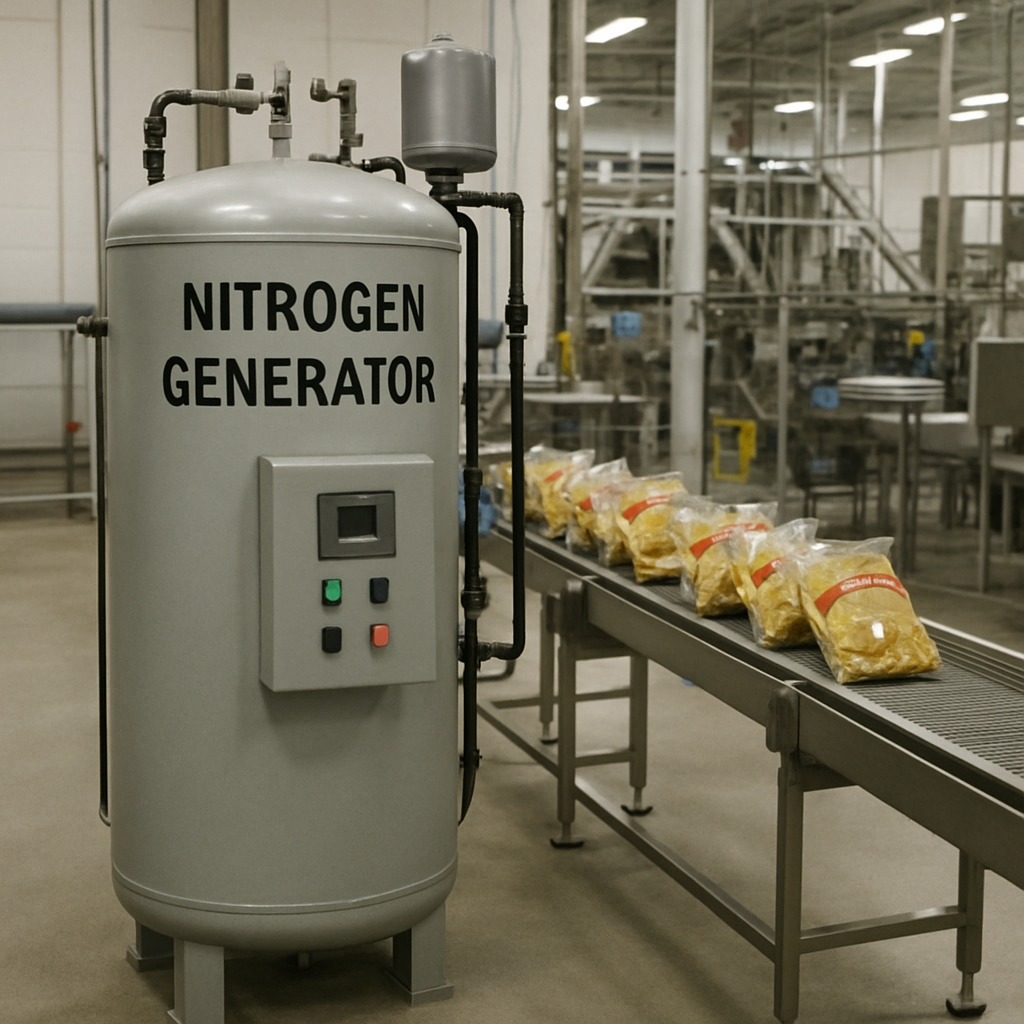
# Why Nitrogen Gas Is Used in Food Packaging: Benefits, Safety, and How It Works Food safety and preservation are major concerns for both manufacturers and consumers alike. The quality and freshness of food are imperative, and the packaging process plays a significant role in ensuring these elements. One notable method used in the food industry to maintain freshness and extend shelf life is nitrogen gas packaging. But why is nitrogen gas favored over other gases, and how does it work? This article will explore the benefits, safety, and mechanisms behind using nitrogen gas in food packaging. Understanding the Role of Nitrogen Gas Nitrogen is a colorless, odorless gas that makes up about 78% of the Earth’s atmosphere. It is non-reactive, meaning it does not easily combine with other elements. This inert quality makes nitrogen ideal for use in food packaging, as it doesn’t interact with the food products it surrounds. The Science Behind Nitrogen Gas Packaging In food packaging, nitrogen gas is used to replace the oxygen inside the packaging. Oxygen can lead to oxidation, which is a chemical reaction that can spoil food. For instance, when oxygen is present, it can cause fats to go rancid, change the color of fruits and vegetables, and encourage the growth of aerobic bacteria and molds. By displacing oxygen with nitrogen, the risk of these undesirable reactions is significantly reduced. The absence of oxygen also helps maintain the flavor, aroma, and texture of the food, ensuring it remains appetizing and fresh for longer periods. Benefits of Nitrogen Gas in Food Packaging Extending Shelf Life One of the primary advantages of using nitrogen gas in food packaging is the extension of shelf life. By minimizing oxidation and microbial growth, food products can remain on store shelves or in pantries for extended periods without losing quality. This is particularly beneficial for items like snack foods, coffee, nuts, and fresh produce. Maintaining Freshness and Quality Nitrogen gas helps preserve the original taste, texture, and appearance of food. For example, using nitrogen in packaging chips prevents them from going stale. Similarly, it maintains the rich aroma of coffee, ensuring that consumers experience the product as intended. Enhancing Food Safety Food safety is a top priority for manufacturers and consumers. By using nitrogen gas, the risk of foodborne illnesses caused by microbial growth is reduced. This method also decreases the need for chemical preservatives, making products safer and more appealing to health-conscious consumers. How Nitrogen Gas Packaging Works The Modified Atmosphere Packaging (MAP) Process Nitrogen gas packaging is a part of a broader technique known as Modified Atmosphere Packaging (MAP). This process involves altering the atmosphere inside the packaging to ensure optimal conditions for preservation. Here’s how it typically works: This method is used across various food products, from fresh produce and meats to dry goods and snacks. Equipment and Technology The use of nitrogen gas in packaging requires specialized equipment. Packaging machines are designed to carefully control the gas levels inside the packages, ensuring the correct balance for each product type. These machines are crucial for achieving the desired shelf life and quality preservation.

nitrogen generator

What Is a Nitrogen Fire Suppression System Benefits Applications and How It Works

In the realm of industrial fire safety, nitrogen fire suppression systems have emerged as a reliable and effective solution. These systems use nitrogen, a naturally occurring gas, to extinguish fires, protecting valuable assets and ensuring the safety of personnel. In this article, we will explore the key benefits, applications, and operational principles of nitrogen fire suppression systems. A nitrogen fire suppression system is a type of fire extinguishing system that uses nitrogen gas to suppress and extinguish fires. Nitrogen is an inert gas, which means it does not support combustion. By displacing oxygen in the environment, nitrogen reduces the oxygen concentration to a level that cannot sustain a fire, effectively extinguishing it. Key Benefits of Nitrogen Fire Suppression Systems Applications of Nitrogen Fire Suppression Systems Nitrogen fire suppression systems are versatile and can be deployed in various settings, including: How Nitrogen Fire Suppression Systems Work The operation of a nitrogen fire suppression system involves several key steps: Detection The system begins with the detection of a fire. This is typically achieved through smoke detectors, heat sensors, or flame detectors strategically placed throughout the protected area. Once a fire is detected, the system triggers an alarm to alert occupants and initiate the suppression process. Activation Upon fire detection, the nitrogen suppression system is activated. Valves connected to nitrogen storage cylinders open, allowing the gas to flow through a network of pipes and nozzles. Discharge The nitrogen is discharged into the protected area through nozzles designed to ensure even distribution. The rapid release of nitrogen quickly displaces oxygen, reducing its concentration to a level that cannot sustain combustion. This effectively extinguishes the fire. Post-Fire Operations After the fire is suppressed, the system may initiate ventilation to restore normal oxygen levels. The area can then be safely re-entered for inspection and cleanup, if necessary. Since nitrogen leaves no residue, the cleanup process is generally minimal. Maintenance and Considerations by NOAA (https://unsplash.com/@noaa) To ensure the reliability and effectiveness of a nitrogen fire suppression system, regular maintenance is essential. This includes: When considering a nitrogen fire suppression system, it is important to work with experienced professionals who can assess your specific needs and design a system tailored to your environment. Proper installation and maintenance are critical to the system’s performance in an emergency. Conclusion

Nitrogen Compressors for Tires
nitrogen generator

Top 5 Nitrogen Compressors for Tires in 2025

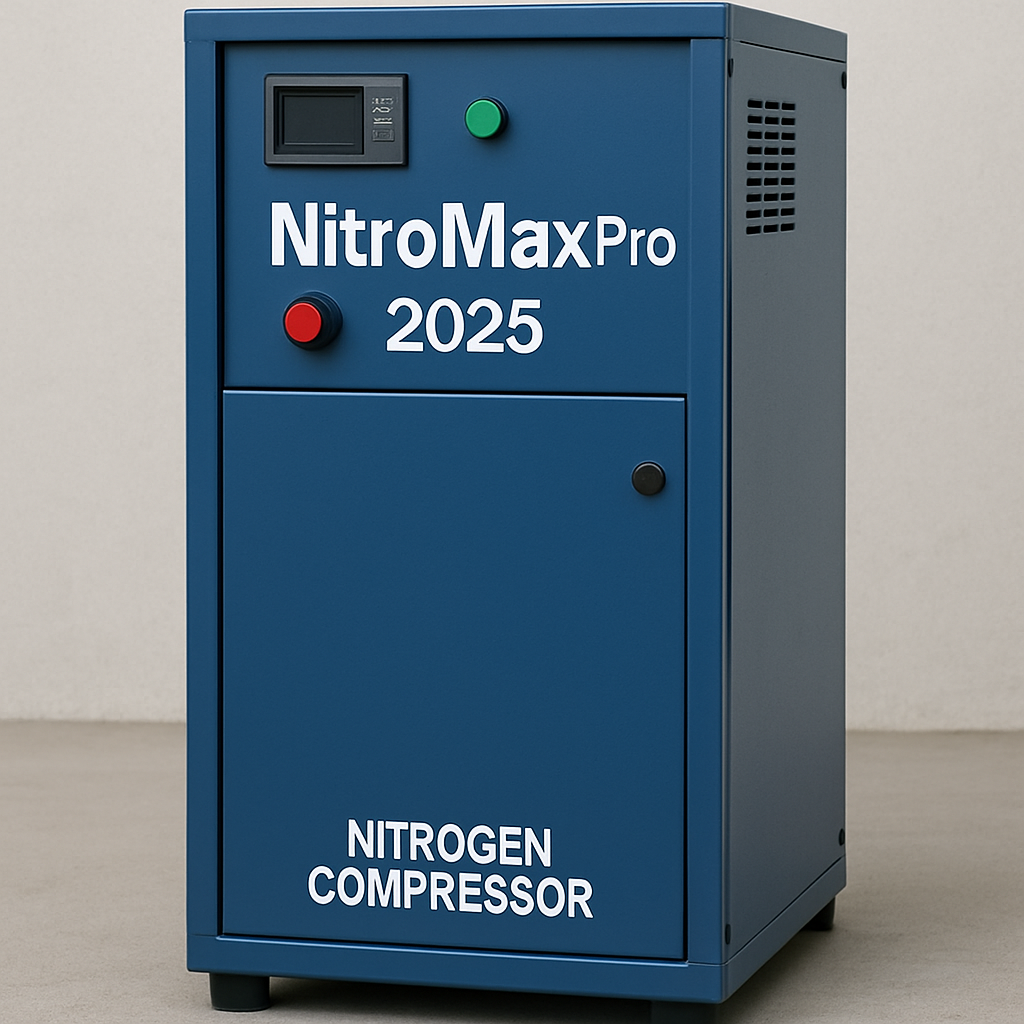
As we zoom into the future of automotive care, nitrogen compressors for tires are becoming increasingly popular. These machines aren’t just for professional mechanics anymore; they’re making their way into the garages of car enthusiasts and everyday drivers who want to maintain their vehicles with the best possible care. But with so many options on the market, how do you choose the right nitrogen compressor for your needs? In this guide, we’ll explore the top five nitrogen compressors for tires in 2025. Whether you’re looking for a nitrogen tire pump for personal use or a more robust nitrogen air machine for a busy shop, we’ve got you covered. Why Use Nitrogen for Tire Inflation? Before we dive into the top picks, let’s quickly review why nitrogen is an excellent choice for tire inflation. Using nitrogen instead of regular air has several benefits: With these benefits in mind, it’s no wonder more people are investing in nitrogen tire inflation equipment. Top 5 Nitrogen Compressors for Tires in 2025 1. NitroMax Pro 2025 The NitroMax Pro 2025 is a top-of-the-line nitrogen generator for tires, perfect for both professional and personal use. It combines efficiency with ease of use, making it a favorite among car enthusiasts. 2. EcoNitro Green For those who are environmentally conscious, the EcoNitro Green nitrogen tire inflator is an excellent choice. It’s designed to be energy-efficient and user-friendly. 3. PowerFill X-3 The PowerFill X-3 is a robust nitrogen air compressor that caters to high-volume tire inflation needs. It’s ideal for busy auto shops or tire service centers. 4. QuickFill Home Nitrogen System For homeowners looking to bring professional-grade tire inflation to their garage, the QuickFill Home Nitrogen System is the perfect nitrogen tire inflation machine. It offers convenience and reliability in one package. 5. SpeedyNitro Pro The SpeedyNitro Pro is known for its high-speed performance and reliability. It’s a fantastic choice for those who need a nitrogen machine for tires that can handle frequent use. How to Choose the Right Nitrogen Compressor Selecting the right nitrogen tire inflation system for home or professional use involves considering several factors: Consider Your Usage Evaluate Features Budget and Cost

Liquid Nitrogen Machines
nitrogen generator

Top 5 Liquid Nitrogen Making Machines in 2025 Prices Specs Reviews

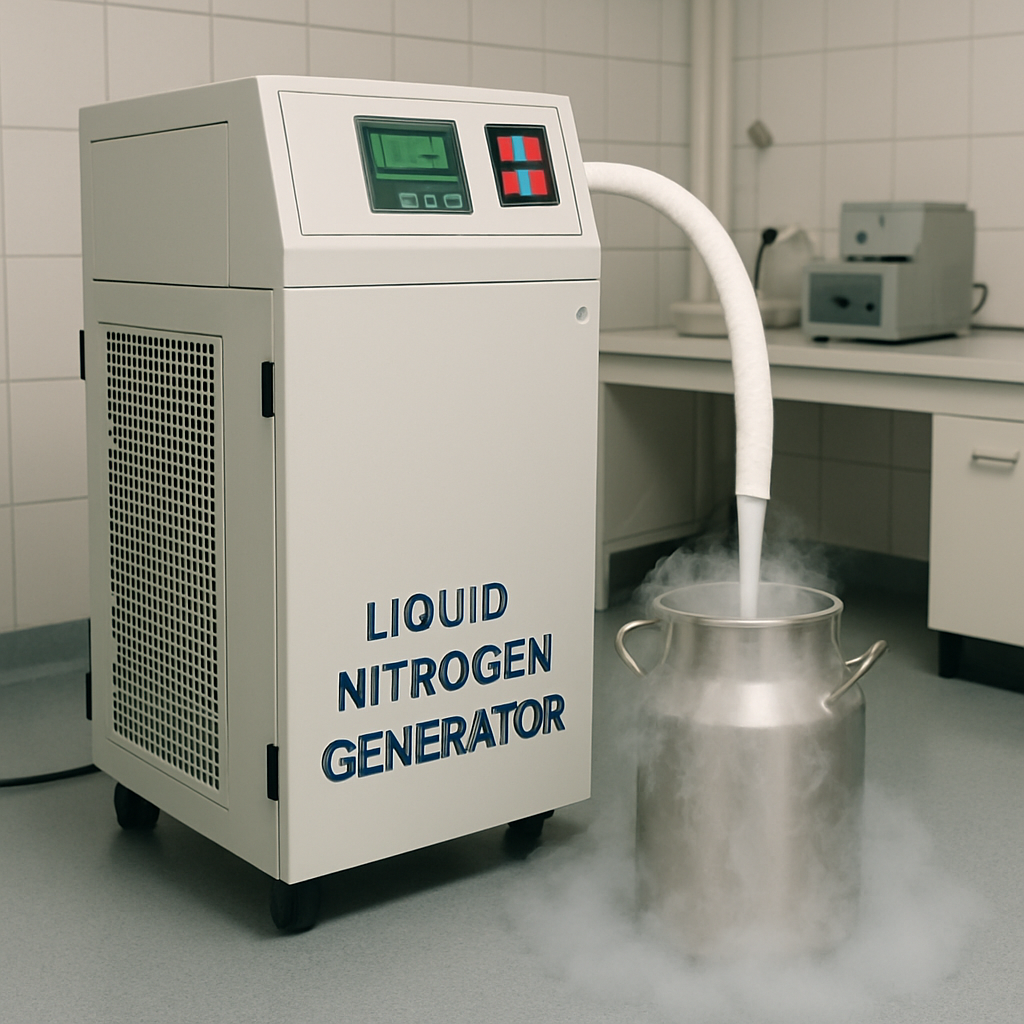
In 2025, the demand for liquid nitrogen is steadily rising across various industries, from medical and food preservation to scientific research and industrial applications. If you’re considering investing in a liquid nitrogen generator, it’s essential to choose equipment that meets your needs effectively and efficiently. This article reviews the top five liquid nitrogen making machines available this year, focusing on their prices, specifications, and user reviews to help you make an informed decision. Before diving into the specifics of each machine, let’s take a moment to understand what liquid nitrogen generators are and why they are critical. These machines produce liquid nitrogen by cooling and compressing air to extremely low temperatures. The result is a versatile cooling agent used for a wide range of applications. 1. Cryomech LNP-30 The Cryomech LNP-30 is renowned for its reliability and efficiency. It caters to both small-scale and large-scale needs, making it an ideal choice for various industries. Specifications: Price: User Reviews: Users appreciate the LNP-30 for its quiet operation and minimal maintenance needs. Many highlight its energy efficiency and robust construction as key benefits. 2. MVS Engineering LN2P MVS Engineering offers the LN2P, a compact and user-friendly machine designed for laboratories and small industrial settings. Specifications: Price: User Reviews: Users commend the LN2P for its portability and ease of installation. Its user-friendly interface and reliable performance are frequently mentioned in positive reviews. 3. Nitrogenium LNF-50 The Nitrogenium LNF-50 is a powerhouse when it comes to larger production needs, ideal for industrial applications where higher quantities of liquid nitrogen are required. Specifications: Price: User Reviews: Users highlight the LNF-50’s high production capacity and durability. While it’s larger and requires more power, its ability to meet industrial demands efficiently is a significant advantage.

food grade liquid nitrogen
nitrogen generator

What Is Food Grade Liquid Nitrogen

Food grade liquid nitrogen is a fascinating substance that’s been making waves in the culinary world. But what exactly is it, and why is it so important in food preparation? In this article, we’ll explore what food grade liquid nitrogen is, how it’s used, and why it’s a game-changer in both the kitchen and food industry. Understanding Food Grade Liquid Nitrogen Liquid nitrogen is nitrogen in a liquid state at an extremely low temperature. It’s colorless, odorless, and inert, meaning it doesn’t react with other substances. When we refer to “food grade” liquid nitrogen, we’re talking about nitrogen that’s been produced and handled according to strict safety and quality standards to ensure it’s safe for use in food preparation. Why Is It Called “Food Grade”? The term “food grade” indicates that the liquid nitrogen meets specific standards for purity and safety, making it suitable for use in food and beverage applications. This means it is free from contaminants and any hazardous substances that could pose a risk to health when used in food processes. How Is Liquid Nitrogen Used in Food? Liquid nitrogen is a versatile tool in the kitchen, offering a range of uses from rapid freezing to culinary creativity. Here are some of the most common applications: Rapid Freezing One of the most popular uses of liquid nitrogen is rapid freezing. Chefs and food manufacturers use it to freeze food quickly. The extremely low temperature of liquid nitrogen (-196°C or -321°F) allows it to freeze food almost instantly. This quick freezing process helps in preserving the food’s texture and flavor better than traditional freezing methods. Making Ice Cream A popular trend in modern gastronomy is using liquid nitrogen to make ice cream. The rapid freezing process creates ultra-smooth ice cream with tiny ice crystals, resulting in a creamier texture. It’s not only a treat for the taste buds but also a spectacular visual experience when the misty vapor swirls around the mixing bowl. Food Presentation In high-end restaurants, chefs use liquid nitrogen for dramatic food presentation. The foggy, smoky effect created when liquid nitrogen vaporizes adds an element of theater to dishes, delighting diners with both taste and visual appeal. Creating Culinary Delights Chefs also use liquid nitrogen to create unique culinary delights that are otherwise difficult to achieve. For example, they can create powdered foods that melt instantly in the mouth or transform liquids into solid, crunchy textures. Safety Considerations with Liquid Nitrogen While liquid nitrogen offers exciting possibilities, safety is paramount when using it in food preparation. Here are some key safety considerations: Handling Precautions When handling liquid nitrogen, it’s important to wear protective gear, such as gloves and goggles, to prevent skin contact and eye exposure. Direct contact with liquid nitrogen can cause severe cold burns or frostbite. Ventilation

Scroll to Top