Nitrogen Plant Manufacturers
nitrogen generator

Top Nitrogen Plant Manufacturers in 2025

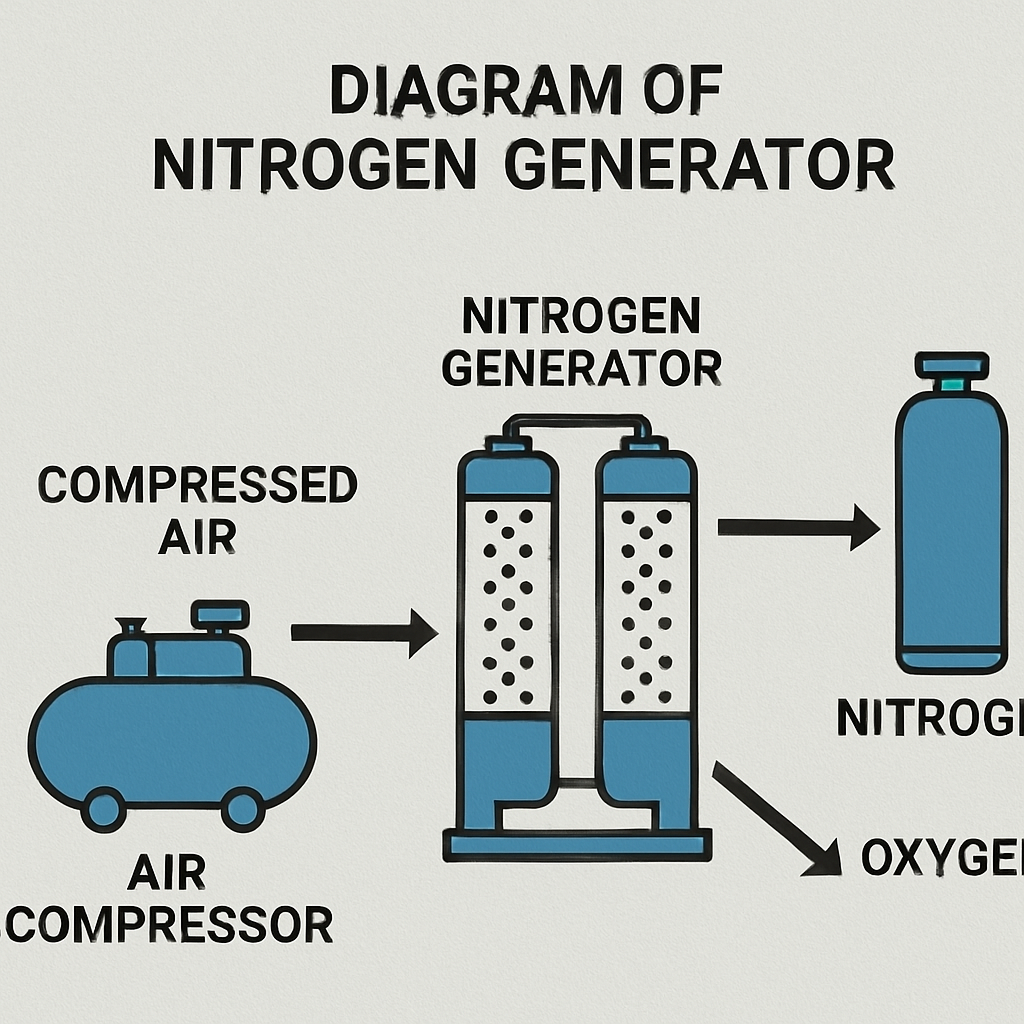
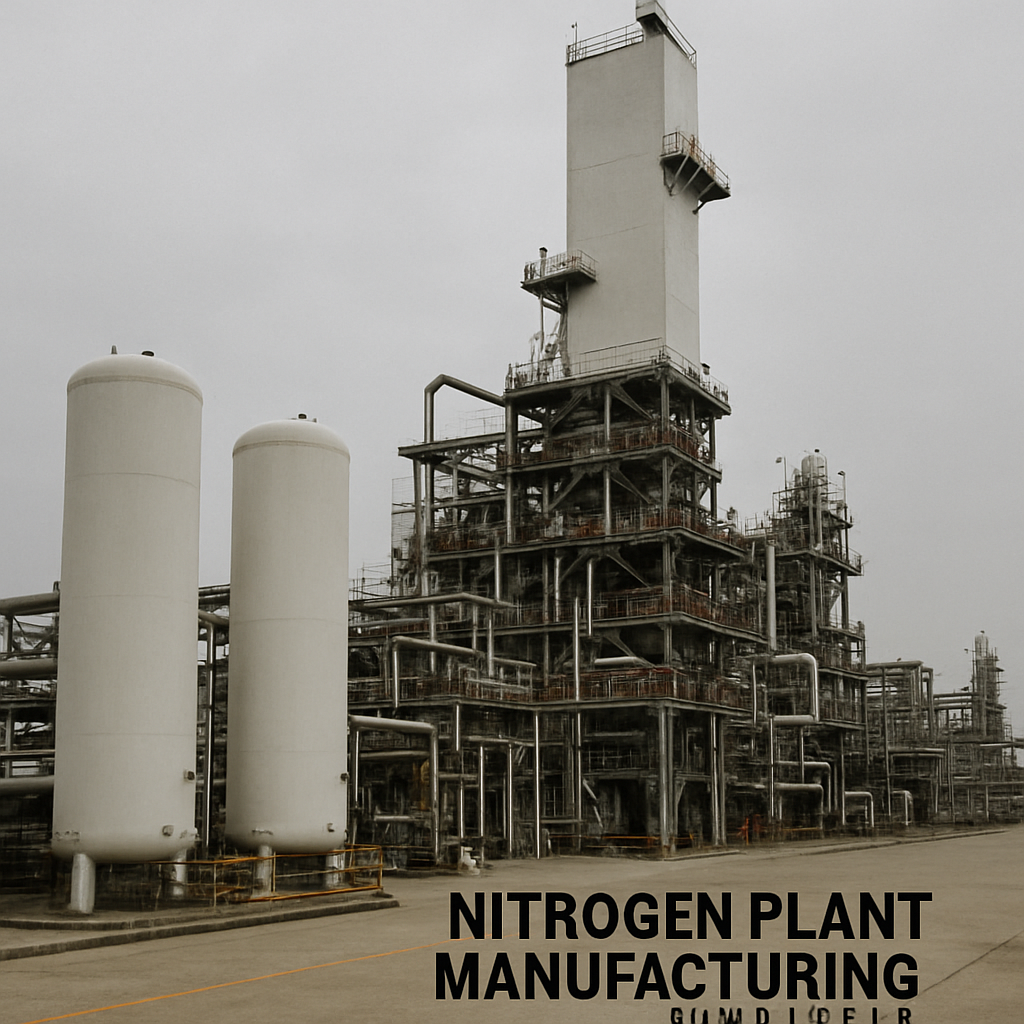
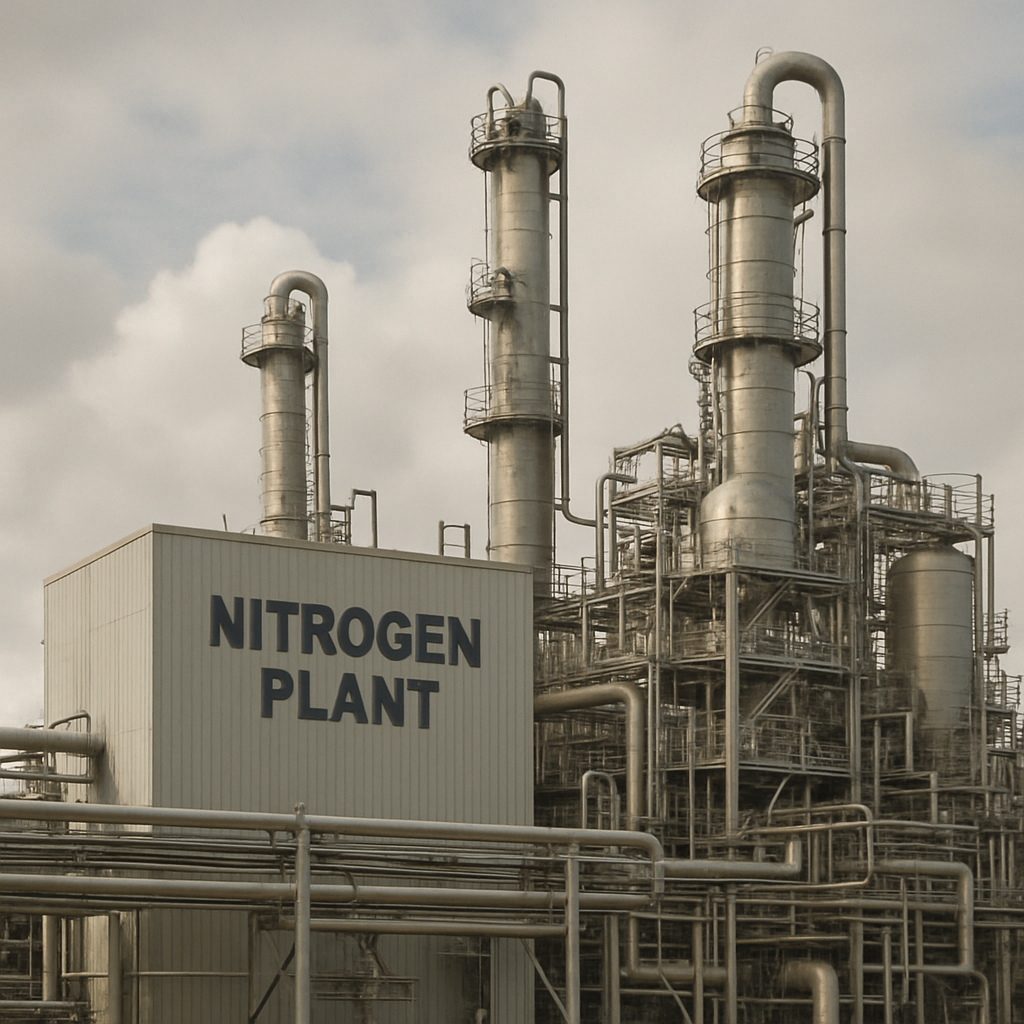
In the ever-evolving world of industrial gases, nitrogen stands out due to its wide range of applications across various industries. As we look towards 2025, the demand for efficient and innovative nitrogen generation solutions is surging. This article delves into the top nitrogen plant manufacturers poised to lead the industry, focusing on their contributions to nitrogen generation packages, PSA nitrogen generator technologies, and liquid nitrogen production. Nitrogen generation packages are comprehensive systems designed to produce nitrogen gas from atmospheric air. These packages include various components such as air compressors, filters, dryers, and nitrogen generators. Their primary function is to separate nitrogen from other gases, ensuring the delivery of high-purity nitrogen for industrial use. Key Features of a Nitrogen Generation Package A nitrogen generation package typically incorporates advanced filtration systems to ensure that the nitrogen produced is free from impurities. These systems are crucial for industries where high-purity nitrogen is essential, such as pharmaceuticals, food packaging, and electronics manufacturing. Moreover, modern nitrogen generation packages are designed to be energy-efficient and environmentally friendly, reducing operational costs and carbon footprints for businesses. Leading Nitrogen Plant Manufacturers In 2025, several companies are making significant strides in the nitrogen generation industry. Here’s a look at some of the top nitrogen plant manufacturers: Company A: Pioneers in PSA Nitrogen Generator Technology Pressure Swing Adsorption (PSA) technology is a popular method for nitrogen generation. Company A has established itself as a leader in this space, thanks to its innovative PSA nitrogen generators. These generators are renowned for their efficiency, reliability, and ability to produce high-purity nitrogen. Company A’s commitment to research and development has resulted in cutting-edge technologies that cater to the diverse needs of industries worldwide. Their nitrogen generators are particularly popular in sectors such as chemical manufacturing, food processing, and electronics. Company B: Leaders in Liquid Nitrogen Production Liquid nitrogen has unique properties that make it indispensable in various industries, from cryogenics to food preservation. Company B is at the forefront of liquid nitrogen production, offering state-of-the-art liquid nitrogen plants that deliver exceptional performance. Their liquid nitrogen factories are equipped with the latest technology, ensuring efficient production processes and high-quality output. Company B’s focus on sustainability and innovation has earned them a reputation as a reliable partner for businesses seeking liquid nitrogen solutions. Company C: Innovators in Nitrogen Generation Solutions Company C has carved a niche for itself by providing bespoke nitrogen generation solutions tailored to meet specific industry requirements. Their expertise extends across a wide range of applications, from small-scale nitrogen generators for laboratory use to large-scale nitrogen plants for industrial operations. With a strong emphasis on customer satisfaction, Company C works closely with clients to design and implement nitrogen generation systems that align with their unique needs. Their comprehensive support services ensure that businesses can rely on their nitrogen systems for seamless operations. The Rise of PSA Nitrogen Generator Manufacturers by Aron Yigin (https://unsplash.com/@aronyigin) PSA nitrogen generators have gained immense popularity due to their cost-effectiveness and ease of use. These generators operate on the principle of adsorbing gases under pressure, allowing nitrogen to be separated from other gases in the air. Benefits of PSA Nitrogen Generators […]
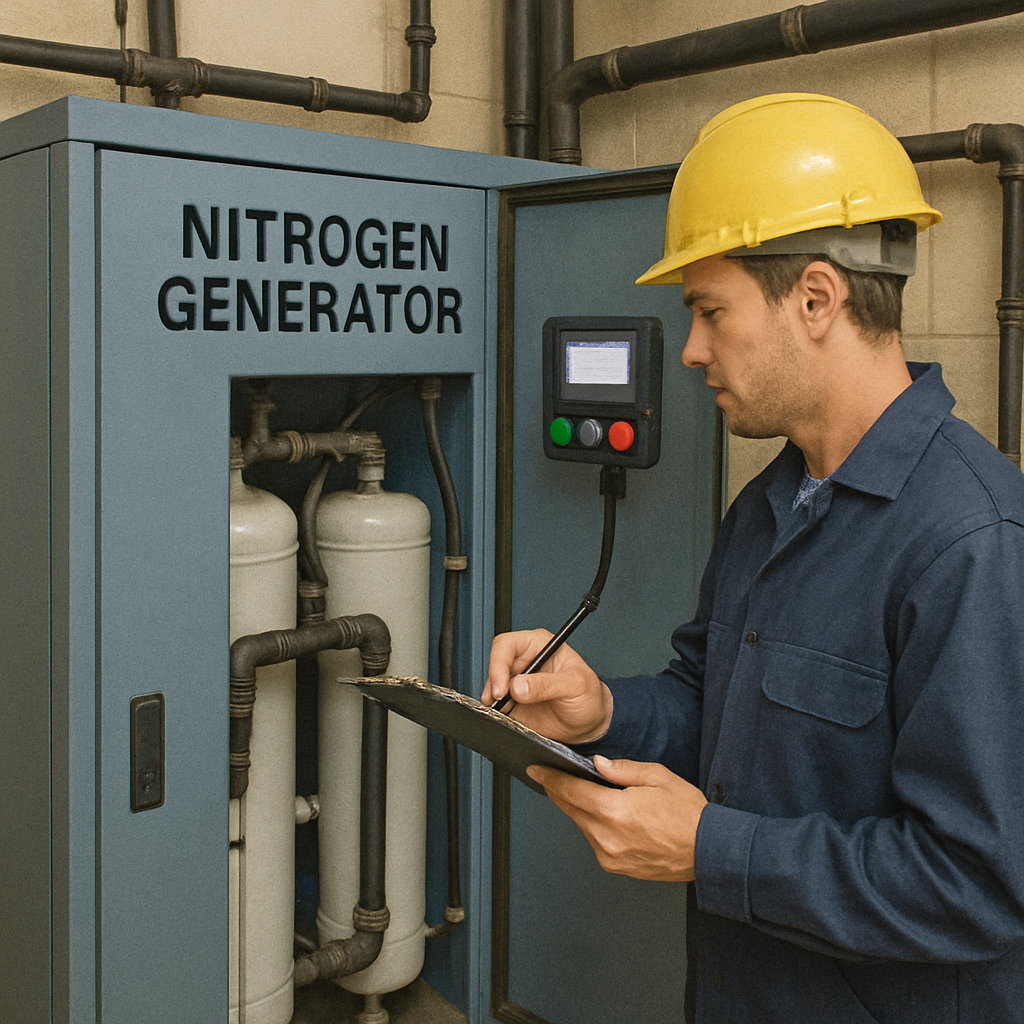
nitrogen generator

Common Problems with PSA Nitrogen Generators and How to Solve Them

Nitrogen generators are essential in various industries, providing a reliable and efficient supply of nitrogen gas for numerous applications. One of the most popular types, the Pressure Swing Adsorption (PSA) nitrogen generator, is favored for its ability to produce high-purity nitrogen on-demand. However, like any industrial equipment, PSA nitrogen generators can encounter problems that affect their performance. In this article, we’ll explore some common issues with PSA nitrogen generators and provide practical solutions to keep them running smoothly. Understanding PSA Nitrogen Generators Before diving into potential problems, it’s important to understand how PSA nitrogen generators work. These systems separate nitrogen from compressed air using a process called pressure swing adsorption. The generator contains adsorbent materials that selectively trap oxygen and other gases, allowing nitrogen to pass through as the product gas. PSA nitrogen generators are valued for their energy efficiency and the ability to produce nitrogen with purities of up to 99.999%. However, certain issues can arise, impacting their efficiency and effectiveness. Common PSA Nitrogen Generator Problems 1. Pressure Drop A significant pressure drop in your PSA nitrogen generator can lead to reduced nitrogen output and efficiency. This issue is often caused by clogged filters or piping obstructions. Solution Regular maintenance is key to preventing pressure drops. Ensure that filters are cleaned and replaced according to the manufacturer’s schedule. Additionally, check for any blockages in the piping and remove them promptly to restore optimal pressure levels. 2. Adsorbent Material Degradation The adsorbent material within a PSA nitrogen generator can degrade over time, reducing the generator’s ability to separate nitrogen effectively. This degradation can result from exposure to contaminants or excessive moisture. Solution To combat adsorbent degradation, it’s crucial to keep the incoming air clean and dry. Installing pre-filters and air dryers can help remove contaminants and moisture before they reach the adsorbent material. Regularly inspect and replace adsorbent beds as needed to maintain performance. 3. Increased Purity Requirements Sometimes, the purity of the nitrogen produced may not meet the specific needs of an application. This issue can arise due to changes in production requirements or improper calibration of the generator. Solution Re-calibrating the PSA nitrogen generator can often resolve purity issues. Consult the manufacturer’s guidelines or seek professional assistance to adjust the system’s settings. If higher purity is required, consider upgrading to a model capable of delivering the desired nitrogen quality. Routine Maintenance for PSA Nitrogen Generators Regular maintenance is crucial for keeping your PSA nitrogen generator in top condition. Here are some routine maintenance tasks to ensure optimal performance: Filter Replacement

nitrogen generator

How Much Space Do You Need for a Nitrogen Generation Package

In today’s fast-paced industrial world, nitrogen generation systems have become indispensable. Whether you’re in manufacturing, food processing, or pharmaceuticals, having an on-site nitrogen generator can significantly enhance efficiency and reduce costs. However, one of the first considerations when planning to install a nitrogen generator is understanding the space requirements. Let’s delve into what you need to know about the space needed for a nitrogen generation package. Before we jump into space considerations, it’s crucial to understand what a nitrogen generator is and why it’s essential. A nitrogen generator is a piece of equipment that separates nitrogen from the air, providing a continuous supply of nitrogen gas on-site. This eliminates the need for nitrogen gas deliveries and the hassles of tank rentals. The Basics of Nitrogen Generation Nitrogen generators come in different types, but the most common ones include Pressure Swing Adsorption (PSA) and Membrane nitrogen generators. Each type has its own space and operational requirements. Determining Space Requirements Several factors influence how much space you’ll need for your nitrogen generator. Here’s a breakdown of what to consider: Size of the Generator The size of the nitrogen generator itself is the most obvious space consideration. Generators come in various sizes and capacities, depending on the amount of nitrogen your operation requires. For a small operation, a compact membrane system might fit in a small utility room, while larger PSA systems may need a dedicated space. Additional Equipment In addition to the generator, you may need space for auxiliary equipment. This can include: Accessibility and Maintenance When planning your space, consider accessibility for maintenance and operation. Generators need regular servicing, so ensure there’s enough room to access all parts of the system easily. Ventilation and Environmental Factors Nitrogen generators need proper ventilation to operate safely and efficiently. Ensure your space has adequate airflow and meets any environmental regulations. Practical Space Planning Assessing Your Facility Start by assessing the available space in your facility. Measure the dimensions of your potential installation area and compare them with the specifications of the nitrogen generator models you’re considering. Customizing the Installation by Fabian Kleiser (https://unsplash.com/@fabiankleiser) If space is limited, consider customizing your installation. Many manufacturers offer modular systems that can be tailored to fit unique spaces. Discuss your needs with suppliers to find a configuration that works for you.

nitrogen generator

Why Is Liquid Nitrogen So Expensive Cost Breakdown and Alternatives

# Why Is Liquid Nitrogen So Expensive? Cost Breakdown and Alternatives Liquid nitrogen is a fascinating substance often used in various industries, from culinary arts to scientific research. However, many people are taken aback by its cost. In this article, we will delve into why liquid nitrogen is so expensive, breaking down its costs and exploring some alternatives. Whether you’re a small business owner or a curious individual, understanding these factors can help you make more informed decisions. Liquid nitrogen is nitrogen gas cooled to a liquid state at an extremely low temperature, specifically -196 degrees Celsius (-321 degrees Fahrenheit). It’s prized for its ability to instantly freeze anything it touches, making it invaluable in fields like food preservation, medicine, and technology. The Cost Breakdown of Liquid Nitrogen Production and Storage The primary reason liquid nitrogen is costly is due to its production process. Liquid nitrogen is produced through a method known as fractional distillation of liquid air. This process requires significant energy and specialized equipment to separate nitrogen from other gases like oxygen and argon. Once produced, storing liquid nitrogen is another cost factor. It must be stored in special containers called Dewars, which are designed to handle its extreme cold and prevent evaporation. The construction and maintenance of these containers add to the overall expense. Transportation Transporting liquid nitrogen adds to its cost as well. Due to its volatile nature and the need for specialized containers, shipping liquid nitrogen requires specific handling procedures and safety measures. This makes transportation both complex and expensive, especially over long distances. Safety Measures Liquid nitrogen is dangerous if not handled properly. It can cause severe cold burns or even asphyxiation in confined spaces. Thus, companies must invest in safety training and equipment, which further increases the cost. Market Demand The demand for liquid nitrogen also influences its price. Industries such as food processing, electronics, and medical research rely heavily on it. When demand increases, prices can rise due to limited supply capabilities. Alternatives to Liquid Nitrogen Given the high cost of liquid nitrogen, exploring alternatives can be beneficial. Here are a few options: Dry Ice Dry ice, or solid carbon dioxide, is a popular alternative. While it doesn’t reach the extremely low temperatures of liquid nitrogen, it’s effective for many cooling applications. It’s less expensive and easier to handle, making it a viable option for businesses looking to cut costs. Mechanical Freezers For applications that don’t require the extreme cold of liquid nitrogen, mechanical freezers can be an alternative. These freezers can reach temperatures suitable for most preservation needs and are less costly in the long run, especially for businesses that require consistent cooling. Cryogenic Liquids

Nitrogen Generators
nitrogen generator

PSA vs Membrane Nitrogen Generators Which Technology Should You Choose

When considering nitrogen generation for your industrial or portable applications, you have two main technologies to choose from: Pressure Swing Adsorption (PSA) and Membrane Nitrogen Generators. Selecting the right nitrogen generator depends on your specific needs, application, and budget. This article will compare both technologies to help you make an informed decision. Nitrogen generators are systems designed to produce nitrogen gas from compressed air. They are used across various industries, including pharmaceuticals, food and beverage, electronics, and more. The two primary technologies employed are PSA and membrane separation, each with its own set of advantages and limitations. What Are PSA Nitrogen Generators? PSA nitrogen generators use a method called Pressure Swing Adsorption to separate nitrogen molecules from compressed air. This is achieved by using adsorbent materials, such as carbon molecular sieves, that capture oxygen and other gases, allowing nitrogen to pass through. Key Features of PSA Nitrogen Generators What Are Membrane Nitrogen Generators? Membrane nitrogen generators work by passing compressed air through semi-permeable membranes. These membranes selectively allow smaller oxygen and water vapor molecules to pass through while retaining larger nitrogen molecules. Key Features of Membrane Nitrogen Generators Comparing PSA and Membrane Nitrogen Generators Purity and Performance When it comes to achieving high purity nitrogen, PSA nitrogen generators have the upper hand. They can deliver nitrogen with purity levels exceeding 99.999%, which is essential for applications in pharmaceuticals and electronics. On the other hand, membrane generators typically provide nitrogen with purity levels up to 99.5%, which is sufficient for applications like tire inflation and fire prevention. Initial and Operating Costs Membrane nitrogen generators often have a lower initial cost, making them a cost-effective choice for smaller operations or applications with modest nitrogen demands. However, PSA systems, while more expensive initially, may offer lower operational costs in the long run due to their efficiency at higher purities and larger capacities. Maintenance Requirements Both PSA and membrane systems require maintenance, but the nature of this maintenance differs. PSA generators have more complex components, such as valves and adsorbent materials, which may need regular inspection and replacement. Membrane systems, with fewer moving parts, generally require less maintenance, focusing primarily on filter changes and monitoring membrane integrity. Portability and Space Considerations by Max Power (https://unsplash.com/@nopower) For applications where space is limited or portability is essential, membrane nitrogen generators are often the preferred choice due to their compact design. PSA systems are generally larger and more suited to stationary industrial applications where space is not a constraint. Choosing the Right Nitrogen Generator for Your Needs The choice between PSA and membrane nitrogen generators depends on several factors:

Nitrogen Plant Manufacturers
nitrogen generator

Nitrogen Plant Manufacturer Comparison India vs China vs Europe

In today’s global market, choosing the right nitrogen plant manufacturer is crucial for businesses that require a consistent and reliable nitrogen supply. Whether you’re in the food industry, electronics, or pharmaceuticals, understanding the capabilities and differences between manufacturers in India, China, and Europe can guide you to the best decision for your needs. This article will provide a comprehensive comparison focusing on the key aspects of nitrogen plant manufacturing across these regions. Before diving into the comparison, it’s essential to understand what a nitrogen generator is and its significance. A nitrogen generator is a device that separates nitrogen from other gases in the air to produce pure nitrogen. The most common type is the PSA nitrogen generator, which stands for Pressure Swing Adsorption. This technology is widely used due to its efficiency and cost-effectiveness. Key Factors in Choosing a Nitrogen Plant Manufacturer When evaluating nitrogen plant manufacturers, several critical factors must be considered. These include: Nitrogen Plant Manufacturers in India India has emerged as a strong player in the nitrogen plant manufacturing sector. Indian manufacturers offer competitive pricing without compromising on quality. They are known for their flexible solutions and good after-sales support, making them a preferred choice for small to medium enterprises. Pros of Indian Manufacturers Cons of Indian Manufacturers Nitrogen Plant Manufacturers in China China is a global manufacturing powerhouse, and its nitrogen plant manufacturers are no exception. Chinese manufacturers are known for their large-scale production capabilities and competitive pricing. Pros of Chinese Manufacturers Cons of Chinese Manufacturers Nitrogen Plant Manufacturers in Europe European manufacturers are renowned for their cutting-edge technology and adherence to strict quality standards. They lead the market in innovation and sustainability practices. Pros of European Manufacturers by Riley Cheng (https://unsplash.com/@riley_cheng) Cons of European Manufacturers Conclusion: Making the Right Choice Choosing the right nitrogen plant manufacturer depends largely on your specific needs and budget constraints. In any case, it’s essential to conduct thorough research, understand your specific requirements, and possibly consult with industry experts before making a final decision. Remember, the right partner can significantly enhance your production efficiency and business success.

nitrogen generator

Calculating ROI of On-Site Nitrogen in Food Factories

In today’s competitive food industry, businesses are constantly searching for ways to cut costs and improve efficiency. One method that is gaining popularity is the use of on-site nitrogen generators. In this article, we will explore the concept of calculating the return on investment (ROI) for on-site nitrogen in food factories. By the end, you’ll have a clear understanding of the benefits and financial advantages of implementing a PSA nitrogen generator in your facility. On-site nitrogen generation involves the production of nitrogen gas directly at the point of use, eliminating the need for traditional nitrogen supply methods like bulk delivery or cylinder rentals. The most common technology used for on-site nitrogen generation is Pressure Swing Adsorption (PSA). This method separates nitrogen from the air and produces high-purity nitrogen gas that can be used in various applications within the food industry. Benefits of On-Site Nitrogen Generators The advantages of using an on-site nitrogen generator in food factories are numerous. Here are some key benefits: Calculating the ROI of On-Site Nitrogen Calculating the ROI of an on-site nitrogen generator involves comparing the costs associated with traditional nitrogen supply methods to the costs and savings associated with on-site generation. Here are the steps to calculate ROI: Step 1: Identify Current Costs First, determine the current costs of nitrogen supply in your facility. This includes the cost of purchasing nitrogen gas, transportation fees, cylinder rental fees, and any additional costs related to storing and handling nitrogen. Step 2: Determine On-Site Generator Costs Next, calculate the costs associated with installing and operating an on-site nitrogen generator. This includes the initial purchase or lease cost of the generator, installation expenses, ongoing maintenance costs, and energy consumption. Step 3: Estimate Savings Estimate the potential savings your facility could achieve by switching to on-site nitrogen generation. Consider the reduction in nitrogen purchase costs, transportation savings, and any other cost reductions specific to your operation. Step 4: Calculate ROI To calculate the ROI, use the following formula: [ \text{ROI} = \left( \frac{\text{Annual Savings} – \text{Annual Costs of Generator}}{\text{Initial Investment Cost}} \right) \times 100 ] This formula will provide the percentage return on investment. A higher ROI indicates a more favorable financial outcome. Real-World Examples by Muhammed A. Mustapha (https://unsplash.com/@flairman) Many food factories have successfully implemented on-site nitrogen generators and experienced significant ROI. For instance, a mid-sized snack food manufacturer was spending approximately $100,000 annually on bulk nitrogen deliveries. By installing a PSA nitrogen generator, they reduced their nitrogen costs by 70%, resulting in an ROI of over 200% within the first two years. Factors Affecting ROI

nitrogen generator

Nitrogen Purity Levels Explained for Analytical Instruments

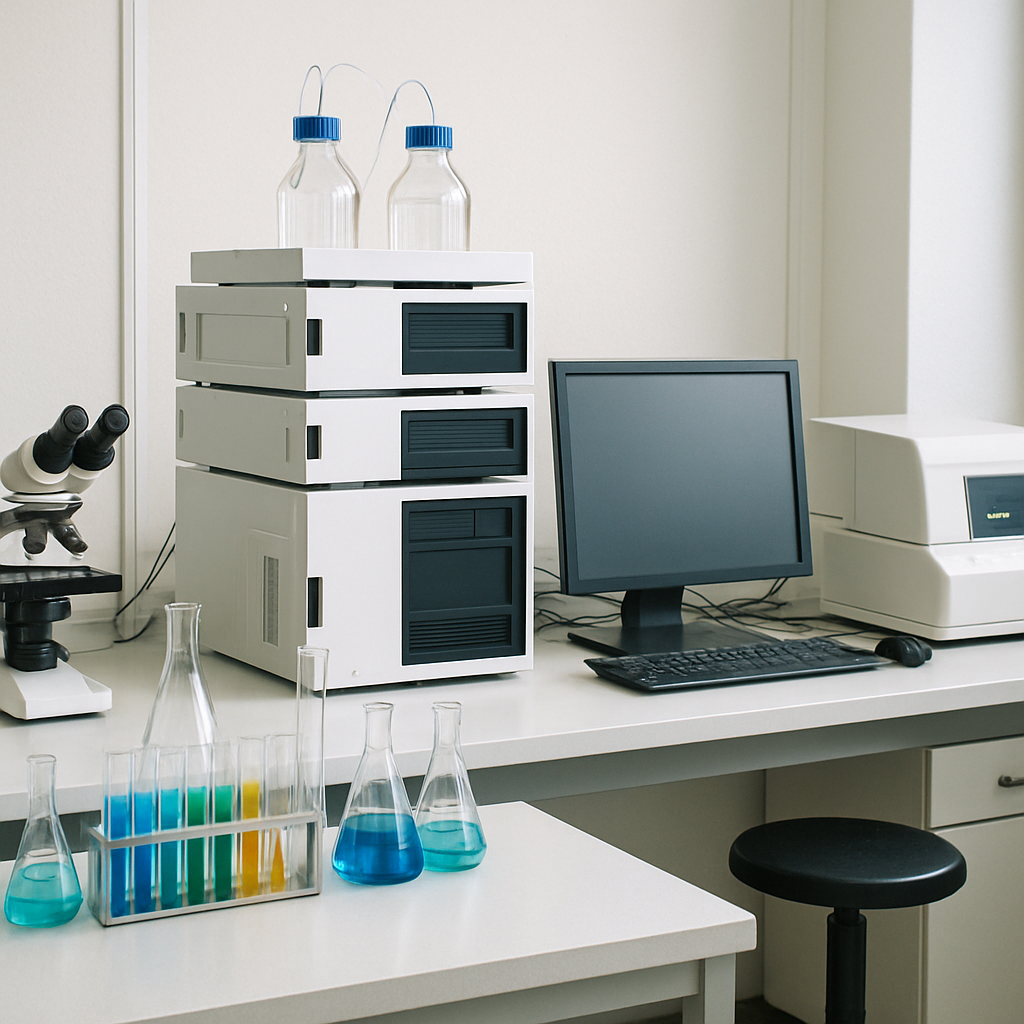
Nitrogen is a crucial component in various industries, especially when it comes to analytical instruments. The purity levels of nitrogen gas can significantly impact the performance and accuracy of these instruments. Understanding the importance of gas quality and nitrogen purity levels is essential for anyone working with analytical instruments. In this article, we will explore what nitrogen purity levels mean, why they matter, and how to test for purity. What Are Nitrogen Purity Levels? Nitrogen purity levels refer to the amount of nitrogen present in a gas mixture compared to other gases or impurities. Purity is usually expressed as a percentage, indicating how much of the gas is pure nitrogen. For example, a nitrogen purity level of 99.99% means that the gas contains 99.99% nitrogen and only 0.01% impurities. Common Purity Levels in the Industry In the industrial setting, nitrogen is available at various purity levels, depending on the application: Why Nitrogen Purity Matters The purity of nitrogen gas can affect the results and reliability of analytical instruments. Here’s why it matters: Accuracy and Precision High-purity nitrogen ensures that there are minimal impurities interfering with analytical measurements. This is particularly important in applications like gas chromatography, where even trace amounts of contaminants can skew results. Instrument Longevity Using nitrogen with the appropriate purity level can extend the life of your analytical instruments. Impurities in the gas can cause wear and tear, leading to more frequent maintenance and potential downtime. Safety In certain applications, impurities in nitrogen can pose safety risks. For instance, in the food industry, using nitrogen with impurities could lead to contamination, affecting product quality and safety. How to Test for Nitrogen Purity Purity testing is crucial to ensure that the nitrogen gas meets the required specifications for your application. Here are some common methods: Gas Chromatography Gas chromatography is a technique used to separate and analyze compounds that can be vaporized without decomposition. It’s highly effective for determining the purity of nitrogen gas by identifying the types and quantities of impurities present. Mass Spectrometry Mass spectrometry can be used alongside gas chromatography to provide detailed information about the molecular composition of the gas. This method is particularly useful for identifying trace impurities. Online Analyzers

nitrogen generator

High-Purity Nitrogen and Defect Reduction in Electronics

In the fast-paced world of electronics manufacturing, ensuring product quality and reliability is paramount. One significant factor contributing to this is the use of high-purity nitrogen. This article delves into the importance of high-purity nitrogen in electronics, exploring how it aids in reducing defects and enhancing product performance. What is High-Purity Nitrogen? High-purity nitrogen is nitrogen gas that has been refined to remove impurities, achieving a purity level of 99.999% or higher. This high level of purity is crucial in various industrial applications, especially in electronics manufacturing, where contamination can lead to costly defects. The Role of Nitrogen Gas Purity Nitrogen gas purity is critical in maintaining the integrity of electronic components. Contaminants such as oxygen, water vapor, and other particulates can cause oxidation or unwanted chemical reactions. By using high-purity nitrogen, manufacturers can ensure a clean environment that minimizes these risks, leading to higher quality and more reliable electronic products. Why High-Purity Nitrogen is Essential in Electronics Preventing Oxidation Oxidation is a major concern in electronics manufacturing. When metals used in electronic components are exposed to oxygen, they can form oxides, which may lead to poor conductivity or even failure. High-purity nitrogen acts as a protective blanket, displacing oxygen and preventing oxidation during key processes such as soldering and reflow. Enhancing Soldering Processes Soldering is a critical step in assembling electronic circuits. The presence of impurities during soldering can lead to weak joints and unreliable connections. High-purity nitrogen ensures a controlled atmosphere, reducing the likelihood of defects and improving the quality of solder joints. Improving Yield and Reducing Waste By minimizing defects, high-purity nitrogen helps improve the yield of electronic manufacturing processes. Fewer defects mean less waste, which not only reduces costs but also enhances environmental sustainability. This efficiency is particularly crucial in high-volume production settings where even small improvements can lead to significant savings. Applications of High-Purity Nitrogen in Electronics Semiconductor Manufacturing In semiconductor manufacturing, precision is key. High-purity nitrogen is used to create an inert atmosphere that is free from contaminants, ensuring the integrity of delicate semiconductor wafers. This controlled environment is vital for processes such as chemical vapor deposition and plasma etching. Printed Circuit Board (PCB) Assembly During PCB assembly, high-purity nitrogen is used to reduce oxidation and improve solder wetting. This results in stronger, more reliable connections between components and the PCB, ultimately enhancing the performance and longevity of the final product. Storage and Packaging High-purity nitrogen is also employed in the storage and packaging of sensitive electronic components. By purging moisture and oxygen from packaging, it helps extend the shelf life of components and protects them from environmental damage. Benefits of Using High-Purity Nitrogen

nitrogen generator

Liquid Nitrogen Factory Setup Cost What You Need to Know

Setting up a liquid nitrogen factory is a significant endeavor that requires careful planning and financial investment. Understanding the costs involved is crucial for anyone looking to venture into this industry. This guide will walk you through the key factors affecting liquid nitrogen factory setup costs, helping you make informed decisions. By being aware of these elements, you can better prepare for the financial commitments and strategic planning necessary to launch a successful liquid nitrogen production operation. Understanding the complexities of this industry also involves knowing the market dynamics and technological advancements that might affect your business. Whether you’re an entrepreneur or an investor, knowledge about the industry’s nuances can help you anticipate challenges and opportunities. As we delve into the specifics, you’ll gain a comprehensive understanding of both the initial setup and the ongoing operational expenses you might encounter. Before diving into the costs, let’s clarify what liquid nitrogen is. Liquid nitrogen is nitrogen in a liquid state at an extremely low temperature, approximately -196 degrees Celsius. It’s widely used in various industries, including food processing, pharmaceuticals, and metal manufacturing, due to its cooling and freezing properties. Its ability to rapidly freeze and preserve substances makes it indispensable in scientific research and medical applications as well. The versatility of liquid nitrogen extends to its role in cryogenics, where it is used to preserve biological samples and organs. This makes it a critical component in medical research and biotechnology. Its non-toxic and inert characteristics also allow for safe use in the culinary world, where it creates innovative dining experiences. Understanding these diverse applications can help you identify potential markets and tailor your production capabilities to meet industry demands. Key Factors Influencing Setup Costs Setting up a liquid nitrogen factory involves multiple components, each contributing to the overall cost. Here are the main factors you need to consider: 1. Location and Infrastructure The locati0n of your factory significantly impacts your setup costs. Urban areas might have higher land and construction costs, but they offer better access to utilities and markets. Proximity to suppliers and clients can reduce transportation costs and enhance business relationships. Rural areas, on the other hand, might provide cheaper land but could require additional investment in infrastructure like roads and utilities. However, rural locations might offer tax incentives or subsidies to encourage industrial development. In addition to land and infrastructure, environmental regulations may vary by locati0n and can influence your costs. Urban areas might have stricter environmental laws, necessitating more investment in compliance measures. Assessing local regulations and potential incentives in both urban and rural settings can help you make a balanced decision. Evaluating the long-term benefits versus the immediate costs associated with different locations is essential for strategic planning. 2. Equipment and Machinery The core of your factory will be the equipment and machinery used to produce liquid nitrogen. This includes air separation units, compressors, and storage tanks. The cost of these machines can vary based on their capacity, efficiency, and brand. Investing in high-quality, reliable machinery is crucial to ensure efficient production and minimize downtime. Advanced technologies might offer better energy efficiency and lower operational costs over time. When selecting equipment, consider not only the initial purchase price but also the maintenance and operational costs. High-efficiency machines may cost more upfront but can lead to significant savings in energy consumption and longer service life. Additionally, sourcing equipment from reputable suppliers can provide warranties and technical support, further securing your investment. Balancing cost with quality and efficiency will be key to optimizing your production process. 3. Licensing and Permits Operating a liquid nitrogen factory requires several licenses and permits. These could include environmental permits, safety certifications, and business licenses. The cost and complexity of obtaining these can vary significantly depending on your locati0n and the scale of your operations. A comprehensive understanding of local, state, and federal regulations is necessary to avoid legal pitfalls and operational delays. Beyond the financial aspect, the time required to secure necessary permits should be considered in your project timeline. Engaging with local authorities early in the planning process can streamline the approval process and prevent costly delays. Consulting with legal experts or industry professionals can help you navigate the regulatory landscape efficiently, ensuring compliance and reducing risks. 4. Utilities and Energy Costs Producing liquid nitrogen is energy-intensive. You’ll need a reliable power supply to run your equipment, which can be a significant ongoing cost. The price of electricity, water, and other utilities will affect your overall expenses and should be factored into your cost analysis. Exploring renewable energy sources or energy-efficient technologies could mitigate some of these costs. In addition to energy costs, consider the environmental impact and sustainability of your operations. Implementing energy-saving practices and investing in green technologies can improve your factory’s environmental footprint and reduce expenses in the long term. Monitoring and optimizing energy use through advanced metering systems can also provide insights for further efficiency improvements. 5. Labor Costs The cost of hiring skilled workers to operate and maintain your factory is another crucial factor. Labor costs can vary based on the local market and the level of expertise required. Investing in training can help ensure your staff operates efficiently and safely. Skilled labor not only ensures smooth operations but also enhances innovation and productivity.

Scroll to Top