nitrogen generator

PSA Nitrogen Generators vs Liquid Nitrogen in Fabrication Shops

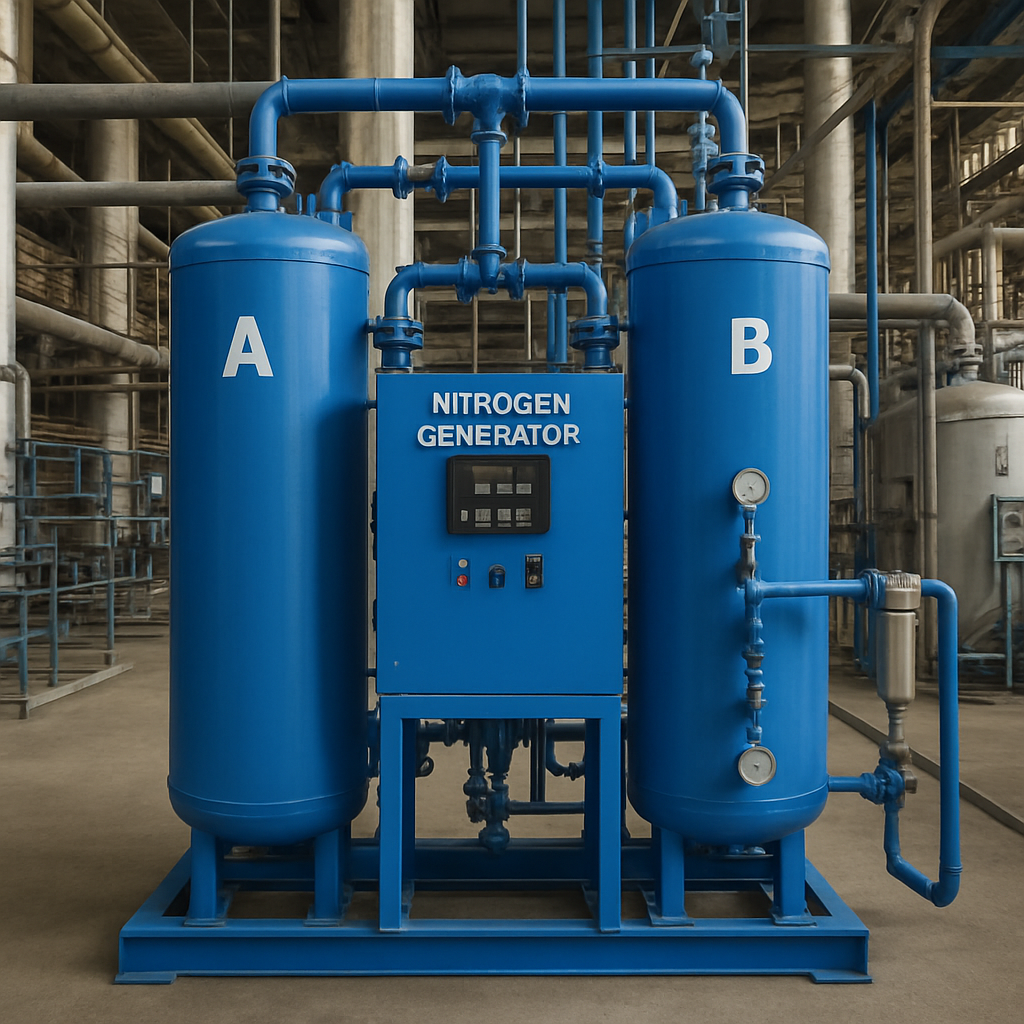
In the world of fabrication shops, the choice between PSA nitrogen generators and liquid nitrogen systems is a significant one. Each option has its own set of advantages and disadvantages, and understanding these can help shop owners make an informed decision. This article explores the features, benefits, and challenges associated with PSA nitrogen generators, particularly Oxymat PSA nitrogen generators, and compares them with the more traditional liquid nitrogen systems. Nitrogen is an essential component in many industrial processes. In fabrication shops, it serves multiple purposes, from preventing oxidation during laser cutting to providing a protective atmosphere for certain types of welding. The choice between different nitrogen supply systems can affect operational efficiency, cost, and safety. What Are PSA Nitrogen Generators? PSA stands for Pressure Swing Adsorption. This technology separates nitrogen molecules from the air, providing a continuous supply of nitrogen gas. PSA nitrogen generators are popular in fabrication shops due to their ability to produce nitrogen on-site, eliminating the need for storage and transportation of liquid nitrogen. Advantages of PSA Nitrogen Generators Oxymat PSA Nitrogen Generators Oxymat is a leading manufacturer of PSA nitrogen gas generators. Known for their reliability and efficiency, Oxymat systems are designed to meet the demands of various industrial applications, including fabrication. Features of Oxymat Generators Liquid Nitrogen Systems Liquid nitrogen systems have been a staple in many fabrication shops for decades. They rely on the delivery and storage of liquid nitrogen, which is then vaporized as needed for various processes. Advantages of Liquid Nitrogen Challenges of Liquid Nitrogen Systems by Omar Rodriguez (https://unsplash.com/@e90two) Comparing PSA Nitrogen Generators and Liquid Nitrogen When deciding between PSA nitrogen generators and liquid nitrogen systems, fabrication shops must weigh several factors. Cost Analysis While the initial investment for PSA nitrogen generators can be higher, the long-term savings from reduced operational costs often justify the expense. Liquid nitrogen, with its ongoing delivery and storage costs, can become more expensive over time. Safety Considerations PSA nitrogen generators offer a safer alternative by eliminating the need to handle cryogenic liquids. This reduces the risk of accidents and the need for extensive safety training. Environmental Impact […]
nitrogen generator

Nitrogen in Food Packaging How It Works and Why It Matters

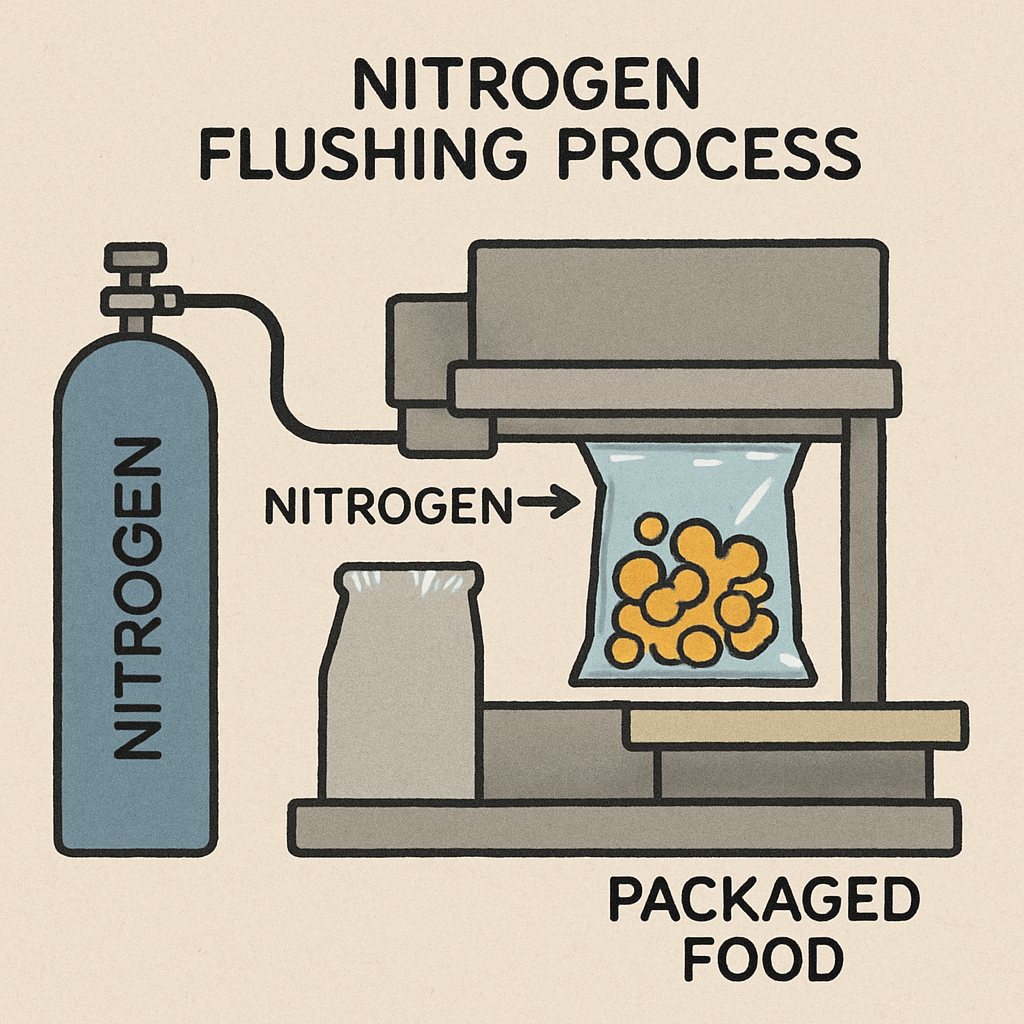
In the realm of food safety and preservation, the use of nitrogen in food packaging has become a staple technique. But what exactly does nitrogen do, and why is it crucial for your food’s shelf life? This article delves into the science behind nitrogen in food packaging, its benefits, and its impact on food safety. Understanding Nitrogen in Food Packaging Nitrogen is a colorless, odorless gas that makes up about 78% of the air we breathe. In the food industry, nitrogen is often used as a protective atmosphere in packaging to preserve freshness and extend the shelf life of products. How Nitrogen Works in Food Packaging When food is packaged, it is crucial to minimize the exposure to oxygen, as oxygen can lead to spoilage and oxidation. This is where nitrogen comes into play. During the packaging process, nitrogen is flushed into the packaging to replace the oxygen. By doing so, the growth of aerobic bacteria and other organisms that thrive on oxygen is significantly reduced, thus maintaining the quality and safety of the food. Types of Food Packaging Using Nitrogen Nitrogen is particularly useful in the packaging of snacks like chips, nuts, and baked goods. It’s also prevalent in the preservation of coffee, tea, and other perishable food items. By creating a nitrogen-rich environment, these products remain fresh and flavorful for a longer period. The Importance of Nitrogen in Food Safety Food safety is a paramount concern for both consumers and manufacturers. The incorporation of nitrogen in packaging plays a significant role in ensuring that food products remain safe to consume. Extending Shelf Life One of the primary benefits of using nitrogen in food packaging is the extension of shelf life. By displacing oxygen, nitrogen helps prevent the growth of spoilage organisms and the oxidation of fats and oils, which can lead to rancidity. This not only keeps the food tasting better for longer but also reduces food waste. Preserving Nutritional Quality In addition to extending shelf life, nitrogen helps in preserving the nutritional quality of food. Oxygen exposure can degrade vitamins and other essential nutrients in food. By maintaining a low-oxygen environment, nitrogen packaging helps retain the nutritional value of the food, ensuring that consumers receive the health benefits they expect. Reducing the Need for Preservatives The use of nitrogen in packaging can also reduce the need for added preservatives. As nitrogen effectively slows down spoilage and oxidation, manufacturers can rely less on chemical preservatives, leading to cleaner labels and potentially healthier food options for consumers. The Role of Modified Atmosphere Packaging (MAP) Modified Atmosphere Packaging (MAP) is a technology that uses gas mixtures, including nitrogen, to extend the shelf life of perishable goods. In MAP, the natural air inside the packaging is replaced with a mixture of gases suited to the product’s needs. How MAP Works MAP involves balancing gases like nitrogen, carbon dioxide, and oxygen to create an optimal environment for preserving food. For instance, a high nitrogen and low oxygen atmosphere is ideal for most snack foods, while fresh produce might require a different balance to avoid spoilage while maintaining freshness. Benefits of MAP

on-site nitrogen generation
nitrogen generator

Case Study Lab Cost Savings from On-Site Nitrogen Generation

laboratories are under constant pressure to reduce costs and improve efficiency. One innovative solution that has proven beneficial for many labs is the adoption of on-site nitrogen generation. This case study explores the significant cost savings and operational benefits realized by a laboratory that switched from traditional nitrogen supply methods to an on-site nitrogen generator. Understanding On-Site Nitrogen Generation Before diving into the specific case study, let’s first understand what on-site nitrogen generation entails. Traditionally, laboratories relied on the delivery of nitrogen gas in high-pressure cylinders or liquid nitrogen tanks. While effective, these methods often involve high costs and logistical challenges. On-site nitrogen generation, on the other hand, allows laboratories to produce their own nitrogen gas using a nitrogen generator. These systems typically use either pressure swing adsorption (PSA) or membrane technology to separate nitrogen from the air, providing a continuous supply of high-purity nitrogen on demand. Benefits of On-Site Nitrogen Generators Case Study: A Laboratory’s Transition to On-Site Nitrogen Generation Background The laboratory in question, a mid-sized research facility, was spending a considerable portion of its budget on nitrogen gas supplied in cylinders. With a growing need for nitrogen in various applications, from chemical reactions to preserving samples, the costs and logistical challenges were mounting. The Decision to Switch Faced with these challenges, the laboratory management decided to explore on-site nitrogen generation as a cost-effective solution. After evaluating several options, they chose a nitrogen generator that matched their purity requirements and output needs. Implementation The transition to on-site nitrogen generation was straightforward. The laboratory’s existing infrastructure required minimal modifications, and the nitrogen generator was installed and operational within a week. The system was set up to produce nitrogen with a purity level of 99.99%, suitable for the lab’s various applications. Results by CDC (https://unsplash.com/@cdc) Considerations for Implementing On-Site Nitrogen Generation While the benefits are clear, there are a few considerations laboratories should keep in mind when transitioning to on-site nitrogen generation: Initial Investment Although there is an upfront cost associated with purchasing and installing a nitrogen generator, many labs find that the long-term savings quickly offset this initial investment. It’s important to conduct a thorough cost-benefit analysis to understand the payback period. Maintenance Requirements On-site nitrogen generators require regular maintenance to ensure optimal performance. This includes routine checks and filter replacements. Most manufacturers provide detailed maintenance schedules and support to ease this process.

on-site nitrogen
nitrogen generator

How On-Site Nitrogen Helps Meet ESG Goals in Electronics

In today’s fast-paced world, the electronics industry faces mounting pressure to adopt more sustainable practices. Environmental, Social, and Governance (ESG) goals are becoming increasingly important, not just for corporate responsibility but also for maintaining a competitive edge. One innovative solution aiding this transition is the implementation of on-site nitrogen generation. In this article, we will explore how on-site nitrogen can help the electronics industry meet its ESG goals, focusing on sustainability and efficiency. ESG goals are a set of standards for a company’s operations that socially conscious investors use to screen potential investments. In the electronics sector, these goals emphasize reducing environmental impact, improving social welfare, and ensuring robust governance practices. Achieving these objectives can enhance a company’s reputation, attract investors, and meet regulatory requirements. The Importance of Sustainable Electronics Sustainable electronics is about designing, manufacturing, and disposing of electronic devices in ways that minimize environmental harm. This includes reducing energy consumption, minimizing waste, and using environmentally friendly materials. As consumers and businesses alike become more environmentally conscious, the demand for sustainable electronics grows. The Role of Nitrogen in Electronics Manufacturing Nitrogen is an essential component in many electronics manufacturing processes. It is used to create inert environments that prevent oxidation and contamination during production. Traditionally, nitrogen is supplied in liquid or gaseous form via bulk deliveries, which can be costly and environmentally taxing. On-Site Nitrogen Generation On-site nitrogen generation involves producing nitrogen gas at the point of use, typically through Pressure Swing Adsorption (PSA) or Membrane technology. This method eliminates the need for transportation and reduces the carbon footprint associated with traditional nitrogen supply chains. Benefits of On-Site Nitrogen for ESG Goals On-site nitrogen generation offers several benefits that align with ESG goals in the electronics industry. Environmental Benefits Social Benefits Governance Benefits Case Studies: Success Stories in the Electronics Industry Company A: Leading the Way in Sustainable Electronics Company A, a major player in the electronics sector, implemented on-site nitrogen generation to support its ESG goals. The company reported a 30% reduction in its carbon footprint and significant cost savings. This move not only improved their sustainability metrics but also enhanced their market reputation. Company B: Enhancing Efficiency and Safety Company B adopted on-site nitrogen generation to replace bulk deliveries. This transition resulted in improved workplace safety and reduced nitrogen waste, aligning with their ESG objectives. The company also benefited from increased operational efficiency, contributing to their bottom line. Implementing On-Site Nitrogen: Steps for Success by Joe Mayami (https://unsplash.com/@joemayami)

nitrogen generator

Nitrogen Flow Rate Requirements for Different Laser Materials

Laser material processing has revolutionized the manufacturing industry, offering precision and versatility in cutting, welding, and engraving materials. One key element in this process is the use of gases like nitrogen, which play a crucial role in achieving clean and precise cuts. Understanding the nitrogen flow rate requirements for different laser materials is essential for optimizing performance and ensuring the quality of the final product. In this article, we’ll explore the role of nitrogen in laser cutting and the specific flow rate requirements for various materials. Nitrogen is commonly used in laser cutting as an assist gas. Its primary function is to prevent oxidation during the cutting process, which can negatively impact the appearance and properties of the cut edge. When nitrogen is used, the result is a clean, oxide-free edge that requires little to no post-processing. Why Nitrogen? The choice of nitrogen over other gases like oxygen is primarily due to its inert nature. Nitrogen does not react with the material being cut, which is particularly important for materials where oxidation can lead to discoloration or a weaker cut edge. Additionally, nitrogen can assist in cooling the cut area, reducing thermal stress on the material. Nitrogen Flow Rate and Its Importance The flow rate of nitrogen in laser cutting is a critical parameter. It influences the quality of the cut, the speed of the process, and the overall efficiency of the operation. Too low a flow rate may result in poor cut quality, while too high a flow rate can be wasteful and increase operational costs. Factors Affecting Nitrogen Flow Rate Several factors determine the appropriate nitrogen flow rate: Nitrogen Flow Rate Requirements for Common Laser Materials Stainless Steel Stainless steel is one of the most commonly processed materials using laser cutting. For stainless steel, nitrogen helps maintain a shiny, oxide-free edge. The typical nitrogen flow rate for cutting stainless steel can range from 12 to 20 cubic feet per hour (CFH), depending on the thickness and the desired quality of the cut. Aluminum Aluminum, like stainless steel, benefits from nitrogen’s ability to prevent oxidation. The flow rate for aluminum can be slightly lower than that for stainless steel, generally ranging from 10 to 18 CFH. However, the exact flow rate can vary based on the thickness of the aluminum sheet. Carbon Steel While oxygen is often used for cutting carbon steel due to its ability to increase cutting speed through an exothermic reaction, nitrogen is used when a clean, oxide-free edge is required. In such cases, a flow rate of 15 to 25 CFH is typical for carbon steel. Titanium Titanium requires a high nitrogen flow rate to prevent oxidation and maintain a clean cut edge. The flow rate for titanium can range from 20 to 30 CFH, depending on the thickness and complexity of the cut. Plastics Plastics are another material commonly processed with lasers. The nitrogen flow rate for plastics is generally lower than for metals, typically ranging from 5 to 15 CFH, depending on the type and thickness of the plastic. Optimizing Nitrogen Flow Rate for Efficiency and Quality

nitrogen generator

Case Study Nitrogen Savings in a Snack Manufacturer

In the competitive world of snack manufacturing, every ounce of efficiency counts. As costs continue to rise, manufacturers are constantly on the lookout for ways to streamline operations and reduce expenses. One area ripe for cost reduction is the use of nitrogen in the packaging process. In this case study, we explore how a leading snack manufacturer achieved significant nitrogen savings, thereby improving their bottom line. Nitrogen plays a crucial role in the snack manufacturing industry. It’s used to displace oxygen in packaging, preserving the freshness and extending the shelf life of snacks. By preventing oxidation, nitrogen helps maintain the product’s flavor, texture, and overall quality. However, the cost of nitrogen and its efficient use can significantly impact a manufacturer’s profit margins. The Challenge: Rising Costs and Inefficiency For our featured snack manufacturer, rising nitrogen costs were becoming a concern. The company was using a significant amount of nitrogen, but there was little insight into how efficiently it was being used. This lack of oversight led to excessive costs and potential wastage. Moreover, the company was aware that optimizing nitrogen use could lead to substantial savings but lacked the expertise and tools to implement changes. Initial Assessment The first step was conducting a thorough assessment of the current nitrogen usage. This involved analyzing the entire packaging process to identify areas of inefficiency. The manufacturer partnered with an industrial consultant specializing in nitrogen efficiency to gain insights into potential improvements. Implementing Solutions for Nitrogen Efficiency After a detailed assessment, several solutions were identified to reduce nitrogen usage without compromising on product quality. These included optimizing nitrogen flow rates, upgrading equipment, and implementing better monitoring systems. Optimizing Nitrogen Flow Rates The assessment revealed that the nitrogen flow rates during packaging were higher than necessary. By recalibrating the flow rates to match the exact requirements for preserving snack quality, the manufacturer could reduce nitrogen consumption significantly. Equipment Upgrades Old and inefficient equipment was another contributor to excessive nitrogen use. By investing in modern machinery with improved nitrogen control systems, the manufacturer was able to achieve better precision and reduce wastage. Improved Monitoring Systems Implementing state-of-the-art monitoring systems allowed the manufacturer to track nitrogen usage in real-time. This provided valuable data that could be used to make further adjustments and ensure continued efficiency. The Results: Significant Cost Reduction The changes implemented resulted in a dramatic reduction in nitrogen consumption, leading to substantial cost savings. The manufacturer reported a 25% decrease in nitrogen costs within the first year of implementation. This not only improved the company’s profit margins but also contributed to a more sustainable manufacturing process. Financial Impact The financial impact of these savings was significant. With reduced nitrogen costs, the manufacturer was able to allocate resources to other areas of the business, such as product development and marketing. This strategic reinvestment helped the company maintain its competitive edge in the market. Lessons Learned and Future Steps by Claire Nakkachi (https://unsplash.com/@bidaya)

nitrogen generator

ROI of Nitrogen Generators in Electronics Production

In the fast-paced world of electronics production, efficiency and cost-effectiveness are key. One often overlooked factor that can significantly impact both is the use of nitrogen generators. If you’re involved in the electronics manufacturing industry, understanding the return on investment (ROI) of nitrogen generators could transform your production process. Let’s delve into why these generators are essential and how they can benefit your business. Understanding Nitrogen Generators What Are Nitrogen Generators? Nitrogen generators are devices that separate nitrogen from the air, providing a consistent supply of this essential gas for various industrial applications. In electronics production, nitrogen is crucial for processes such as soldering and wave soldering, as it helps create an inert atmosphere that prevents oxidation. This ensures higher quality and more reliable electronic components. Types of Nitrogen Generators There are primarily two types of nitrogen generators used in electronics production: Both types have their unique advantages, and the choice between them depends on specific production needs and budget considerations. The Importance of Nitrogen in Electronics Production The role of nitrogen in electronics manufacturing cannot be overstated. It is used to create an oxygen-free environment, which is critical in preventing oxidation. Oxidation can lead to defects in solder joints, which are the connections between different components on a circuit board. Poor solder joints can cause device failure, leading to costly recalls and damage to a manufacturer’s reputation. Benefits of Using Nitrogen Calculating the ROI of Nitrogen Generators When considering the purchase of a nitrogen generator, it’s essential to calculate the ROI to ensure it’s a wise investment. The ROI calculation considers both the initial cost and the ongoing savings achieved through improved production efficiency and reduced waste. Initial Investment The cost of a nitrogen generator can vary widely based on the type and capacity. However, it’s crucial to consider this as a long-term investment. Unlike bottled nitrogen, which incurs continuous costs for purchase and delivery, a nitrogen generator provides a consistent supply with minimal operational costs. Operational Savings by Arstin Chen (https://unsplash.com/@arstinchen) Real-World Examples Several electronics manufacturers have reported significant savings after switching to nitrogen generators. For instance, a mid-sized electronics firm found that their defect rate dropped by 30% after installing a nitrogen generator. This improvement not only saved them money but also enhanced their brand reputation by delivering more reliable products to customers. Case Study: ABC Electronics ABC Electronics, a company specializing in consumer electronics, faced issues with solder joint defects. After investing in a PSA nitrogen generator, they saw a 25% increase in production efficiency and a reduction in material costs due to fewer reworks. Within two years, they recouped their initial investment and continued to benefit from ongoing savings.

Europe Nitrogen Generators
nitrogen generator

Cost Analysis Buying vs Leasing Nitrogen Generators in Europe

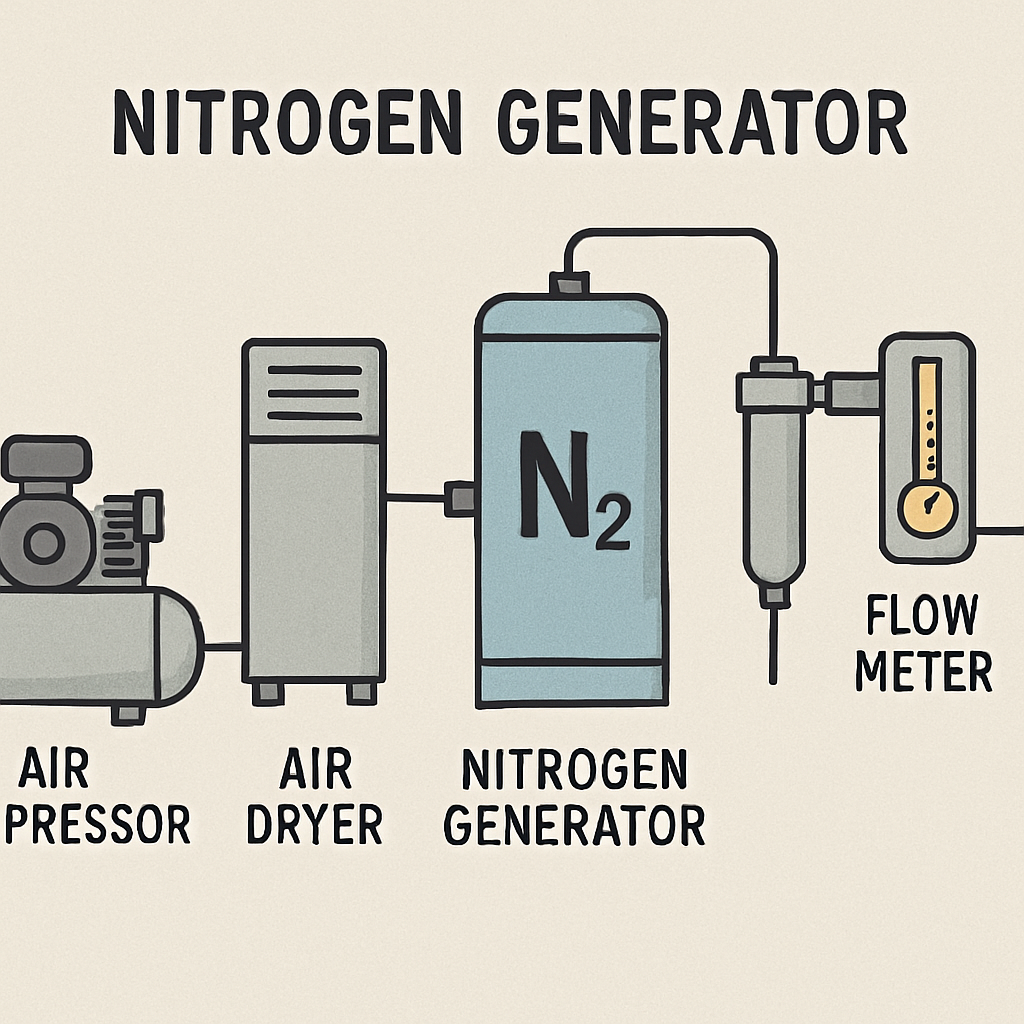
When it comes to nitrogen generators, businesses in Europe often face a critical decision: Should they buy or lease? This choice involves weighing numerous factors, from upfront costs to long-term benefits. This article will provide a comprehensive cost analysis of buying versus leasing nitrogen generators in Europe, aiming to equip you with the necessary insights to make an informed decision. by NAIS (https://unsplash.com/@naisru) The nitrogen generator market in Europe is thriving, driven by the increasing demand across various industries like food and beverage, pharmaceuticals, and manufacturing. These generators are crucial for operations that require a consistent and reliable nitrogen supply. However, deciding whether to buy or lease can significantly impact your business’s financial health. Market Growth and Trends The European nitrogen generator market is experiencing robust growth due to technological advancements and increasing industrial applications. Industries are recognizing the need for self-sufficiency and sustainability, driving the demand for onsite nitrogen generation. This trend is further accelerated by stringent environmental regulations and the need for operational efficiency. Emerging markets in Eastern Europe are also contributing to this growth. These regions are seeing a surge in industrial development, leading to a higher demand for nitrogen generators. Additionally, the focus on reducing carbon footprints is prompting industries to consider more eco-friendly nitrogen generation solutions. Industry Applications Nitrogen generators serve a multitude of industries, each with unique needs and applications. In the food and beverage industry, nitrogen is essential for packaging, preserving freshness, and preventing oxidation. The pharmaceutical industry relies on nitrogen for creating inert atmospheres critical for the production and storage of medicines. In manufacturing, nitrogen is used for laser cutting, chemical processing, and electronics production. Each of these applications requires a reliable and cost-effective nitrogen supply, making the decision to buy or lease a critical one. Understanding these industry-specific demands helps in assessing the benefits of owning versus leasing. Technological Innovations Technological innovations in nitrogen generation are constantly evolving, offering more efficient and cost-effective solutions. Membrane and PSA (Pressure Swing Adsorption) technologies have improved purity levels and energy efficiency. These advancements are crucial for businesses aiming to stay competitive and reduce operational costs. The integration of IoT (Internet of Things) and remote monitoring capabilities in modern nitrogen generators allows for predictive maintenance and real-time performance tracking. These technological features can significantly influence the decision to buy or lease, as they impact both the initial investment and long-term maintenance considerations. What Are Nitrogen Generators? Nitrogen generators are devices that separate nitrogen from atmospheric air, providing a continuous supply of nitrogen gas. This technology is essential for industries requiring inert atmospheres or where nitrogen is used as a preservation agent. Understanding the costs and benefits associated with acquiring these machines is pivotal for operational efficiency. Functionality and Types Nitrogen generators operate by filtering out oxygen and other gases from atmospheric air, delivering high-purity nitrogen. The two main types are membrane nitrogen generators and PSA nitrogen generators. Membrane generators use hollow fiber membranes to separate nitrogen, while PSA generators utilize adsorption materials. Each type has its own advantages. Membrane systems are compact and have low maintenance needs, making them suitable for smaller operations. PSA systems, on the other hand, can produce higher purity nitrogen, catering to industries with stringent purity requirements. Choosing the right type depends on your specific operational needs and budget constraints. Benefits of Onsite Nitrogen Generation Onsite nitrogen generation offers numerous benefits over traditional gas delivery methods. It eliminates the need for nitrogen cylinder transportation, reducing logistical challenges and associated costs. This leads to significant savings in the long run, particularly for industries with high nitrogen consumption. Having a nitrogen generator onsite also ensures a constant supply, mitigating risks of production delays due to gas shortages. This reliability is crucial for maintaining product quality and meeting production timelines. Additionally, onsite generation contributes to a smaller carbon footprint, aligning with sustainability goals.

Nitrogen for laser cutting
nitrogen generator

Preventing Discoloration in Laser Cutting with Nitrogen

In this article, we will explore the causes of discoloration in laser cutting, the benefits of using nitrogen, and practical tips to achieve better results with your laser cutting projects. Understanding these elements can help you optimize your laser cutting processes, reduce waste, and improve the overall quality of your products. Whether you are a seasoned professional or new to laser cutting, these insights will be invaluable in enhancing your production capabilities and achieving a superior finish. Understanding Discoloration in Laser Cutting What Causes Discoloration? Discoloration during laser cutting is primarily caused by oxidation. When a laser beam cuts through a material, it generates a significant amount of heat. This heat can cause the material to oxidize, leading to discoloration, especially when cutting metals like steel and aluminum. The discoloration typically appears as a burnt or tarnished surface, which can be undesirable for many applications. This oxidation is a chemical reaction that occurs when the material’s surface is exposed to oxygen at high temperatures, forming oxide layers that alter the surface’s appearance and properties. In addition to oxidation, other factors such as laser settings, material type, and environmental conditions can contribute to discoloration. For instance, incorrect laser settings, such as excessive power or improper focal point, can exacerbate the problem. Environmental factors like humidity and contaminants on the material’s surface can also affect the outcome. Understanding these causes is crucial for implementing effective measures to prevent discoloration and ensure a high-quality finish. The Importance of Preventing Discoloration Preventing discoloration is important for maintaining the quality and appearance of the finished product. For industries such as automotive, aerospace, and consumer goods, where the aesthetic appeal of the product is critical, maintaining a clean and polished finish is essential. A product’s appearance can significantly influence consumer perception and buying decisions, making it a key factor in competitive markets. Discoloration can also affect the material’s surface properties, potentially impacting its performance and durability. Oxidized surfaces may have altered mechanical properties, such as reduced corrosion resistance and increased surface roughness, which can affect the product’s lifespan and functionality. Furthermore, preventing discoloration can lead to cost savings and increased efficiency. By minimizing defects and rework, manufacturers can reduce material waste and production downtime, leading to more efficient operations. In industries where precision and quality are paramount, ensuring that products are free from discoloration can enhance brand reputation and customer satisfaction, ultimately contributing to business success. Why Use Nitrogen in Laser Cutting? The Role of Assist Gases Assist gases play a crucial role in the laser cutting process. They help remove molten material from the cut area, cool the material, and prevent oxidation. Common assist gases include oxygen, air, and nitrogen. Oxygen is often used for its ability to enhance cutting speed and efficiency, as it reacts with the material to produce additional heat, facilitating faster cuts. However, it can also contribute to oxidation and discoloration, which can be detrimental to the product’s appearance and integrity. In contrast, nitrogen, being an inert gas, does not react with the material, thereby minimizing the risk of oxidation. It effectively displaces oxygen from the cutting area, helping to maintain a clean and precise cut. Understanding the distinct roles of these assist gases allows manufacturers to choose the most suitable option for their specific applications, balancing speed, efficiency, and quality. Benefits of Using Nitrogen Using nitrogen as an assist gas offers several advantages in preventing discoloration: Laser Cutting Tips for Preventing Discoloration Optimize Laser Parameters To achieve the best results with nitrogen, it is important to optimize your laser cutting parameters. Factors such as laser power, cutting speed, and focal point position can all impact the quality of the cut. Here are some tips for optimizing your laser parameters: Maintain Equipment Regular maintenance of your laser cutting equipment is essential for optimal performance. Here are some maintenance tips to consider: Use Quality Materials

nitrogen food packaging
nitrogen generator

Meeting EU Regulations with Nitrogen in Food Packaging

Ensuring food safety and preserving the quality of food products are critical aspects of the food industry. As consumer awareness about food safety standards increases, the role of packaging in maintaining food quality has become more crucial than ever. One of the innovative methods to enhance food preservation is the use of nitrogen in food packaging. In this article, we’ll delve into how nitrogen is used in food packaging, its benefits, and how it aligns with EU regulations. Food safety standards are designed to protect consumers from potential hazards related to food consumption. In the European Union, these standards are particularly stringent, ensuring that all food products meet high safety and quality requirements. Compliance with these regulations is mandatory for all food producers and distributors operating within the EU. The Importance of Food Preservation Food preservation methods are essential for extending the shelf life of food products and preventing spoilage. Traditional methods such as canning, freezing, and drying have been widely used. However, with advancements in technology, more innovative methods like nitrogen flushing have gained popularity. What is Nitrogen Flushing in Food Packaging? Nitrogen flushing is a packaging technique that involves replacing the oxygen in a package with nitrogen gas. This process helps in preserving the freshness and quality of the food product. Nitrogen, being an inert gas, does not react with the food, thus preventing oxidation and spoilage. Benefits of Using Nitrogen in Food Packaging Meeting EU Regulations with Nitrogen Packaging by Matthew Moloney (https://unsplash.com/@mattmoloney) The European Union has specific regulations and standards for food packaging to ensure consumer safety and product quality. Nitrogen flushing, when implemented correctly, aligns well with these regulations. Compliance with EU Food Safety Standards To comply with EU regulations, food packaging processes must ensure that no harmful substances are introduced during packaging. Nitrogen, being a natural and non-toxic gas, meets this requirement. It is crucial for food producers to use food-grade nitrogen, which is free from impurities. Adhering to Environmental Standards The EU also emphasizes the environmental impact of packaging materials. Nitrogen flushing contributes positively by reducing the need for chemical preservatives, which can have adverse environmental effects. Additionally, the packaging materials used should be recyclable or biodegradable to minimize environmental impact. Documentation and Traceability EU regulations require comprehensive documentation and traceability of all processes involved in food packaging. This includes maintaining records of nitrogen usage and ensuring that all equipment used meets safety standards. Proper documentation not only ensures compliance but also builds consumer trust. Implementing Nitrogen Flushing in Your Packaging Process To successfully integrate nitrogen flushing into your packaging process, consider the following steps: Conclusion Nitrogen flushing in food packaging is an effective method to enhance food preservation while meeting EU regulations. By extending shelf life, preserving flavor, and ensuring food safety, nitrogen packaging offers a viable solution for food producers looking to maintain quality and compliance. As the demand for safe and high-quality food products continues to rise, adopting innovative packaging methods like nitrogen flushing will be key to staying competitive in the market.

Scroll to Top