Nitrogen Supply Issues
nitrogen generator

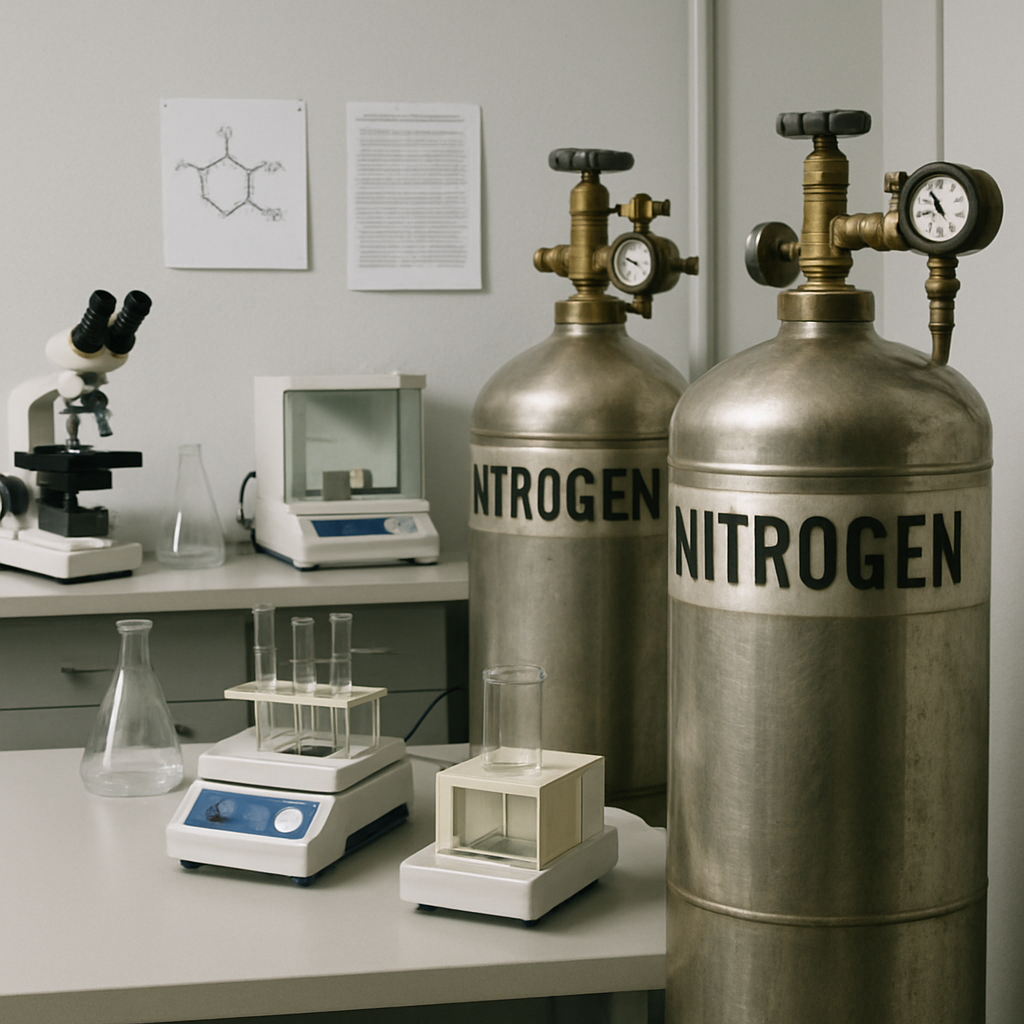
Troubleshooting Nitrogen Supply Issues in LC-MS Labs

In the world of Liquid Chromatography-Mass Spectrometry (LC-MS), nitrogen plays a vital role. It ensures that the instruments operate smoothly and produce accurate results. However, nitrogen supply issues can disrupt lab operations, leading to delays and potentially costly errors. This guide will help you troubleshoot common nitrogen supply issues in LC-MS labs, ensuring that your instruments remain in peak condition. Understanding the Role of Nitrogen in LC-MS To effectively troubleshoot nitrogen supply issues, it’s essential to understand the role nitrogen plays in LC-MS. Nitrogen is used as a carrier gas in the LC-MS system. It helps in the nebulization process, which is crucial for converting liquid samples into a fine mist. This step is vital for the accurate detection and analysis of compounds. Why Nitrogen? Nitrogen is preferred for its inert nature. It does not react with the sample, ensuring that the results are not altered. Its availability and cost-effectiveness also make it a suitable choice for labs. Common Nitrogen Supply Issues Several issues can arise with nitrogen supply in LC-MS labs. Identifying these problems early can prevent further complications. Inadequate Nitrogen Pressure One of the most common issues is inadequate nitrogen pressure. Insufficient pressure can lead to poor nebulization, affecting the sensitivity and accuracy of the analysis. Causes and Solutions Contaminated Nitrogen Supply Contaminants in the nitrogen supply can severely affect the performance of LC-MS instruments. These impurities can introduce noise into the results, complicating data interpretation. Causes and Solutions Nitrogen Generator Issues Many labs use nitrogen generators to supply the necessary gas. While these devices are convenient, they can also experience problems. Causes and Solutions Diagnosing Nitrogen Supply Problems To effectively troubleshoot nitrogen supply issues, a systematic approach is necessary. Here are steps you can take to diagnose the problem: Step 1: Visual Inspection Begin with a visual inspection of the entire nitrogen supply system. Look for obvious signs of wear and tear, leaks, or damage. Check all connections and fittings. […]
PSA vs Liquid Nitrogen
nitrogen generator

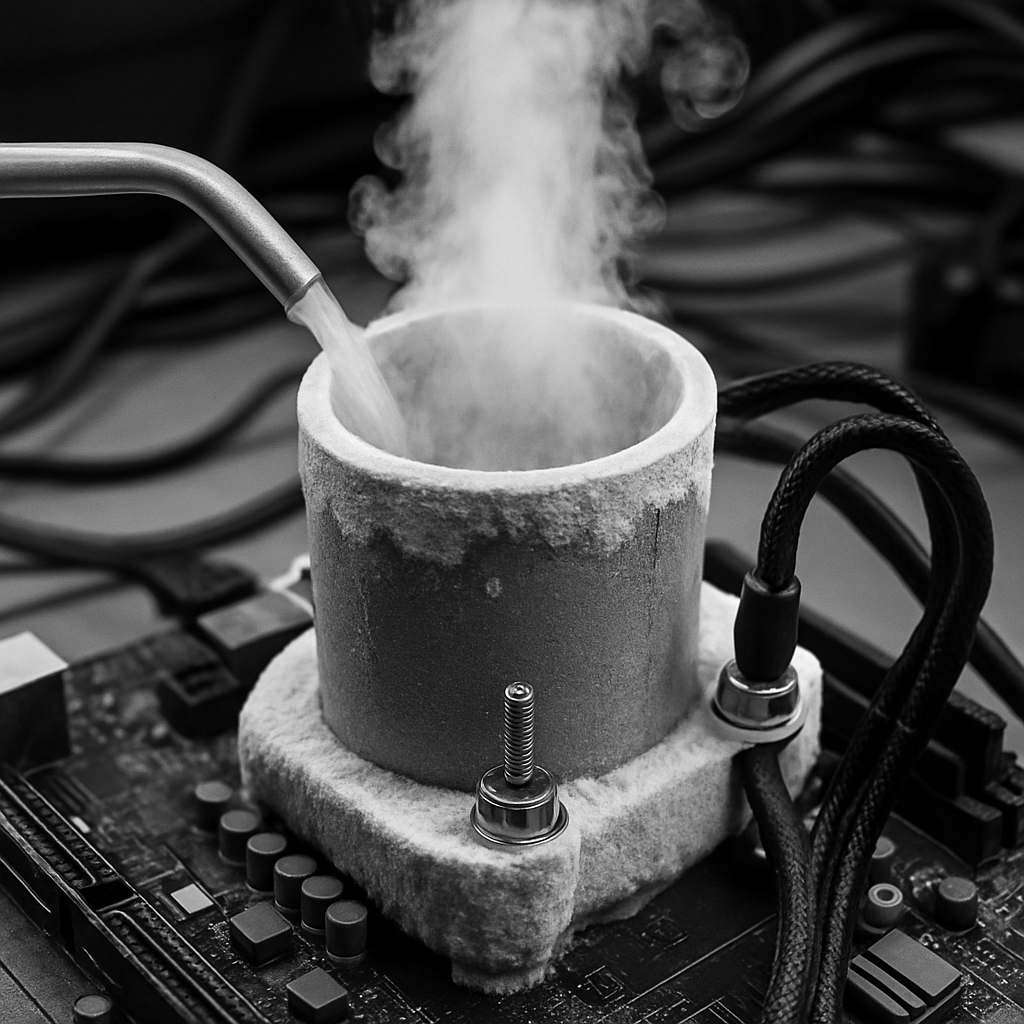
PSA vs Liquid Nitrogen for Electronics Assembly

In the fast-evolving world of electronics assembly, choosing the right cooling method is crucial. Two popular methods often debated in the industry are Pressure Sensitive Adhesive (PSA) and liquid nitrogen cooling. Each method has its own merits and is suitable for specific applications. In this article, we will explore the differences between PSA and liquid nitrogen for electronics assembly, helping you make an informed decision. PSA, or Pressure Sensitive Adhesive, is a versatile material used in electronics assembly to bond components without the need for heat or solvents. Its adhesive properties are activated by applying pressure, making it a convenient choice for many manufacturers. Advantages of PSA Limitations of PSA The Role of Liquid Nitrogen in Electronics Assembly Liquid nitrogen is a cryogenic liquid used to provide extreme cooling in various industrial applications, including electronics assembly. It is renowned for its ability to achieve ultra-low temperatures, which can be beneficial in certain scenarios. Advantages of Liquid Nitrogen Cooling Limitations of Liquid Nitrogen Cooling PSA vs Liquid Nitrogen: A Comparative Analysis When deciding between PSA and liquid nitrogen for electronics assembly, it’s essential to weigh their pros and cons based on your specific needs and constraints. Application and Suitability Cost Considerations Real-World Applications and Case Studies by gomi (https://unsplash.com/@gomi_design) PSA in Action A small electronics manufacturer specializing in consumer gadgets successfully implemented PSA in their assembly line. By using PSA, they streamlined their production process, reduced costs, and maintained product quality. The adhesive’s flexibility allowed them to adapt to various component shapes, enhancing their production efficiency. Liquid Nitrogen Success In contrast, a large-scale semiconductor manufacturer faced challenges with heat management during the assembly of high-performance processors. By integrating liquid nitrogen cooling, they significantly improved the thermal stability of their products. This led to enhanced processor speeds and reliability, giving them a competitive edge in the market. Making the Right Choice for Your Assembly Needs Choosing between PSA and liquid nitrogen for your electronics assembly involves evaluating your specific requirements, budget, and long-term goals. Consider the nature of your products, the scale of your operations, and the importance of cooling efficiency.

nitrogen generator

How Nitrogen Purity Affects Laser Cut Quality

In the world of industrial laser cutting, precision and quality are paramount. Whether you’re cutting metal, plastic, or any other material, achieving the best possible finish is essential. One key factor that significantly influences the quality of laser cuts is the purity of nitrogen gas used in the process. Understanding how nitrogen purity affects laser cut quality can help you optimize your operations for better results. Laser cutting is a technology that uses a laser to slice through materials. It involves focusing a high-powered laser beam onto the surface of the material, which melts, burns, or vaporizes the target area, leaving an edge with a high-quality surface finish. This process is widely used in various industries, from automotive manufacturing to electronics. The Role of Assist Gases in Laser Cutting Assist gases are crucial in laser cutting. They help in the expulsion of molten material, protect the lens from splatter, and can influence the quality of the cut. Common assist gases include oxygen, nitrogen, and air. Each of these gases has distinct roles and effects on the cutting process. Why Nitrogen is Used in Laser Cutting Nitrogen is often used as an assist gas in laser cutting for several reasons: The Importance of Nitrogen Purity The purity of nitrogen used in laser cutting can have a significant impact on the quality of the cut. High-purity nitrogen leads to better results, while lower purity can introduce impurities and defects. How Purity Affects Cut Quality Purity Levels and Their Implications How to Ensure High Nitrogen Purity by Pavel Keyzik (https://unsplash.com/@pavelkeyzik) To maintain the highest quality in laser cutting, it is crucial to ensure the nitrogen gas you use is of the appropriate purity. Here are some steps to consider: Source High-Quality Nitrogen Work with reputable suppliers who can guarantee the purity of nitrogen gas. Ensure they provide documentation or certification of the gas purity levels, so you know exactly what you’re getting. Use Proper Storage and Handling Improper storage and handling can introduce contaminants into your nitrogen supply. Use appropriate gas storage tanks and ensure they are sealed correctly to prevent contamination. Regularly Test Gas Purity Invest in a nitrogen purity analyzer to regularly test the gas before use. This can help you detect any drop in purity levels before it affects your cutting processes. Maintain Equipment

On-Site Nitrogen Generation
nitrogen generator

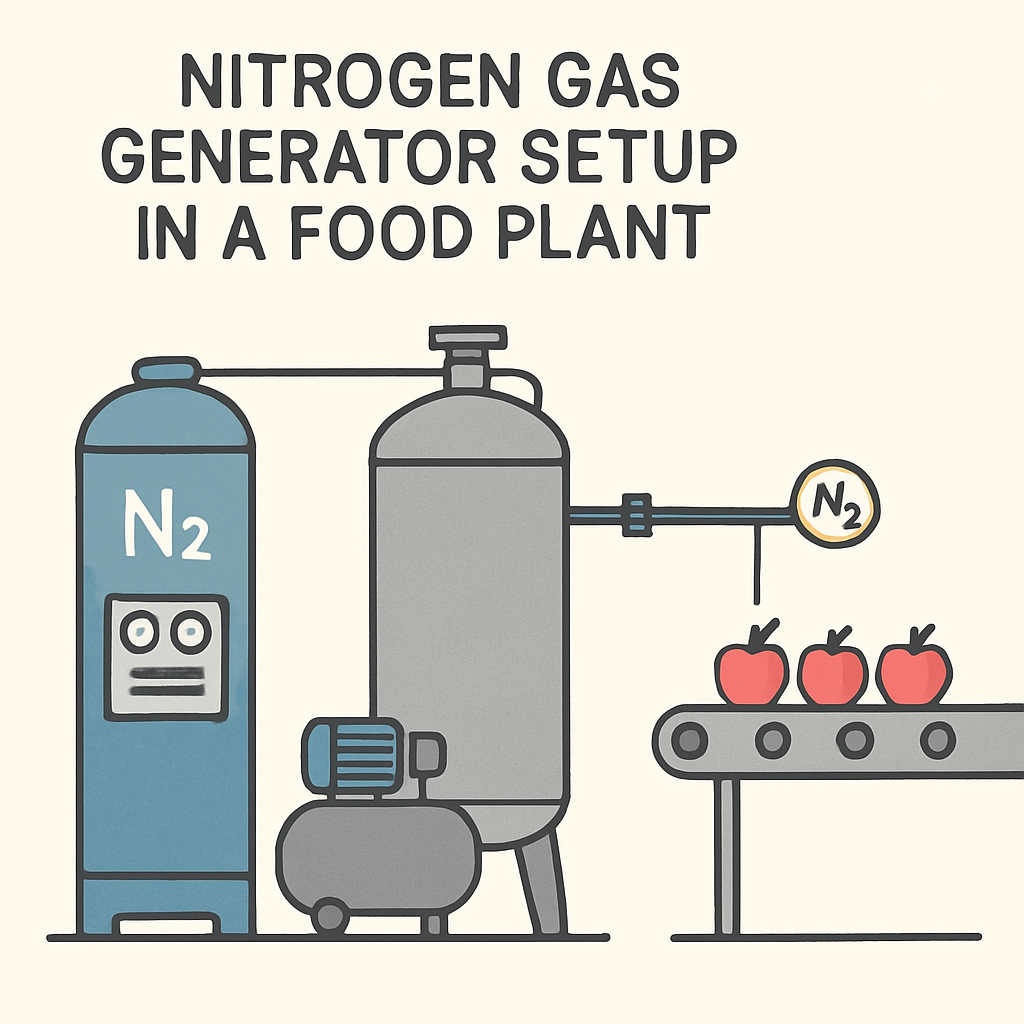
Cost Savings of On-Site Nitrogen Generation in Food Plants

In the competitive world of food production, efficiency and cost-effectiveness are crucial. One way that food plants can achieve significant cost savings is by switching to on-site nitrogen generation. This process involves using a nitrogen gas generator to produce nitrogen directly at the facility, rather than relying on traditional delivery methods. In this article, we will explore the benefits of on-site nitrogen generation and how it can lead to substantial savings for food plants. On-site gas generation refers to the production of gases like nitrogen directly at the locati0n where they are used. Instead of receiving regular deliveries of nitrogen tanks or cylinders, a food plant can produce its own nitrogen using specialized equipment. This method has several advantages, particularly in terms of cost and efficiency. The Role of Nitrogen in Food Production Nitrogen plays a vital role in food production. It is commonly used for packaging, preserving freshness, and preventing oxidation. Without nitrogen, many food products would have a shorter shelf life and reduced quality. Traditionally, food plants have relied on external suppliers to deliver nitrogen, but on-site generation offers a more sustainable and economical solution. Financial Benefits of On-Site Nitrogen Generation Switching to on-site nitrogen generation can lead to significant cost savings for food plants. Here are some of the key financial benefits: Reduced Delivery Costs One of the most immediate savings comes from eliminating the need for nitrogen deliveries. Transporting gas cylinders can be expensive, especially for facilities located far from suppliers. By generating nitrogen on-site, food plants can cut out these delivery costs entirely. Lower Storage and Handling Expenses Traditional nitrogen delivery requires adequate storage space for gas cylinders, as well as equipment for handling and transferring the gas. On-site generation systems are typically more compact and require less storage space. This reduction in storage needs can result in lower operational expenses. Stable and Predictable Pricing When relying on external suppliers, food plants are subject to fluctuating gas prices. These price changes can make budgeting difficult. On-site nitrogen generation provides a more predictable cost structure, allowing for better financial planning and stability. Operational Advantages Beyond cost savings, on-site nitrogen generation offers several operational benefits that can enhance the efficiency of a food plant. Continuous Supply of Nitrogen Having a nitrogen gas generator on-site ensures a constant supply of nitrogen, reducing the risk of running out of gas during critical production times. This continuous availability supports uninterrupted operations and minimizes downtime. Customizable Nitrogen Purity Levels Different food production processes may require varying levels of nitrogen purity. On-site generators can be adjusted to produce nitrogen at the specific purity level required, ensuring optimal conditions for each process without needing multiple suppliers. Enhanced Safety and Reduced Environmental Impact Reducing the need for transportation and storage of high-pressure gas cylinders improves safety conditions within the plant. Moreover, on-site generation reduces the carbon footprint associated with delivery trucks, contributing to a more environmentally sustainable operation.

PSA Nitrogen Generators
nitrogen generator

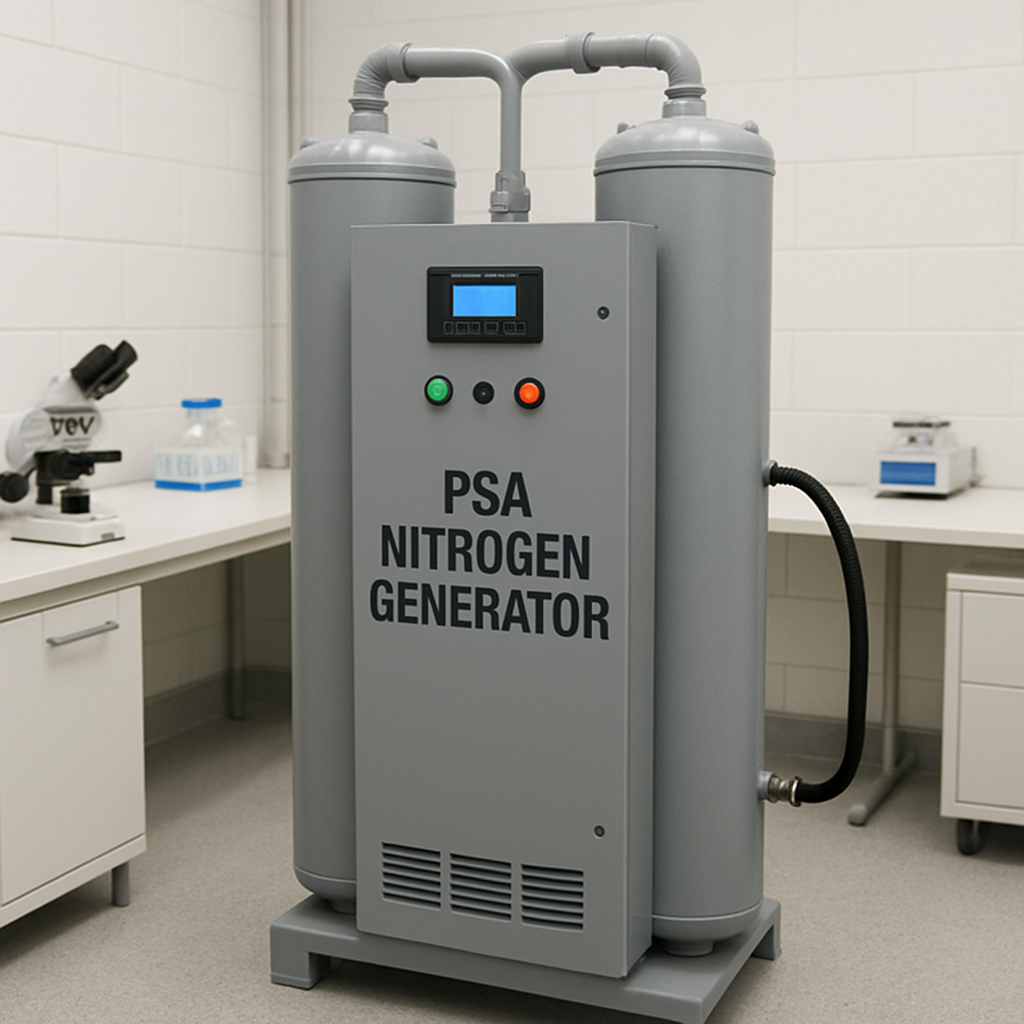
How PSA Nitrogen Generators Improve LC-MS MS Lab Efficiency

In the fast-paced world of analytical laboratories, efficiency is key. Laboratories using Liquid Chromatography-Mass Spectrometry (LC-MS MS) need reliable and consistent nitrogen supplies for optimal performance. This is where Pressure Swing Adsorption (PSA) nitrogen generators come into play, offering a cost-effective and efficient solution for lab operations. Understanding PSA Nitrogen Generators What Are PSA Nitrogen Generators? PSA nitrogen generators are systems designed to produce high-purity nitrogen gas by separating it from the air. They operate on the principle of pressure swing adsorption, which involves the use of adsorbent materials to capture nitrogen molecules while allowing other gases to pass through. How Do PSA Nitrogen Generators Work? The technology behind PSA nitrogen generators is both fascinating and practical. The process begins with compressed air being fed into the generator. Inside, the air passes through a vessel containing an adsorbent material that selectively adsorbs oxygen, carbon dioxide, and other trace gases, leaving nitrogen behind. The system alternates between adsorption and desorption phases, ensuring a continuous supply of nitrogen. Benefits of PSA Nitrogen Generators for LC-MS MS Labs Enhanced Efficiency and Consistency One of the primary benefits of using PSA nitrogen generators in LC-MS MS labs is the increased efficiency they provide. Traditional nitrogen delivery methods, such as gas cylinders, can lead to interruptions and inconsistencies in supply. PSA nitrogen generators, on the other hand, offer a continuous and reliable source of nitrogen, eliminating downtime and enhancing overall lab productivity. Cost-Effective Solution Investing in PSA nitrogen generators can lead to significant cost savings over time. While the initial setup may require an investment, the long-term benefits outweigh the costs. Labs no longer need to rely on external suppliers for nitrogen, which reduces ongoing expenses related to cylinder rentals, deliveries, and storage. This not only cuts costs but also simplifies logistics and inventory management. Improved Safety and Environmental Impact Safety is a top priority in any lab setting. PSA nitrogen generators enhance safety by reducing the risk associated with handling and storing high-pressure gas cylinders. Additionally, by generating nitrogen on-site, labs can minimize their carbon footprint and contribute to a more sustainable environment. Implementing PSA Nitrogen Generators in Your Lab Assessing Your Lab’s Needs Before implementing PSA nitrogen generators, it’s essential to assess your lab’s specific needs. Consider the volume of nitrogen required, the purity level necessary for your applications, and the available space for installation. Collaborating with a reputable supplier can help you determine the best system for your requirements. Installation and Maintenance The installation of PSA nitrogen generators is a straightforward process that can be completed with minimal disruption to lab operations. Once installed, these systems require routine maintenance to ensure optimal performance. Regular checks and filter replacements are essential to keep the generator running efficiently and to extend its lifespan. by NOAA (https://unsplash.com/@noaa) Training and Support

nitrogen generator

nitrogen generator for chemical manufacturing

In the bustling world of chemical manufacturing, efficiency and safety are paramount. Among the many tools that chemical plants rely on, nitrogen generators have become indispensable. But what exactly is a nitrogen generator, and why is it so crucial in chemical manufacturing? This article delves into the significance of nitrogen generators, their functionality, and their benefits in the chemical industry. A nitrogen generator is a device that produces nitrogen gas from the air. Ambient air is composed of 78% nitrogen, 21% oxygen, and trace gases. Nitrogen generators separate the nitrogen from other gases, providing a continuous supply of pure nitrogen. This is achieved through two primary technologies: Pressure Swing Adsorption (PSA) and Membrane Technology. Pressure Swing Adsorption (PSA) PSA is a process that separates nitrogen from other gases by using adsorbent materials. These materials have a high affinity for oxygen and other trace gases, allowing nitrogen to pass through. The system operates in cycles, where adsorbents are regenerated to release the captured gases and are ready for the next cycle. Membrane Technology This technology uses semi-permeable membranes to separate nitrogen from compressed air. The membranes allow smaller molecules like oxygen and water vapor to pass through, leaving a high concentration of nitrogen gas. Membrane technology is generally more compact and requires less maintenance than PSA systems. Importance of Nitrogen Generators in Chemical Manufacturing Chemical manufacturing involves reactions that can be highly sensitive to oxygen and moisture. Here’s why nitrogen generators are vital: Inert Atmosphere Creation Many chemical processes require an inert atmosphere to prevent unwanted reactions. Nitrogen, being a non-reactive gas, is ideal for creating such environments. This is crucial in preventing oxidation, reducing fire risks, and ensuring product quality. Purging and Blanketing Nitrogen is used to purge systems of hazardous gases and to blanket chemical storage tanks. This prevents contact with atmospheric oxygen, which can lead to contamination or dangerous reactions. Nitrogen blanketing is especially important in storing volatile chemicals. Cost Efficiency Using nitrogen generators on-site is more cost-effective than purchasing bottled nitrogen. It eliminates the logistics of transportation and storage, ensuring a constant supply of nitrogen gas without interruptions. Environmental Benefits On-site nitrogen generation reduces the carbon footprint associated with the transportation and handling of gas cylinders. It also minimizes the risk of gas leaks and accidents during transit. How to Choose the Right Nitrogen Generator for Your Plant Selecting the right nitrogen generator depends on several factors: Purity Requirements Chemical processes have specific purity requirements for nitrogen. Ensure the generator can produce nitrogen at the required purity level, whether it’s 95% or 99.999%.

nitrogen generator

How Nitrogen Enhances Beverage Quality

In the world of beverages, the quest for perfection never ends. From the fizz in your soda to the frothy head on your beer, every detail counts. One of the unsung heroes in this pursuit of excellence is nitrogen. This invisible gas plays a crucial role in elevating the quality of beverages, enhancing both taste and texture. Let’s delve into how nitrogen makes this possible and why it’s an essential component for beverage factories. The Role of Nitrogen in Beverages Nitrogen is often associated with its more famous cousin, carbon dioxide, when it comes to beverages. However, nitrogen has its unique properties that make it indispensable in certain drinks. Unlike carbon dioxide, nitrogen is less soluble in water, which means it creates a different kind of fizz and texture. The Science Behind Nitrogen Nitrogen is an inert gas, meaning it doesn’t react with other substances easily. This quality makes it perfect for preserving the flavor of beverages without altering their original taste. When introduced into a drink, nitrogen creates smaller bubbles compared to carbon dioxide, leading to a smoother, creamier mouthfeel. Applications in Different Beverages Nitrogen Generation Systems for Beverage Factories Given the importance of nitrogen in enhancing beverage quality, having a reliable nitrogen supply is crucial for beverage factories. This is where nitrogen generation systems come into play. What is a Nitrogen Generator? A nitrogen generator is a device that produces nitrogen gas from the air. It separates nitrogen from other gases using various methods such as Pressure Swing Adsorption (PSA) or membrane technology. This ensures a consistent and pure supply of nitrogen, tailored to the specific needs of the factory. Benefits of On-Site Nitrogen Generation Implementing a Nitrogen Generation System Integrating a nitrogen generation system into a beverage factory requires careful planning and consideration. Here are some steps to guide the process: Assessing Your Needs Before investing in a nitrogen generator, it’s essential to evaluate the specific needs of your production line. Consider factors such as the volume of production, the types of beverages produced, and the desired nitrogen purity. Choosing the Right System There are different types of nitrogen generation systems available. Understanding the technology behind each option, such as PSA or membrane systems, can help in selecting the right one for your factory. Each system has its advantages, and the choice may depend on factors like budget, space, and desired efficiency. Installation and Maintenance Once you’ve chosen a system, professional installation is crucial to ensure optimal performance. Regular maintenance is also necessary to keep the system running smoothly and to prevent any disruptions in production. by Georg Eiermann (https://unsplash.com/@georgeiermann)

nitrogen generator

How Nitrogen Generation Plants Improve Efficiency

In today’s fast-paced industrial landscape, efficiency is the name of the game. Whether you’re in manufacturing, pharmaceuticals, or food processing, the demand for cost-effective and reliable processes is unrelenting. One technology that stands out in this quest for efficiency is the nitrogen generation plant. But what exactly are these plants, and how do they contribute to enhanced operational efficiency? Let’s dive in. Nitrogen generation plants are facilities designed to produce nitrogen gas on-site. Unlike traditional methods, which rely on external suppliers to deliver nitrogen in liquid or compressed gas forms, these plants allow companies to generate their own nitrogen. This shift from supplier dependency to self-sufficiency can bring about significant operational advantages. How They Work The basic principle behind a nitrogen generation plant is relatively straightforward. These systems generally employ methods like Pressure Swing Adsorption (PSA) or membrane technology to separate nitrogen from the ambient air. This process involves filtering out other gases, such as oxygen and carbon dioxide, leaving behind pure nitrogen gas. Benefits of On-Site Nitrogen Generation The decision to invest in a nitrogen generation plant is often driven by several key benefits that align with operational efficiency goals. Cost Savings One of the most compelling reasons for adopting an on-site nitrogen generation system is cost savings. Traditional nitrogen supply chains involve purchasing liquid nitrogen or gas cylinders, which can be costly over time. By producing nitrogen on-site, companies can significantly reduce expenses associated with purchasing, transportation, and storage. Continuous Supply Relying on external suppliers for nitrogen can lead to supply chain disruptions. On-site nitrogen generation plants eliminate this risk by providing a continuous, uninterrupted supply of nitrogen gas. This ensures that your operations are never halted due to a lack of essential resources. Improved Safety Handling and storing large volumes of liquid nitrogen or compressed gas cylinders pose safety risks. On-site nitrogen generation reduces these hazards by minimizing the need for transporting and storing nitrogen in hazardous forms. Moreover, the systems are designed with built-in safety features to ensure smooth and secure operation. Enhanced Environmental Responsibility Nitrogen generation plants contribute to a reduced carbon footprint. By eliminating the need for transportation and reducing energy consumption associated with production and delivery, these systems support sustainable practices. This is increasingly important for companies looking to align with environmental regulations and corporate social responsibility goals. Applications Across Industries by James Baltz (https://unsplash.com/@jimbob63) The versatility of nitrogen generation plants makes them suitable for a wide range of industrial applications. Let’s explore how different sectors benefit from this technology. Food and Beverage In the food and beverage industry, nitrogen is crucial for packaging and preserving freshness. Modified atmosphere packaging, which involves replacing oxygen with nitrogen, extends the shelf life of perishable goods. On-site nitrogen generation ensures that food processors have a reliable and cost-effective supply of nitrogen for their packaging needs. Pharmaceuticals

nitrogen generator

What’s Nitrogen and Oxygen Generators

In the world of industrial applications, the need for gases like nitrogen and oxygen is paramount. From food packaging to pharmaceuticals, and even in aerospace, these gases play crucial roles. But how do industries obtain these gases in a pure and efficient form? Enter nitrogen and oxygen generators. These generators are sophisticated devices designed to extract and deliver nitrogen and oxygen from the air. They ensure a constant supply of these essential gases without the hassle of ordering and storing gas cylinders. In this article, we’ll delve into the workings of nitrogen and oxygen generators, their benefits, and why they might be the right choice for your business. Understanding Gas Generators At their core, gas generators are systems that separate and purify gases from the air. The air we breathe contains about 78% nitrogen and 21% oxygen, with trace amounts of other gases. Gas generators capitalize on this abundance, isolating and concentrating the desired gas for use in various applications. How Nitrogen Generators Work Nitrogen generators primarily employ two methods: Pressure Swing Adsorption (PSA) and membrane technology. Pressure Swing Adsorption (PSA) PSA technology relies on a material called a molecular sieve. This material adsorbs oxygen, carbon dioxide, and moisture from compressed air, leaving behind a stream of high-purity nitrogen. The system operates in cycles, switching between adsorption and regeneration phases to ensure continuous nitrogen production. Membrane Technology Membrane nitrogen generators use semi-permeable membranes to separate nitrogen from the air. These membranes allow oxygen and water vapor to pass through, while nitrogen molecules remain. The result is a continuous stream of nitrogen, albeit typically at a slightly lower purity compared to PSA systems. How Oxygen Generators Work Oxygen generators also utilize PSA technology, but with a different type of molecular sieve specifically designed to adsorb nitrogen. By removing nitrogen and other trace gases, these generators deliver a high-purity oxygen stream. Advantages of Using Nitrogen and Oxygen Generators Opting for nitrogen and oxygen generators offers several advantages over traditional gas supply methods: Cost-Effective While the initial investment in a gas generator can be significant, the long-term savings are substantial. By producing gases on-site, businesses eliminate the recurring costs associated with purchasing and transporting gas cylinders. Continuous Supply Generators provide a reliable and constant gas supply. This is crucial for industries where gas availability is critical to maintaining operations, such as in manufacturing or healthcare. Increased Safety Handling and storing large quantities of gas cylinders can pose safety risks. On-site gas generation minimizes these risks, reducing the potential for leaks or accidents.

nitrogen generator

Advantages of Membrane Nitrogen Generators Explained

# Advantages of Membrane Nitrogen Generators Explained In today’s fast-paced industrial world, the need for reliable and efficient nitrogen gas production is more critical than ever. Industries ranging from food packaging to pharmaceuticals rely on nitrogen for various applications. One of the most effective and modern methods of generating nitrogen gas is through membrane nitrogen generators. This article explores the advantages of membrane nitrogen generators, a technology that is transforming how businesses access this vital gas. Before diving into the benefits, it’s important to understand how membrane gas separation works. This process involves using a membrane—a selective barrier that separates different gases based on their molecular size and properties. When air passes through the membrane, nitrogen is separated from other gases, like oxygen and carbon dioxide, providing a high-purity nitrogen output. How Do Membrane Nitrogen Generators Work? Membrane nitrogen generators utilize the principle of membrane gas separation. These systems consist of a bundle of hollow fibers made from advanced polymer materials. Compressed air is introduced into the system, and as it moves through the fibers, nitrogen is separated from other gases. The Key Components Advantages of Membrane Nitrogen Generators Efficiency and Cost-Effectiveness One of the primary advantages of membrane nitrogen generators is their efficiency. They provide an on-demand nitrogen supply, eliminating the need for expensive and cumbersome nitrogen cylinders. This reduces logistics costs and the need for frequent deliveries, ultimately saving money. Space-Saving Design Membrane nitrogen generators are compact and require less space compared to traditional nitrogen generation methods. This is particularly beneficial for facilities with limited floor space. Their modular design allows for easy integration into existing systems without requiring extensive modifications. Consistent Nitrogen Purity Membrane systems offer consistent nitrogen purity levels, typically ranging from 95% to 99.9%. This consistency is crucial for applications where precise nitrogen purity is essential, such as in the food and beverage industry, where nitrogen is used to preserve freshness and prevent oxidation. Low Maintenance Requirements Another significant benefit is the low maintenance requirements of membrane nitrogen generators. They have fewer moving parts, which reduces the likelihood of mechanical failures. The main maintenance task is replacing the air filters periodically, making it a hassle-free solution for businesses. Environmental Benefits Membrane nitrogen generators are environmentally friendly as they produce nitrogen from the air, a renewable resource. Additionally, they consume less energy compared to other nitrogen generation methods, which helps reduce the carbon footprint of industrial operations. Applications of Membrane Nitrogen Generators Food and Beverage Industry In the food and beverage industry, nitrogen is used to extend the shelf life of products by preventing oxidation. Membrane nitrogen generators provide a reliable and cost-effective source of nitrogen for packaging applications.

Scroll to Top