Author name: N2 generator

nitrogen generators 30l/min
nitrogen generator

Advantages of 30L/min Nitrogen Generators

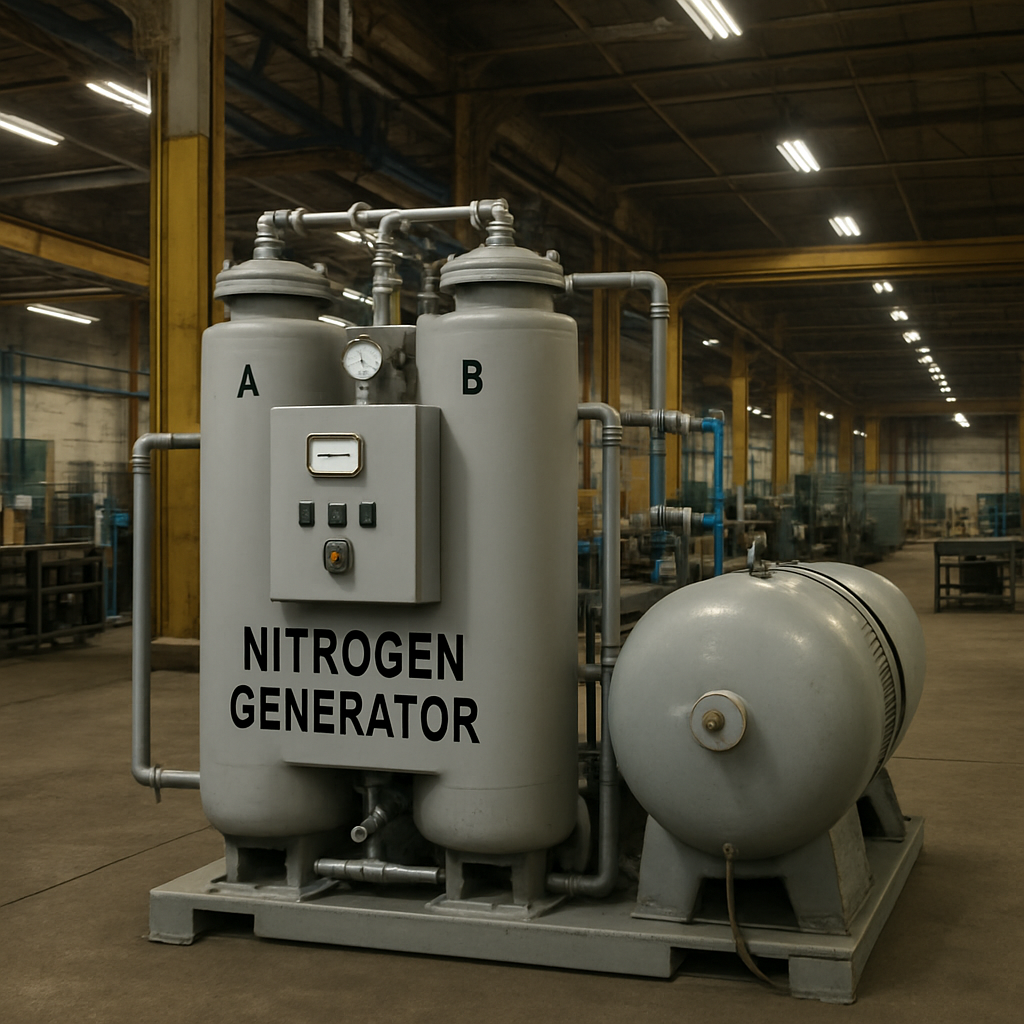
# Advantages of 30L/min Nitrogen Generators In today’s fast-paced industrial world, efficiency and reliability are key. One piece of equipment that has become increasingly important is the nitrogen generator. Specifically, a nitrogen generator that can produce 30 liters per minute offers numerous advantages. Whether you’re in manufacturing, food packaging, or laboratory work, understanding these benefits can help you decide if a 30L/min nitrogen generator is right for your needs. What is a Nitrogen Generator? A nitrogen generator is a device that separates nitrogen from the air and supplies it on demand. While there are various types of nitrogen generators, including membrane and pressure swing adsorption (PSA) systems, they all serve the same basic purpose: to provide a continuous supply of nitrogen without the need for gas cylinders. How Does a 30L/min Nitrogen Generator Work? A 30L/min nitrogen generator works by filtering out oxygen and other gases from compressed air, leaving behind pure nitrogen. This process typically involves two main stages: air compression and nitrogen separation. The compressed air is passed through a series of filters and a nitrogen membrane or adsorbent material, resulting in a high-purity nitrogen output. Key Benefits of 30L/min Nitrogen Generators Understanding the specific advantages of a 30L/min nitrogen generator can help you make an informed decision for your business. Consistent Nitrogen Supply One of the primary advantages of a nitrogen generator is its ability to provide a consistent supply of nitrogen. Unlike gas cylinders, which need to be replaced or refilled regularly, a nitrogen generator can produce nitrogen continuously as long as it has access to air and electricity. This ensures that your operations can run smoothly without interruptions. Cost-Effective Solution While the initial investment for a nitrogen generator can be significant, it often proves to be more cost-effective in the long run. By producing nitrogen on-site, businesses can reduce or even eliminate the costs associated with purchasing and transporting gas cylinders. Additionally, maintenance costs for nitrogen generators are generally low, further enhancing their cost-effectiveness. Enhanced Safety Using nitrogen gas cylinders involves certain risks, including potential leaks and handling accidents. By contrast, a nitrogen generator minimizes these risks by producing nitrogen on demand and reducing the need for cylinder storage. This makes nitrogen generators a safer option for many industries. Environmentally Friendly Nitrogen generators offer an environmentally friendly alternative to traditional gas cylinders. By eliminating the need for cylinder deliveries and reducing emissions associated with transportation, businesses can lower their carbon footprint. Additionally, because nitrogen generators use air as their primary resource, they have a minimal environmental impact. Flexibility and Convenience A 30L/min nitrogen generator provides flexibility and convenience for various applications. Whether you need nitrogen for packaging, inerting, or laboratory analysis, a nitrogen generator can be easily integrated into your existing systems. Furthermore, it allows you to adjust the nitrogen purity and flow rate to suit your specific needs. Applications of 30L/min Nitrogen Generators Food and Beverage Industry […]
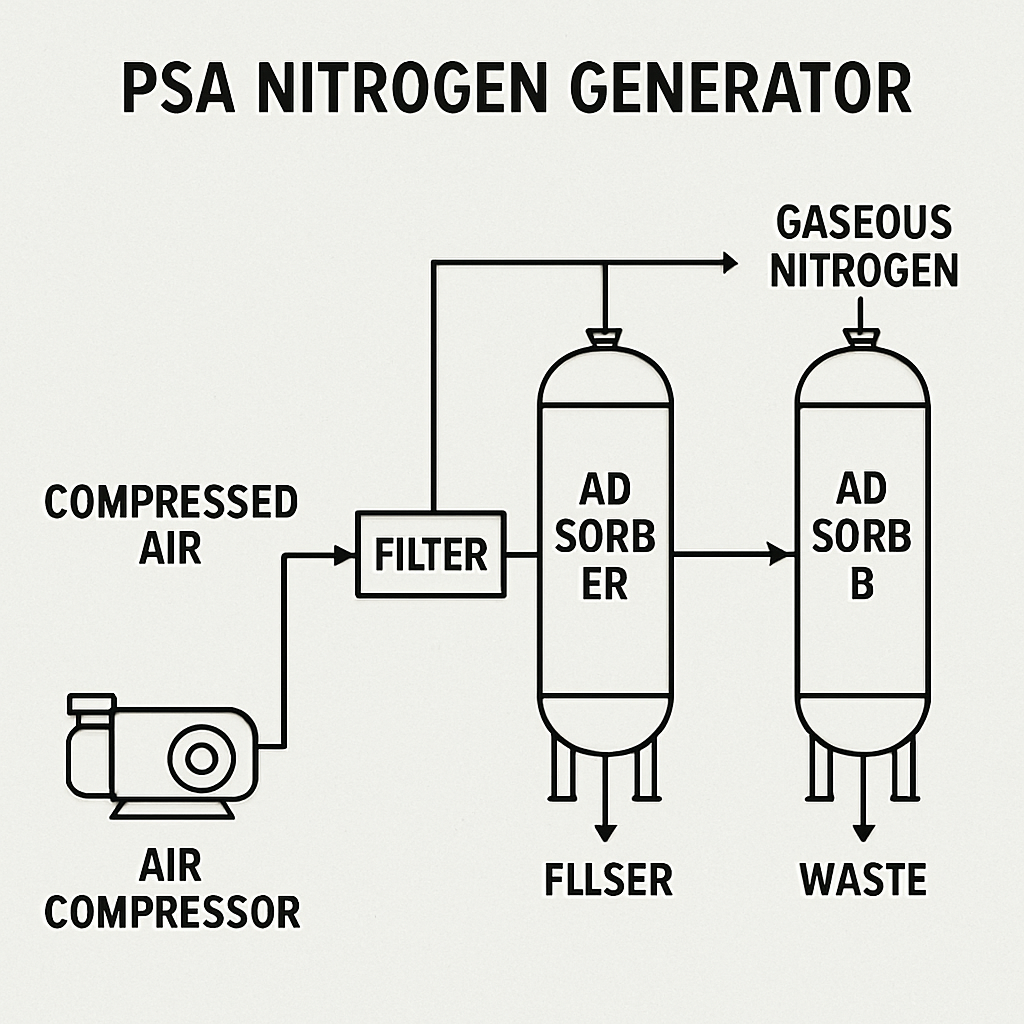
air to nitrogen ratio psa nitrogen generator
nitrogen generator

Air to Nitrogen Ratio psa Nitrogen Generator

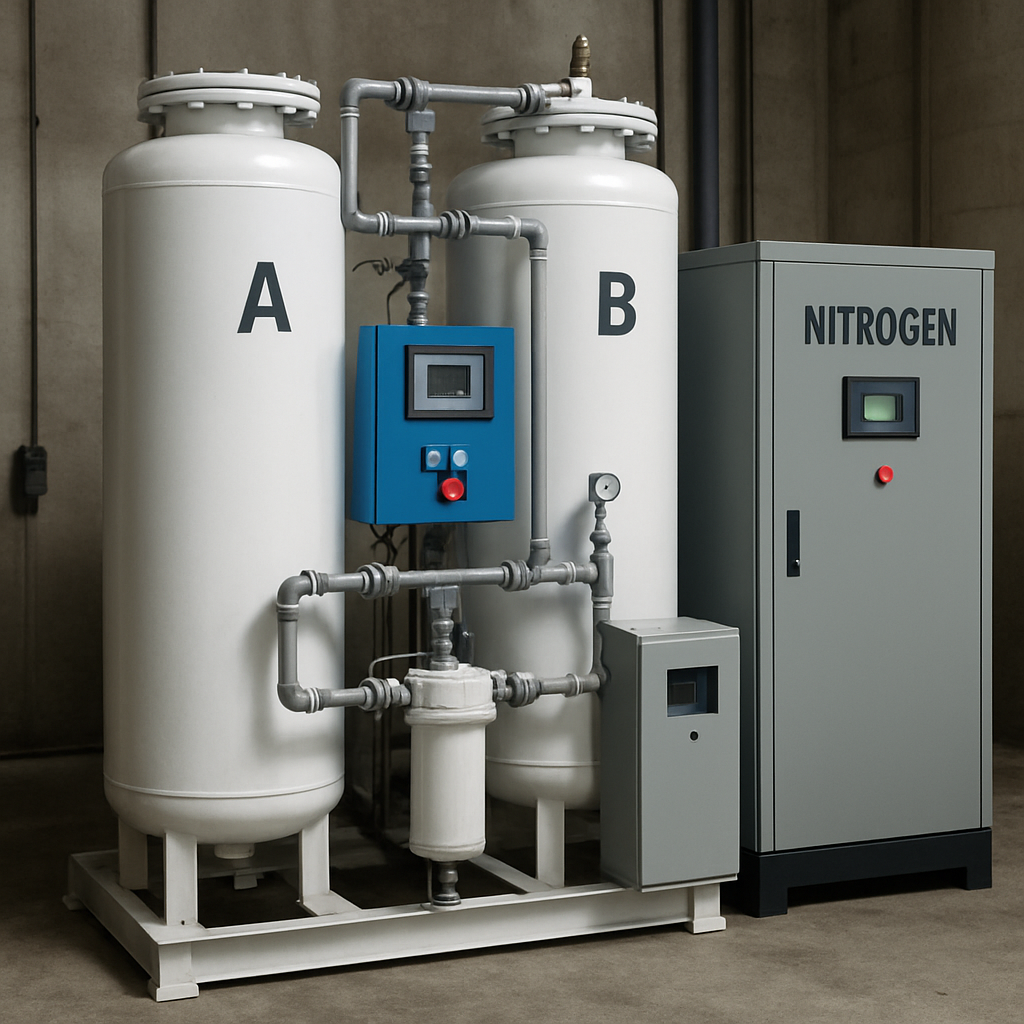
In today’s industrial landscape, the demand for nitrogen is ever-increasing. From food packaging to electronics manufacturing, nitrogen plays a crucial role. But how do industries obtain this essential gas efficiently? One popular method is through PSA (Pressure Swing Adsorption) nitrogen generators. Understanding the air to nitrogen ratio in these systems is vital for optimizing performance and ensuring cost-effectiveness. A PSA nitrogen generator is a device that separates nitrogen from the air. It works by using a special material called a carbon molecular sieve. This material adsorbs oxygen, carbon dioxide, and other impurities, allowing nitrogen to pass through as the primary product. How PSA Technology Works The process begins with air intake. The air is compressed and passed through a series of filters to remove dust and other particles. Once cleaned, the air enters the PSA unit, where the carbon molecular sieve does its job. By alternating between two towers filled with this sieve material, the system can continuously produce nitrogen while regenerating the sieve in the idle tower. Key Benefits of PSA Nitrogen Generators Understanding the Air to Nitrogen Ratio The air to nitrogen ratio is a critical factor that determines the efficiency and output of a PSA nitrogen generator. This ratio refers to the amount of air required to produce a specific amount of nitrogen. Why is the Air to Nitrogen Ratio Important? How to Calculate the Air to Nitrogen Ratio Calculating this ratio involves understanding the flow rates of both air and nitrogen. Typically, manufacturers provide specifications for their equipment, which include the optimal air to nitrogen ratio. This can vary based on the desired purity of nitrogen. For example, a lower purity level might require a higher air to nitrogen ratio, as more air is needed to achieve the desired concentration of nitrogen. Factors Affecting the Air to Nitrogen Ratio Several factors can influence this ratio, including: Optimizing the Air to Nitrogen Ratio To achieve the best performance from a PSA nitrogen generator, it’s crucial to monitor and adjust the air to nitrogen ratio based on real-time operating conditions. This can involve: Applications of PSA Nitrogen Generators by NAIS (https://unsplash.com/@naisru) The versatility of PSA nitrogen generators makes them suitable for a wide range of industries. Some common applications include: Food and Beverage Industry Nitrogen is used to displace oxygen in packaging, extending the shelf life of products. A properly calibrated air to nitrogen ratio ensures that nitrogen purity meets food safety standards.

nitrogen generator

Essential Specifications for Nitrogen Generators

# Essential Specifications for Nitrogen Generators In the world of industrial applications, nitrogen generators play a crucial role by providing a consistent and on-demand supply of nitrogen gas. Whether you’re involved in food packaging, electronics manufacturing, or chemical processing, understanding the specifications of nitrogen generators can help you make informed decisions. Let’s dive into the essential specifications you need to consider when selecting a nitrogen generator. One of the most critical specifications to evaluate is the capacity of the nitrogen generator. But what does capacity really mean in this context? Defining Capacity Nitrogen generator capacity refers to the amount of nitrogen gas that the generator can produce over a specific period, typically measured in cubic feet per hour (CFH) or liters per minute (LPM). The required capacity will depend largely on your specific application needs. For instance, a small laboratory may require a lower capacity generator compared to a large-scale industrial operation that uses nitrogen gas in bulk. Assessing Your Needs Before choosing a nitrogen generator, assess your nitrogen consumption needs. Consider factors like peak usage times, total nitrogen demand, and any potential future expansion. A generator with insufficient capacity can lead to operational disruptions, while one with excessive capacity could increase unnecessary costs. Key Specifications of Nitrogen Generators When examining nitrogen generators, several specifications beyond capacity are crucial to ensure optimal performance and efficiency. Purity Levels Nitrogen purity is a vital specification, especially in industries where contamination can affect product quality, such as food and pharmaceuticals. Purity levels are typically expressed as a percentage, with common ranges from 95% to 99.999% depending on the application. Pressure Requirements The pressure at which nitrogen is delivered is another important consideration. Different applications require different pressure levels, and it’s essential to ensure that the generator can meet these requirements. Most nitrogen generators are designed to provide pressures from 5 psi to over 200 psi. Dew Point The dew point indicates the dryness of the nitrogen gas. A lower dew point means drier nitrogen, which is crucial in applications where moisture can cause problems, such as in electronics manufacturing. Check if the generator can provide a dew point suitable for your needs, typically ranging from -40°F to -94°F. Design Considerations for Nitrogen Generators While specifications are critical, the design of a nitrogen generator can also impact its usability and integration into existing systems. Size and Footprint by Simone Hutsch (https://unsplash.com/@heysupersimi)

nitrogen generator price
nitrogen generator

Understanding the Costs of Nitrogen Generators

Understanding the costs associated with nitrogen generators can be a daunting task, especially if you’re new to this industrial equipment. Nitrogen generators are crucial in many industries, from food packaging to pharmaceuticals, and understanding their pricing is key to making an informed purchasing decision. Let’s break down the costs involved, from initial purchase to ongoing maintenance, so you can determine the best option for your needs. Nitrogen generators are devices that produce nitrogen gas from atmospheric air. They use either Pressure Swing Adsorption (PSA) or Membrane technology to separate nitrogen from other gases. This equipment is essential for businesses that require a consistent and pure nitrogen supply, allowing them to eliminate the need for nitrogen gas deliveries. Factors Affecting Nitrogen Generator Prices Several factors influence the cost of nitrogen generators. Understanding these will help you evaluate your options better. Type of Nitrogen Generator The technology used in nitrogen generators significantly impacts their cost. PSA nitrogen generators tend to be more expensive due to their complex design and high purity output. Membrane nitrogen generators, while generally cheaper, may not provide the same level of purity. Capacity and Flow Rate The size and capacity of a nitrogen generator directly affect its price. Larger units with higher flow rates are more expensive, but they also produce more nitrogen. It’s essential to assess your nitrogen needs accurately to avoid overspending on a generator that’s too large or inefficient for your requirements. Purity Levels The required purity level of nitrogen gas can also influence the cost. Higher purity levels are necessary for industries like electronics and pharmaceuticals, where even a small amount of oxygen can be detrimental. Generators capable of producing high-purity nitrogen are typically more expensive. Brand and Quality Reputable brands often charge more for their nitrogen generators due to their proven track record and reliability. However, investing in a high-quality generator from a well-known manufacturer can save you money in the long run by reducing maintenance costs and downtime. Initial Purchase Cost The initial purchase cost of a nitrogen generator can range from a few thousand to several hundred thousand dollars, depending on the factors mentioned above. This cost typically includes the generator itself, installation, and initial setup. It’s crucial to get a detailed quote from the supplier, including any additional charges that may apply. Operating and Maintenance Costs Beyond the initial purchase price, operating and maintaining a nitrogen generator incurs ongoing costs. These should be factored into your overall budget. Energy Consumption Nitrogen generators require electricity to operate. The energy consumption will vary based on the size and type of generator. It’s important to consider the long-term energy costs, as they can significantly impact the total cost of ownership. Regular Maintenance Regular maintenance is essential to ensure that your nitrogen generator operates efficiently and has a long lifespan. Maintenance tasks may include replacing filters, checking for leaks, and servicing the compressor. Some suppliers offer maintenance packages, which can be a cost-effective way to manage these expenses.

Nitrogen Generator for Medicinal Manufacturing
nitrogen generator

Benefits of Nitrogen Generators in Pharmaceuticals

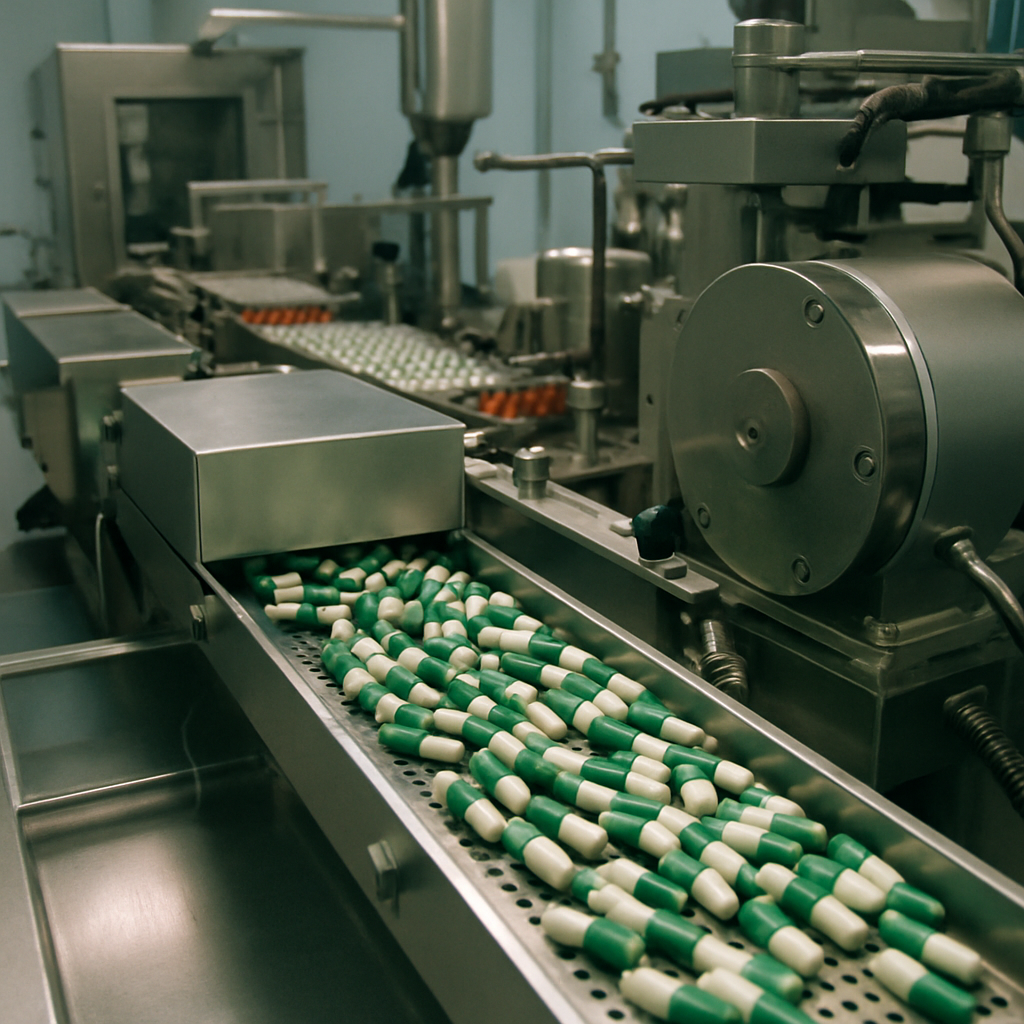
In the world of pharmaceuticals, ensuring product quality and safety is paramount. One of the key elements in achieving this is the use of nitrogen generators. These devices are invaluable in the pharmaceutical industry for several reasons, including maintaining product integrity, enhancing production efficiency, and ensuring compliance with safety standards. This article explores the benefits of nitrogen generators in pharmaceutical production, Nitrogen Generator for Medicinal Manufacturing and why they are essential for medicinal manufacturing. What Is a Nitrogen Generator? A nitrogen generator is a device that separates nitrogen gas from the air to provide a consistent and pure supply of nitrogen. Unlike traditional methods of obtaining nitrogen, such as using compressed gas cylinders, nitrogen generators offer a more efficient and reliable solution. They work by filtering out oxygen and other gases from the air, leaving behind high-purity nitrogen gas. How Does Nitrogen Generator for Medicinal Manufacturing work? Nitrogen generators typically use one of two technologies: Pressure Swing Adsorption (PSA) or Membrane Technology. The Role of Nitrogen Generator for Medicinal

Generator
generator

Understanding Generator Nitrogen: How They Work

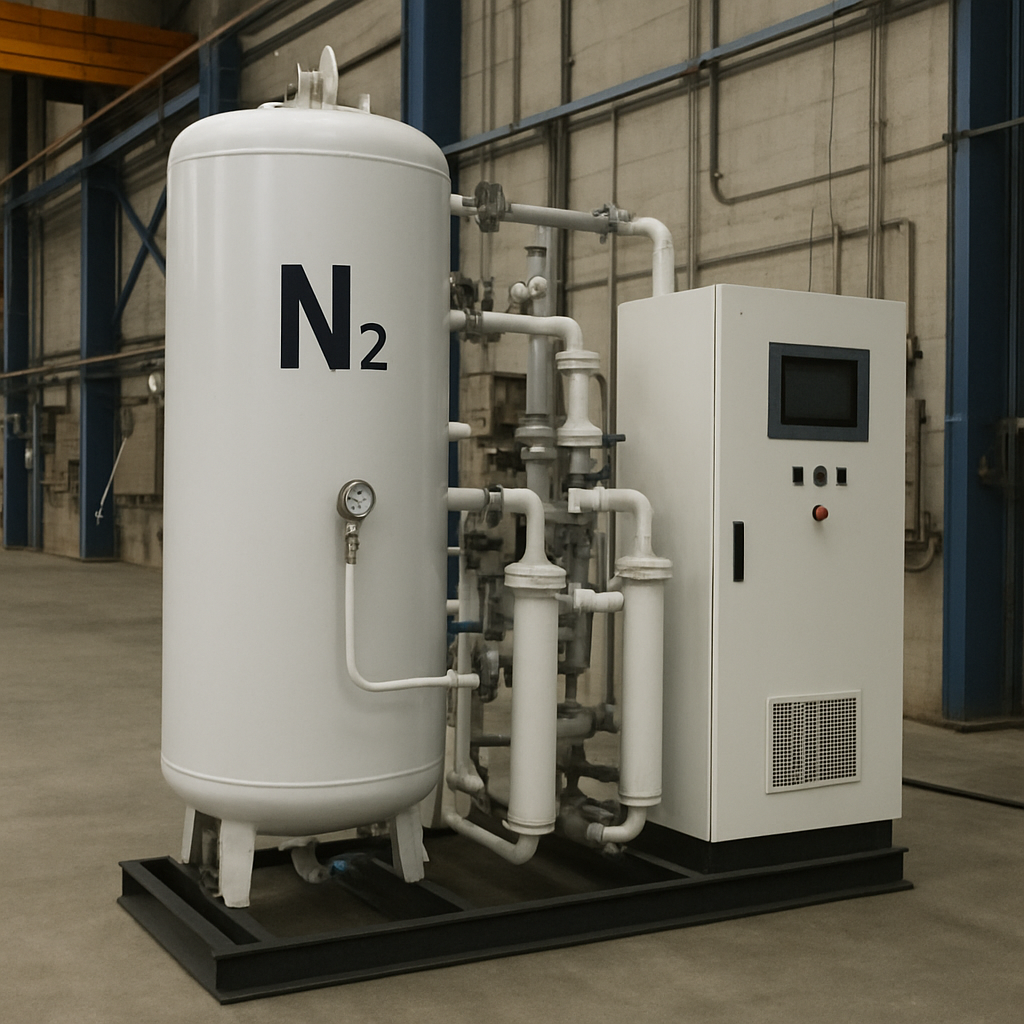
Nitrogen is an essential gas used in a variety of industries, from food packaging to electronics manufacturing. But how do we obtain nitrogen efficiently and cost-effectively? Enter the nitrogen generator. In this article, we’ll delve into what generator nitrogen is, how it works, and why it’s crucial for many industries. A nitrogen generator is a device that separates nitrogen molecules from other molecules in compressed air. This process creates a continuous supply of nitrogen gas for various applications. Unlike traditional methods of nitrogen supply, such as gas cylinders or liquid nitrogen tanks, nitrogen generators offer a more sustainable and cost-effective solution. Types of Nitrogen Generators There are two primary types of nitrogen generators: Pressure Swing Adsorption (PSA) and Membrane nitrogen generators. Each has its unique method of producing nitrogen gas. Pressure Swing Adsorption (PSA) Generators PSA nitrogen generators work by using a process called adsorption. In this process, air is passed through a vessel filled with carbon molecular sieve (CMS). The CMS adsorbs oxygen, carbon dioxide, and other gases, allowing nitrogen to pass through as the primary product. This method is highly efficient and provides high-purity nitrogen. Membrane Nitrogen Generators Membrane nitrogen generators use a different approach. They separate nitrogen from compressed air using a membrane bundle. The membrane allows nitrogen to pass through while other gases, such as oxygen, are vented out. Membrane generators are often preferred for applications requiring lower purity levels but still need a reliable nitrogen supply. How Does a Nitrogen Generator Work? The operation of a nitrogen generator is straightforward yet ingenious. Here’s a step-by-step breakdown of how it works: Step 1: Air Compression The process begins with air compression. Ambient air is drawn into a compressor where it’s compressed to the desired pressure. The compressed air acts as the raw material for nitrogen generation. Step 2: Air Filtration Once compressed, the air is filtered to remove impurities such as oil and dust. This step ensures that the generator operates efficiently and the end product is high-quality nitrogen gas. Step 3: Nitrogen Separation In PSA generators, the filtered air enters a vessel containing the carbon molecular sieve. The sieve adsorbs unwanted gases, allowing nitrogen to pass through. In membrane generators, the air is fed into the membrane module, where nitrogen is separated from other gases. Step 4: Nitrogen Collection The separated nitrogen gas is collected in a storage tank. From here, it can be distributed for various industrial applications. The purity of the nitrogen can be adjusted by controlling the flow rate and pressure during the generation process. Benefits of Using a Nitrogen Generator by NAIS (https://unsplash.com/@naisru)

chinese generator parts australia
generator

Chinese Generator Parts Australia

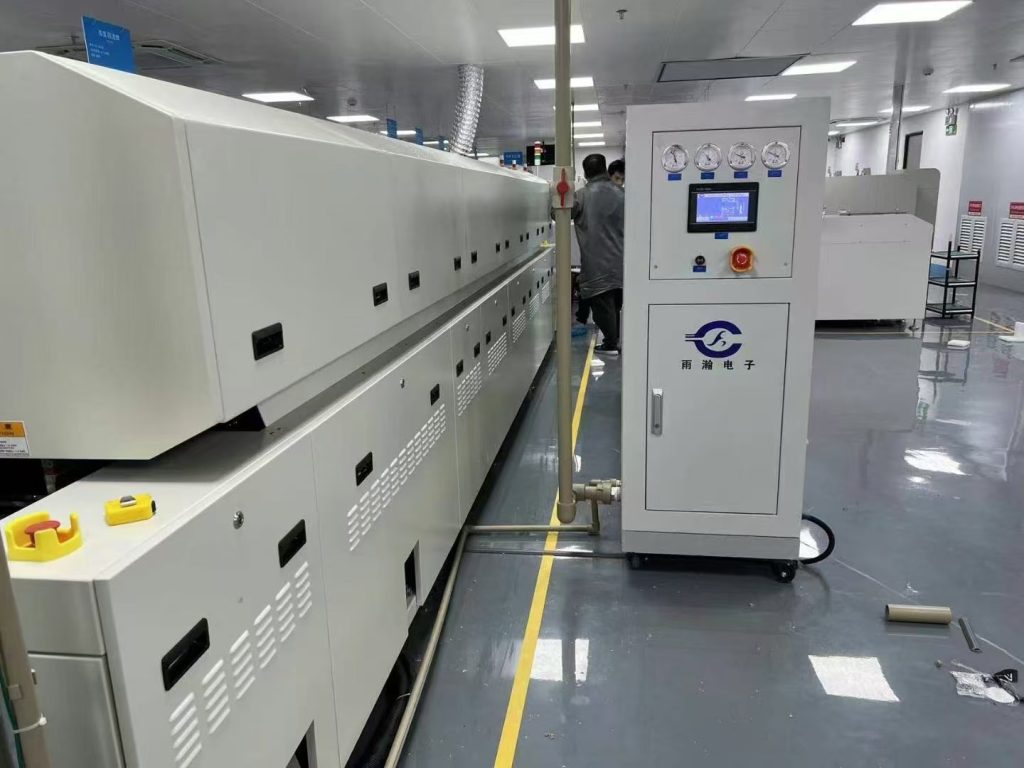
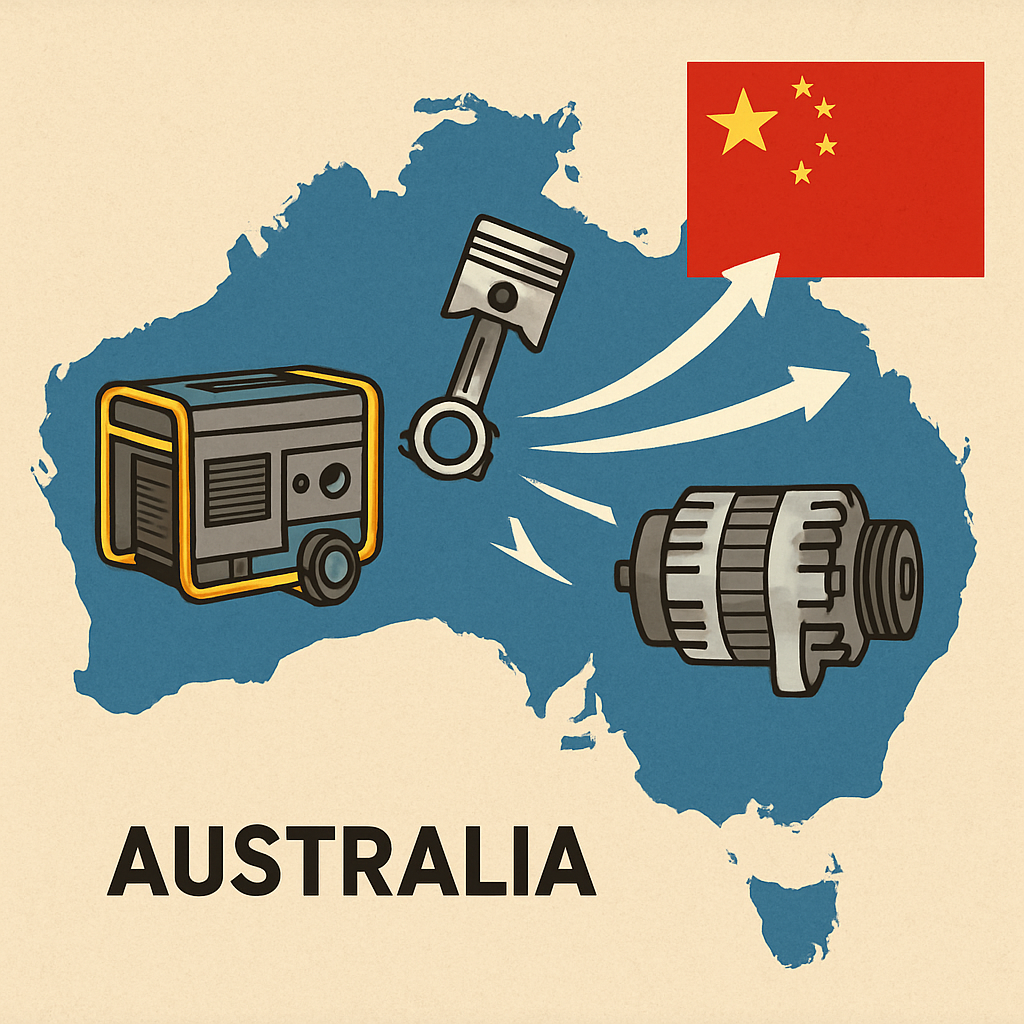
Now generators have become an essential tool for both households and businesses. They provide a reliable source of power during outages and are crucial for operations that cannot afford downtime. However, like any other machine, generators require maintenance and occasionally need parts replaced. This article will guide you through the importance of using quality generator parts, focusing on Chinese generator parts available in Australia, and offer insights into selecting the right components for your needs. Generators are complex machines that rely on the smooth functioning of various components. The quality of these components can significantly affect the generator’s performance and lifespan. Here’s why choosing the right parts is crucial: Why Chinese Generator Parts? Chinese manufacturers have made significant strides in the production of generator parts over recent years. Their parts are often more affordable than those from other regions, without compromising on quality. Here’s why considering Chinese generator parts could be beneficial: Availability of Chinese Generator Parts in Australia Australia has a growing market for generator parts, including those from Chinese manufacturers. Whether you’re looking for spare parts for a nitrogen generator or need components for a traditional generator, there are several avenues to explore. Where to Buy Key Considerations When Buying When searching for Chinese generator parts in Australia, it’s essential to consider the following factors to ensure you make the right purchase: Generator Repair and Maintenance Tips Maintaining your generator is crucial to ensuring it continues to function efficiently. Here are some tips for keeping your generator in top condition: Regular Inspection Conduct regular inspections to identify any wear and tear on parts. Early detection of issues can prevent more significant problems down the line. Scheduled Maintenance Follow the manufacturer’s guidelines for scheduled maintenance. This typically includes changing the oil, replacing filters, and checking the battery. Use of Quality Spare Parts Whenever a part needs replacing, use high-quality spare parts. This not only helps maintain performance but also extends the overall life of your generator. Professional Servicing Consider having your generator serviced by a professional at least once a year. A professional can conduct thorough checks and perform any necessary repairs to keep your generator running smoothly.

air compressor
air compressor

Essential Guide to Choosing an Air Compressor

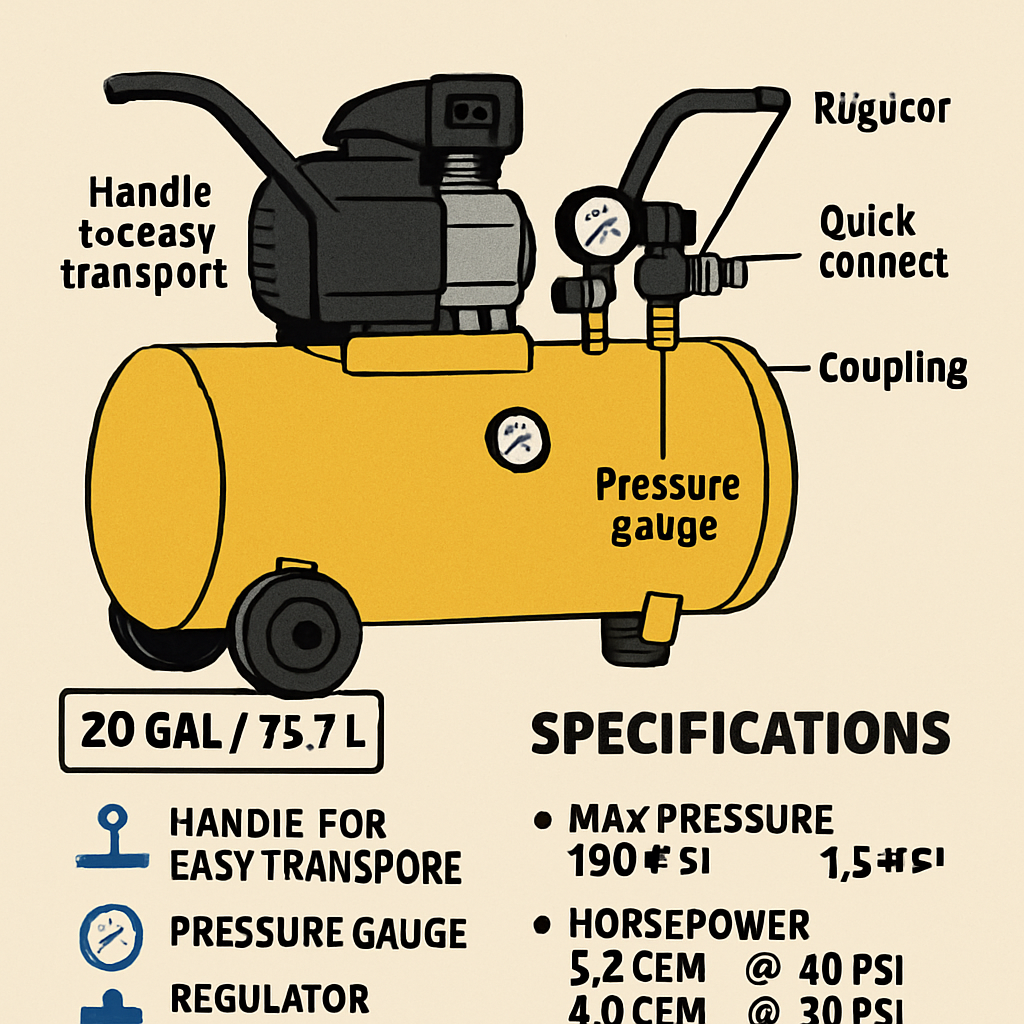
Air compressors are versatile tools used across various industries, from automotive to construction, and even in home workshops. They work by converting power into potential energy stored in pressurized air. This stored air can then be used to power a wide range of tools and equipment. The versatility of air compressors makes them indispensable for tasks such as inflating tires, painting, or operating pneumatic tools. Understanding the mechanics behind air compressors can enhance their use. Essentially, they increase the air pressure by reducing its volume, which allows them to deliver significant power with minimal energy expenditure. This efficiency is why they are favored in both professional settings and personal workshops. Their ability to adapt to different tasks by simply changing the attachments or tools is a big plus for users seeking multifunctionality. Types of Air Compressors There are several types of air compressors, each with its own unique features and applications: Key Considerations When Choosing an Air Compressor When selecting an air compressor, several factors should guide your decision. These considerations will ensure that the compressor meets your specific needs and enhances your productivity. Power Source Air compressors can be powered by electricity, gasoline, or diesel. Electric compressors are typically quieter and more efficient, making them suitable for indoor use. They are also easier to maintain since they do not require refueling. Gas air compressors, on the other hand, provide more mobility and are ideal for outdoor tasks. They offer the advantage of portability and independence from electrical outlets, which is particularly beneficial in remote areas or on construction sites. Tank Size The tank size of an air compressor determines how long your tools can run before the compressor needs to refill. For light tasks, a small tank may suffice. However, for more demanding applications, a larger tank is advisable. Larger tanks are more suitable for tasks that require a continuous air supply, such as spray painting or operating high-demand pneumatic tools. Choosing the right tank size can prevent interruptions during your work and increase efficiency. Portability If you need a compressor that can be easily moved around, consider a portable air compressor. These units are designed for easy transport and are perfect for on-the-go projects. Portability is a key feature for those who need to carry their compressors to different job sites or move them around within a workshop. Features such as wheels, handles, and compact designs can greatly enhance the ease of transportation. Noise Level Silent air compressors are specifically designed to operate quietly. If you’re working in a noise-sensitive environment, such as a home garage or workshop, a silent model would be ideal. Reducing noise can also be important for maintaining a comfortable work environment and adhering to noise regulations in residential areas. Oil vs. Oil-Free Air compressors can be either oil-lubricated or oil-free. Oil-lubricated compressors are typically more durable and quieter, but they require regular maintenance. They are well-suited for heavy-duty, continuous use. Oil-free compressors are less costly and require less maintenance, making them suitable for occasional use. They are ideal for tasks where cleanliness is paramount, such as in food processing or medical equipment. PSI and CFM Ratings The PSI (pounds per square inch) and CFM (cubic feet per minute) ratings are crucial when choosing an air compressor. The PSI indicates the maximum pressure the compressor can deliver, while the CFM measures the volume of air it can produce. Make sure the compressor’s ratings match the requirements of the tools you plan to use. Higher CFM ratings are necessary for tools that consume a lot of air, like sanders or grinders, while a higher PSI is essential for tasks that require more force, such as inflating tires or powering nail guns. Popular Air Compressor Brands by Sebastian Huxley (https://unsplash.com/@sebastianhuxley)

Scroll to Top