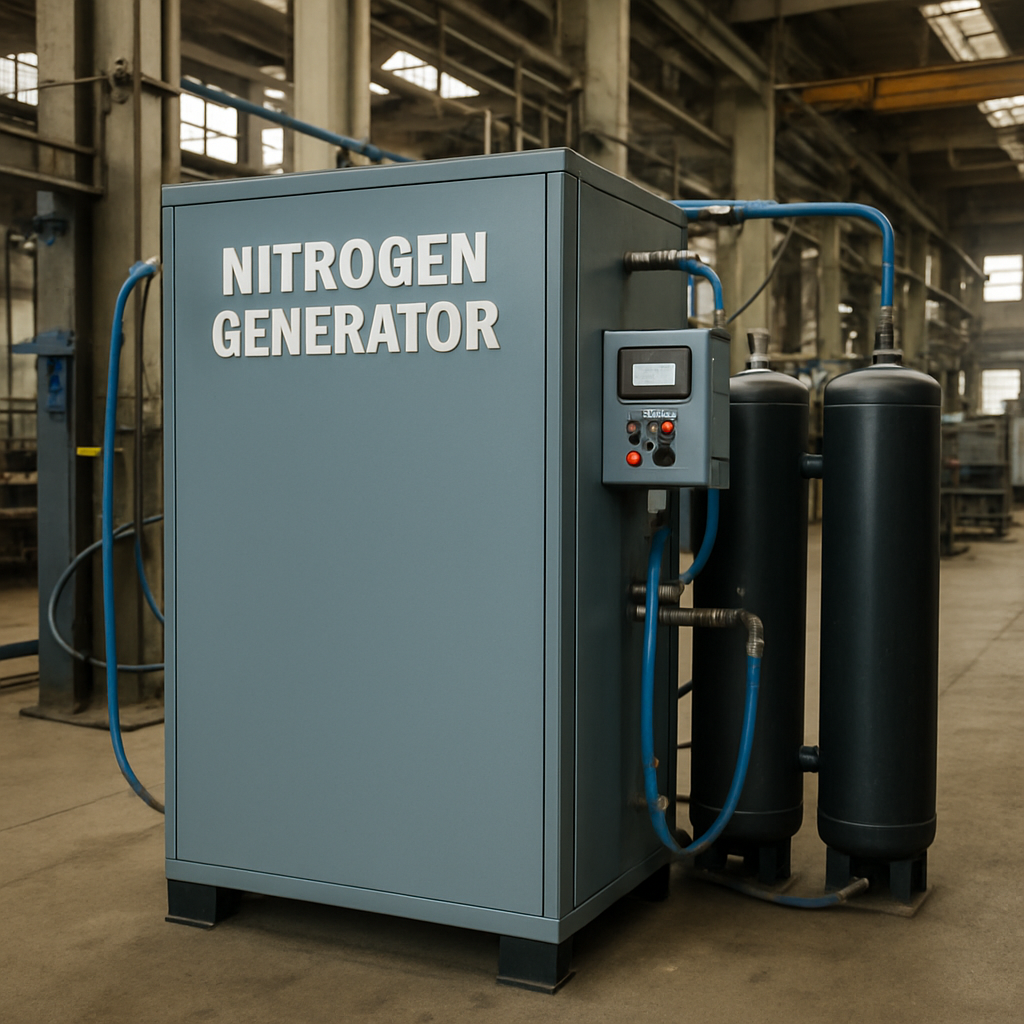
nitrogen generator for oil and gas ships
nitrogen generator

Nitrogen Generator for Oil and Gas Ships

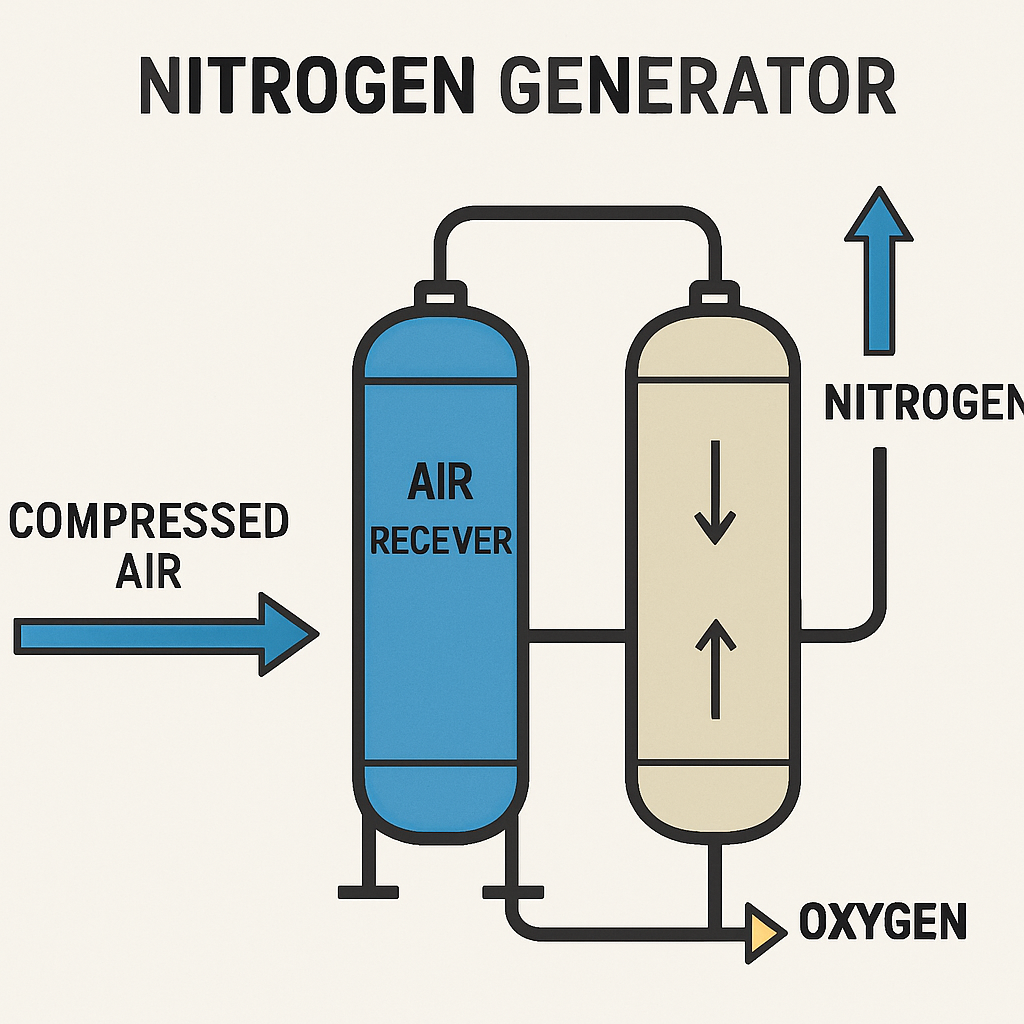
In the maritime industry, ensuring the safety and efficiency of oil and gas ships is paramount. A critical component that plays a significant role in this is the nitrogen generator. This technology is essential for maintaining the integrity of oil and gas transport by reducing the risk of combustion and protecting cargo. In this article, we will delve into the importance of nitrogen generators for oil and gas ships, explore how they work, and highlight their benefits. Understanding Marine Gas Systems Marine gas systems are vital for the safe and efficient operation of ships transporting oil and gas. These systems are designed to handle and control gases used onboard, ensuring that the ship operates smoothly and safely. Among these systems, nitrogen generators are a key component. What is a Nitrogen Generator? A nitrogen generator is a device that produces nitrogen gas by separating it from the air. The air we breathe contains about 78% nitrogen, and these generators utilize advanced technologies to extract and purify this nitrogen for various applications. On oil and gas ships, nitrogen generators are used to create an inert atmosphere, minimizing the risk of fire or explosion. Why Nitrogen Generators Are Essential for Oil and Gas Ships Safety First The primary reason for using nitrogen generators on oil and gas ships is safety. Transporting flammable materials like oil and gas poses inherent risks, and nitrogen generators help mitigate these risks. By displacing oxygen and other gases that could support combustion, nitrogen creates a stable environment that significantly reduces the likelihood of fires and explosions. Protecting Cargo Integrity In addition to safety, nitrogen generators play a crucial role in preserving the quality of the cargo. Oxygen can react with certain chemicals in oil and gas, leading to deterioration or even hazardous reactions. By maintaining an inert atmosphere, nitrogen generators help prevent oxidation and other chemical processes that could compromise the cargo’s quality. Cost Efficiency While safety and cargo integrity are vital, cost efficiency is also a significant consideration for ship operators. Nitrogen generators can be more cost-effective in the long run compared to other methods of inert gas production. They reduce the need for expensive and bulky nitrogen gas cylinders, saving both space and money. Moreover, the maintenance of these systems is generally straightforward, which further contributes to cost savings. How Nitrogen Generators Work Nitrogen generators for oil and gas ships typically utilize two main technologies: Pressure Swing Adsorption (PSA) and Membrane Separation. Pressure Swing Adsorption (PSA) PSA technology uses a material called a molecular sieve to separate nitrogen from the air. The process involves adsorbing oxygen and other gases under pressure, allowing nitrogen to pass through as the primary output. This method is highly effective in producing high-purity nitrogen. Membrane Separation Membrane separation technology employs a series of hollow fiber membranes that selectively allow gases to pass through based on their size and properties. Nitrogen molecules, being larger, are separated and collected, while other gases are vented away. This method is known for its simplicity and reliability. by Jonathan Cooper (https://unsplash.com/@theshuttervision) Choosing the Right Nitrogen Generator for Oil and Gas Ships […]
nitrogen generator for medicine production
Uncategorized

Nitrogen Generator for Medicine Production

In the world of medicine production, the quality and purity of gases play a critical role in ensuring the safety and efficacy of pharmaceutical products. One such gas that has gained significant importance is nitrogen. Nitrogen generators have emerged as a vital component in medicine production, offering numerous advantages over traditional gas supply methods. In this article, we will explore the benefits of nitrogen generators in medicine production and how they contribute to creating safer and more efficient processes. A nitrogen generator is a device that separates nitrogen gas from the air. The air we breathe contains about 78% nitrogen, and a nitrogen generator extracts this nitrogen from the air to produce a continuous supply of pure nitrogen gas. This process is typically achieved using technologies like Pressure Swing Adsorption (PSA) or membrane filtration. How Does a Nitrogen Generator Work? A nitrogen generator takes in compressed air and passes it through a series of filters. These filters remove impurities and separate oxygen and other gases from nitrogen. The result is a high-purity nitrogen gas that can be used in various applications, including medicine production. The Importance of Nitrogen in Medicine Production Nitrogen is a crucial gas in the pharmaceutical industry. It is used in various stages of medicine production, from manufacturing to packaging. Here’s why nitrogen is important: Preservation of Product Quality Nitrogen is an inert gas, meaning it does not react with other substances. This property makes it ideal for preserving the quality of medicines. By displacing oxygen in the production process, nitrogen prevents oxidation, which can degrade the quality and potency of pharmaceutical products. Enhanced Safety Using nitrogen in medicine production enhances safety by reducing the risk of combustion and explosion. Many pharmaceutical processes involve flammable substances, and nitrogen helps create an inert atmosphere that minimizes the chances of fire hazards. Benefits of Using Nitrogen Generators in Medicine Production Cost-Effectiveness One of the significant advantages of using a nitrogen generator is cost-effectiveness. Traditional methods of nitrogen supply involve purchasing nitrogen cylinders or liquid nitrogen, which can be expensive and require frequent refills. Nitrogen generators, on the other hand, provide a continuous supply of nitrogen on-demand, eliminating the need for storage and reducing transportation costs. Consistent Supply With a nitrogen generator, pharmaceutical companies can ensure a consistent and reliable supply of nitrogen gas. This consistency is crucial in maintaining the integrity of production processes and avoiding disruptions caused by running out of gas. High Purity Levels Nitrogen generators produce high-purity nitrogen gas, often exceeding 99.9% purity. This level of purity is essential in medicine production, where even trace amounts of impurities can affect the quality and safety of the final product. Environmental Benefits Nitrogen generators contribute to environmental sustainability by reducing the carbon footprint associated with transporting gas cylinders or liquid nitrogen. Additionally, they eliminate the need for disposing of empty gas cylinders, reducing waste.

nitrogen generator

Benefits of Nitrogen Generators for LCMS

In the world of scientific research and laboratory analysis, ensuring precision and reliability is paramount. One of the key components in achieving these standards, particularly in Liquid Chromatography-Mass Spectrometry (LCMS), is the use of a nitrogen generator. This article will delve into the benefits of nitrogen generators for LCMS and why they are becoming indispensable in modern laboratories. Liquid Chromatography-Mass Spectrometry, or LCMS, is a powerful analytical technique used to identify and quantify molecules in a sample. It combines the physical separation capabilities of liquid chromatography with the mass analysis capabilities of mass spectrometry. However, for LCMS to function optimally, it requires a consistent and pure supply of nitrogen gas. Nitrogen plays a crucial role in LCMS systems. It serves as a nebulizing gas, helping to convert liquid samples into a fine mist, which is then analyzed. Nitrogen’s inertness makes it ideal for this process as it doesn’t react with the samples, ensuring accurate results. Additionally, nitrogen is used to purge the system, removing any unwanted contaminants that could interfere with analyses. Traditional methods of nitrogen supply, such as gas cylinders, can be inconsistent. They require frequent replacement, and if not monitored closely, can lead to unexpected shortages that disrupt laboratory operations. A lab nitrogen generator provides a continuous and reliable source of nitrogen, eliminating the downtime associated with cylinder changes and ensuring that the LCMS system can operate without interruption. While the initial investment in nitrogen generator systems might seem significant, it leads to considerable cost savings over time. Gas cylinders not only have recurring purchase costs but also involve delivery and rental charges. A nitrogen generator, on the other hand, uses ambient air to produce nitrogen, significantly reducing the ongoing costs associated with gas supply. Handling high-pressure gas cylinders poses safety risks, including potential leaks and the physical strain of moving heavy tanks. Nitrogen generators for LCMS mitigate these risks by producing nitrogen on-demand, eliminating the need for handling and storing large quantities of pressurized gas. This enhances the overall safety of the laboratory environment. Nitrogen generators are more environmentally friendly compared to traditional cylinder-based systems. By producing nitrogen from the air, they reduce the carbon footprint associated with the production, transportation, and disposal of gas cylinders. This sustainable approach not only benefits the environment but also aligns with the increasing push for green laboratory practices. With a nitrogen generator, laboratories can streamline their workflows. There’s no need to schedule cylinder deliveries or handle the logistical challenges of managing gas supplies. This efficiency allows laboratory personnel to focus on their core research activities, improving productivity and the speed at which projects can be completed. Nitrogen generators are equipped with advanced filtration systems that ensure the nitrogen produced is of high purity. This level of quality control is critical in LCMS applications, where even trace impurities can affect the accuracy and reliability of results. By using a lab nitrogen generator, laboratories can maintain consistent sample integrity and ensure high-quality data output. When considering a nitrogen generator for LCMS, there are several factors to keep in mind to ensure you select the right system for your needs. One of the most important considerations is the capacity and flow rate of the nitrogen generator. Laboratories should assess their average nitrogen usage to determine the appropriate specifications. It’s crucial to choose a system that can meet both current and future demands to avoid the need for costly upgrades or additional units. Nitrogen generator systems come in various sizes and configurations. Consider the available space in your laboratory and any specific installation requirements. Some systems are designed to fit under laboratory benches, while others may require more substantial floor space. Regular maintenance is key to ensuring the longevity and performance of a nitrogen generator. Choose a system from a reputable manufacturer that offers comprehensive support services and easy access to replacement parts. This will minimize downtime and keep your laboratory operations running smoothly. Nitrogen generators have revolutionized the way laboratories manage their gas supply for LCMS applications. By providing a consistent, cost-effective, and safe source of high-purity nitrogen, they enhance the overall efficiency and reliability of laboratory operations. As laboratories continue to seek ways to optimize their workflows and reduce environmental impact, the adoption of nitrogen generator systems is likely to increase, cementing their place as an essential component of modern analytical labs. Investing in a nitrogen generator is not just about improving current operations; it’s a strategic move towards a more sustainable and efficient laboratory future. With the numerous benefits they offer, nitrogen generators for LCMS are a wise choice for any laboratory seeking to maintain the highest standards of analytical precision and operational efficiency.

nitrogen generator

Nitrogen generator for food production factory

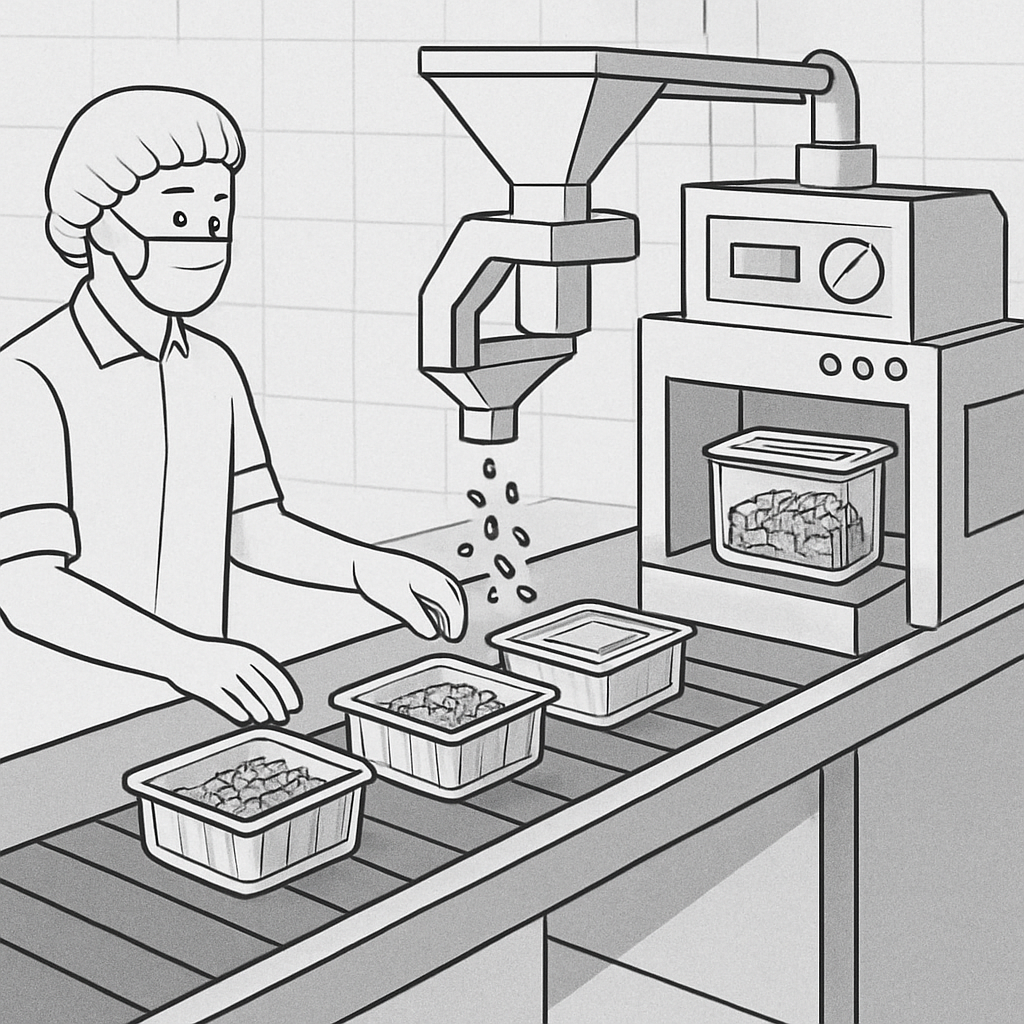
In the bustling world of food production, maintaining the quality and safety of products is paramount. One of the critical elements that play a significant role in ensuring freshness and longevity of food is nitrogen. In this article, we will delve into the importance of a nitrogen generator for food production, its benefits, and how it optimizes the food production process. Understanding the Role of Nitrogen in Food Production Nitrogen is an inert gas that makes up about 78% of the Earth’s atmosphere. It is colorless, odorless, and tasteless, which makes it ideal for use in food production. But why is nitrogen so crucial in this industry? Preserving Freshness and Quality In food production, nitrogen is often used to displace oxygen. Oxygen can lead to oxidation, which can spoil food and degrade its quality. By replacing oxygen with nitrogen, food producers can significantly extend the shelf life of their products. This is particularly important for packaged foods, where maintaining freshness is a top priority. Preventing Bacterial Growth Bacteria and other microorganisms need oxygen to grow. By reducing the oxygen levels in food packaging, nitrogen helps prevent the growth of these harmful organisms. This not only keeps the food safe but also ensures that it remains fresh for a longer time. Enhancing Product Appearance For many food products, appearance is just as important as taste. Nitrogen helps maintain the color and texture of foods, especially in products like chips and snacks, where a crispy texture is desired. What is a Nitrogen Generator? A nitrogen generator is a device that extracts nitrogen gas from the air and purifies it for use in various applications, including food production. There are different types of nitrogen generators, but they all work on the principle of separating nitrogen from other gases present in the air. Types of Nitrogen Generators Benefits of Using a Nitrogen Generator in a Food Production Factory Cost-Effectiveness Using a nitrogen generator can significantly reduce the costs associated with purchasing and transporting bottled nitrogen. Once installed, these generators provide a continuous supply of nitrogen, reducing reliance on external suppliers. Consistent Supply Nitrogen generators ensure a consistent and reliable supply of nitrogen gas. This is crucial for food production factories that require a steady flow of nitrogen to maintain their operations without interruptions. Environmental Benefits Producing nitrogen on-site reduces the carbon footprint associated with transporting gas cylinders. It also minimizes waste, as there are no empty cylinders to dispose of. by Rodrigo Kambara (https://unsplash.com/@rodrigoeng)

nitrogen generator for food
nitrogen generator

Benefits of Nitrogen Generators in Food Packaging

# Benefits of Nitrogen Generators in Food Packaging In the world of food packaging, maintaining the freshness and quality of products is paramount. One of the most effective methods to achieve this is through the use of nitrogen. Nitrogen generators have become an invaluable tool in the food packaging industry, offering numerous benefits that help preserve food and extend its shelf life. In this article, we’ll explore the key advantages of using nitrogen generators in food packaging and how they contribute to maintaining product quality. Nitrogen packaging involves replacing the oxygen inside food packaging with nitrogen gas. Oxygen can cause food spoilage by promoting the growth of bacteria and mold. By reducing the oxygen level and replacing it with nitrogen, food spoilage is significantly slowed, thus preserving the freshness and taste of the product. This is often referred to as Modified Atmosphere Packaging (MAP). Advantages of Using Nitrogen in Food Packaging Increased Shelf Life One of the most significant benefits of using nitrogen in food packaging is the increased shelf life of products. Nitrogen creates an environment that slows down the oxidation process, which is a major cause of food spoilage. By using nitrogen gas, companies can keep their products fresh for longer periods, reducing waste and improving profitability. Preservation of Flavor and Texture Nitrogen not only helps in preserving the shelf life of food but also maintains its flavor and texture. Foods like chips and snacks retain their crunchiness, and the flavor profile remains intact when packaged with nitrogen. This is because nitrogen prevents the moisture and oxygen that can lead to soggy textures and stale flavors. Reduced Dependency on Preservatives Using nitrogen gas in food packaging reduces the need for chemical preservatives. By creating a protective atmosphere inside the packaging, the growth of microorganisms is inhibited naturally. This is a significant advantage for consumers seeking cleaner labels and for manufacturers aiming to reduce artificial additives in their products. Cost-Effectiveness Investing in a nitrogen generator for food packaging can be cost-effective in the long run. While the initial investment might seem substantial, the savings from reduced spoilage and extended product shelf life can offset the costs. Additionally, producing nitrogen on-site eliminates the need for purchasing and storing nitrogen gas cylinders, further reducing costs. How Nitrogen Generators Work Nitrogen generators are devices that produce nitrogen gas on-demand. They work by extracting nitrogen from the surrounding air, which is composed of about 78% nitrogen. The generators utilize either membrane or pressure swing adsorption (PSA) technology to separate nitrogen from oxygen and other gases. Membrane Technology In membrane nitrogen generators, air is passed through a semi-permeable membrane that allows nitrogen to pass through while filtering out oxygen and other gases. This method is efficient and suitable for applications requiring lower nitrogen purity. Pressure Swing Adsorption (PSA) Technology PSA nitrogen generators use a material called carbon molecular sieve to adsorb oxygen from the air, leaving behind nitrogen. This method is ideal for applications requiring high-purity nitrogen gas. PSA technology is often preferred in the food packaging industry due to its ability to produce nitrogen with purity levels of up to 99.999%. Applications of Nitrogen Generators in Food Packaging by Sunil GC (https://unsplash.com/@sgc908)

nitrogen generator

Nitrogen generator for food and beverage

The food and beverage industry continually seeks innovative solutions to enhance product quality and shelf life. One such solution that is gaining traction is the use of nitrogen generators. These devices provide an efficient way to produce nitrogen gas on-site, offering numerous benefits over traditional methods of nitrogen supply. In this article, we will explore how nitrogen generators are transforming food packing, their benefits, and why they are essential for the food and beverage industry. Understanding Nitrogen Generators Nitrogen generators are devices that separate nitrogen molecules from the air, providing a pure, steady stream of nitrogen gas. Unlike traditional methods that rely on nitrogen gas cylinders, generators offer a more sustainable and cost-effective solution. They primarily use two technologies: Pressure Swing Adsorption (PSA) and Membrane Technology. Pressure Swing Adsorption (PSA) PSA technology operates by using compressed air that passes through a material called a carbon molecular sieve. This sieve adsorbs oxygen, allowing nitrogen to pass through as a pure gas. PSA systems are known for their high purity levels and are suitable for applications requiring high nitrogen concentrations. Membrane Technology Membrane technology, on the other hand, uses a series of hollow fiber membranes to separate nitrogen from other gases in the air. This method is often more energy-efficient and requires less maintenance. It is ideal for applications where lower purity levels are acceptable. Why Nitrogen is Essential in Food and Beverage Nitrogen plays a critical role in food preservation. It is an inert gas, meaning it does not react with food products. This quality makes it perfect for use in Modified Atmosphere Packaging (MAP), where the air inside the packaging is replaced with nitrogen to prolong shelf life. The Role of Nitrogen in Food Packing By displacing oxygen, nitrogen reduces oxidation, which is the primary cause of spoilage and rancidity in food products. This process helps in maintaining the flavor, color, and texture of the food. Moreover, nitrogen can fill the headspace in packaging, providing a cushion that protects fragile food items from damage during transportation. Benefits for the Beverage Industry In the beverage industry, nitrogen is used to pressurize cans and bottles, ensuring product freshness and extending shelf life. For example, in the beer industry, nitrogen can create a smooth and creamy texture, enhancing the drinking experience. Advantages of On-Site Nitrogen Generators Switching to on-site nitrogen generation offers several advantages: Cost Efficiency One of the most significant benefits is cost savings. By generating nitrogen on-site, companies can eliminate the expenses associated with purchasing, transporting, and storing nitrogen cylinders. This reduction in logistical costs can lead to substantial savings over time. Consistent Supply A nitrogen generator ensures a constant supply of gas, eliminating the risk of running out of nitrogen during critical production times. This reliability is crucial for maintaining continuous operations and preventing costly downtime. Environmental Benefits

nitrogen generator fire protection
nitrogen generator

Nitrogen Generator Fire Protection: Essential Strategies

# Nitrogen Generator Fire Protection: Essential Strategies In the world of industrial fire safety, nitrogen generators have become a key player. They offer an effective and efficient method for fire protection, particularly in environments where traditional water-based systems might not be suitable. This article explores essential strategies for implementing nitrogen generator fire protection and how it enhances your overall fire protection system. What is a Nitrogen Generator? A nitrogen generator is a device that produces nitrogen gas from the atmosphere. It uses either membrane technology or pressure swing adsorption to separate nitrogen molecules from other gases. The result is a consistent flow of nitrogen gas, which is then used in various applications, including fire protection systems. How Does It Work in Fire Protection? In fire protection systems, nitrogen generators help to prevent fires by reducing the oxygen concentration in the environment. Fire requires oxygen to burn, so by decreasing the oxygen levels, the nitrogen generator effectively minimizes the risk of ignition and fire spread. This makes it an ideal solution for facilities where traditional fire suppression systems might cause damage or be ineffective, such as in data centers or archival storage. Advantages of Using Nitrogen Generators Enhanced Safety One of the primary benefits of nitrogen generator fire protection is enhanced safety. Traditional fire suppression systems, like sprinklers, can cause water damage to sensitive equipment and documents. Nitrogen generators, on the other hand, provide a dry solution that does not harm property or materials. Cost-Effectiveness Nitrogen generators are cost-effective in the long run. Once installed, they require minimal maintenance and reduce the need for costly water damage repairs or replacements. Additionally, they can lower insurance premiums as they decrease the risk of fire-related claims. Environmental Impact Nitrogen is a natural component of the atmosphere and does not produce harmful by-products. This makes nitrogen generator systems an environmentally friendly choice for fire protection. They help businesses meet sustainability goals while ensuring safety. Implementing Nitrogen Generator Fire Protection Assessing Your Facility’s Needs Before implementing a nitrogen generator system, it’s crucial to assess your facility’s specific needs. Consider factors like the type of materials stored, the size of the area, and existing fire protection measures. Consulting with a fire protection expert can help you determine the best approach. Integration with Existing Systems Nitrogen generators can be integrated with existing fire protection systems to enhance their effectiveness. They work well with smoke detectors and alarm systems, providing an additional layer of safety. Ensure that your current system is compatible and that all components are properly linked for seamless operation. Regular Maintenance and Monitoring To keep your nitrogen generator system functioning optimally, regular maintenance is essential. This includes checking for leaks, ensuring the generator is producing the correct nitrogen purity, and verifying that all connections are secure. Implementing a monitoring system can help detect any issues early on, preventing potential failures.

nitrogen generator

What’s Membrane Nitrogen Generators

Nitrogen is a vital gas used across various industries, from food packaging to pharmaceuticals. But how do businesses get a steady supply of nitrogen? Enter membrane nitrogen generators. In this article, we’ll delve into what membrane nitrogen generators are, how they work, and why they’re beneficial for numerous applications. A membrane nitrogen generator is a device that separates nitrogen molecules from the air using a process called membrane filtration. These generators are an efficient and cost-effective way to produce nitrogen on-site, eliminating the need for regular deliveries of nitrogen gas. How Do They Work? Membrane nitrogen generators use a technology known as membrane filtration. The air we breathe is composed of 78% nitrogen, 21% oxygen, and other gases. A membrane nitrogen generator takes in compressed air and passes it through a membrane—a selective barrier that separates gases based on their molecular size and solubility. Here’s a simple breakdown of the process: Types of Membranes Used The efficiency of a membrane nitrogen generator largely depends on the type of membrane used. These membranes are typically made from polymers like cellulose acetate or polyimide. The choice of material affects the selectivity and permeability of the membrane, influencing the purity and flow rate of the nitrogen produced. Advantages of Using Membrane Nitrogen Generators Membrane nitrogen generators offer several advantages over traditional nitrogen supply methods, such as gas cylinders or bulk liquid nitrogen. Here are some of the key benefits: Cost-Effective By generating nitrogen on-site, businesses can significantly reduce their reliance on external suppliers. This not only cuts costs associated with purchasing and transporting nitrogen but also reduces the environmental impact of transportation. Continuous Supply With a membrane nitrogen generator, you get a continuous supply of nitrogen, ensuring that your operations are never interrupted due to a lack of gas. This is especially crucial in industries where nitrogen is used continuously, like in food packaging or chemical manufacturing. Compact and Scalable Membrane nitrogen generators are generally compact, requiring less space compared to other nitrogen generation methods. Additionally, they can be easily scaled to meet increasing demand by adding more membrane modules. Low Maintenance These generators have few moving parts, which means they require minimal maintenance. The main upkeep involves replacing the membrane filters periodically, which is a straightforward process. Applications of Membrane Nitrogen Generators Membrane nitrogen generators find applications across a wide range of industries due to their efficiency and reliability. Some common uses include: Food and Beverage Industry

Uncategorized

Choosing the Right 30L/min Nitrogen Generator

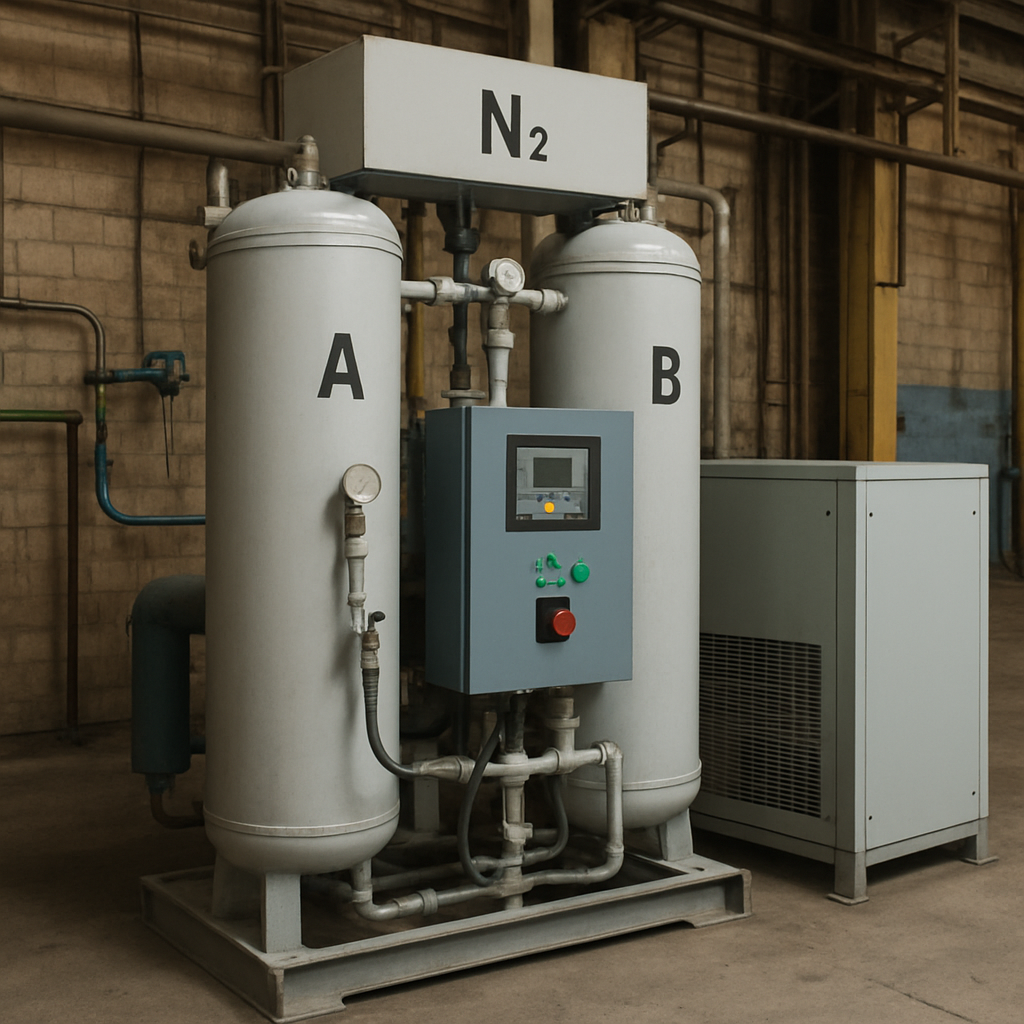
​Choosing the right nitrogen generator for your needs can feel like a daunting task. With so many options and technical specifications to consider, it’s easy to get overwhelmed. However, understanding the key factors that influence your choice can simplify the process significantly. In this article, we’ll break down everything you need to know about selecting a 30L/min nitrogen generator. Whether you’re new to nitrogen gas generation systems or looking to upgrade your current setup, this guide will help you make an informed decision. Nitrogen generators are systems designed to produce nitrogen gas on-site from compressed air. They are commonly used in various industries, including food packaging, pharmaceuticals, and electronics, to create inert environments, prevent oxidation, and more. The generators typically operate using either pressure swing adsorption (PSA) or membrane technology. Why Choose a 30L/min Nitrogen Generator? A 30L/min nitrogen generator is often selected for its ability to provide a steady and reliable flow of nitrogen gas suitable for small to medium-scale operations. This flow rate is perfect for businesses that need a consistent supply of nitrogen without the large-scale capacity of industrial generators. Key Factors to Consider When selecting a nitrogen generator, several factors should guide your decision-making process. Purity Requirements Different applications require varying levels of nitrogen purity. For example, food packaging typically requires high-purity nitrogen to prevent spoilage, while other applications like tire inflation may have lower purity needs. Understanding your specific purity requirements will help you choose the right generator. Operating Costs The cost of operating a nitrogen generator includes energy consumption, maintenance, and potential downtime. It’s essential to evaluate these costs against your budget to ensure you select a generator that is not only efficient but also cost-effective in the long run. Space and Installation Consider the space available for installing the generator. A 30L/min generator is generally compact, but you still need to ensure you have adequate room for both the generator and any auxiliary equipment. Additionally, consider the ease of installation and any specific requirements like ventilation or temperature control. Manufacturer Reputation Choosing a reputable manufacturer is crucial. Look for nitrogen generator manufacturers known for producing reliable and durable systems. Check reviews, ask for recommendations, and consider the manufacturer’s experience in the industry. After-Sales Support After-sales support can be a game-changer when it comes to maintaining and troubleshooting your nitrogen generator. Ensure that the manufacturer provides robust customer support, including maintenance services and readily available spare parts. Types of Nitrogen Generators Nitrogen generators are primarily categorized based on the technology they use to separate nitrogen from the air. Pressure Swing Adsorption (PSA) Generators PSA generators use a series of adsorbent materials to separate nitrogen from other gases. They are known for producing high-purity nitrogen and are ideal for applications requiring stringent purity levels. PSA systems are typically more expensive but offer excellent reliability and efficiency.

nitrogen generator

Top Nitrogen Generators Available for Purchase

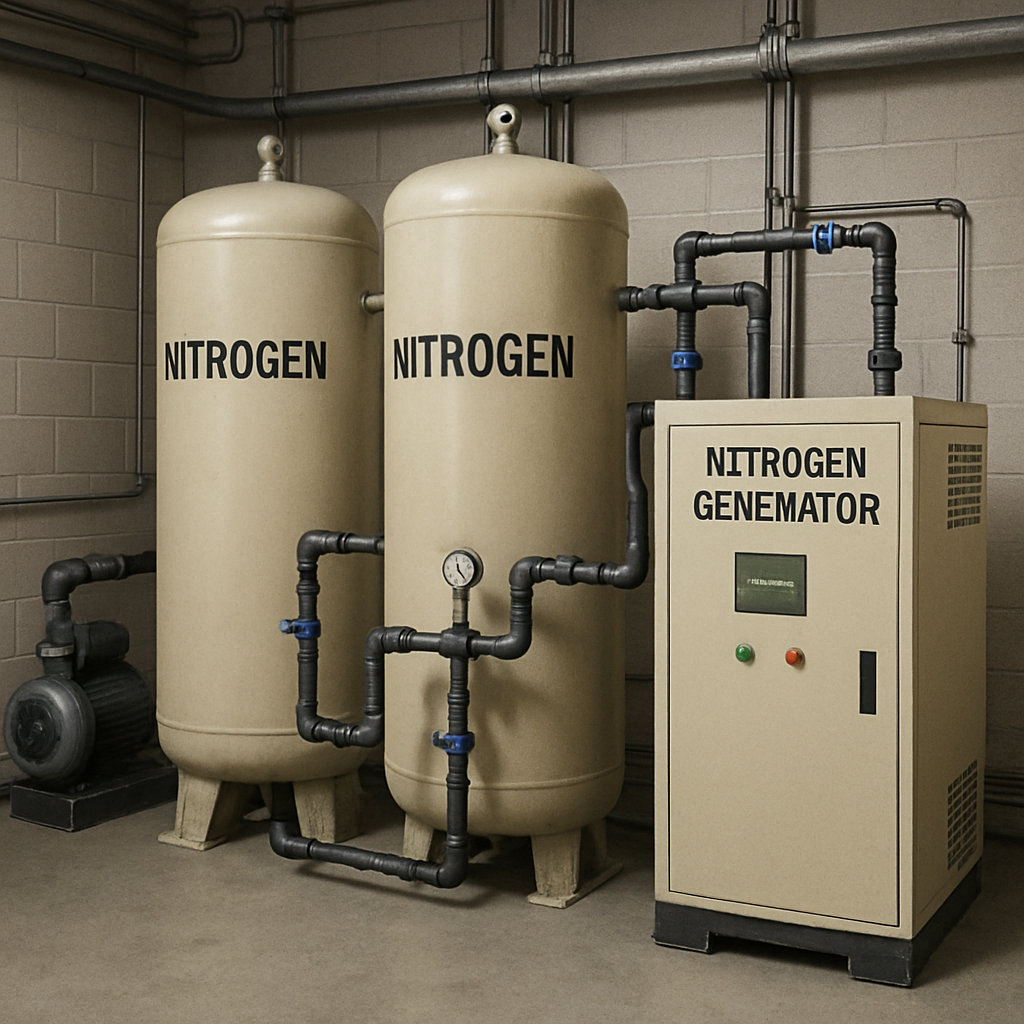
When it comes to selecting a nitrogen generator, understanding your options can significantly impact your operational efficiency and cost savings. Nitrogen generators are invaluable in various industries, from food packaging to electronics manufacturing, by providing a continuous supply of nitrogen gas. In this comprehensive guide, we’ll discuss some of the top nitrogen generators available for purchase, their features, and what makes them stand out. A nitrogen generator is a device that separates nitrogen molecules from compressed air. This process provides a reliable supply of nitrogen for industrial applications. The two main types of nitrogen generators are Pressure Swing Adsorption (PSA) and Membrane nitrogen generators. Each has its own advantages depending on the specific needs of your industry. Pressure Swing Adsorption (PSA) Nitrogen Generators PSA nitrogen generators work by using carbon molecular sieve (CMS) to separate nitrogen from oxygen and other gases. This method is highly effective in producing high-purity nitrogen. PSA systems are widely used in industries requiring a nitrogen purity level of up to 99.999%. Membrane Nitrogen Generators Membrane nitrogen generators use a series of hollow fibers that allow oxygen and water vapor to permeate through the walls, separating nitrogen. This process is best suited for applications requiring nitrogen with a lower purity level, generally between 95% to 99%. Top Nitrogen Generators for Sale Now that we understand the basics, let’s explore some of the top nitrogen generators available in the market today. 1. Parker Balston Nitrogen Generators Parker Balston offers a range of nitrogen generators known for their reliability and efficiency. They provide both PSA and membrane systems, catering to a wide array of industrial needs. Their PSA systems are particularly renowned for achieving high nitrogen purity, making them ideal for industries such as food packaging and pharmaceuticals. Key Features: 2. Atlas Copco Nitrogen Generators Atlas Copco is a well-established name in the field of industrial solutions, and their nitrogen generators are no exception. Offering both PSA and membrane systems, Atlas Copco focuses on providing systems that are easy to operate and maintain. Key Features: 3. Ingersoll Rand Nitrogen Generators Ingersoll Rand offers robust nitrogen generation systems that are designed to meet the demands of various industries. Their PSA generators are equipped with advanced controls for better monitoring and efficiency. Key Features: 4. Air Products PRISM Membrane Nitrogen Generators Air Products PRISM Membrane Nitrogen Generators are known for their versatility and performance. These systems are particularly beneficial for medium to large-scale operations, offering a balance between cost and efficiency. Key Features:

Scroll to Top